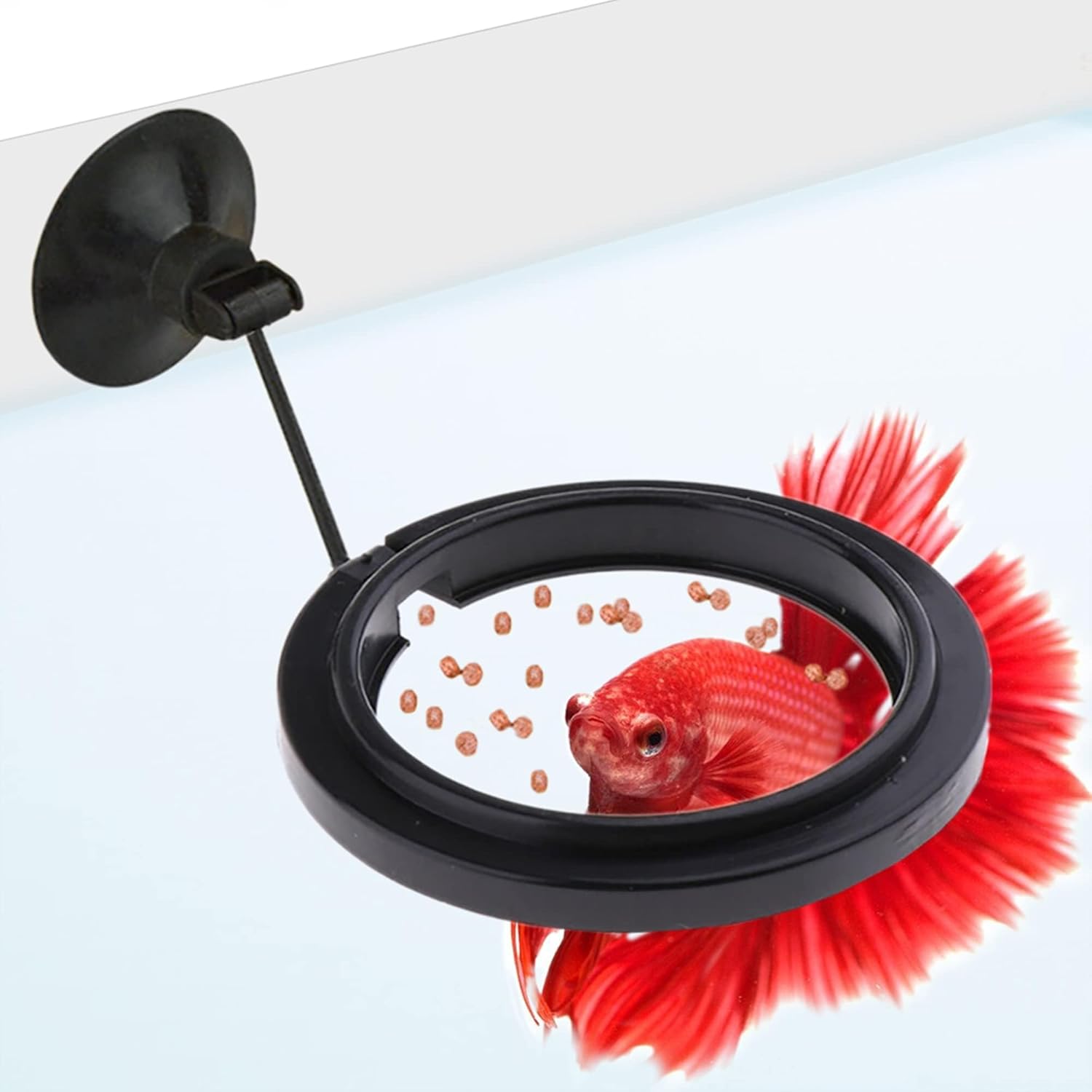
Can Betta Fish Go in Tap Water Safe Setup Tips

Betta fish can live in tap water, but only if you treat it properly first. Untreated tap water contains chlorine and chloramines that harm your fish. Using a water conditioner neutralizes these toxins instantly. Always check the water temperature and pH levels before adding your betta. With the right tank setup, tap water becomes a safe home for your colorful friend.
This is a comprehensive guide about can betta fish go in tap water.
Key Takeaways
- Tap water is usable: You can use tap water for your betta fish tank, but it must be treated first.
- Chlorine is dangerous: Untreated tap water contains chlorine that burns gills and harms fish.
- Conditioners are essential: Always use a quality water conditioner to neutralize toxins instantly.
- Temperature matters: Keep the water between 78°F and 80°F for optimal betta health.
- Cycle your tank: Establish a nitrogen cycle before adding your betta to ensure safe water conditions.
- Test regularly: Use water test kits to monitor ammonia, nitrite, and pH levels consistently.
- Avoid extremes: Never use boiling water or ice-cold water directly in your betta tank.
[FEATURED_IMAGE_PLACEHOLDER]
Can Betta Fish Go in Tap Water Safely?
Many new fish owners ask the same question. Can betta fish go in tap water safely? The short answer is yes. But there is a big catch. You cannot just pour water from the sink into the tank. Tap water contains chemicals that hurt fish. Chlorine is the biggest problem. It kills good bacteria and harms your betta.
You need to treat the water first. This process is simple and cheap. A good water conditioner does the job. It makes the water safe for your fish. You also need to watch the temperature. Bettas like warm water. Cold tap water shocks their system. This article explains everything you need to know. You will learn how to prepare tap water. You will also learn how to keep your tank healthy.
Understanding Water Chemistry for Bettas
Water chemistry sounds hard. It is actually simple. You just need to know a few things. Your betta needs clean water. But clean does not mean sterile. Your fish needs healthy water. This means water with good bacteria. These bacteria live in the filter. They eat bad waste.
Tap water has minerals too. These minerals are good. They help balance the pH. But the chemicals are bad. Chlorine and chloramines are the enemies. You must remove them. A water conditioner removes them fast. You can find these at any pet store. They are very affordable.
You should also check the pH. Bettas like a pH between 6.5 and 7.5. Tap water varies by location. Some water is hard. Some is soft. You can test this with a kit. Testing helps you understand your water. It helps you choose the right conditioner.
The Role of Minerals
Minerals in tap water are helpful. They provide stability. They help buffer the pH. This means the pH does not swing wildly. Stable water is happy water. Your betta feels safe in stable water. Distilled water lacks minerals. It is not ideal for long term use. Tap water is usually better than distilled. Just treat it first.
Treating Tap Water Properly
Treating tap water is easy. You do not need expensive equipment. You just need a conditioner. Pour the new water into a bucket. Add the conditioner drops. Wait a few minutes. The chemicals neutralize the toxins. Now the water is safe. You can add it to the tank.
Some people boil the water. This kills bacteria. But it does not remove chlorine. Boiling actually concentrates minerals. It is not the best method. A conditioner is faster and safer. It works instantly. You do not have to wait hours. This is great for water changes.
Using Water Conditioners
There are many brands available. Look for one that removes chloramines. Some cheap conditioners only remove chlorine. Chloramines are harder to break down. Make sure the label says chloramines. This ensures full protection. Follow the dosage instructions carefully. Too little does not work. Too much might harm the fish. Stick to the recommended amount.
Temperature Adjustment
Temperature is critical. Bettas are tropical fish. They need warm water. Tap water is often cold. Cold water stresses the fish. It lowers their immune system. They get sick easier. Use a thermometer to check the temp. Match the new water to the tank water. This prevents shock. You can use a heater in the bucket. Or let the water sit near a warm spot.
Setting Up the Ideal Tank Environment
The tank setup matters a lot. A small bowl is not enough. Bettas need space to swim. They also need space for filters. A five gallon tank is a good start. It holds heat better. It also dilutes waste better. This makes water changes easier. You change less water less often.
You need a filter too. The filter keeps water clean. It removes debris. It also houses good bacteria. Do not use a strong current. Bettas have long fins. They cannot swim in strong flow. Use a gentle filter. A sponge filter works well. It is gentle and effective.
Filtration Systems
Choose a filter that fits the tank. Hang on back filters are popular. They are easy to maintain. Canister filters are stronger. They are good for larger tanks. Internal filters are compact. They work for small setups. Pick one that matches your budget. Remember to rinse the filter media. Use old tank water for this. Tap water kills the bacteria on the filter.
Substrate and Decor
Gravel or sand works fine. Pick a color you like. Dark substrate makes bettas pop. Add some plants too. Live plants help clean the water. They absorb nitrates. Silk plants are a good alternative. Avoid plastic plants with sharp edges. They tear betta fins. Add hiding spots too. Bettas like to rest. A cave or leaf works well.
Maintaining Water Quality Over Time
Maintenance is key to success. You cannot just set it and forget it. Waste builds up over time. Fish poop and uneaten food rot. This creates ammonia. Ammonia is toxic. You need to remove it. Regular water changes do this. Change about twenty five percent weekly. This keeps levels safe.
Use a gravel vacuum during changes. It sucks up waste from the bottom. This prevents buildup. Always treat new water before adding it. Never add untreated tap water. Even a little bit hurts. Consistency is important. Stick to a schedule. Your fish will thrive with routine care.
Testing Water Parameters
Test your water often. Buy a liquid test kit. Strips are less accurate. Test for ammonia and nitrite. Both should be zero. Test for nitrate too. Nitrate should be low. High nitrate stresses fish. Test the pH as well. Make sure it stays stable. Testing takes only a few minutes. It gives you peace of mind.
Feeding and Waste
Feed your betta sparingly. Overfeeding causes dirty water. Give small amounts twice a day. Only feed what they eat quickly. Remove leftover food. This reduces waste. Less waste means cleaner water. Cleaner water means a healthier fish. It is a simple cycle. Good feeding habits help water quality.
Common Mistakes to Avoid
New owners make mistakes. Some are easy to fix. Others are dangerous. Avoid these common errors. They keep your betta safe. Learning from others helps you succeed. Do not rush the process. Take your time with setup.
- Using untreated water: This is the biggest mistake. Always condition tap water first.
- Ignoring temperature: Cold water kills slowly. Keep it warm and stable.
- Overcleaning the tank: Do not scrub everything. You need good bacteria.
- Skipping the cycle: Let the tank mature first. Add fish later.
- Using soap or chemicals: Never clean tanks with soap. It poisons fish.
Overcleaning Risks
People think clean means sterile. This is wrong for fish tanks. Sterile means no bacteria. You need bacteria to process waste. If you scrub all surfaces, you kill them. The tank crashes. Ammonia spikes. Your fish gets sick. Rinse filter media in tank water. Do not use tap water on the filter. Preserve the beneficial bacteria.
Expert Insights on Betta Care
Experts agree on one thing. Consistency is key. Your betta adapts to your routine. If you change water weekly, do it weekly. If you feed twice daily, stick to it. Sudden changes stress fish. Stress leads to disease. A stable environment prevents illness. Prevention is better than cure.
Observe your fish daily. Look for signs of stress. Clamped fins mean something is wrong. Lethargy is another sign. Check the water parameters immediately. Fix the issue fast. Early detection saves lives. Your betta cannot tell you what is wrong. You must watch for clues.
Acclimation Process
When you bring a new betta home, acclimate them. Float the bag in the tank. This matches the temperature. Then add small amounts of tank water to the bag. Do this over an hour. This matches the water chemistry. Then release the fish gently. Do not pour the store water into your tank. It might contain diseases. Net the fish out instead.
Conclusion
So, can betta fish go in tap water? Yes, they can. But you must treat it first. Tap water is convenient and cheap. It works well for most owners. Just remember to use a conditioner. Remove the chlorine and chloramines. Match the temperature carefully. Cycle your tank before adding fish. Test your water regularly. Avoid common mistakes like overcleaning.
With these steps, your betta will live a long life. They are beautiful and rewarding pets. They deserve a safe home. You now have the knowledge to provide it. Start your setup today. Your fish will thank you with vibrant colors and active behavior. Enjoy your new hobby.
FAQs
Can betta fish live in tap water for one day?
They can survive for a day, but it is risky. Untreated tap water burns their gills. You should always treat the water before adding your fish.
Can you use tap water conditioner for betta fish?
Yes, water conditioners are designed for this. They neutralize chlorine and chloramines instantly. Make sure to follow the dosage instructions on the bottle.
Can betta fish go in cold water?
No, bettas are tropical fish and need warm water. Cold water weakens their immune system. Keep the temperature between 78°F and 80°F.
Can you put bottled water in a betta fish tank?
You can, but it is expensive and lacks minerals. Tap water treated with a conditioner is usually better. Bottled water works in emergencies though.
Can tap water kill betta fish?
Yes, untreated tap water can kill them over time. Chlorine and chloramines are toxic to fish. Always use a conditioner to make it safe.
Can you put a betta fish in water right away?
You should not put them in untreated water right away. Let the water sit or treat it with a conditioner first. Acclimate the fish slowly to avoid shock.
Frequently Asked Questions
What is can betta fish go in tap water?
can betta fish go in tap water is an important topic with many practical applications.