How Does Betta Fish Breathe
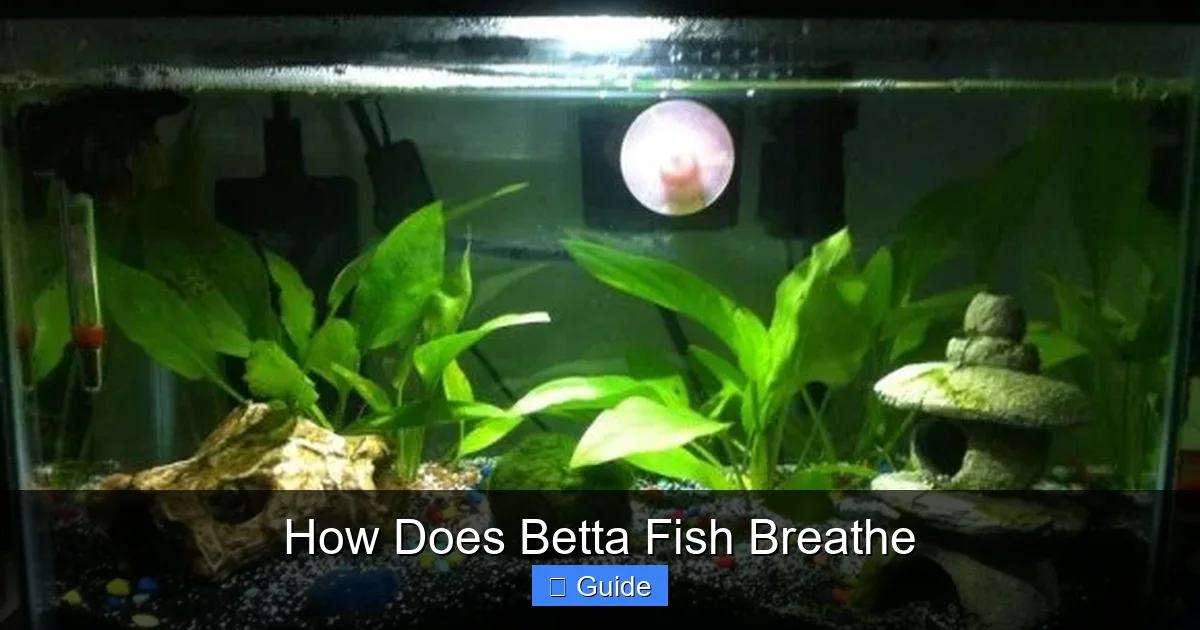
Betta fish possess a rare “labyrinth organ” that allows them to breathe atmospheric air directly from the surface. This adaptation, combined with standard gill respiration, makes them uniquely suited for low-oxygen environments like stagnant rice paddies. Proper tank setup with a secure lid and gentle water flow is critical for their breathing and overall health. Understanding this dual respiratory system is fundamental to providing appropriate care and debunking common myths about keeping them in small bowls.
Key Takeaways
- Dual Respiratory System: Bettas use both gills (like most fish) and a specialized labyrinth organ to breathe air from the surface.
- The Labyrinth Organ is Key: This folded tissue structure, developed as they mature, allows direct oxygen absorption from atmospheric air.
- Surface Breathing is Mandatory: A betta *must* regularly gulp air from the water’s surface; inability to do so is fatal.
- Water Quality & Oxygen are Linked: Poor water quality and low dissolved oxygen force excessive surface breathing, causing stress.
- Myth of the “Bowl”: Small, unfiltered bowls cannot support a betta’s respiratory and metabolic needs long-term.
- Proper Tank Setup is Non-Negotiable: A filtered, heated tank with a secure lid (to prevent jumps) and calm surface is essential for healthy breathing.
- Watch for Breathing Distress: Signs like frantic gulping, lethargy, or floating motionless at the top indicate poor water conditions or oxygen levels.
[FEATURED_IMAGE_PLACEHOLDER]
📑 Table of Contents
- Introduction: The Remarkable Breath of a Betta
- The Gills: The First Line of Respiratory Defense
- The Labyrinth Organ: An Evolutionary Masterpiece
- Water vs. Air: The Delicate Balance of a Betta’s Environment
- Debunking the “Bowl” Myth: Why Small, Unfiltered Containers Are Deadly
- Recognizing Breathing Distress: Signs Your Betta Is Struggling
- Practical Care Guide: Optimizing Your Betta’s Breathing Environment
- Conclusion: Breathing Easy with Your Betta
Introduction: The Remarkable Breath of a Betta
Watching a betta fish, or Siamese fighting fish, glide gracefully through its aquarium is mesmerizing. One of the most fascinating behaviors you’ll observe is that little gasp at the water’s surface—a quick sip of air before the fish sinks back into its watery world. This isn’t just a quirky habit; it’s the most visible sign of one of nature’s most incredible evolutionary adaptations. Understanding how a betta fish breathes is the single most important piece of knowledge for any betta owner. It explains their legendary toughness, their specific environmental needs, and why the common “betta in a bowl” myth is so harmful. Their breathing system is a brilliant, dual-purpose engine that sets them apart from nearly all other common aquarium fish.
This guide will take you deep into the biology and care implications of the betta’s respiratory system. We’ll explore the anatomy of their labyrinth organ, compare it to standard fish gills, and translate that science into concrete, actionable steps for creating a thriving tank environment. By the end, you won’t just know *that* they breathe air—you’ll understand *why* and, more importantly, *how* to ensure they can do it properly every single day.
The Gills: The First Line of Respiratory Defense
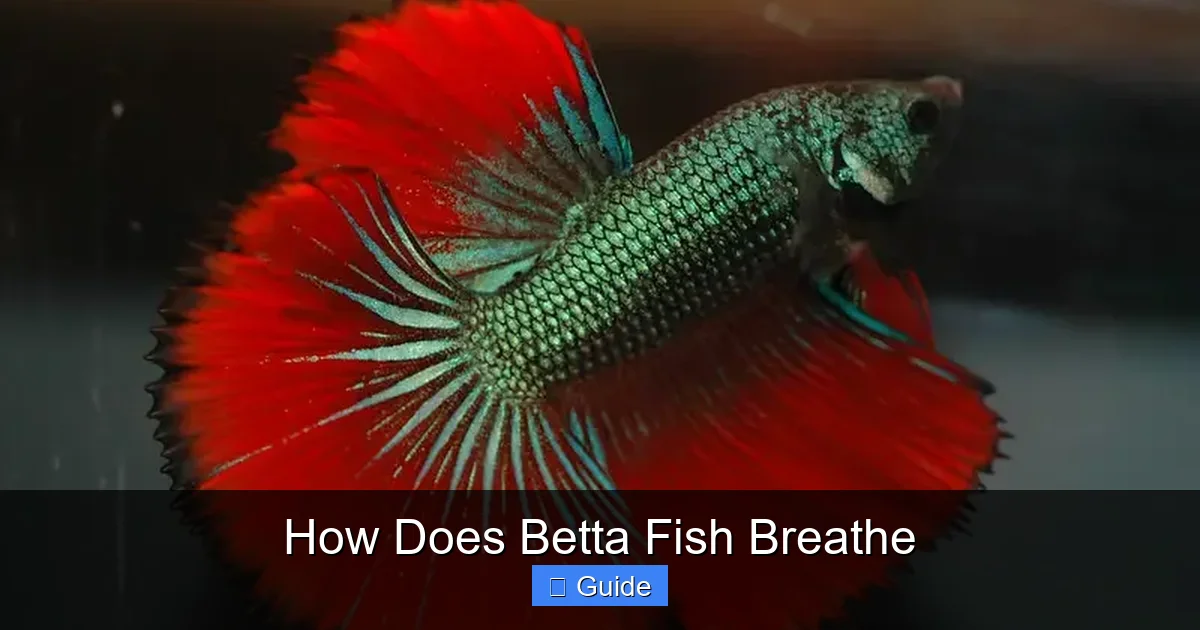
Like all fish, bettas possess gills. These feathery, internal organs are the primary site for extracting dissolved oxygen from water. Water flows over the gill filaments and lamellae (the tiny, plate-like structures), where a process called counter-current exchange maximizes oxygen absorption into the bloodstream and expels carbon dioxide. For a fish living in well-oxygenated, flowing water, gills are more than sufficient. However, the betta’s native habitat in the shallow, warm, and often stagnant rice paddies and ponds of Southeast Asia is notoriously low in dissolved oxygen. Warm water holds less oxygen, and stagnant water has no movement to re-oxygenate it. Relying solely on gills in such an environment would be a fatal limitation. Evolution provided a brilliant backup plan.
Visual guide about How Does Betta Fish Breathe
Image source: bettafishworld.com
How Gill-Only Breathing Fails in Poor Conditions
When dissolved oxygen in the water drops, a fish that relies only on gills must increase the flow of water over them. They swim faster or beat their operculums (gill covers) more vigorously to pump more water. This is energetically costly and eventually unsustainable. You’ll see a fish in severe distress “piping” at the surface, not for air, but in a desperate, futile attempt to increase water flow. This is a sign of critical oxygen deprivation. The betta, thanks to its second respiratory system, avoids this frantic, energy-draining scenario.
The Labyrinth Organ: An Evolutionary Masterpiece
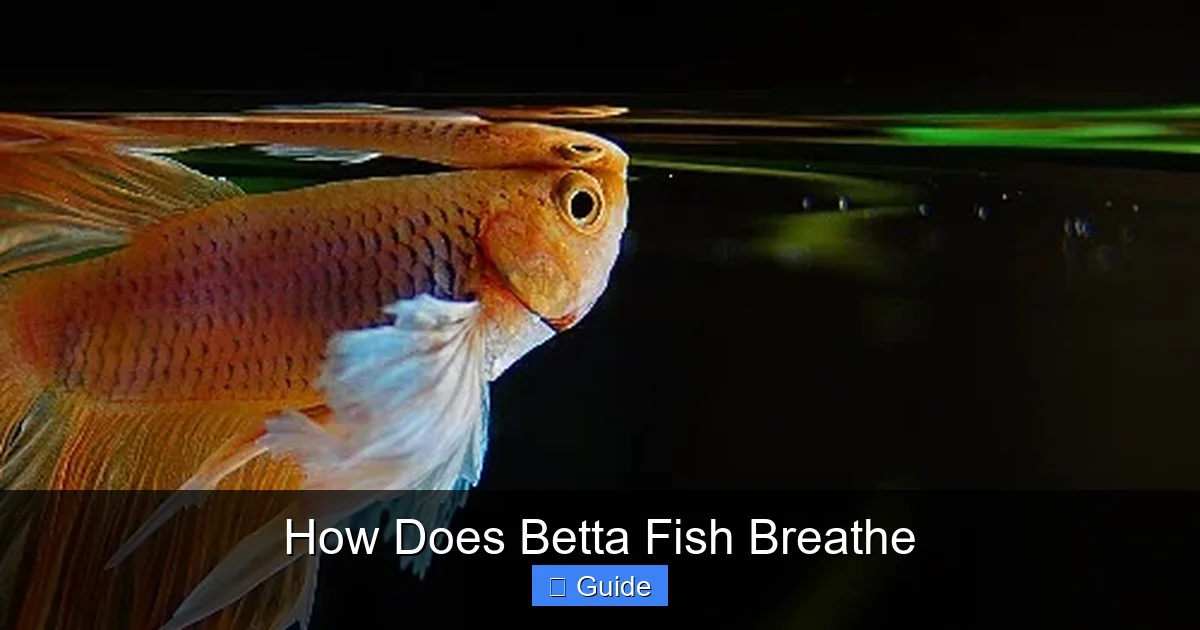
The defining feature of betta fish (and their relatives in the Anabantoidei suborder, like gouramis and paradise fish) is the labyrinth organ. This is a complex, folded structure of bony plates and vascularized tissue located in a chamber just above the gills. It’s not a lung in the mammalian sense, but it functions similarly. As a betta matures (around 3-4 months old), this organ fully develops, transforming from a simple vascularized area into the intricate, maze-like structure that gives it its name.
Visual guide about How Does Betta Fish Breathe
Image source: japanesefightingfish.org
How the Labyrinth Organ Works: A Step-by-Step Guide
The process is elegant in its simplicity:
- Atmospheric Air Ingestion: The betta swims to the surface and takes a small gulp of air into its mouth.
- Passage to the Labyrinth: The fish closes its mouth and uses a special valve to direct the air bubble from the esophagus into the first chamber of the labyrinth organ.
- Oxygen Extraction: The air bubble passes through the highly folded, blood-rich labyrinth tissue. Oxygen diffuses from the air bubble directly into the bloodstream due to the concentration gradient (high oxygen in the bubble, low in the blood).
- CO2 Expulsion: Carbon dioxide from the blood diffuses back into the air bubble.
- Expulsion: The now-depleted air bubble, now high in CO2, is expelled from the labyrinth through a separate opening, often seen as a small bubble released from the gill area.
This entire cycle can take just a few seconds. A healthy adult betta will typically surface for air every 30 seconds to a few minutes, depending on water temperature, oxygen levels, and activity. This ability to use atmospheric oxygen is what allows them to survive in conditions that would suffocate most other fish.
Water vs. Air: The Delicate Balance of a Betta’s Environment
Understanding the betta’s dual breathing system directly informs how we must set up their home. Their environment must support both methods of respiration efficiently. Poor water quality doesn’t just dirty the tank—it directly impairs gill function and forces the fish to rely more heavily on its labyrinth organ, which is a stress response.
Visual guide about How Does Betta Fish Breathe
Image source: japanesefightingfish.org
The Critical Role of Dissolved Oxygen (DO)
While bettas can breathe air, they still rely on their gills for a significant portion of their oxygen intake, especially when resting. Dissolved Oxygen (DO) in the water is crucial. Factors that destroy DO include:
- High Temperature: Warm water holds far less oxygen. Bettas are tropical fish (ideal 78-80°F / 25.5-26.5°C), but temperatures above 82°F can dangerously lower DO levels.
- Stagnant Water: No surface movement means no gas exchange.
- High Organic Load: Decaying food, plant matter, and fish waste consume oxygen as they break down (biological oxygen demand).
- Overcrowding: More fish respire, consuming more oxygen and producing more waste.
Practical Tip: A gentle water flow from a filter is your best tool. It agitates the surface, promoting oxygen exchange from the air into the water, and helps circulate oxygenated water throughout the tank. Ensure the flow is calm—betta fins are long and delicate, and strong currents cause stress and exhaustion.
The Surface: A Critical, Often Overlooked Space
The water’s surface is not just a boundary; it’s a vital respiratory zone for your betta. Several factors can make this zone inaccessible or dangerous:
- Surface Film/Oil: A greasy film from decaying organics, poor-quality food, or even certain medications can create a physical barrier, making it difficult or impossible for the betta to break through and gulp air. This is a common cause of suffocation.
- Heavy Plant Cover: While live plants are excellent, a dense thicket of floating plants (like duckweed) can completely cover the surface, trapping the betta from reaching the air. You must maintain a clear, accessible opening.
- Lack of a Secure Lid: Bettas are notorious jumpers. They often leap towards the surface when gulping air. An uncovered tank is an escape risk. A lid with ventilation holes is a safety essential.
Practical Example: If you use a sponge filter, position it so the rising bubbles create gentle surface agitation but do not blast the betta. If you have a hang-on-back filter, adjust its flow to be minimal and use a pre-filter sponge to soften the output.
Debunking the “Bowl” Myth: Why Small, Unfiltered Containers Are Deadly
The image of a betta in a small, decorative vase or bowl is iconic and tragic. This setup violates every principle of proper respiratory care. Let’s break down why:
The Oxygen Problem in a Small Volume
A small bowl has a minimal surface area relative to its water volume. This severely limits the amount of oxygen that can diffuse from the air into the water. Without a filter or any surface movement, the oxygen in that small volume is rapidly consumed by the fish and any bacterial processes. The betta is forced to gulp air constantly, which is a sign of stress. Furthermore, the lack of filtration means ammonia from waste builds up instantly, poisoning the fish and damaging its gills, further compromising its ability to extract oxygen from the water.
The Temperature and Toxin Problem
Small bowls are incredibly unstable thermally. They heat and cool rapidly with room temperature changes, often exceeding safe ranges for bettas. As temperature rises, DO plummets. The same small volume also means toxins like ammonia and nitrite reach lethal concentrations in a matter of hours, not days. A stressed fish with impaired gills breathing toxic water is a fish on a fast track to disease and death.
The Bottom Line: The “bowl” is not a quaint, natural habitat. It’s a suffocation chamber. The absolute minimum tank size for a betta is 5 gallons (19 liters), with 10 gallons (38 liters) being the strongly recommended standard for stability, space, and proper biological filtration.
Recognizing Breathing Distress: Signs Your Betta Is Struggling
Your betta’s breathing is a direct window into its health. Changes in this behavior are often the first—and sometimes only—early warning sign of a problem. You must know what to look for.
Normal vs. Abnormal Surface Breathing
Normal: A calm, deliberate gulp of air every 30-60 seconds, often followed by a slow descent or hovering. The fish may surface more frequently after eating (digestion increases oxygen demand) or in slightly warmer water.
Abnormal/Distress Signs:
- Frantic, Constant Gulping: The fish darts to the surface repeatedly, almost panicking. This indicates severe oxygen deprivation in the water, forcing 100% reliance on the labyrinth organ.
- Lethargy at the Surface: The betta floats motionless or weakly at the top, gasping, unable or unwilling to swim down. This is a critical emergency sign.
- Labored Operculum Movement: The gill covers are beating rapidly and visibly, even when the fish is resting. This shows the gills are working overtime to compensate for poor water oxygen or damage.
- Gasping with Mouth Open: Holding the mouth open while at the surface is a sign of extreme respiratory distress.
Immediate Action Plan for Distress:
1. Test Water: Immediately check ammonia, nitrite, nitrate, and temperature. Perform a 25-50% water change with temperature-matched, dechlorinated water.
2. Increase Surface Agitation: Temporarily add an air stone (on low setting) or adjust your filter to create more surface movement.
3. Check Temperature: Ensure it’s in the 78-80°F range. Lower temperatures reduce metabolic oxygen demand.
4. Remove Barriers: Clear any surface film or floating plants blocking access.
5. Seek Help: If distress continues after a water change, consult a knowledgeable aquarist or veterinarian, as internal disease (like swim bladder disorder affecting buoyancy or gill flukes) could be the cause.
Practical Care Guide: Optimizing Your Betta’s Breathing Environment
Now that we understand the “how” and “why,” let’s build a checklist for the perfect breathing environment.
Tank Setup Non-Negotiables
- Tank Size: Minimum 5 gallons, 10+ gallons preferred.
- Filtration: A gentle, adjustable filter is mandatory. Sponge filters are excellent for bettas. The goal is a cycle of clean water and gentle surface agitation.
- Heater & Thermometer: A reliable heater with a separate thermometer to maintain 78-80°F. Stability is key.
- Secure Lid: A tight-fitting lid with ventilation holes. Betta jumps are explosive and can be fatal.
- Open Surface Area: Ensure at least 50% of the water surface is open and free of dense plant cover or film.
Maintenance Routine for Respiratory Health
- Weekly Water Changes: 25-50% of the water volume, using a gravel vacuum to remove solid waste from the substrate. This removes nitrates and decomposing organics that consume oxygen.
- Filter Maintenance: Rinse filter media in *old tank water* (never tap water, which kills beneficial bacteria) once a month or as needed. Never replace all media at once.
- Monitor Feeding: Overfeeding is the #1 cause of poor water quality. Feed 2-3 high-quality pellets once daily, only what they can eat in 2-3 minutes. Remove uneaten food.
- Surface Skimming: If you notice a persistent film, use a paper towel to gently skim the surface before a water change.
Remember: Your betta’s frantic gasping is never “just how they are.” It is always a cry for help regarding water quality, oxygen levels, or temperature. Respond immediately.
Conclusion: Breathing Easy with Your Betta
The betta fish’s ability to breathe air is a staggering evolutionary gift, a survival tool honed in the oxygen-poor waters of Thailand. It is the source of their resilience and the key to their captive care. This isn’t a license for neglect—it’s a roadmap for proper husbandry. By providing a spacious, filtered, heated tank with a secure lid and a clean, open water surface, you honor this incredible adaptation. You move beyond merely keeping a fish alive to creating an environment where it can truly thrive, displaying its vibrant colors and fascinating behaviors without the constant stress of respiratory struggle. Your betta’s rhythmic, calm gulp at the surface is the ultimate sign of a job well done. It means you’ve built a home where it can breathe easy, and in turn, it will bring you years of quiet joy.
Frequently Asked Questions
Can a betta fish drown?
Yes, a betta can effectively drown if it cannot access the water’s surface to gulp air. This can happen if there is a thick surface film, dense floating plants blocking the area, or if the fish is physically prevented from surfacing (e.g., by a overly tight lid or tank decoration). Their labyrinth organ requires atmospheric air, so being denied access is fatal.
Do betta fish need an air pump?
No, a dedicated air pump and air stone are not strictly necessary if you have a gentle filter that creates some surface agitation. The primary purpose of an air pump is to increase gas exchange at the surface, which dissolves oxygen into the water. A filter’s outflow typically accomplishes this. However, if your filter is very quiet and creates no surface movement, a small, gentle air stone can be a beneficial supplement to boost oxygen levels.
Why is my betta fish gulping air so much?
>Constant, frantic gulping is a major red flag indicating poor water quality, low dissolved oxygen, or incorrect temperature. First, test your water for ammonia, nitrite, and nitrate. Perform a partial water change. Check that your heater is maintaining 78-80°F and that your filter is running and creating gentle surface movement. Ensure the surface is clear of film and plants.
At what age do betta fish develop their labyrinth organ?
The labyrinth organ begins developing shortly after hatching but is not fully functional until the betta is approximately 3 to 4 months old. This is why very young betta fry (babies) are kept in very shallow, warm water with exceptional water quality and often require supplemental oxygen, as they rely entirely on their gills until the labyrinth matures.
Can I use a bubble wall or strong filter for my betta?
No. Bettas have long, flowing fins and are naturally weak swimmers. Strong currents from bubble walls, powerheads, or powerful filters cause them significant stress, exhaust them, and can damage their fins. The water flow must be gentle enough that the betta can swim effortlessly against it. A sponge filter or a hang-on-back filter with a flow diffuser is ideal.
Is it normal for a betta to rest at the bottom?
Yes, it is perfectly normal for a betta to rest on a plant leaf, a hammock, or the substrate between bouts of activity. However, if a betta is consistently lethargic, lying on its side at the bottom, and not surfacing for air regularly, this indicates illness (such as swim bladder disorder, dropsy, or severe infection) or extremely poor water conditions. Observe for other symptoms like clamped fins, loss of appetite, or visible spots/lesions.