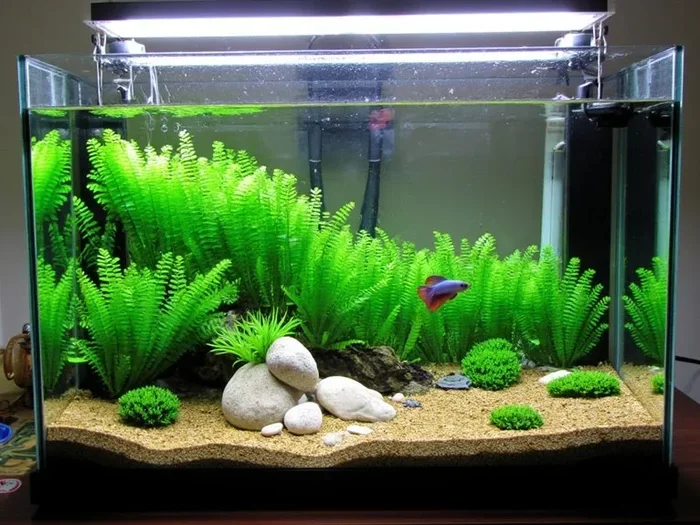
How Do You Take Care of a Male Betta Fish

Taking care of a male betta fish requires the right tank setup, clean water, proper feeding, and regular health monitoring. Male bettas are vibrant, territorial fish that thrive in warm, filtered environments with plenty of space. This guide covers everything you need to know to keep your male betta happy and healthy for years to come.
Taking care of a male betta fish is both rewarding and straightforward once you understand their basic needs. These stunning fish, with their flowing fins and vibrant colors, bring life to any aquarium. But they also have specific requirements that set them apart from other freshwater fish.
If you are new to betta care or looking to improve your current setup, this guide covers everything you need. From tank size and water parameters to feeding schedules and common health issues, we have you covered. Let us dive in and make sure your male betta thrives.
Key Takeaways
- Tank Size Matters: A minimum 5-gallon tank gives your male betta room to swim and stay healthy.
- Water Quality Is Critical: Keep the temperature between 76-82°F and cycle the tank regularly.
- Feeding Routine: Feed small amounts 1-2 times daily and avoid overfeeding at all costs.
- Male Bettas Are Territorial: Never house two male bettas together in the same tank.
- Health Monitoring: Watch for signs of illness like clamped fins, loss of color, or lethargy.
- Enrichment Helps: Add plants, caves, and gentle decorations to reduce stress.
📑 Table of Contents
Understanding Your Male Betta Fish
Before you set up a tank, it helps to understand what makes male bettas unique. Male bettas are known for their long, flowing fins and brilliant color patterns. They are also naturally territorial, which directly impacts how you care for them.
In the wild, male bettas live in shallow rice paddies and slow-moving streams in Southeast Asia. They build bubble nests and guard their eggs fiercely. This territorial nature means they need space and the right environment to feel safe.
Understanding their natural behavior helps you create a habitat that mimics their home. A well-planned tank reduces stress and promotes a longer, healthier life. For more on general betta care basics, check out our guide on how to take care of a male betta fish.
How Long Do Male Betta Fish Live?
With proper care, a male betta fish can live between 3 and 5 years. Some owners report their bettas living even longer, sometimes up to 7 years. The key factors that influence lifespan include water quality, diet, tank size, and stress levels.
A stressed betta fish will get sick more often and show signs of aging faster. Keeping the environment stable and clean is one of the best things you can do. If you want to learn more about recognizing warning signs, read our article on how do you know a betta fish is dying.
Setting Up the Perfect Tank
The foundation of good betta care starts with the right tank. Many people mistakenly keep bettas in tiny bowls, but this is harmful. Male bettas need adequate space to swim, explore, and stay active.
A minimum tank size of 5 gallons is recommended for a single male betta. Larger tanks, such as 10 gallons, give you more room for decoration and stable water parameters. Bigger water volumes dilute toxins more effectively, making maintenance easier.
Essential Tank Equipment
Here is a list of the essential equipment you will need for your male betta tank:
- Heater: Betta fish are tropical and need warm water. A small adjustable heater keeps the temperature steady.
- Filter: A gentle sponge filter works best. Strong currents stress bettas, so avoid power filters with heavy output.
- Thermometer: You need to monitor the water temperature daily to keep it in the ideal range.
- Substrate: Soft gravel or sand works well. Avoid sharp substrates that can damage delicate fins.
- Decorations: Live or silk plants provide hiding spots and reduce stress. Avoid rough plastic plants that can tear fins.
Proper tank setup also includes cycling the tank before adding your fish. Cycling builds beneficial bacteria that break down harmful ammonia. For more on tank sizing, see our guide on how big of a tank do betta fish need.
Water Quality and Temperature
Water quality is the single most important factor in male betta health. Poor water leads to disease, stress, and a shortened lifespan. Keeping the water clean and stable should be your top priority.
Betta fish prefer warm water between 76 and 82 degrees Fahrenheit. Sudden temperature drops or spikes can shock your fish and cause serious health problems. A reliable heater and thermometer make this much easier to manage.
Water Parameters to Monitor
Here are the key water parameters you should test regularly:
- pH Level: Aim for a pH between 6.5 and 7.5. Stable pH is more important than hitting a perfect number.
- Ammonia: Should always read 0 ppm. Even small amounts of ammonia are toxic to bettas.
- Nitrite: Also should be 0 ppm. Nitrite damages the gills and weakens the immune system.
- Nitrate: Keep below 20 ppm. Regular water changes are the best way to control nitrate levels.
Performing partial water changes every week is essential. Replace about 25% of the tank water with dechlorinated water at the same temperature. This removes waste buildup and refreshes the environment. For a deeper dive into water care, visit our betta fish water care guide.
Common Water Mistakes
Many betta owners make avoidable water mistakes. Using tap water without a conditioner introduces chlorine and chloramine, which are harmful to fish. Skipping water changes allows toxins to build up quickly. And using cold water from the tap can shock a tropical fish instantly.
Always use a water conditioner before adding new water to the tank. Test your water parameters at least once a week. Consistency is the secret to a healthy betta environment.
Feeding Your Male Betta Fish
Feeding is one of the most enjoyable parts of betta ownership, but it is also where many owners go wrong. Overfeeding is extremely common and can lead to serious health problems like bloating, constipation, and poor water quality.
Male bettas are carnivorous by nature. They thrive on a diet rich in protein. In the wild, they eat insects, larvae, and small crustaceans. Replicating this diet in captivity keeps them healthy and vibrant.
Best Foods for Male Betta Fish
Here are the best food options for your male betta:
- High-Quality Betta Pellets: These are formulated specifically for bettas and provide balanced nutrition. Look for pellets with a high protein content (over 30%).
- Frozen or Live Bloodworms: A great treat that mimics natural prey. Feed sparingly, as they are high in fat.
- Brine Shrimp: Another excellent treat that boosts energy and color. Available frozen or live.
- Daphnia: A natural digestive aid that also provides essential nutrients.
Feed your betta 2 to 3 pellets twice a day, or follow the portion guidelines on your chosen food. Remove any uneaten food after 5 minutes to keep the water clean. For a detailed feeding schedule, check out our article on how often do you feed a betta fish.
Signs of Overfeeding
Watch for these signs that you are feeding too much:
- Uneaten food sinking to the bottom of the tank
- Your betta becoming lethargic after meals
- Cloudy water developing quickly after feeding
- A swollen or bloated belly
If you notice any of these signs, reduce the portion size and increase the frequency of water changes. A healthy feeding routine keeps your betta active and your water clean.
Male Betta Behavior and Tank Mates
Understanding male betta behavior helps you create a harmonious tank environment. Male bettas are called “Siamese fighting fish” for a reason. They will flare their gills and fight other males aggressively.
Never house two male bettas in the same tank. Even a mirror can cause stress if left in place too long. Male bettas will fight to the death if given the chance, so always keep them separated.
Can Male Bettas Live With Other Fish?
The short answer is yes, but with caution. Male bettas can sometimes live with certain peaceful community fish in a well-planted tank. Good tank mates include:
- Corydoras catfish
- Neon tetras (in larger tanks)
- Snails like nerite snails
- Kuhli loaches
Always monitor your betta when introducing new tank mates. Some bettas prefer to live alone, and that is perfectly fine too. For more on this topic, read our guide on can you keep a male betta with other fish.
Male Betta Flaring
Flaring is when a male betta spreads his gills and fins to look larger. It is a natural behavior used to defend territory or display to females. Occasional flaring is normal, but constant flaring causes stress and exhaustion.
To reduce unnecessary flaring, avoid placing the tank near windows with visible reflections or near other fish tanks. Give your betta plenty of plants and decorations to break up sightlines. A calm environment keeps your betta relaxed and healthy.
Common Health Issues and How to Prevent Them
Even with the best care, male bettas can sometimes get sick. Knowing the early signs of common illness helps you act quickly and save your fish.
Most betta health problems come from poor water quality, stress, or improper diet. Prevention is always easier than treatment. Keep the tank clean, maintain stable parameters, and feed a balanced diet to minimize health risks.
Signs Your Betta Fish May Be Sick
Watch for these warning signs that something is wrong:
- Clamped fins: Fins held close to the body instead of spread out.
- Loss of color: Fading or dullness in the body and fins.
- Lethargy: Spending most of the time at the bottom or not moving.
- White spots: A sign of ich, a common parasitic infection.
- Bulging eyes: Could indicate dropsy or a bacterial infection.
- Rapid breathing: Often a sign of poor water quality or oxygen deprivation.
If you notice any of these symptoms, test your water parameters first. In many cases, a water change and slight temperature adjustment resolve the issue. For stubborn cases, consult a fish veterinarian or experienced aquarist. For more on identifying illness, check out our how do you know a betta fish is dying article.
Prevention Tips
Here are simple steps to keep your male betta healthy and strong:
- Perform weekly partial water changes (25% minimum).
- Test water parameters at least once a week.
- Feed a varied diet in appropriate portions.
- Keep the tank in a quiet area away from drafts and direct sunlight.
- Quarantine new fish or plants before adding them to the main tank.
- Avoid sudden changes in lighting or temperature.
A proactive approach to health saves you time, money, and most importantly, your fish from unnecessary suffering.
Enrichment and Tank Setup Tips
A bare tank is not just boring for your betta, it can also cause stress. Bettas are curious fish that enjoy exploring their environment. Adding enrichment makes a big difference in their overall well-being.
Live plants are one of the best additions to a male betta tank. They provide natural hiding spots, improve water quality, and create a more natural feel. Java fern, anubias, and amazon sword plants are all excellent choices that thrive in betta-friendly conditions.
Decorations and Hideouts
Add caves, driftwood, and smooth rocks to give your betta places to explore and rest. Betta fish love to rest on broad leaves or inside small caves. Make sure all decorations have smooth edges to protect those long, delicate fins.
Avoid sharp plastic decorations and rough gravel. Silk plants are a safer alternative to plastic if you prefer artificial options. A well-decorated tank also gives your male betta a sense of security, which reduces stress and promotes natural behavior.
Conclusion
Caring for a male betta fish is a fulfilling experience that starts with understanding their unique needs. From setting up the right tank and maintaining clean water to feeding a proper diet and monitoring their health, every detail matters. A well-cared-for betta can bring you years of joy with their stunning colors and charming personalities.
Remember that consistency is key. Small, regular maintenance routines make a bigger difference than occasional deep cleanings. Pay attention to your fish, learn their behavior, and adjust their environment as needed. With the tips in this guide, you are well on your way to providing a happy, healthy home for your male betta.
Whether you are a first-time betta owner or an experienced hobbyist, there is always room to improve. Start with the basics, stay patient, and enjoy the journey of caring for one of the most beautiful freshwater fish in the world.
Frequently Asked Questions
What size tank does a male betta fish need?
A male betta fish needs at least a 5-gallon tank. A 10-gallon tank is even better because it provides more swimming space and helps maintain stable water parameters. Avoid keeping bettas in bowls or tanks smaller than 5 gallons.
How often should I feed my male betta fish?
Feed your male betta 2 times a day with small portions. 2 to 3 pellets per feeding is usually enough. Remove any uneaten food after 5 minutes to prevent water contamination and overfeeding.
Can male betta fish live alone?
Yes, male betta fish do best when kept alone. They are territorial and will fight other males. A single male betta in a well-planted 5-gallon tank is a happy and healthy setup.
What is the ideal water temperature for a male betta fish?
The ideal water temperature for a male betta fish is between 76 and 82 degrees Fahrenheit. Use a reliable heater and thermometer to keep the temperature stable and avoid sudden fluctuations.
How can I tell if my male betta fish is stressed?
Signs of stress include clamped fins, loss of color, lethargy, frequent hiding, and loss of appetite. Stress is often caused by poor water quality, incorrect temperature, or aggressive tank mates. Address the root cause quickly to help your betta recover.
Do male betta fish need a filter in their tank?
Yes, a gentle sponge filter is recommended for male betta tanks. Betta fish need clean water to stay healthy, and a filter helps remove waste and toxins. Just make sure the filter does not create a strong current, as bettas prefer calm water.