How to Set Up Tank for Betta Koi Fish
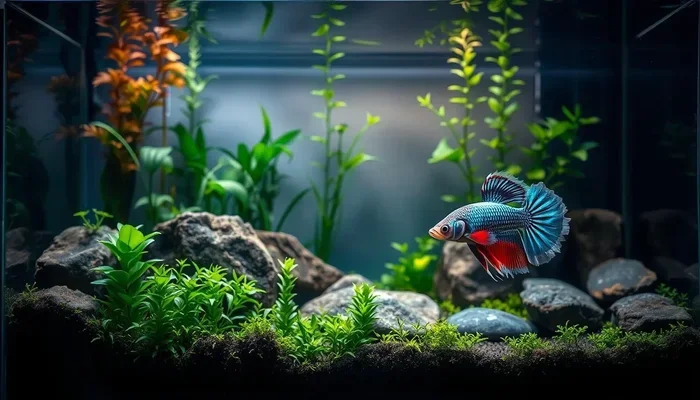
Setting up a tank for betta koi fish requires the right tank size, clean water, proper heating, and thoughtful decorations. This guide walks you through every step so your koi betta stays healthy and vibrant. You will learn about tank cycling, water preparation, ideal parameters, and essential equipment for a beautiful koi betta aquarium setup.
Setting up a tank for betta koi fish is one of the most rewarding things you can do as a fish keeper. Koi bettas are stunning fish with vibrant colors and flowing fins that make any aquarium look incredible. But to keep them healthy and happy, you need to create the right environment from day one.
Many beginners make the mistake of tossing their koi betta into a tiny bowl or an unprepared tank. This leads to stress, illness, and a shortened lifespan. The good news is that with the right knowledge, setting up a koi betta aquarium is simple and affordable. In this guide, we will walk you through every step of the process.
By the end of this article, you will know exactly how to choose the right tank, prepare the water, cycle the tank, add decorations, and maintain a healthy environment for your betta koi fish. Let us get started.
Key Takeaways
- Tank Size Matters: A koi betta needs at least a 5-gallon tank, but bigger is always better for comfort and stability.
- Cycling Is Essential: A fully cycled tank removes harmful toxins and keeps your koi betta safe from ammonia and nitrite spikes.
- Water Parameters Count: Keep the temperature between 76-82°F and maintain a pH of 6.5-7.5 for optimal koi betta health.
- Decorations Provide Comfort: Plants, caves, and open swimming space help your koi betta feel secure and display its best colors.
- Regular Maintenance Prevents Problems: Weekly water changes and filter cleaning keep the tank environment stable and clean.
- Quarantine New Fish: Always isolate new additions before introducing them to your koi betta tank to prevent disease spread.
📑 Table of Contents
- Choosing the Right Tank for Your Koi Betta
- Essential Equipment for a Koi Betta Tank
- Cycling the Tank Before Adding Your Koi Betta
- Preparing and Adding Water to the Tank
- Decorating the Koi Betta Tank
- Maintaining Your Koi Betta Tank
- Adding Your Koi Betta to the New Tank
- Final Thoughts on Setting Up a Tank for Betta Koi Fish
Choosing the Right Tank for Your Koi Betta
The first step in any koi betta tank setup is picking the right tank size. A common myth says bettas thrive in tiny cups or bowls. This is completely false. Bettas need space to swim and explore, and a larger tank makes water maintenance much easier.
Minimum Tank Size for Koi Bettas
A 5-gallon tank is the absolute minimum for a single koi betta. However, a 10-gallon tank is even better because it provides more stable water parameters. Larger tanks are less prone to sudden changes in temperature and chemistry, which means less work for you and a happier fish.
Here is a quick comparison of tank sizes and their benefits:
- 2.5 gallons: Too small for long-term koi betta health. Not recommended.
- 5 gallons: The minimum acceptable size. Good for beginners but requires frequent maintenance.
- 10 gallons: The sweet spot for most koi betta setups. Stable and easy to manage.
- 20 gallons or larger: Ideal for advanced setups. Allows for more decorations and tank mates.
When choosing a tank, also consider the shape. Koi bettas are top swimmers, so a tank that is wider and longer is better than a tall, narrow one. This gives them more surface area to access air and more horizontal swimming space.
Essential Equipment for a Koi Betta Tank
Before you add your koi betta to the tank, you need the right equipment. Each piece plays an important role in keeping the water clean and the environment stable.
Filter
A gentle filter is a must for any betta koi fish tank. Bettas do not like strong currents, so choose a filter with adjustable flow or use a sponge filter. The filter removes harmful waste and keeps the water clear. It also houses beneficial bacteria that break down toxins.
Heater
Koi bettas are tropical fish, which means they need warm water. A submersible heater set between 76 and 82 degrees Fahrenheit is ideal. How to keep water warm for betta fish is a common concern, and a reliable heater solves this problem completely. Use a heater with a thermostat so it maintains a consistent temperature without constant monitoring.
Thermometer
A simple aquarium thermometer helps you track the water temperature daily. Temperature swings can stress your koi betta and weaken its immune system. Place the thermometer near the heater for the most accurate reading.
Lighting
Standard LED aquarium lights work well for a koi betta tank. Lighting helps you see your fish and supports any live plants you add. Keep the lights on for 8 to 10 hours per day. Too much light encourages algae growth, while too little can stress your fish.
Cycling the Tank Before Adding Your Koi Betta
Cycling your tank is the single most important step in the koi betta aquarium setup process. Cycling means building up beneficial bacteria that convert toxic ammonia into less harmful nitrate. Skipping this step is the number one cause of new fish deaths.
What Is the Nitrogen Cycle?
The nitrogen cycle has three stages:
- Ammonia: Fish waste and uneaten food produce ammonia, which is toxic to fish.
- Nitrite: Beneficial bacteria convert ammonia into nitrite, which is also harmful.
- Nitrate: Another group of bacteria converts nitrite into nitrate, which is safe at low levels.
A fully cycled tank should show 0 ppm ammonia, 0 ppm nitrite, and less than 20 ppm nitrate. You can test for these using a liquid test kit, which is far more accurate than test strips.
How Long Does Cycling Take?
Cycling typically takes 4 to 6 weeks. You can speed up the process by adding a source of ammonia or using bacteria starter supplements. Never add your koi betta to an uncycled tank. The ammonia and nitrite spikes that occur during the cycling process can be fatal within hours.
If you want a detailed walkthrough of this process, check out our guide on how to cycle a fish tank for betta. It covers every step in detail.
Preparing and Adding Water to the Tank
Water quality is the foundation of a healthy tank for betta koi fish. Tap water contains chlorine and chloramine, which are harmful to fish. You must treat the water before adding it to your tank.
How to Treat Tap Water
Use a water conditioner or dechlorinator to neutralize harmful chemicals in tap water. Simply add the recommended dose to your bucket of tap water before pouring it into the tank. This is a quick step that makes a huge difference in your fish’s health.
For more specific guidance on treating water, visit our article on how to prepare water for a betta fish. It covers different water sources and treatment methods in depth.
Ideal Water Parameters for Koi Bettas
Keeping the water parameters within the right range is essential for your koi betta’s well-being:
- Temperature: 76 to 82 degrees Fahrenheit
- pH: 6.5 to 7.5
- Ammonia: 0 ppm
- Nitrite: 0 ppm
- Nitrate: Below 20 ppm
- Hardness (GH): 3 to 4 dGH
Test the water parameters at least once a week using a liquid test kit. Stable parameters are more important than perfect parameters. Sudden changes in water chemistry cause stress and can lead to illness.
Decorating the Koi Betta Tank
A well-decorated tank does more than look beautiful. It provides your koi betta with hiding spots, exploration opportunities, and a sense of security. Stress is one of the biggest killers of pet fish, and good decorations help reduce it.
Live Plants for Koi Bettas
Live plants are excellent for a koi betta tank. They absorb nitrates, produce oxygen, and create a natural environment. Some great plant options include:
- Java Fern: Easy to care for and thrives in low light.
- Anubias: Hardy and grows slowly, so it does not need much maintenance.
- Amazon Sword: Provides good coverage and looks stunning in larger tanks.
- Betta Bulb: Produces long, flowing leaves that bettas love to rest on.
Avoid plants with sharp edges that could damage your koi betta’s delicate fins. Soft, broad-leaved plants are the best choice.
Driftwood and Caves
Driftwood and caves give your koi betta places to hide and explore. Betta fish are curious creatures, and they enjoy having territories to claim. A few smooth caves or pieces of driftwood can transform a plain tank into an engaging habitat.
Substrate Choices
You can use sand, gravel, or a planted substrate for the bottom of the tank. Sand is gentle on koi betta fins and looks natural. Gravel comes in many colors but make sure the pieces are small enough that food does not get trapped between them. A nutrient-rich planted substrate helps support live plants over the long term.
For more ideas on making your tank look amazing, read our guide on how to decorate your betta fish tank. It is packed with creative and practical tips.
Maintaining Your Koi Betta Tank
Setting up the tank is only the beginning. Regular maintenance keeps the environment stable and your koi betta healthy. A consistent routine prevents most common problems before they start.
Weekly Water Changes
Replace 25 to 30 percent of the tank water every week. This removes excess nitrates and keeps the water fresh. Use a gravel vacuum to clean the substrate while you change the water. This takes care of waste buildup without disturbing the beneficial bacteria in the filter.
Filter Maintenance
Rinse your filter media in old tank water once a month. Never use tap water, as the chlorine will kill the beneficial bacteria living in the filter media. Replace filter cartridges only when they fall apart, and always keep at least some of the old media when you do replace them.
Feeding Your Koi Betta
Feed your koi betta 2 to 3 small meals per day. Only give as much food as they can eat in 2 minutes. Overfeeding is one of the most common mistakes new fish keepers make. Excess food decays in the water and raises ammonia levels, which can quickly become dangerous.
For a complete care guide covering feeding, behavior, and health signs, check out our article on how to properly care for betta fish.
Common Problems and How to Avoid Them
Even with the best setup, problems can happen. Here are the most common issues and how to prevent them:
- Cloudy water: Usually caused by bacterial blooms during cycling or overfeeding. Reduce feeding and wait it out.
- Algae growth: Caused by too much light or excess nutrients. Reduce light to 8 hours per day and do regular water changes.
- Fin rot: A bacterial infection that causes fins to look ragged. Keep water clean and avoid sharp decorations.
- Stress stripes: Horizontal stripes on the body signal stress. Check water parameters and temperature stability.
Adding Your Koi Betta to the New Tank
Once your tank is fully set up, cycled, and the water parameters are stable, it is time to introduce your koi betta. The acclimation process is important because sudden changes in water temperature and chemistry can shock your fish.
Float the bag containing your koi betta in the tank for 15 to 20 minutes to equalize the temperature. Then, slowly add small amounts of tank water to the bag over the next 20 to 30 minutes. Finally, gently net the fish into the tank and discard the bag water. Never pour bag water into your tank, as it may contain contaminants from the store.
Observe your koi betta closely for the first few days. A healthy fish should be active, eating well, and displaying bright colors. If you notice any signs of lethargy or loss of appetite, test the water parameters immediately.
For detailed steps on transitioning your fish safely, read our article on how to transfer betta fish to a new tank.
Final Thoughts on Setting Up a Tank for Betta Koi Fish
Setting up a tank for betta koi fish is a journey that starts with choosing the right tank and ends with creating a thriving, beautiful aquatic environment. Every step matters, from cycling the tank to maintaining stable water parameters. When you put in the effort upfront, the rewards are incredible. A healthy koi betta in a well-maintained tank is a joy to watch every single day.
Remember that patience is your greatest tool. Do not rush the cycling process. Do not skip water changes. Do not overfeed your fish. Small, consistent actions lead to the best results. Your koi betta will thank you with vibrant colors, active behavior, and a long, happy life.
Take your time, enjoy the process, and soon you will have a stunning koi betta aquarium that you can be proud of. Happy fish keeping.
Frequently Asked Questions
What size tank do I need for a koi betta fish?
A 5-gallon tank is the minimum recommended size for a single koi betta. However, a 10-gallon tank provides more stability and room for your fish to swim. Larger tanks are always better for long-term health and easier maintenance.
How long should I cycle a koi betta tank before adding the fish?
You should cycle the tank for 4 to 6 weeks before adding your koi betta. This allows beneficial bacteria to establish and convert toxic ammonia and nitrite into safe nitrate. Adding fish to an uncycled tank is the fastest way to lose them.
Can koi bettas live with other fish?
Koi bettas are generally best kept alone due to their territorial nature. However, some peaceful community fish like corydoras or small tetras can work in a 10-gallon or larger tank. Always research any potential tank mates carefully before adding them.
What is the best water temperature for a koi betta?
The ideal water temperature for a koi betta is between 76 and 82 degrees Fahrenheit. Use a reliable heater and thermometer to maintain a stable temperature. Sudden temperature drops can stress your fish and lead to illness.
How often should I change the water in my koi betta tank?
Perform a 25 to 30 percent water change every week. This removes excess nitrates and keeps the water fresh and clean. Use a gravel vacuum during water changes to clean the substrate and remove debris.
Do koi bettas need a filter in their tank?
Yes, a filter is essential for a koi betta tank. It removes harmful waste and hosts beneficial bacteria that keep the water safe. Choose a gentle filter with adjustable flow, as bettas do not like strong currents. A sponge filter works great for most koi betta setups.