How Do You Know If Betta Fish Are Happy

Betta fish happiness shows up clearly through their vibrant colors, active swimming, and healthy appetite. When your betta is content, you’ll notice they explore their tank eagerly, build bubble nests, and respond enthusiastically during feeding time. Watching for these key betta fish happy signs helps you ensure your pet is thriving and living its best life in your care.
Key Takeaways
- Watch for active swimming: A happy betta moves freely and explores its tank regularly.
- Check vibrant colors: Bright, vivid colors signal a content and healthy betta fish.
- Look for a healthy appetite: Eating eagerly shows your betta feels safe and satisfied.
- Spot bubble nests: Building nests means your betta feels comfortable and stress-free in its home.
- Observe flowing fins: Relaxed, open fins indicate happiness, while clamped fins suggest stress.
- Notice curiosity and responsiveness: A happy betta reacts to you and investigates its surroundings.
- Maintain clean water: Consistent water quality is the foundation of a happy, thriving betta.
📑 Table of Contents
Signs Your Betta Fish Is Happy and Healthy
So you want to know how do you know if betta fish are happy? Great question! Your betta fish can’t exactly tell you with words, but they absolutely show their feelings through behavior, colors, and body language. Learning these signs is one of the most important parts of betta fish care.
A happy betta fish is an active, colorful, and curious creature. They explore their betta fish habitat, respond to you, and show energy throughout the day. On the flip side, a stressed or sick betta will often hide, lose color, or refuse food. The good news? Once you know what to look for, reading your betta’s mood becomes second nature.
Let’s break down the clearest betta fish behavior signs that tell you your fish is living their best life. These indicators cover everything from physical appearance to daily activity.
Bright and Vivid Colors
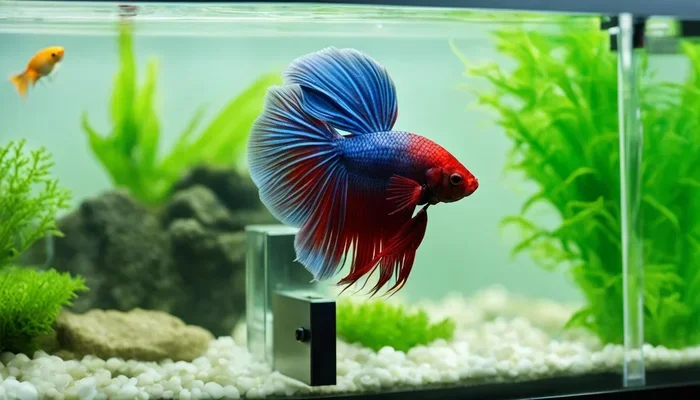
A happy betta shows off. When your fish displays betta fish colors that are rich, bold, and vibrant, that is a strong sign of contentment. Bettas naturally flare and showcase their full color palette when they feel safe and comfortable. If your betta looks dull or pale, something may be off.
Here is a quick color guide:
- Vivid blues and reds: Your betta feels confident and healthy.
- Slight color variation near fins: Normal and often tied to natural cycles.
- Faded or washed-out tones: Possible stress, illness, or poor water quality.
Color is one of the first betta fish health indicators experienced keepers watch. Keep a mental note of your betta’s typical shade so you can spot changes quickly.
Active Swimming and Exploration
A happy betta does not just sit in one spot all day. They swim around the tank with purpose, investigating corners, checking out decorations, and even following your hand near the glass. This kind of betta fish activity level shows mental stimulation and physical well-being.
Watch for these positive movement patterns:
- Swimming near the surface eagerly
- Exploring every corner of the tank
- Chasing food with enthusiasm
- Curving and twisting while swimming gracefully
If your betta spends most of the day hiding behind a rock or lying motionless at the bottom, it is time to investigate. Sometimes a betta fish tank setup needs tweaking to encourage more movement.
Open and Relaxed Fins
When a betta feels happy, their fins flow out naturally. Think of it like a relaxed posture. The fins spread wide and move gently with the water current. On the other hand, clamped fins pressed tightly against the body signal discomfort or illness. How to know if your betta fish is happy starts with paying close attention to fin position.
Clamped fins are one of the most common betta fish stress signs. They often accompany other warning behaviors like hiding and reduced appetite. If you catch this early, you can usually correct the problem by adjusting tank conditions.
How Tank Environment Affects Betta Happiness
Your betta’s tank is their entire world. A poorly designed habitat leads to an unhappy fish, plain and simple. To truly understand how do you know if betta fish are happy, you first need to make sure their living space checks all the boxes. The environment directly impacts behavior, color, appetite, and even lifespan.
Ideal Tank Size and Setup
Many people keep bettas in tiny bowls, but this limits their quality of life. A betta fish tank size of at least 5 gallons gives your fish room to swim, explore, and behave naturally. Larger tanks, around 10 gallons, work even better, especially if you plan to add gentle betta fish tank mates down the line.
Here is what a great betta tank includes:
- Heater maintaining water between 76°F and 82°F
- Filter for clean water without strong currents
- Plants, caves, and hiding spots for enrichment
- Soft substrate or smooth gravel at the bottom
- Moderate lighting on a regular schedule
A well-planned betta fish habitat mimics their natural environment in Southeast Asian rice paddies and slow-moving streams. This sense of familiarity makes a huge difference in how content your betta feels.
Water Quality and Temperature
Clean water is non-negotiable for betta fish well-being. Ammonia and nitrite levels should always be at zero, while nitrates stay below 20 ppm. Test your water weekly using a reliable kit. Are betta fish happy in a bowl? Usually not, because bowls lack filtration and proper temperature control.
Betta fish water temperature matters just as much as cleanliness. Cold water weakens their immune system and makes them sluggish. Use a reliable heater and thermometer combo. Stable conditions beat perfect-but-fluctuating conditions every single time.
| Water Parameter | Ideal Range | Why It Matters |
|---|---|---|
| Temperature | 76°F – 82°F | Supports metabolism and immune function |
| pH Level | 6.5 – 7.5 | Prevents stress and organ damage |
| Ammonia | 0 ppm | Toxic even in small amounts |
| Nitrate | Below 20 ppm | High levels cause long-term stress |
Enrichment and Decorations
Bettas are curious fish. They enjoy betta fish enrichment like floating logs, hammocks, silk plants, and even mirrors used occasionally for short play sessions. Adding variety keeps their mind active and prevents boredom. Just avoid sharp plastic decorations that can tear their delicate fins.
Driftwood and live or silk plants create natural hiding spots that make your betta feel secure. A stressed betta is an unhappy betta, and hiding constantly is one of the clearest betta fish behavior signs that something needs to change in the tank layout.
Feeding and Nutrition for a Happy Betta
Food is about more than survival. A proper diet directly affects how do you know if betta fish are happy. Well-fed bettas show brighter colors, more energy, and enthusiastic hunting behavior. Poor feeding habits lead to lethargy, faded color, and even disease.
What to Feed Your Betta
High-quality betta pellets should form the foundation of their diet. Look for pellets where fish meal is the first ingredient. Supplement with frozen or freeze-dried bloodworms, brine shrimp, and daphnia once or twice a week. These treats provide essential protein and add variety.
A balanced feeding schedule looks like this:
- Monday, Wednesday, Friday: High-quality pellets, 2-3 pellets per feeding
- Tuesday, Thursday: Fasting day to support digestion
- Saturday: Frozen bloodworms or brine shrimp as a treat
- Sunday: Fasting day
This routine mirrors how bettas eat in the wild, with periods of feeding and natural fasting. Overfeeding is one of the most common mistakes people make when trying to keep a happy betta fish. Skip the flakes whenever possible, as they offer less nutrition and often contain fillers.
Recognizing Hunger vs. Begging
Bettas do beg for food. They will swim to the surface and open their mouths when they see you. But that does not always mean they are truly hungry. It is their natural instinct to respond to movement near the tank. Stick to the scheduled feedings rather than giving in every time they beg.
A hungry betta may appear thinner than usual and show increased activity near feeding times. A well-fed betta maintains a rounded, healthy body shape. If you notice bloating after meals, cut portion sizes immediately. How often do you need to feed a betta fish depends on their age and activity level, but twice daily works for most adults.
Behavioral Cues That Show Betta Contentment
Beyond colors and swimming patterns, your betta communicates through specific behaviors. Understanding these betta fish body language cues gives you a deeper window into their emotional state. Let us look at the most telling behaviors.
Bubble Nest Building
Male bettas build betta fish bubble nest structures at the water surface when they feel safe and content. This involves blowing tiny bubbles and collecting them near a surface. It is a sign of maturity, confidence, and overall happiness. Do betta fish bubble nest mean they are happy? Absolutely, yes. Bubble nests show your male betta is comfortable enough to invest energy in reproduction behaviors.
Even if you have no plans to breed, a bubble nest is a great sign. It means your water conditions, temperature, and overall setup meet your betta’s standards. Not all happy male bettas build bubble nests, but when they do, celebrate it.
Flaring and Display Behavior
Flaring is when a betta spreads its gills and fins wide, often in response to another fish, a mirror, or even its own reflection. In moderation, flaring shows confidence and natural behavior. It is essentially your betta saying, “I am comfortable showing off.”
However, frequent, prolonged flaring can indicate stress, especially if directed at a tank mate or constant reflection. Use mirrors sparingly for short 2-3 minute play sessions. This provides betta fish enrichment without causing lasting stress.
Following and Interaction
Does your betta follow your finger around the glass or swim toward you when you approach? That is a wonderful sign. Bettas that feel bonded to their owners often show recognition and curiosity. They may even anticipate feeding time based on your routine. Do betta fish know their owner? Research suggests they can recognize familiar faces and patterns, which strengthens this bond.
Other positive interaction signs include:
- Swimming to the front of the tank when you walk by
- Following your finger or hand along the glass
- Gently flaring in a playful, non-aggressive way
- Remaining near the surface where you typically feed
Common Mistakes That Make Betta Fish Unhappy
Now that you know the signs of a happy betta, let us talk about the opposite. What causes unhappiness in captive bettas? Avoiding these mistakes is just as important as providing positive care.
Keeping Bettas in Small Bowls
This is the number one mistake. Bowls lack filtration, heating, and swimming space. Are betta fish happy in a small bowl? Rarely. A bowl setup limits their natural behavior and makes it nearly impossible to maintain stable water conditions. Upgrade to at least a 5-gallon tank and you will likely see immediate improvement in your betta’s mood and color.
Overcrowding and Aggressive Tank Mates
Bettas are territorial by nature. Housing them with aggressive fish or too many companions leads to constant stress. Fin-nipping species like tiger barbs or serpae tetras are a definite no. Even other bettas should never share the same tank unless carefully divided.
Better betta fish tank mates include:
- Neon tetras (in larger tanks)
- Corydoras catfish
- Snails like mystery or nerite varieties
- Ghost or amano shrimp
Always monitor interactions closely during the first few days after introducing any new companion. Remove anyone showing signs of aggression immediately.
Inconsistent Water Changes
Skipping regular maintenance leads to ammonia spikes and poor water quality. Perform 25-30% water changes weekly. Use a gravel vacuum to remove waste buildup from the substrate. Always treat new water with a water conditioner before adding it to the tank. How do you change betta fish water properly to avoid shocking your fish with sudden temperature or pH shifts.
Ignoring Signs of Illness
Many owners miss early warning signs. Clamped fins, loss of appetite, rapid breathing, and white spots all demand immediate attention. Catching illness early dramatically improves recovery chances. If you are ever unsure, compare symptoms against resources about how do you know if your betta fish is sick to identify problems faster.
How to Keep Your Betta Fish Happy Long-Term
Creating a happy environment is not a one-time task. It requires ongoing attention and small adjustments as your betta grows and their needs change. Here is a long-term strategy for maintaining betta fish well-being.
Establish a Daily Routine
Bettas thrive on consistency. Feed at the same times each day. Keep lighting on a regular schedule, roughly 10-12 hours of light per day. Avoid sudden loud noises or tapping on the glass. Predictable routines reduce stress and help your betta feel secure in their environment.
Monitor Health Weekly
Set aside time each week to observe your betta closely. Check for changes in color, fin condition, body shape, and behavior. Run water tests and perform scheduled maintenance. Keeping a simple log helps you track patterns and spot problems early. Think of it as routine betta fish care that protects your investment and your fish’s quality of life.
Provide Mental Stimulation
Rotate decorations occasionally to keep things fresh. Add a new plant or move a cave to a different spot. Introduce puzzle feeders or slow-release food toys for added challenge. These small changes keep your betta mentally sharp and engaged. How do you play with your betta fish? Simple activities like training tricks or using a mirror for short sessions work wonderfully.
Know When to Seek Help
Sometimes, despite your best efforts, your betta shows signs of distress. Persistent hiding, constant clamped fins, repeated loss of color, or refusal to eat for more than two days all warrant action. Research the symptoms, adjust water conditions, and consult a fish health specialist if needed. Knowing how do you know if betta fish are dying helps you act before it is too late. Quick responses save lives.
Quick Tips for a Happier Betta
- Keep water temperature stable with a reliable heater
- Feed high-quality food in small, scheduled portions
- Add plants and hiding spots for security
- Talk to your betta softly during feedings to build trust
- Avoid sudden light changes or loud vibrations near the tank
- Quarantine new fish before introducing them to your betta
- Clean the glass weekly so your betta can see through clearly
Key Takeaways
Understanding how do you know if betta fish are happy comes down to observing their colors, behavior, environment, and feeding habits. A happy betta displays bright colors, active swimming, open fins, and positive interaction with you. They build bubble nests, follow your finger, and show curiosity about their surroundings.
Your role as a betta owner is to provide a clean, warm, spacious tank with proper enrichment and consistent nutrition. Avoid common mistakes like small bowls, overfeeding, and aggressive tank mates. Stay alert to changes in behavior, because early detection of problems makes all the difference.
The bond between a betta and their owner is real. These fish recognize their caregivers, respond to routines, and express clear preferences. Give them the right conditions, and your betta will reward you with years of vibrant, active companionship. A well-cared-for betta can live 3-5 years or longer, and every single day matters. Start applying these tips today and watch your betta thrive.
Frequently Asked Questions
How Do You Know If Betta Fish Are Happy?
A happy betta fish shows bright, vibrant colors, active swimming, and a healthy appetite. They will explore their tank, build bubble nests, and respond to your presence. If your betta displays these behaviors consistently, it is a strong sign they are content and thriving in their environment.
What Behavior Signs Show a Betta Fish Is Happy?
Happy bettas swim gracefully around their tank, flare their fins playfully, and interact with decorations or plants. They will also come to the surface eagerly during feeding time and rest comfortably near their favorite spots. These positive behaviors indicate your fish feels safe and stimulated.
Can You Tell If a Betta Fish Is Stressed or Unhappy?
Yes, an unhappy betta will often hide frequently, lose its color, or show clamped fins close to its body. They may also stop eating, swim erratically, or stay at the bottom of the tank for long periods. These stress signals mean you should check water parameters and improve their living conditions right away.
Do Happy Betta Fish Build Bubble Nests?
Building bubble nests is one of the clearest signs a betta feels happy and secure in its habitat. Male bettas create these nests when they are in a comfortable environment with calm water flow. If you notice bubbles gathering near the surface, it means your fish is feeling great and ready to breed.
What Tank Setup Makes a Betta Fish Happy?
A happy betta needs a tank of at least 5 gallons with a heater, gentle filter, and plenty of plants or hiding spots. Clean water with stable temperature between 76°F and 82°F keeps them healthy and active. Adding soft substrate and gentle lighting also helps create a stress-free home that supports their natural behaviors.
How Often Should You Check Your Betta Fish’s Happiness?
You should observe your betta daily during feeding and light hours to notice any changes in behavior or appearance. Weekly water tests and partial water changes help maintain the quality of their environment. Regular observation allows you to catch early signs of stress or illness before they become serious problems.