Can We Keep Betta Fish Together

Betta fish are often called “solitary fighters,” but with the right tank, gender mix, and careful monitoring, some can live together peacefully. This article explains when bettas can share a home, how to set up the environment, and what signs to watch for to keep everyone safe.
Key Takeaways
- Male vs. female: Males are highly territorial; females can sometimes coexist if the tank is large enough.
- Tank size matters: A minimum of 10‑20 gallons per pair is recommended to provide enough visual barriers.
- Plants and décor: Live plants, caves, and vertical dividers reduce aggression by breaking line‑of‑sight.
- Observe behavior: Early signs of stress—flaring, chasing, or faded colors—mean it’s time to separate.
- Community options: Certain peaceful species (e.g., tiny shrimp or snails) can share a well‑planted tank.
- Water quality: Stable parameters (pH 6.5‑7.5, 76‑82 °F) are crucial for any multi‑betta setup.
- Backup plan: Always have a quarantine or spare tank ready for an aggressive fish.
📑 Table of Contents
Introduction: The Betta Reputation
When most people think of betta fish, they picture a lone, colorful warrior flashing its fins at anyone who dares to look. This image isn’t wrong—male bettas are famous for their aggression toward each other. But the story isn’t as simple as “always keep them alone.” Over the past decade, hobbyists have learned tricks that let multiple bettas share a home without constant fighting.
In this guide we’ll answer the big question: Can we keep betta fish together? We’ll break down the science behind their territorial nature, discuss which gender combos work, show you how to design a safe tank, and give you a checklist for spotting trouble early. By the end, you’ll know exactly when a community of bettas is a good idea and when a single‑fish setup is the safest route.
1. Understanding Betta Behavior
1.1 The “Siamese Fighting Fish” Legacy
Betta splendens earned the nickname “Siamese fighting fish” after being bred for aggressive contests in Thailand. Males grow large, flowing fins that make them look impressive—and intimidating. In the wild, they defend small rice‑paddy territories, so a cramped aquarium can quickly become a battlefield.

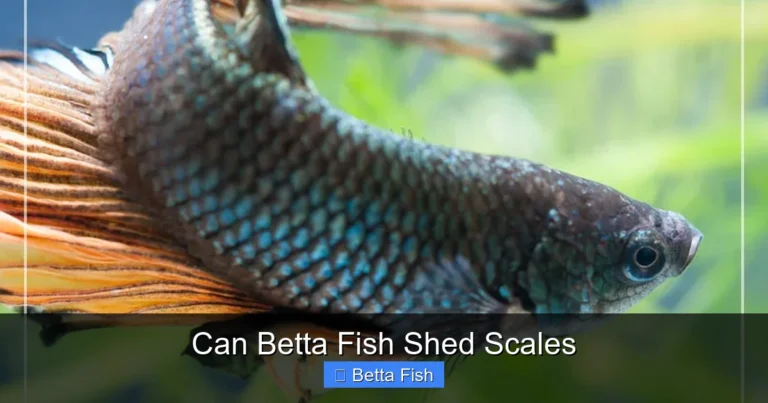
Visual guide about Can We Keep Betta Fish Together
Image source: publicdomainpictures.net
1.2 Natural Triggers of Aggression
- Visual contact: Direct line‑of‑sight with another male can trigger flaring.
- Space limitation: Not enough room to establish a personal zone.
- Poor water quality: Stress lowers tolerance and speeds up fights.
Knowing these triggers helps you design a tank that removes or reduces them. For example, adding vertical plants creates “blind spots,” so the fish can’t see each other constantly.
2. Which Betta Combinations Can Coexist?
2.1 Male‑and‑Male Pairings
Two males together is the most risky scenario. In most cases, they will fight to the death. However, a few hobbyists have succeeded with a “divided tank” that uses a solid glass or acrylic barrier, allowing each male its own water column while sharing filtration.

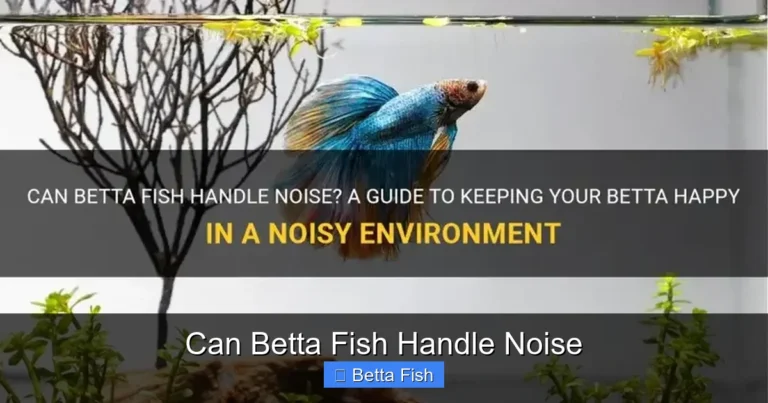
Visual guide about Can We Keep Betta Fish Together
Image source: i.ytimg.com
For more details on this approach, see our article on Can You Keep 2 Male Betta Fish Together.
2.2 Female‑and‑Female Groups
Female bettas, sometimes called “sorority bettas,” are less aggressive than males. In a well‑planted 20‑gallon tank, a group of 4‑6 females can often live peacefully. Still, you must watch for dominant “alpha” females that may bully weaker ones.
Read more about this in our guide Can You Keep Female Betta Fish Together.
2.3 Male‑and‑Female Pairings
A male and a female can share a tank if the male is not overly territorial and the tank is spacious (at least 15 gallons). The male may still display occasional flares, but with plenty of hiding spots, the female can escape if needed. Breeding setups often use this combo, but they require close monitoring.
Our detailed look at breeding pairs is here: Can You Keep A Male And Female Betta Fish Together.
2.4 Betta with Other Species
Betas can coexist with very peaceful, non‑fin‑nipping fish such as neon tetras, harlequin rasboras, or certain shrimp. Avoid fast‑moving or long‑finned species that may trigger a betta’s territorial instincts.
3. Designing the Ideal Multi‑Betta Tank
3.1 Size and Shape
More space equals less aggression. Aim for at least 10 gallons per betta, but 20 gallons is safer for a trio or sorority. Long, rectangular tanks provide more linear territory than tall, narrow ones.

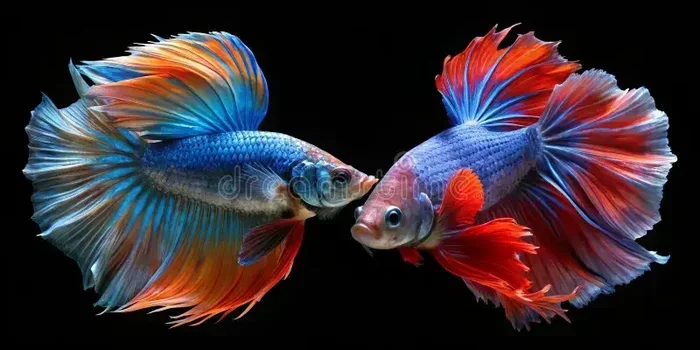
Visual guide about Can We Keep Betta Fish Together
Image source: whatispiping.com
3.2 Creating Visual Barriers
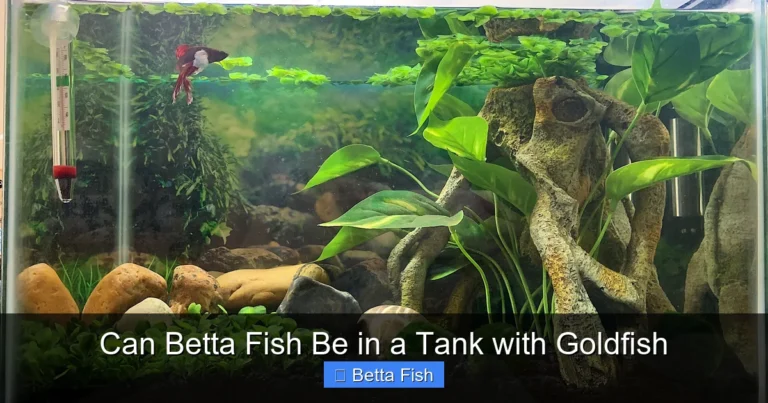
- Live plants: Java fern, Anubias, and Amazon swords grow tall and create natural walls.
- Ornaments: Ceramic caves, driftwood, and resin castles give hiding places.
- Backgrounds: Dark, textured backgrounds reduce reflections that can stress bettas.
3.3 Filtration and Water Flow
A gentle sponge filter or low‑flow hang‑on‑back unit keeps water clean without creating strong currents that stress bettas. Change 25 % of the water weekly to maintain stable parameters.
3.4 Lighting and Temperature
Betas prefer a consistent temperature of 78‑80 °F (25‑27 °C). Use a reliable heater and a timer for a 10‑hour light cycle to mimic natural daylight.
4. Spotting Trouble Early
4.1 Warning Signs
- Constant flaring or gill‑cover displays.
- Loss of color or faded fins.
- Chasing that ends in torn or ragged fins.
- Hiding all day, not eating.
4.2 Quick Intervention Steps
- Raise the tank temperature by 1‑2 °F to calm aggression.
- Add more plants or rearrange décor to break sight lines.
- If aggression persists, move the aggressor to a separate quarantine tank.
5. Practical Tips from Experienced Keepers
5.1 Start with a “Trial Period”
Introduce bettas side‑by‑side in a neutral container for 15‑30 minutes. If they ignore each other, they may cohabit; if they flare, keep them apart.
5.2 Use a “Sipper” Feeding Method
Feed multiple bettas from a slow‑drip feeder placed near each fish. This reduces competition and keeps the dominant fish from monopolizing food.
5.3 Keep a Backup Tank Ready
Even with perfect planning, aggression can flare unexpectedly. Having a spare 5‑gallon tank on standby lets you separate a bully quickly.
Conclusion: Can We Keep Betta Fish Together?
Yes—betta fish can share a home, but only under the right conditions. Male‑only groups are generally a no‑go unless you use a solid divider. Female sororities, male‑female pairs, and carefully selected community tanks can thrive when you give them enough space, plants, and visual barriers. Always monitor behavior closely and be ready to act fast if fights start.
By respecting their natural instincts and providing a rich, spacious environment, you’ll enjoy the dazzling colors and graceful fins of multiple bettas living happily together.
Frequently Asked Questions
Can two male bettas live together in the same tank?
Only with a solid divider that completely blocks visual contact. Without a barrier, they will usually fight aggressively.
Is it safe to keep a male and a female betta together?
Yes, if the tank is at least 15 gallons, has plenty of hiding spots, and you watch for the male’s occasional flares.
How many female bettas can I keep in one aquarium?
Four to six females can coexist in a 20‑gallon, heavily planted tank, provided you watch for any dominant bully.
Can bettas share a tank with guppies?
Guppies are fast swimmers and can stress bettas. It’s better to choose slower, bottom‑dwelling fish or shrimp for a peaceful community.
What are the best plants for a multi‑betta tank?
Java fern, Anubias, and Amazon sword are sturdy, grow tall, and create natural barriers that reduce line‑of‑sight aggression.
What should I do if my betta starts flaring nonstop?
Raise the temperature slightly, add more décor to break sight lines, and if the behavior continues, move the aggressive fish to a separate tank.