Is Screen Top Better Fish Tank
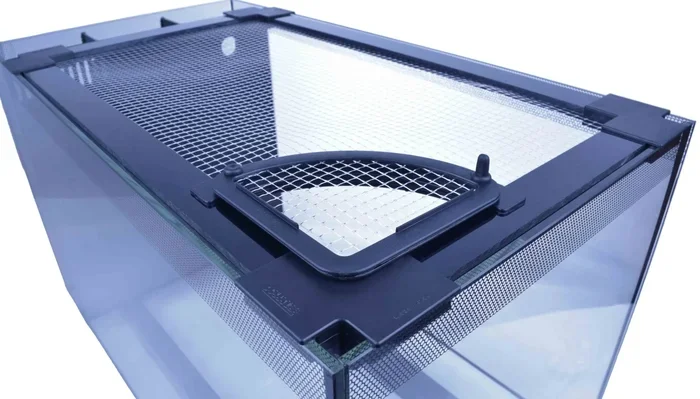
Is screen top better fish tank setup? A screen top offers excellent ventilation and prevents escapes, making it a popular choice for betta fish tanks. However, glass lids retain heat better and reduce evaporation. The best choice depends on your tank setup, climate, and the specific needs of your fish.
If you own a betta fish tank, you have probably wondered whether a screen top is the right choice for your aquarium. This is one of those small decisions that can make a big difference in your fish’s health and happiness. A screen top affects everything from airflow and heat retention to safety and ease of maintenance.
So, is screen top better fish tank setup? The short answer is: it depends. Screen tops offer great ventilation and escape prevention, but glass lids have their own advantages when it comes to heat retention. In this guide, we will walk through every reason to choose one over the other. By the end, you will know exactly what works best for your tank.
Before diving in, let us clarify what we mean by a screen top. A screen top is a cover made of mesh or perforated material that sits on top of your aquarium. It is different from a full glass or plastic lid. Many fish keepers prefer screen tops because they allow air to circulate freely. This is especially important for betta fish, who need clean, oxygen-rich water to thrive.
Key Takeaways
- Better airflow: Screen tops allow superior ventilation, which helps prevent stagnant air and excess heat in your aquarium.
- Escape prevention: A mesh or screen cover keeps your betta fish safe from jumping out of the tank.
- Heat management: Glass lids retain warmth better, but screen tops work well in warmer climates where overheating is a concern.
- Evaporation control: Glass lids reduce water loss, while screen tops may require more frequent water top-offs.
- Lighting compatibility: Many screen tops come with built-in light fixtures or can be paired with external lighting easily.
- Customization: Screen tops are lightweight, easy to cut, and adapt to various tank shapes and sizes.
- Best for bettas: A screen top combined with proper tank setup creates a healthy, comfortable environment for your betta fish.
📑 Table of Contents
- Why Ventilation Matters for Your Fish Tank
- Escape Prevention: Keeping Your Betta Safe
- Screen Top vs Glass Lid: A Head-to-Head Comparison
- How to Choose the Best Screen Top for Your Betta Tank
- Common Mistakes People Make With Screen Tops
- Expert Tips for Setting Up a Screen Top Betta Tank
- Final Thoughts: Is a Screen Top the Right Choice for You?
Why Ventilation Matters for Your Fish Tank
The Role of Airflow in a Betta Tank
Betta fish breathe atmospheric air in addition to extracting oxygen through their gills. This means the surface of your tank needs to exchange gases efficiently. A glass lid can trap moisture and reduce the oxygen exchange at the water surface. A screen top solves this problem by allowing constant airflow across the water.
When air moves freely over the tank surface, carbon dioxide escapes and fresh oxygen dissolves into the water. This process is called gas exchange. Without proper ventilation, your tank can develop low oxygen levels, which stresses your fish and promotes harmful bacteria growth.
Here are some key benefits of good ventilation:
- Improved oxygen levels at the water surface
- Reduced carbon dioxide buildup in the tank
- Better temperature regulation through air circulation
- Lower risk of mold and mildew on the tank lid
- Healthier betta fish with more natural breathing behavior
If you are choosing between a screen top and a glass lid, ventilation is one of the biggest advantages a screen top offers. This is why many experienced fish keepers recommend a screen cover for betta tanks, especially in warmer environments.
How Screen Tops Prevent Overheating
One major advantage of a screen top is its ability to prevent your tank from overheating. In warm climates or during summer months, a glass lid can trap heat inside the aquarium. This can raise the water temperature to dangerous levels for betta fish. A mesh screen allows heat to escape, keeping the tank at a safe and stable temperature.
If you live in a hot area or your room tends to get warm, a screen top is often the better choice. You can also pair it with a small fan pointed at the water surface for extra cooling. This setup works wonders for maintaining the best temperature for a betta fish tank, which should stay between 76 and 82 degrees Fahrenheit.
Escape Prevention: Keeping Your Betta Safe
Why Bettas Jump
Betta fish are known jumpers. In the wild, they often leap out of shallow puddles and streams. In a home aquarium, a curious betta may jump out of the tank, especially if the water quality is poor or the temperature is off. A screen top acts as a reliable barrier that keeps your fish safely inside the tank.
This is not just a theoretical concern. Many fish keepers have lost bettas to jumping accidents. A mesh cover or fine screen prevents this from happening while still allowing air and light to pass through. It is one of the simplest and most effective safety upgrades you can make to your tank.
Choosing the Right Mesh Size
Not all screen tops are created equal. The mesh size matters a lot. If the holes are too large, a determined betta might still find a way out. Look for screen tops with fine mesh, ideally smaller than a quarter inch. This ensures your fish stays safely contained while still allowing excellent airflow.
Some screen tops come with a foam or sponge backing. This adds an extra layer of protection and can also help filter debris from entering the tank. It is a small addition that makes a big difference in keeping your aquarium clean and your betta secure.
Screen Top vs Glass Lid: A Head-to-Head Comparison
Let us compare the two most popular tank cover options side by side. This table breaks down the key factors so you can make an informed decision.
Comparison Table
- Ventilation: Screen top wins. It allows free airflow, which supports gas exchange and prevents heat buildup.
- Heat retention: Glass lid wins. A solid cover keeps warmth inside, which is useful in cooler environments.
- Evaporation: Screen top loses here. More water evaporates through a mesh cover, so you will need to top off more often.
- Escape prevention: Both work well if properly fitted. A fine mesh screen top is slightly better for bettas.
- Lighting: Screen tops often come with built-in light strips or can be paired easily with external fixtures.
- Maintenance: Screen tops are lightweight and easy to remove for cleaning. Glass lids are heavier but simple to wipe down.
- Cost: Screen tops are generally more affordable and easier to customize to fit any tank size.
As you can see, neither option is perfect in every category. Your choice should depend on your specific situation. If you live in a warm climate and want maximum airflow, go with a screen top. If you are in a cooler room and want to retain heat, a glass lid might be the better fit.
How to Choose the Best Screen Top for Your Betta Tank
Measure Your Tank First
Before buying a screen top, measure the exact dimensions of your tank. Screen tops come in standard sizes, but not every tank is the same. A properly fitting cover ensures no gaps where your betta could escape and no areas where heat escapes unnecessarily.
For the best tank size for a betta fish, most experts recommend at least 5 gallons. A screen top designed for a 5-gallon or 10-gallon tank should fit snugly without leaving open edges. If your tank is an unusual shape, you may need to trim a custom screen top to size.
Material Matters
Screen tops are made from different materials. The most common options are aluminum mesh, fiberglass screen, and plastic mesh. Aluminum mesh is durable and resistant to rust. Fiberglass is lightweight and easy to cut. Plastic mesh is affordable but may degrade over time with exposure to moisture and heat.
Here are some quick tips for choosing the right material:
- Aluminum mesh: Best for long-term durability and heat resistance.
- Fiberglass screen: Easy to cut and shape to fit custom tank sizes.
- Plastic mesh: Budget-friendly but check for durability before purchasing.
Built-In Features to Look For
Many screen tops come with extra features that add convenience. Some include built-in light strips, which eliminate the need for a separate aquarium light. Others have feeding holes or access panels that let you interact with your fish without removing the entire cover.
If you plan to keep plants or use a good tank mate for a betta fish, look for a screen top with enough openings for equipment like filters, heaters, and air stones. You want the cover to support your tank setup without blocking essential components.
Common Mistakes People Make With Screen Tops
Forgetting to Clean the Screen
Over time, algae, dust, and mineral deposits can build up on your screen top. This reduces airflow and can block light if the screen has a built-in fixture. Make it a habit to clean the screen once every two weeks. A soft brush and some warm water are usually all you need.
Using a Screen Top That Is Too Loose
A loose screen top is a safety hazard. If the cover does not fit tightly, your betta could push it aside or squeeze through a gap. Always choose a screen top that fits snugly. If you need to trim it for a custom fit, make sure the edges are smooth and free of sharp edges that could injure your fish.
Ignoring Evaporation
Because screen tops allow more water evaporation than glass lids, you will need to top off your tank more frequently. This is not a huge deal, but it does mean you should monitor your water levels regularly. Forgetting to add water can lead to fluctuating salinity and mineral levels, which stresses your betta.
If you are worried about evaporation, consider placing a shallow tray of water near the tank or using a humidity dome on part of the screen. These simple tricks can reduce water loss without sacrificing ventilation.
Expert Tips for Setting Up a Screen Top Betta Tank
Pair Your Screen Top With the Right Filter
A screen top works best when paired with a gentle filter. Bettas prefer calm water, and a strong filter can create too much surface agitation, which may push your fish around. A sponge filter or a low-flow hang-on-back filter works great with a screen top setup.
Add a Heater and Monitor Temperature
Even with a screen top, you should use a submersible heater to maintain a stable temperature. Screen tops do not insulate as well as glass lids, so heat can escape more easily. A reliable heater and a simple thermometer will help you keep the water in the ideal range. You can learn more about the best temperature for a betta fish tank in our detailed guide.
Consider Your Tank Shape and Size
The shape of your tank affects how well a screen top works. Standard rectangular tanks are the easiest to cover. Bowfront or curved tanks may require a custom-cut screen top. Take accurate measurements and choose a cover that fits without leaving gaps on any side.
If you are unsure about the right tank dimensions, check out our guide on the best tank size for a betta fish. Getting the size right from the start makes everything else easier, including choosing the perfect screen top.
Create a Natural Environment Under the Screen
A screen top does not mean your tank has to look bare. Add live plants, soft substrate, and a few hiding spots to create a natural and enriching environment for your betta. Just make sure any plants or decorations do not push against the screen top and create gaps.
Adding tank mates is another great way to bring your betta tank to life. Just make sure you choose peaceful species that will not bother your betta. Our guide on the best tank mate for a betta fish can help you find compatible companions.
Final Thoughts: Is a Screen Top the Right Choice for You?
So, is screen top better fish tank setup for your situation? If you value ventilation, escape prevention, and easy customization, a screen top is an excellent choice. It keeps your betta safe, promotes healthy gas exchange, and works well in most indoor environments. The key is to choose a fine mesh, ensure a snug fit, and maintain it regularly.
Remember, the best tank setup is the one that meets the specific needs of your fish and your living environment. Whether you choose a screen top or a glass lid, what matters most is that your betta fish feels safe, comfortable, and healthy in its home.
A screen top gives you flexibility and airflow. It is lightweight, affordable, and easy to work with. For most betta fish owners, it is the practical and smart choice. Take your time, measure your tank, pick the right material, and enjoy watching your betta thrive under a well-chosen cover.
Frequently Asked Questions
Can a betta fish jump through a screen top?
No, not if the mesh is fine enough. Choose a screen top with holes smaller than a quarter inch. This prevents your betta from squeezing through and escaping. Always check the fit around the edges to eliminate any gaps.
Does a screen top reduce the need for a filter?
A screen top improves airflow but does not replace the need for a filter. Your tank still needs mechanical and biological filtration to keep the water clean. The screen top simply helps with gas exchange and surface agitation.
How often should I clean my screen top?
Clean your screen top every two weeks. Algae and dust can build up and block airflow. A quick rinse with warm water and a soft brush keeps the mesh clear and functional.
Can I use a screen top with a betta tank heater?
Yes, absolutely. Most screen tops have enough openings for a submersible heater to sit inside the tank. Just make sure the heater is fully submerged and the screen does not press against it, which could cause uneven heating.
Is a screen top better than a glass lid for a betta fish?
It depends on your priorities. A screen top offers better ventilation and prevents overheating, while a glass lid retains more heat and reduces evaporation. For most betta setups, a screen top is the preferred choice because it supports healthy gas exchange and escape prevention.
What size screen top do I need for a 5-gallon betta tank?
Measure the exact dimensions of your tank’s rim. Most screen tops are sold in standard sizes that fit 5-gallon, 10-gallon, and 20-gallon tanks. Choose a cover that fits snugly with no gaps. If your tank is an unusual shape, you can trim a universal screen top to size using scissors or a utility knife.