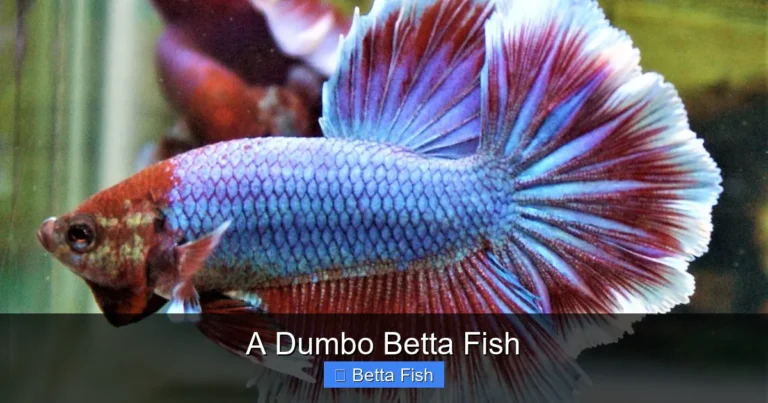
When to Change Water for Betta Fish
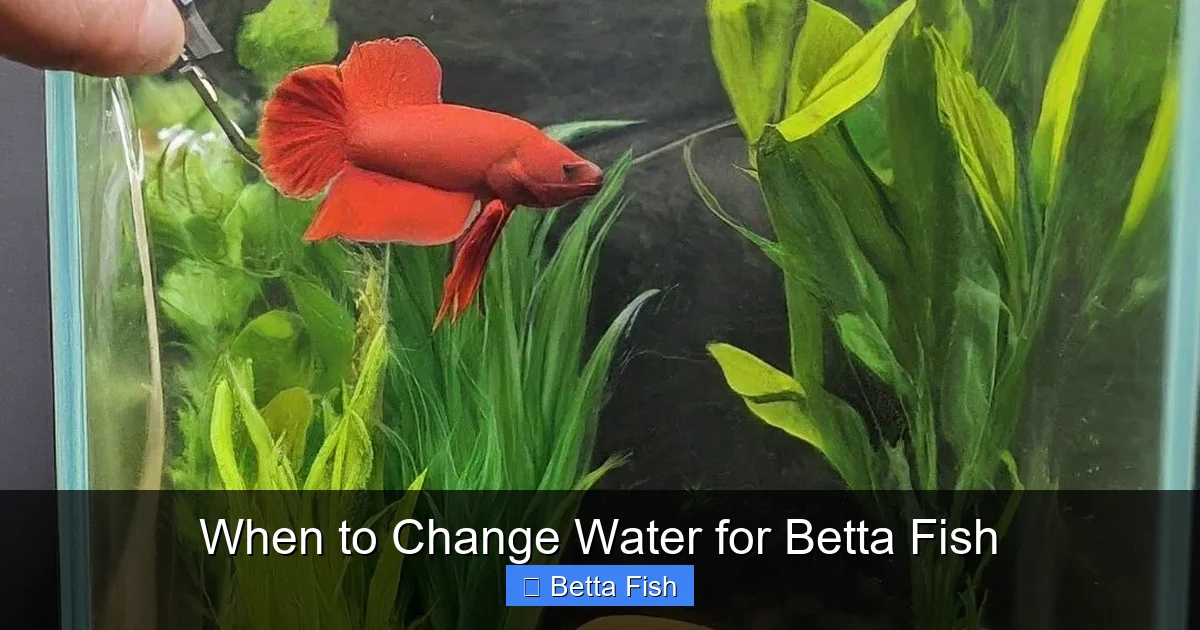
Knowing when to change water for betta fish is critical for their health and longevity. Unlike many fish, bettas require pristine water conditions due to their labyrinth organ and sensitive nature. The general rule is a 25-50% partial water change weekly for filtered tanks and 2-3 times per week for small, unfiltered bowls. Never skip conditioning tap water to neutralize chlorine and chloramines, and always match the temperature of the new water to the tank to prevent dangerous shock. Consistent, proper water changes prevent toxic ammonia spikes, stabilize pH, and are your best defense against disease, directly leading to a vibrant, active, and long-lived companion.
Key Takeaways
- Water changes are non-negotiable: They remove toxic waste products (ammonia, nitrite, nitrate) that accumulate and are the primary cause of betta illness and death.
- Frequency depends on your setup: A filtered tank (5+ gallons) needs a 25-50% change weekly. An unfiltered bowl or small tank (under 5 gallons) requires 2-3 partial changes per week.
- Partial changes are always best: Never replace 100% of the water at once. A 25-50% change maintains beneficial bacteria and stable water parameters, preventing shock.
- Water conditioner is essential: Always treat tap water with a dechlorinator before adding it to the tank. Chlorine and chloramines in untreated water will kill your betta instantly.
- Temperature matching prevents shock: The new water must be within 1-2°F (0.5-1°C) of the tank’s current temperature. Use a thermometer—never guess.
- Observe your betta: Behavioral signs like lethargy, loss of appetite, or gasping at the surface are urgent indicators that water quality is poor and a change is needed immediately.
- Clean, don’t scrub: During a change, rinse filter media and decorations in the old tank water you’ve removed, not under tap water, to preserve good bacteria.
📑 Table of Contents
- Why Water Changes Are the #1 Priority for Your Betta’s Health
- Decoding the Frequency: How Often Should You Change Betta Water?
- The Step-by-Step Guide to a Perfect Partial Water Change
- Common Water Change Mistakes That Harm Your Betta
- Special Considerations: Bowls, Plants, and New Tanks
- The Tell-Tale Signs Your Betta’s Water Is in Crisis
- Conclusion: Consistency is Your Greatest Ally
Why Water Changes Are the #1 Priority for Your Betta’s Health
Let’s be honest for a moment. You got your betta fish for its stunning colors, its dramatic fins, and its feisty personality. You probably spent time picking out the perfect tiny castle or vibrant gravel. But here’s the truth that separates betta owners from betta guardians: your betta’s entire world, its health, its happiness, and its lifespan are dictated by one thing you can’t see—the water it lives in. Knowing precisely when to change water for betta fish isn’t just a chore on a list; it’s the single most important act of care you will ever perform for your aquatic pet.
In the lush, shallow rice paddies and slow-moving streams of Southeast Asia, bettas are accustomed to vast, warm waters that are constantly refreshed by rain and flow. Your glass box is the complete opposite. It’s a closed system. Every bit of food your betta doesn’t eat, every scale it sheds, and every gulp of oxygen it expels as carbon dioxide stays in that water. Without intervention, these waste products transform into invisible, deadly toxins. This is why the question of when to change water for betta fish is so fundamental. It’s about replicating the natural, clean environment your betta evolved to thrive in, and you are the sole architect of that environment.
The Invisible Killers: Understanding Ammonia, Nitrite, and Nitrate
To truly grasp why water changes are vital, you need to meet the three villains of the aquarium. They are byproducts of life in your tank, and they form a toxic chain reaction.
- Ammonia (NH3/NH4+): This is the most immediately dangerous. It comes directly from your betta’s gills and waste. Even tiny amounts (0.25 ppm) can burn your betta’s gills, damage its internal organs, and suppress its immune system. Ammonia is like breathing in concentrated bleach fumes, constantly.
- Nitrite (NO2-): Beneficial bacteria in your filter and on surfaces convert ammonia into nitrite. While a step in the right direction, nitrite is still highly toxic. It binds to your betta’s blood cells, preventing them from carrying oxygen. This causes “brown blood disease” and leads to suffocation, even if there’s plenty of oxygen in the water.
- Nitrate (NO3-): A second type of bacteria converts nitrite into nitrate. Nitrate is far less toxic than its predecessors, but it is not harmless. High levels (above 20 ppm for bettas) cause stress, weaken the immune system, stunt growth, and contribute to algae blooms. In a closed system, nitrate accumulates endlessly unless physically removed.
Here’s the critical point: water changes are the only reliable way to remove nitrate and dilute the other toxins. The bacteria cycle converts toxins; it does not remove them from the water column. That job falls to you.
Betta Fish: Sensitive Souls with High Water Quality Needs
You might think, “But bettas live in muddy puddles in the wild!” This is a common and dangerous myth. Those “muddiness” comes from tannins released by decaying leaves and organic matter, which actually have mild antibacterial properties and soften water. It is not the same as a fishbowl clouded with its own feces and uneaten food.
Bettas possess a specialized respiratory organ called a labyrinth, which allows them to gulp air from the surface. This adaptation lets them survive in low-oxygen water, but it does not make them tolerant of poor water quality. In fact, their often-aggressive, territorial nature means they are frequently stressed, and a stressed betta with compromised water quality is a recipe for disaster. Their long, flowing fins are also easily damaged by poor water parameters. For your betta, clean water isn’t a luxury—it’s a fundamental requirement for fin integrity, vibrant color, and a strong immune system.
Decoding the Frequency: How Often Should You Change Betta Water?
So, when exactly should you change the water for your betta fish? There is no single universal answer because the “when” depends entirely on your specific aquarium setup. The two most critical variables are tank size and filtration. Let’s break down the guidelines for each scenario.
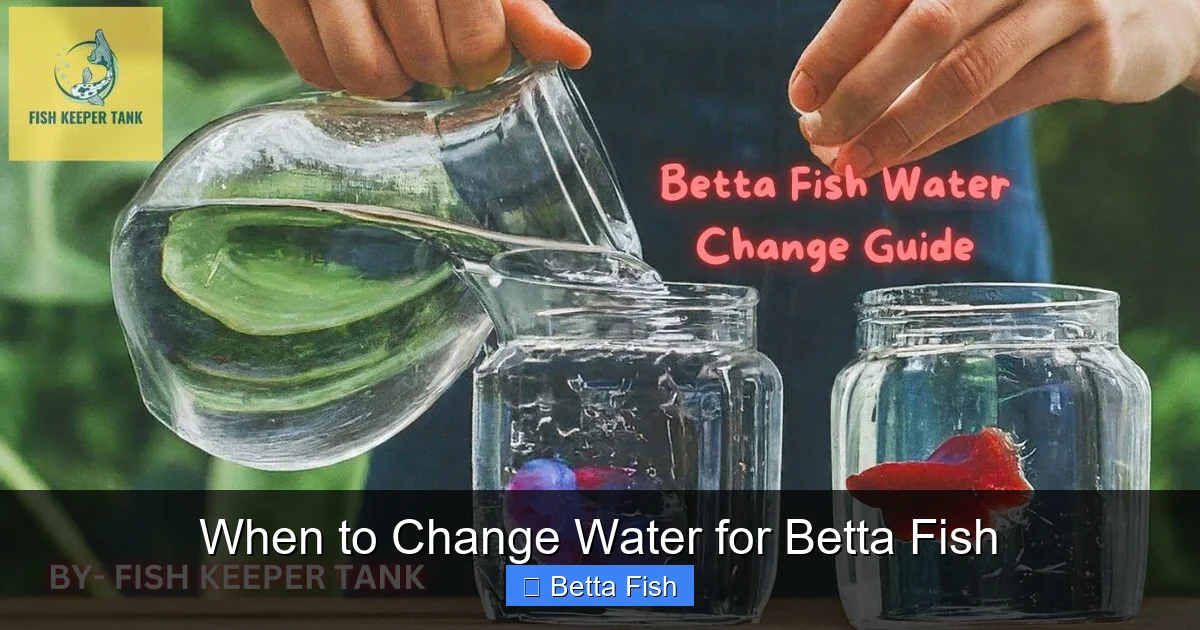
Visual guide about When to Change Water for Betta Fish
Image source: fishkeepertank.com
The Golden Rule: Tank Size Dictates Schedule
The smaller the container, the faster toxins build up. A single betta in a 1-gallon bowl will foul the water much quicker than the same betta in a 10-gallon planted tank. Here is a practical frequency guide:
- Unfiltered Tanks & Bowls (Under 5 Gallons): This is the most common and most demanding scenario. Without a filter to host beneficial bacteria and provide mechanical/chemical filtration, waste accumulates rapidly. You should perform 25-50% partial water changes 2 to 3 times per week. For a 2.5-gallon unfiltered tank, every other day is a safe target.
- Filtered Tanks (5+ Gallons): A properly cycled filter hosts a robust colony of beneficial bacteria that processes ammonia and nitrite. This significantly slows the buildup of the most dangerous toxins. In a stable, filtered 5-gallon tank or larger, a 25-50% partial water change once a week is typically sufficient to control nitrates and remove any dissolved organics.
- Large, Heavily Planted Tanks (10+ Gallons): Live plants are fantastic at absorbing nitrates and other waste compounds as fertilizer. In a well-planted, heavily stocked community tank with a betta, you might get away with a 25% change every 10-14 days. However, for a betta-only tank, weekly is still the gold standard for consistency.
The 25-50% Partial Change: Your Weekly Benchmark
No matter your tank size, the change itself should always be a partial change. Replacing 100% of the water is one of the worst things you can do. It completely removes beneficial bacteria from the water column and on surfaces, strips away all trace minerals that stabilize pH, and inevitably causes a significant temperature and chemistry shock to your betta. A 25-50% change dilutes toxins while preserving the stable ecosystem you’ve built. For most keepers, a 30-40% weekly change hits the sweet spot of effectiveness and simplicity.
When to Increase Frequency: Signs Your Betta Needs More
Schedules are guides, not laws. Your betta’s behavior and your water tests are the ultimate judges. You must increase the frequency of your water changes if you observe any of the following:
- You are overfeeding (a common issue). Extra food decays and spikes ammonia.
- Your betta is producing more waste than usual, which can indicate diet changes or minor health issues.
- You have high nitrates (above 20 ppm) on a test kit, even after a recent change.
- You see a slight algae bloom or a oily film on the surface—signs of excess organics.
- The tank is overcrowded with tank mates, increasing the overall bioload.
In these cases, stepping up to a 50% change every 3-4 days until conditions stabilize is a wise and proactive move.
The Step-by-Step Guide to a Perfect Partial Water Change
Now that you know the “when” and “how much,” let’s master the “how.” Doing a water change correctly is just as important as doing it regularly. A sloppy change can cause more harm than good. Follow this calm, methodical routine.
Gathering Your Tools: The Essential Kit
Having everything ready before you start makes the process fast and stress-free for both you and your betta. You will need:
- Aquarium Siphon/Gravel Vacuum: This is your most important tool. It allows you to remove debris from the substrate while siphoning out old water. A simple bulb-style siphon is inexpensive and perfect for betta tanks.
- Water Conditioner: A high-quality dechlorinator that also neutralizes chloramines and heavy metals. Seachem Prime is the industry standard for its concentration and emergency ammonia-binding ability.
- Two Clean Buckets: Dedicate these exclusively to your aquarium. One is for draining the old water (the “dirty” bucket), and one is for the fresh, conditioned water (the “clean” bucket). Never use buckets that have held soap or chemicals.
- Thermometer: An inexpensive floating or strip thermometer is non-negotiable for matching temperatures.
- Paper Towels or Cloth: For wiping up splashes and cleaning the inside glass if needed.
The Process: A Calm, Efficient Routine
- Prepare Your New Water: Fill your clean bucket with tap water. Add the correct dose of water conditioner according to the bottle instructions (usually 1 ml per 5-10 gallons). Stir gently. Let it sit for 15-30 minutes to reach room temperature. This is the time to check its temperature against your tank water with your thermometer. Adjust with a little warm or cold tap water if needed to get it within 1-2°F (0.5-1°C).
- Acclimate Your Betta (Optional but Kind): While not always necessary for a partial change with matched temperatures, you can float a small cup or bag with your betta in the clean bucket for 10-15 minutes to further ease temperature transition. This is more crucial if the temperature difference is at the upper limit of 2°F.
- Turn Off Equipment: Switch off your filter and any heaters (if present) to prevent damage from running dry or overheating.
- Siphon Out the Old Water: Submerge the siphon tube in the tank and the other end in your dirty bucket. Squeeze the bulb to start the siphon. Gently push the gravel vacuum end into the substrate, stirring it slightly to dislodge trapped waste (fish poop, uneaten food). Work around the tank, removing debris. Siphon out until you have removed 25-50% of the tank’s total volume. For a 5-gallon tank, this is 1.25 to 2.5 gallons.
- Clean Decor (If Needed): If algae has built up on decorations or the glass, now is the time to wipe it off with your paper towel or an algae pad (used only in the aquarium). Do not use soap!
- Gently Add the New Water: Place a clean cup or your hand in the tank and slowly pour the conditioned, temperature-matched water in. This breaks the surface tension and prevents disturbing the substrate too much. Pouring against the glass wall is also effective. Do not dump the water in.
- Restart Equipment and Observe: Once the new water is added, turn your filter and heater back on. Watch your betta for a few minutes. It may investigate the new water, which is normal. If it is hiding or darting frantically, you may have a temperature or chemistry issue—double-check your next change.
The Final Touch: Topping Off vs. Full Replacement
A common question is whether you can just “top off” the water that has evaporated. The answer is a qualified no. Evaporation removes pure water, leaving all the dissolved toxins and minerals behind. Simply adding fresh water does not dilute these pollutants; it just makes the problem more concentrated. Topping off is only acceptable between scheduled partial water changes if the water level has dropped slightly due to evaporation, and you are still committed to your weekly partial change. The partial change is what removes the waste. Never substitute a top-off for a proper water change.
Common Water Change Mistakes That Harm Your Betta
Even with the best intentions, it’s easy to make errors that undermine your efforts. Here are the most frequent pitfalls and how to avoid them.
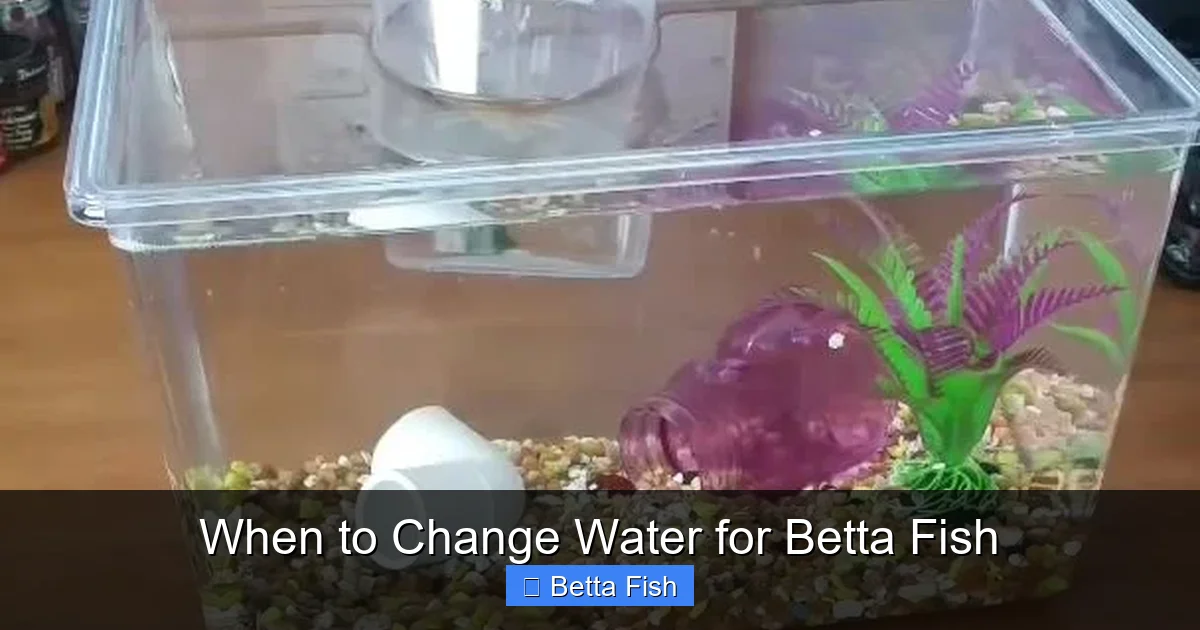
Visual guide about When to Change Water for Betta Fish
Image source: animalslog.com
Mistake #1: Changing Too Much Water at Once
This is the cardinal sin. Removing 75% or 100% of the water is a massive shock to your betta’s system. It wipes out beneficial bacteria, causes drastic swings in pH and temperature, and leaves your betta disoriented and vulnerable to disease. Always stick to the 25-50% range. If you have a severely neglected tank with high nitrates, it’s better to perform two 50% changes a few days apart than one 100% change.
Mistake #2: Forgetting Water Conditioner (The Silent Killer)
Tap water is treated with chlorine and chloramines to make it safe for human consumption. For fish, these chemicals are lethal. They destroy gill tissue and kill beneficial bacteria on contact. Every single drop of tap water you add to the aquarium must be treated with a water conditioner. There is no exception. Even if you have a filter that claims to remove chlorine, it does not neutralize chloramines and is not a substitute for conditioner in the new water bucket.
Mistake #3: Temperature Shock: The Unseen Stressor
Water that is even a few degrees too cold or too hot can send your betta into shock. Its metabolism will crash, its immune system will falter, and it can lead to death. Always use a thermometer. Never rely on the feel of the water with your hand. A betta’s ideal temperature is 78-80°F (25.5-26.5°C). Your new water must match the tank’s current temperature precisely.
Mistake #4: Disrupting the Filter’s Good Bacteria
Your filter media (sponges, ceramic rings, bio-balls) is home to the vast majority of your tank’s beneficial bacteria. Never, under any circumstances, rinse this media under untreated tap water. The chlorine will kill the bacteria colony, causing a “new tank syndrome” ammonia spike. Instead, during your water change, gently swish and squeeze the media in the bucket of old tank water you just siphoned out. This removes the gunk while preserving the bacteria.
Special Considerations: Bowls, Plants, and New Tanks
The Betta Bowl Myth: Why Small Containers Need Extra Care
The image of a betta in a tiny, ornate vase or bowl is pervasive but deeply flawed. These small volumes (under 1 gallon) are ecological disasters in the making. Waste and toxins concentrate instantly. Temperature is unstable. There is no room for error. If you must keep a betta in a small, unfiltered container (which is not recommended), you are committing to a rigorous schedule of daily 50% water changes to keep parameters safe. The humane and much easier alternative is to provide a filtered 5-gallon tank, which creates a more stable, forgiving environment and still allows for a manageable weekly maintenance routine.
Live Plants: Helpful or a Change Complication?
Live aquatic plants are fantastic additions to a betta tank. They absorb nitrates and other waste as nutrients, compete with algae, and provide enrichment. However, they do not eliminate the need for water changes. While they help, they cannot process the sheer volume of waste a betta produces, especially in a small tank. Your water change routine remains the same. When siphoning, be careful not to uproot delicate plants. You may need to work around them. The good news: the gravel under plants will have less visible waste.
Cycling a New Tank: The First Changes Are Crucial
If you are setting up a new tank, you must first establish the nitrogen cycle before adding your betta. This 2-6 week process grows the beneficial bacteria that consume ammonia and nitrite. During this “fishless cycle,” you will be adding pure ammonia to the tank. You must perform water changes during this period to keep ammonia and nitrite levels from getting too high for the bacteria to process (above 4-5 ppm). Test the water daily. When ammonia and nitrite consistently read zero after an addition, and you see a nitrate spike (the final product), the cycle is complete. Only then should you add your betta. The first water change with your betta in the tank should be a gentle 25% change about a week after introduction, assuming parameters are stable.
The Tell-Tale Signs Your Betta’s Water Is in Crisis
Your betta cannot tell you the water is bad. But it will show you through its behavior and appearance. These are emergency signals that demand an immediate water change.
Behavioral Red Flags: Lethargy, Loss of Appetite, Gasping
A healthy betta is curious, flares at its reflection, and eats eagerly. Watch for these changes:
- Lethargy & Hiding: If your normally active betta is spending all day at the bottom, propped up, or hiding in a corner, poor water quality is the first suspect.
- Loss of Appetite: Refusing food for more than a day or two, especially if it’s a normally voracious eater, is a major red flag.
- Gasping at the Surface: While bettas do gulp air, frantic, repeated gulping is a sign of oxygen deprivation, often caused by gill damage from ammonia or nitrite poisoning.
Visual Clues: Cloudy Water, Algae Blooms, Film on Surface
Sometimes the problem is visible.
- Cloudy Water: New tank syndrome (bacterial bloom) or an overabundance of decaying organics can cause a white or gray cloudiness. This indicates a spike in bacteria feeding on waste.
- Green Water or Hair Algae: While primarily caused by excess light and nutrients (nitrates/phosphates), a sudden bloom signals an imbalance that a water change will help correct immediately.
- Oil Slick Film: A shiny, rainbow-colored film on the surface is a buildup of organic compounds from overfeeding, decaying matter, or fish oil. It inhibits oxygen exchange and must be removed via water change and surface skimming.
The Ultimate Check: Using a Water Test Kit
Do not rely on guesswork or appearance alone. A liquid-based water test kit (like the API Freshwater Master Test Kit) is an essential piece of equipment. Test your water weekly, before a water change, to know your baseline. For a betta, aim for:
- Ammonia (NH3/NH4+): 0 ppm
- Nitrite (NO2-): 0 ppm
- Nitrate (NO3-): < 20 ppm (Ideally below 10 ppm)
If any of your parameters are above these safe levels, perform an immediate 25-50% water change. The test kit removes all subjectivity and gives you the definitive answer on when to change water for betta fish.
Conclusion: Consistency is Your Greatest Ally
Owning a betta fish is a wonderful, rewarding experience. Their personalities shine through in a way few other fish can match. But with that charm comes a great responsibility. That brilliant red fin and curious bubble nest are direct reflections of the water quality you provide. There is no magic pill, no special food, no trick to bypass this fundamental truth: when to change water for betta fish is a question of regular, consistent, and informed maintenance.
Establish a routine. Pick a day—every Sunday morning, every Wednesday evening—and stick to it. Invest in the simple tools: a reliable siphon, a trustworthy water conditioner, and a test kit. Learn to match temperatures and clean your filter media properly. By making these actions a non-negotiable habit, you are not just performing a chore. You are actively preventing disease, reducing stress, and unlocking your betta’s full potential for color, activity, and lifespan. You are providing the clean, stable, and healthy home that your magnificent betta deserves. The clarity of the water will be mirrored in the vitality of your fish.
Frequently Asked Questions
Can I use bottled spring water for my betta tank instead of tap water?
It’s not recommended. Bottled water varies wildly in mineral content and pH, often lacking essential minerals bettas need. It’s also expensive and creates waste. Conditioned tap water is almost always the better, more consistent, and more economical choice.
Is it ever okay to change 100% of the water?
Almost never. A 100% change is a massive shock that can wipe out beneficial bacteria and cause fatal temperature/pH swings. The only exception is in a true emergency, like a severe chemical spill, and even then, it should be done with extreme caution and by re-seeding the filter with bacteria afterward.
Why is my water cloudy after a water change?
Cloudiness after a change is usually a bacterial bloom, caused by a sudden shift in water chemistry or an overabundance of dissolved organics. Perform another 25% change in 24 hours to dilute it, ensure you are not overfeeding, and check that your filter is running properly. It should clear within a day or two.
My betta seems stressed during the water change. How can I make it less scary?
Work slowly and calmly. Avoid chasing your betta with the siphon. Use a cup to gently corral it to one side if needed. Ensure the new water is an exact temperature match. You can also place a small, clean container (like a plastic cup) in the tank for your betta to hide in during the process, providing a sense of security.
Do I need to remove my betta from the tank during the water change?
No. For a standard partial water change, there is no need to net your betta. Netting causes unnecessary stress and risk of injury. Simply work around it carefully. Only remove your betta if you are performing a major clean that requires you to completely empty the tank or if it is extremely stressed and hiding in a cup you’ve placed for it.
If I have a good filter, can I change water less often?
A filter does not eliminate the need for water changes. Its job is to host bacteria that convert toxins and to mechanically trap debris. It does not remove nitrate, the end product of the cycle. Even the best filter cannot prevent nitrate buildup or remove dissolved organic compounds that cloud water and lower oxygen. Weekly partial changes are still essential.