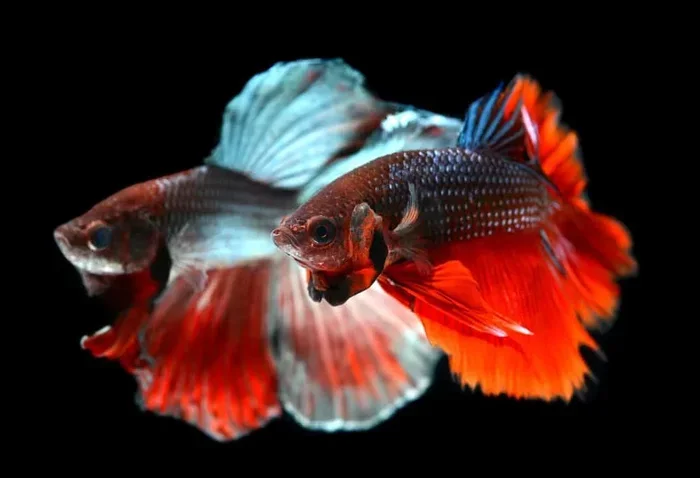
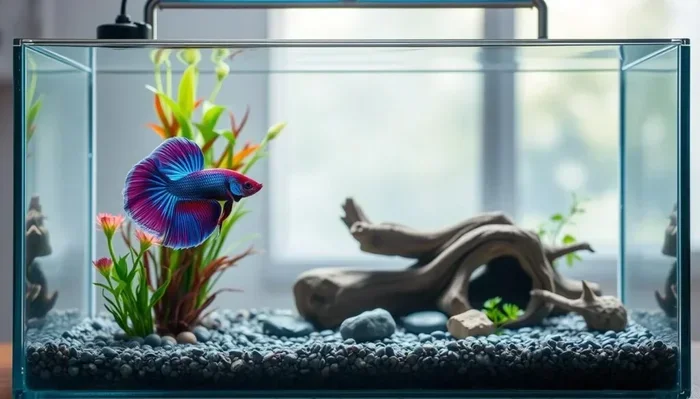
How Do Betta Fish Breed in the Wild
So, how do betta fish breed in the wild? Wild bettas use a fascinating bubble nest method where males build floating nests to attract females and protect their eggs. Understanding wild betta breeding behavior gives fish keepers valuable insight into their pets’ natural instincts and needs.
Betta fish are some of the most beautiful and fascinating creatures in the aquarium world. But have you ever wondered how they reproduce in their natural homes? How do betta fish breed in the wild is a question that fascinates both new and experienced fish keepers alike.
In the wild, betta fish live in shallow, warm waters across Southeast Asia. They inhabit rice paddies, floodplains, and slow-moving streams. Their breeding process is incredibly different from what happens in a tank. Understanding wild betta fish breeding helps us appreciate these amazing creatures even more.
Male bettas build bubble nests, perform dazzling courtship dances, and take full responsibility for their offspring. It is a remarkable process that shows just how clever and dedicated these fish can be. Let us dive into the full story of how bettas reproduce in the wild.
Key Takeaways
- Bubble Nest Building: Male wild bettas construct intricate bubble nests on the water surface to house fertilized eggs.
- Seasonal Breeding: Wild bettas breed primarily during the rainy season when water conditions are ideal.
- Courtship Rituals: Males perform elaborate fin displays and embrace the female to trigger egg release.
- Male-Only Parental Care: The male betta guards and tends the eggs until they hatch, typically within 24-48 hours.
- Natural Habitat Matters: Where betta fish live in the wild directly influences their breeding success and behavior.
- Wild vs. Captive Breeding: Understanding wild breeding helps improve aquarium breeding practices and fish health.
📑 Table of Contents
- The Natural Habitat of Wild Betta Fish
- How Betta Fish Prepare for Breeding
- The Bubble Nest: Nature’s Nursery
- The Courtship and Spawning Process
- Egg Development and Hatching
- Wild Breeding vs. Captive Breeding
- Common Challenges Wild Betta Breeders Face
- Quick Tips for Understanding Wild Betta Breeding
- Expert Insights on Wild Betta Breeding
- Key Takeaways
- Conclusion
The Natural Habitat of Wild Betta Fish
Before we talk about breeding, it helps to understand where wild bettas live. Their environment shapes everything about how they reproduce. Where do betta fish live in the wild? Mostly in warm, shallow, slow-moving waters across Thailand, Cambodia, Vietnam, and Malaysia.
These fish prefer standing or very slow water. Rice paddies, marshes, and small ponds are their favorite spots. The water is often warm, sometimes reaching 80°F or higher. Plants and debris float on the surface, giving bettas plenty of places to hide and build nests.
Why Habitat Matters for Breeding
The breeding process depends heavily on the environment. Wild bettas need specific conditions to spawn successfully. When the betta fish habitat is healthy, breeding happens more naturally and frequently.
Shallow water is especially important. It allows male bettas to build bubble nests close to the surface. Still water helps the bubbles stick together and form a stable nest. Plants provide anchor points and hiding spots for both the male and female during courtship.
What do betta fish eat in the wild also plays a role. A well-fed betta in good health breeds more successfully. Natural foods like insects, larvae, and small crustaceans give them the energy needed for reproduction. You can learn more about their diet in our article on what betta fish eat in the wild.
How Betta Fish Prepare for Breeding
Wild betta fish do not breed all year round. Timing matters a lot. Most wild bettas breed during the rainy season when water levels rise and conditions become ideal. The increased rainfall fills shallow pools and creates perfect breeding grounds.
Physical Signs of Readiness
Both male and female bettas show physical changes when they are ready to breed. The male develops brighter colors and more intense fin extensions. His body becomes more streamlined and active. The female develops a visible egg spot near her ventral area. Her belly may also appear slightly rounder.
Water temperature plays a big role too. Warmer water, usually between 78°F and 82°F, signals to bettas that it is time to breed. This natural temperature cue triggers their reproductive instincts. In captivity, fish keepers often mimic these conditions to encourage breeding.
Finding a Mate in the Wild
In the wild, male bettas search for suitable females. They do this by visiting areas where females are known to gather. The male displays his colors and fins to attract attention. A healthy, well-conditioned female is more likely to respond to his signals.
Unlike aquarium settings, wild bettas have more space to choose their partners. This natural selection process helps keep the gene pool strong and diverse. It also means that only the fittest males get to reproduce, which is good for the species overall.
The Bubble Nest: Nature’s Nursery
The bubble nest is the centerpiece of wild betta breeding. Male bettas build these nests using saliva and air bubbles. They blow tiny bubbles that stick together to form a floating mass on the water surface. The nest serves as a safe home for the fertilized eggs.
How Males Build the Nest
Building a bubble nest is a careful and time-consuming process. The male betta swims to the surface and picks up air. He coats the air with saliva and releases it as a bubble. Over time, these bubbles accumulate into a raft-like structure.
The nest can be several inches wide and quite sturdy. Males often build nests near floating plants or debris. These materials give the nest something to anchor to, keeping it stable on the water surface. Some males even add plant matter to strengthen the structure.
The quality of the bubble nest tells you a lot about the male. A well-built nest shows that the fish is healthy and ready to breed. In the wild, females often choose males with the best nests. It is a sign of good genes and strong parental instincts.
Why Bubble Nests Are So Important
Bubble nests protect the eggs from predators and water currents. They keep the eggs at the water’s surface where oxygen levels are higher. This is critical because betta fish eggs need plenty of oxygen to develop properly.
The nest also keeps the eggs together in one safe place. Without it, the eggs would drift away and likely perish. The male betta constantly watches over the nest, repairing it if needed and protecting it from threats.
The Courtship and Spawning Process
Once the bubble nest is ready, the male begins the courtship dance. This is one of the most fascinating parts of betta fish reproduction in the wild. The male flares his fins, displays his colors, and circles around the female in a gentle, rhythmic pattern.
The Embrace: How Eggs Are Released
Courtship leads to the actual spawning event, which is called the embrace. The male wraps his body around the female in a tight curve. This pressure stimulates the female to release her eggs. At the same time, the male releases milt (sperm) to fertilize them.
The embrace can happen several times during a single breeding session. Each time, the female releases a small batch of eggs. A healthy female can release anywhere from 30 to 100 eggs per session. The male carefully collects each batch and places them gently into the bubble nest.
After the female releases all her eggs, the breeding process is complete. The female usually loses interest and may swim away. At this point, the male takes over completely. He becomes the sole protector and caregiver of the eggs.
What Happens to the Female After Spawning?
In the wild, the female has no further role after spawning. She is free to leave and focus on her own survival. This is very different from what happens in a tank, where the female might be kept separate to protect her from the aggressive male.
The male, however, becomes fiercely protective. He chases away any fish or creature that comes near the nest. He constantly monitors the eggs, picking up any that fall and placing them back in the nest. This parental care is essential for the eggs to survive.
Egg Development and Hatching
Once the eggs are safely in the bubble nest, the waiting begins. Wild betta eggs typically hatch within 24 to 48 hours. The exact timing depends on water temperature and conditions. Warmer water speeds up development, while cooler water slows it down.
The Male’s Role During Incubation
The male betta is a dedicated father during this period. He stays close to the nest at all times. He repairs any damaged parts of the nest and guards against predators. If an egg falls out of the nest, he picks it up in his mouth and returns it carefully.
This level of parental care is remarkable for a fish species. It shows that wild bettas have evolved strong survival instincts. The male’s commitment to his offspring greatly increases their chances of survival in the harsh wild environment.
From Fry to Free Swimmers
After hatching, the baby bettas, called fry, remain attached to the bubble nest for another day or two. They absorb their yolk sacs for nutrition during this time. Once the yolk sac is fully absorbed, the fry become free swimmers and start exploring their surroundings.
The male continues to watch over the fry for a short period. He keeps them gathered near the nest and defends them from threats. As the fry grow and become more independent, the male’s protective behavior gradually decreases.
In the wild, survival rates for fry are low. Predators, changing water conditions, and food scarcity all take a toll. Only the strongest and most adaptable fry make it to adulthood. This natural selection process keeps wild betta populations healthy and resilient.
Wild Breeding vs. Captive Breeding
Understanding how bettas breed in the wild helps us become better fish keepers. Captive breeding mimics natural processes but with some key differences. Many breeders use controlled aquarium setups to breed bettas safely.
Key Differences to Understand
In the wild, bettas have much more space and natural stimuli. They breed in response to seasonal changes and environmental cues. Captive bettas, on the other hand, may breed year-round if conditions are right.
Wild breeding also involves natural mate selection. The female chooses her partner based on nest quality and display behavior. In captivity, breeders often select pairs for them. This can be effective but may reduce genetic diversity over time.
If you are interested in breeding bettas, it helps to understand both approaches. Wild breeding instincts can guide your aquarium setup and care routine. Providing the right environment encourages natural behaviors even in a tank setting. You can also explore breeding in a bowl setup for smaller-scale projects.
Common Challenges Wild Betta Breeders Face
Breeding in the wild is not without its challenges. Several factors can reduce breeding success for wild betta populations. Understanding these challenges helps us appreciate the resilience of these fish.
- Habitat Loss: Deforestation and urbanization destroy the shallow ponds and rice paddies bettas need. This reduces available breeding sites.
- Water Pollution: Chemicals and runoff contaminate breeding waters, making it harder for eggs and fry to survive.
- Climate Changes: Altered rainfall patterns affect the seasonal cues that trigger breeding behavior.
- Overcollection: Wild bettas are sometimes captured for the pet trade, removing breeding adults from the population.
These challenges make conservation efforts important. Protecting wild betta habitats ensures that future generations can continue to enjoy these remarkable fish in both the wild and in our homes.
Quick Tips for Understanding Wild Betta Breeding
Here are some fast tips to keep in mind when learning about wild betta breeding:
- Watch the water temperature. Warmer water triggers breeding behavior in wild bettas.
- Look for bubble nests. A well-built nest is a sign of a healthy, ready-to-breed male.
- Provide plenty of plants. Floating plants give males anchor points for nest building.
- Keep water still. Slow or still water helps bubble nests stay intact.
- Feed a natural diet. Live and frozen foods mimic what bettas eat in the wild and support breeding health.
- Respect the male’s role. The male needs space and peace to care for eggs and fry.
Expert Insights on Wild Betta Breeding
Experts who study wild betta fish emphasize the importance of replicating natural conditions. Dr. Kowalski, a tropical fish researcher, notes that “the bubble nest is one of the most remarkable examples of paternal care in the fish world. It shows that bettas are far more complex than most people realize.”
Another researcher, Dr. Tan, adds that “understanding wild breeding behavior helps us care for bettas better in captivity. When we mimic their natural environment, we see healthier fish and more successful breeding outcomes.”
These insights remind us that keeping bettas is not just about aesthetics. It is about respecting their natural history and providing for their needs. The more we learn about how bettas breed in the wild, the better we can care for them at home.
Key Takeaways
- Bubble Nest Building: Male wild bettas construct intricate bubble nests on the water surface to house fertilized eggs.
- Seasonal Breeding: Wild bettas breed primarily during the rainy season when water conditions are ideal.
- Courtship Rituals: Males perform elaborate fin displays and embrace the female to trigger egg release.
- Male-Only Parental Care: The male betta guards and tends the eggs until they hatch, typically within 24-48 hours.
- Natural Habitat Matters: Where betta fish live in the wild directly influences their breeding success and behavior.
- Wild vs. Captive Breeding: Understanding wild breeding helps improve aquarium breeding practices and fish health.
Conclusion
How do betta fish breed in the wild is a story of instinct, dedication, and survival. From building bubble nests to caring for eggs and fry, wild bettas follow a remarkable process shaped by thousands of years of evolution. Every step of the journey, from courtship to hatching, shows just how incredible these fish truly are.
Understanding wild breeding behavior enriches our experience as fish keepers. It helps us create better environments for our pets and appreciate the natural world these fish come from. Whether you are a beginner or a seasoned aquarist, the more you know about wild betta reproduction, the better you can care for your fish.
If you want to explore more about betta fish in their natural settings, check out our guides on where betta fish live in the wild and can betta fish survive in the wild. These resources offer deeper insights into the lives of these amazing fish.
Remember, every betta fish you care for carries the instincts of its wild ancestors. By learning about their natural breeding habits, you honor that legacy and become a better guardian for your fish. Keep exploring, keep learning, and keep enjoying the wonderful world of betta fish.
Frequently Asked Questions
How long does the betta fish breeding process take in the wild?
The entire process from courtship to hatching usually takes about 24 to 72 hours. The male builds the bubble nest first, then courts the female. After spawning, the eggs hatch within 24 to 48 hours depending on water temperature.
Do wild betta fish mate for life?
No, wild bettas do not mate for life. After spawning, the male and female go their separate ways. The male takes full responsibility for the eggs and fry, while the female focuses on her own survival.
How many eggs does a wild betta fish lay at once?
A healthy female wild betta can release between 30 and 100 eggs per breeding session. The number depends on her size, age, and overall health. She may release them in several batches during the spawning event.
Why do male betta fish build bubble nests?
Male bettas build bubble nests to create a safe environment for fertilized eggs. The nest keeps eggs together at the water surface where oxygen is plentiful. It also protects them from predators and water disturbances.
Can betta fish breed in cold water in the wild?
No, wild bettas need warm water to breed successfully. Cold water slows down their metabolism and suppresses breeding behavior. Breeding typically occurs when water temperatures are consistently between 78°F and 82°F during the rainy season.
What should I feed betta fish during breeding?
High-quality live or frozen foods like brine shrimp, bloodworms, and daphnia work best. These foods provide the protein and nutrients needed for healthy egg production and breeding behavior. You can also learn more about their natural diet in our article on what betta fish eat in the wild.