
Why Does Betta Fish Stay at Bottom of Tank
Betta fish may linger at the bottom for many reasons—from water quality to stress or illness. Understanding these cues and adjusting tank conditions can quickly restore your fish’s vitality.
Key Takeaways
- Water quality matters: Poor parameters are the top reason bettas hide at the bottom.
- Temperature is critical: Betta fish need warm, stable water to stay active.
- Stress triggers bottom‑dwelling: Over‑crowding, aggressive tank mates, or sudden changes can cause it.
- Health issues are a warning sign: Parasites, swim bladder problems, or fin rot often make bettas rest low.
- Check the tank setup: Proper size, filtration, and décor give bettas places to explore.
- Observe behavior patterns: Knowing when a betta should be at the top helps you spot problems early.
- Quick fixes work: Simple steps like a water change or temperature tweak can turn bottom‑dwelling into active swimming.
📑 Table of Contents
Introduction
If you’ve ever watched your bright‑colored betta stare at the gravel and wonder “why does betta fish stay at bottom of tank?” you’re not alone. Many hobbyists notice this behavior and worry that something is seriously wrong. The truth is, a betta’s position in the water can tell you a lot about its environment, health, and mood.
In this article we’ll break down the most common reasons your betta hangs out near the substrate, show you how to spot the warning signs, and give you practical, step‑by‑step fixes. By the end, you’ll be able to answer the question with confidence and keep your finned friend swimming happily throughout the tank.
1. Water Quality – The Hidden Culprit
Why poor water makes bettas stay low
Betta fish are sensitive to ammonia, nitrite, and pH swings. When these parameters rise, the fish often seeks the calmest part of the tank – usually the bottom – to avoid the stronger currents and oxygen‑rich surface water that can feel harsh.
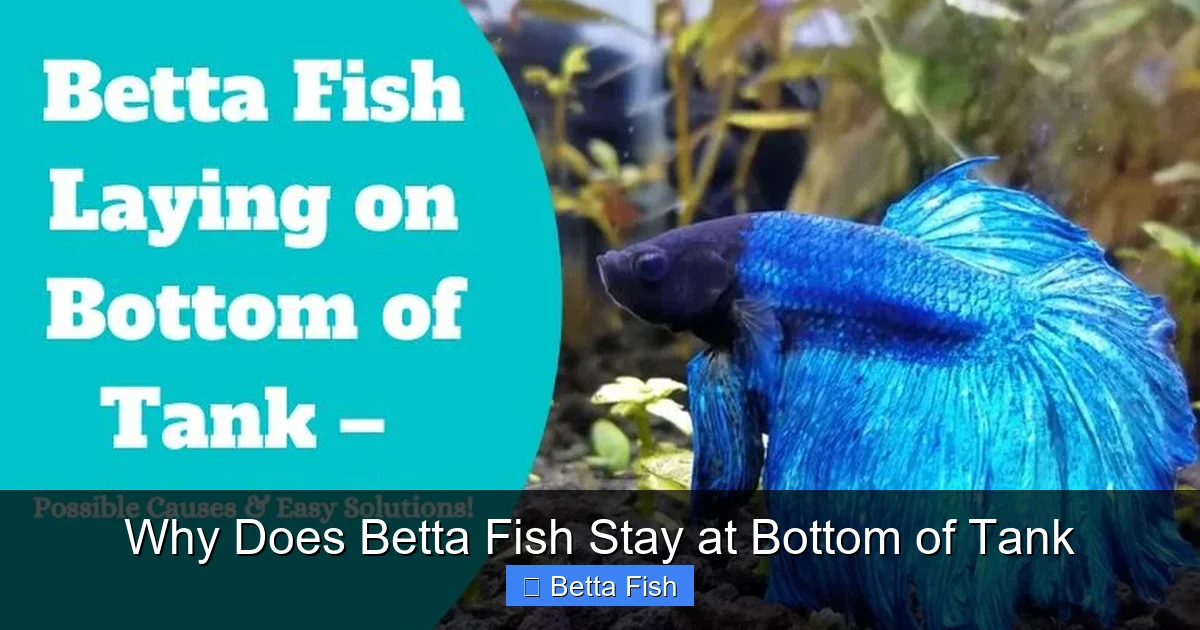
Visual guide about Why Does Betta Fish Stay at Bottom of Tank
Image source: worldanimalfoundation.org
Testing and fixing water
- Test weekly: Use a liquid test kit to check ammonia, nitrite, nitrate, and pH.
- Partial water changes: Replace 25‑30 % of the water every week to keep toxins low.
- Condition the water: Add a water conditioner to neutralize chlorine and chloramines.
For a deeper dive into water testing, see our guide on what type of water a betta fish needs.
2. Temperature Troubles
Optimal range for bettas
Betta fish are tropical and thrive at 76‑82 °F (24‑28 °C). If the water is too cold, metabolism slows down, and the fish may become lethargic, often staying at the bottom where the water is slightly warmer.

Visual guide about Why Does Betta Fish Stay at Bottom of Tank
Image source: nicebettathailand.com
How to maintain steady heat
- Invest in a reliable submersible heater with an adjustable thermostat.
- Use a thermometer to monitor temperature daily.
- Avoid placing the tank near drafts, windows, or air‑conditioning vents.
Sudden temperature drops can also cause stress. If you notice your betta suddenly sinking, check the heater first.
3. Stress and Environment
Tank size and décor
Betta fish need space to explore. A tank that’s too small or overly crowded can make them feel unsafe, prompting them to hide near the bottom. The general recommendation is at least 5 gallons for a single betta (how big of a tank does a betta fish need).

Visual guide about Why Does Betta Fish Stay at Bottom of Tank
Image source: nicebettathailand.com
Tank mates and aggression
Even though bettas are often called “Siamese fighting fish,” they can coexist with peaceful species if the tank is large enough. However, aggressive tank mates or fast‑moving fish can cause a betta to retreat to the bottom.
Noise and vibrations
Heavy foot traffic, loud music, or nearby appliances can create vibrations that stress the fish. Try to place the tank on a stable, vibration‑free surface.
4. Health Issues That Pull Bettas Down
Swim bladder disorder
The swim bladder is a small organ that helps fish control buoyancy. If it’s inflamed or infected, the betta may have trouble staying upright, often resting at the bottom.
Parasites and infections
External parasites (like ich) or internal infections can make a betta feel weak. Look for white spots, frayed fins, or a cloudy appearance.
Fin rot and other diseases
Fin rot appears as ragged, discolored edges on the fins. A sick betta may lose the energy to swim near the surface and will linger at the bottom.
Read more about specific symptoms in our article why betta fish laying at bottom.
5. Feeding Habits and Digestion
Overfeeding and bloating
Too much food can cause constipation or a bloated belly, making it uncomfortable for the betta to swim up. Feed small amounts 2‑3 times a day, and consider a fasting day once a week.
Choosing the right diet
- High‑quality betta pellets as a staple.
- Frozen or live foods (brine shrimp, daphnia) for enrichment.
- Avoid heavy, oily foods that can cloud the water.
Water temperature and digestion
Warmer water speeds up metabolism, helping the fish digest food more efficiently. This is another reason why maintaining proper temperature matters.
6. Natural Behaviors – Not All Bottom‑Dwelling Is Bad
Resting and sleeping
Betta fish do sleep, and they often rest near the bottom or among plants. If the fish is otherwise active, eats well, and shows normal colors, a few minutes at the bottom could simply be a nap.
Exploring the tank bottom
Many bettas love to investigate the substrate, especially if you have live plants, moss, or smooth rocks. Providing a varied bottom can encourage natural foraging behavior.
Curious about where bettas like to rest? Check out do betta fish sleep at the top of the tank for more insight.
Practical Checklist: Fixing Bottom‑Dwelling Quickly
- Test water parameters and perform a 25 % water change.
- Confirm heater is set to 78 °F (25.5 °C) and check for fluctuations.
- Ensure the tank is at least 5 gallons with gentle filtration.
- Observe for signs of disease – white spots, frayed fins, abnormal color.
- Adjust feeding schedule: smaller portions, quality pellets, occasional fasting.
- Add live plants or smooth rocks to give the betta places to hide safely.
- Reduce stressors: limit loud noises, avoid aggressive tank mates.
Conclusion
Understanding why does betta fish stay at bottom of tank is a matter of observing, testing, and adjusting. Most of the time, the issue is environmental – a tweak in temperature, water quality, or tank size can make a huge difference. However, never ignore the possibility of illness; a quick health check can save your fish from serious problems.
By following the steps above and keeping an eye on your betta’s behavior, you’ll create a comfortable, thriving home where your fish can show off its vibrant colors and playful fins – not just linger at the bottom.
Frequently Asked Questions
Why is my betta fish constantly at the bottom of the tank?
It’s usually a sign of poor water quality, incorrect temperature, stress, or an underlying health issue. Check parameters, temperature, and look for disease symptoms.
Can a betta fish be healthy while staying at the bottom?
Occasionally a betta may rest at the bottom to nap, especially if it’s otherwise active, eats well, and shows bright colors. Regular bottom‑dwelling without these signs is a concern.
How often should I change the water to prevent bottom‑dwelling?
Change 25‑30 % of the water weekly and test for ammonia, nitrite, and pH each time. More frequent changes may be needed after a new fish introduction.
Does temperature affect why a betta stays low?
Yes. Water below 76 °F (24 °C) can slow metabolism, causing lethargy and a preference for the warmer bottom area. Keep the tank within 76‑82 °F.
What signs indicate my betta is sick rather than stressed?
Look for white spots, frayed fins, loss of color, bloating, or unusual swimming patterns like drifting sideways. These suggest disease and need prompt treatment.
Should I add a filter to stop my betta from staying at the bottom?
A gentle filter improves water quality without creating strong currents. Choose a low‑flow sponge filter or adjust the flow rate to keep the water calm.