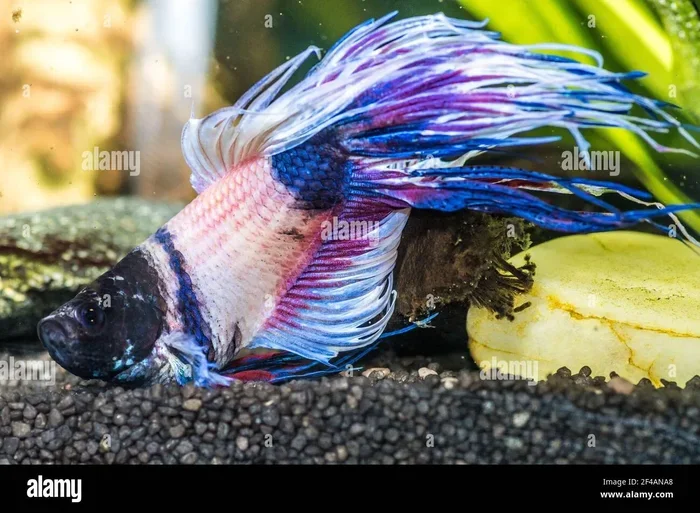
How Do Betta Fish Breathe in Air
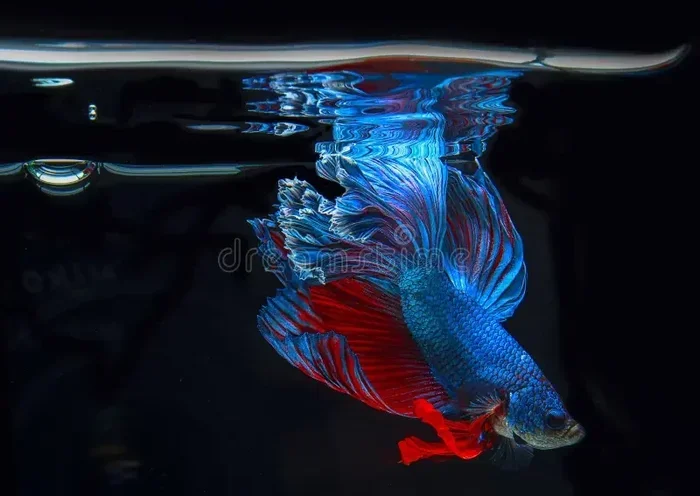
Betta fish breathe in air using a special organ called the labyrinth, which lets them absorb oxygen directly from the surface. This unique ability means your betta needs access to the water’s surface to survive. Understanding how do betta fish breathe in air helps you provide better care and a healthier tank environment.
If you own a betta fish, you have probably noticed it swimming up to the surface and taking a gulp of air. It might look strange, even funny. But this behavior is actually vital for your fish’s survival. So how do betta fish breathe in air, and why is it so important?
Betta fish are not like most other aquarium fish. They have a special organ that lets them breathe oxygen directly from the air. This adaptation is called the labyrinth organ, and it makes bettas unique among freshwater fish. Without this ability, bettas would not survive in the warm, shallow waters of their natural habitat.
In this article, we will explore everything about how do betta fish breathe in air. We will look at the science behind it, what it means for your tank setup, and how you can keep your betta healthy. Whether you are a beginner or a seasoned fish keeper, this guide will give you valuable insights into your betta’s breathing needs.
Key Takeaways
- Betta fish use a labyrinth organ to breathe air directly from the water’s surface, unlike most other fish species.
- Surface breathing is essential for bettas, and blocking access to the surface can be life-threatening.
- The gills alone are not enough for bettas to get all the oxygen they need, especially in warm or stagnant water.
- A clean tank with calm water supports healthy air-breathing behavior and overall betta wellness.
- Understanding betta breathing patterns helps you spot health problems early and respond quickly.
📑 Table of Contents
- What Makes Betta Fish Different From Other Fish?
- Why Do Betta Fish Need to Breathe Air?
- How Does the Breathing Process Actually Work?
- What Happens When Betta Fish Cannot Breathe Properly?
- How to Set Up a Tank That Supports Healthy Breathing
- Common Mistakes That Affect Betta Breathing
- Expert Insights on Betta Air Breathing
- Quick Tips for Supporting Your Betta’s Breathing
- Conclusion
What Makes Betta Fish Different From Other Fish?
Most fish rely solely on their gills to extract oxygen from water. But bettas are different. They belong to a group of fish called anabantoids, which have evolved a special breathing adaptation. This sets them apart from the vast majority of freshwater fish species.
The Labyrinth Organ Explained
The labyrinth organ sits just behind the gills. It is a complex, maze-like structure filled with thin, blood-rich plates. When a betta takes a gulp of air from the surface, the oxygen passes through these plates and enters the bloodstream. This process is called aquatic respiration, and it is remarkably efficient.
Think of the labyrinth organ as a built-in lung. It allows bettas to survive in oxygen-poor water where other fish would struggle. This is why bettas can live in small bowls, rice paddies, and shallow ponds where the water has low dissolved oxygen. The ability to breathe air gives them a huge survival advantage.
Now, this does not mean bettas do not use their gills at all. They do. The gills still handle some oxygen exchange underwater. But the labyrinth organ supplements this and becomes even more important in warm water or stagnant conditions. For a deeper look at how gills and air breathing work together, check out this article on do betta fish breathe through their gills.
Why Do Betta Fish Need to Breathe Air?
The short answer is that bettas evolved in environments with low oxygen levels. Their natural habitats include rice paddies, slow-moving streams, and shallow ponds in Southeast Asia. In these environments, the water often holds very little dissolved oxygen.
Warm Water Holds Less Oxygen
Here is something many fish keepers do not realize. Warmer water holds less dissolved oxygen than cooler water. Since bettas thrive in warm water between 76 and 82 degrees Fahrenheit, the oxygen levels in their environment are often naturally low. Breathing air helps them compensate for this shortage.
This is also why how do betta fish breathe in air is such an important question for any betta owner. If you keep your tank too warm or do not maintain proper water quality, your betta will need to come up for air more frequently. That is a sign your fish is working harder to get enough oxygen.
The Role of Water Movement
Some people wonder whether an air pump or strong filter helps their betta breathe better. The truth is, bettas prefer calm water. Strong currents and heavy air pump circulation can stress them out. They do not need a lot of water movement to breathe. They simply need peaceful access to the surface. If you want to learn more about this, read do betta fish like air pump circulation.
How Does the Breathing Process Actually Work?
Understanding the mechanics of betta breathing is fascinating. Let us break it down step by step so it is easy to follow.
- The betta rises to the surface. It opens its mouth and takes in a gulp of air.
- The air travels to the labyrinth organ. This organ absorbs oxygen from the air bubble.
- Oxygen passes into the bloodstream. The thin, blood-rich plates in the labyrinth carry oxygen throughout the body.
- Carbon dioxide is released. The fish expels waste gas, either through the gills or back at the surface.
- The cycle repeats. The betta continues to alternate between gill breathing and air breathing throughout the day.
This dual breathing system is incredibly effective. It means bettas can survive in conditions that would be deadly for most other fish. It also explains why you sometimes see your betta lingering near the top of the tank. It is not just swimming around. It is breathing.
Do Betta Fish Breathe When Sleeping?
Yes, they do. Even while sleeping, bettas need to breathe air. You might notice your betta resting near the surface or even hovering in one spot. This is normal behavior. In fact, if you want to learn more about this, check out do betta fish breathe when sleeping. Your betta does not stop breathing just because it is resting.
What Happens When Betta Fish Cannot Breathe Properly?
When a betta cannot access air or when the water conditions are poor, breathing becomes labored. This can lead to serious health problems. Knowing the signs of breathing distress can help you act quickly and save your fish.
Common Signs of Breathing Problems
- Gasping at the surface frequently and rapidly
- Staying near the top of the tank for extended periods
- Labored or rapid gill movement even when resting
- Lethargy and loss of appetite
- Clamped fins and overall weakness
If you notice any of these signs, test your water parameters immediately. Check ammonia, nitrite, and nitrate levels. Poor water quality is the most common cause of breathing difficulties in bettas. Ammonia and nitrite are especially dangerous because they damage the gills and make it harder for your fish to breathe both underwater and at the surface.
Can Betta Fish Survive Without Air Access?
The honest answer is no. Betta fish cannot survive long without access to the surface air. While they can extract some oxygen through their gills, it is not enough on its own. In low-oxygen water, a betta will quickly become stressed and eventually die without air access. This is why do betta fish have to come up for air is a critical question for every betta keeper. The answer is a definitive yes.
How to Set Up a Tank That Supports Healthy Breathing
Creating the right environment for your betta is essential. You want your fish to feel safe breathing at the surface while maintaining good water quality at the same time.
Tank Size Matters
A minimum of 5 gallons is recommended for a single betta. In a smaller tank, water quality drops quickly, and oxygen levels can fall. Larger tanks are more stable and give your betta room to swim and breathe comfortably. If you are curious about how tank size affects your betta’s lifespan, read how long do betta fish live in a 5 gallon tank.
Keep the Water Surface Calm
Avoid strong filters that create a lot of surface disturbance. Bettas need to be able to easily break the surface tension and grab a breath of air. A gentle sponge filter works great. It provides biological filtration without creating a strong current.
Maintain Good Water Quality
Regular water changes and proper cycling are essential. Use a liquid test kit to monitor ammonia, nitrite, and nitrate levels. Clean water supports healthy gills and makes air breathing more efficient. For a step-by-step guide on cycling your tank with a betta, see how to do a fish in cycle with betta.
Temperature Control
Keep the water temperature between 76 and 82 degrees Fahrenheit. A heater with a thermostat helps maintain stable temperatures. Remember, warmer water holds less oxygen, so good filtration and gentle surface movement help compensate.
| Factor | Ideal Range | Why It Matters for Breathing |
|---|---|---|
| Temperature | 76-82 degrees F | Warm water holds less oxygen, so air breathing becomes more important |
| pH Level | 6.5-7.5 | Stable pH supports healthy gill function |
| Ammonia | 0 ppm | Even trace amounts damage gills and impair breathing |
| Nitrite | 0 ppm | Toxic to fish and reduces oxygen absorption |
| Tank Size | 5 gallons minimum | Larger tanks maintain more stable oxygen levels |
| Surface Access | Unobstructed | Betta must be able to reach the surface easily for air |
Common Mistakes That Affect Betta Breathing
Even well-meaning fish keepers can make mistakes that impact how their betta breathes. Here are the most common ones to avoid.
Overcrowding the Tank
Bettas are solitary fish. Keeping them with too many other fish increases oxygen demand and waste production. This can quickly lead to low oxygen levels and stressed breathing. A betta does best alone in its own tank.
Using Tight-Fitting Hoods Without Ventilation
Some tanks come with full hoods that seal completely. While these look nice and prevent jumping, they can trap carbon dioxide and reduce oxygen exchange. Make sure your hood has some ventilation or leave a small gap near the filter output area.
Ignoring Surface Film
Over time, a protein film can build up on the water surface. This film blocks oxygen exchange and makes it harder for your betta to get air. Break the surface film regularly by gently moving the water or using a paper towel to skim it off.
Overfiltering With Strong Currents
While filtration is important, too much flow can prevent your betta from resting near the surface comfortably. Choose a filter with adjustable flow or baffle the output with a sponge. Your betta should be able to swim and breathe without fighting against a strong current.
Expert Insights on Betta Air Breathing
Veterinarians and experienced fish keepers agree that understanding how do betta fish breathe in air is one of the most important aspects of betta care. The labyrinth organ is a marvel of evolution, but it also means bettas have specific needs that other fish do not.
Dr. Jessie Sanders, a certified aquatic veterinarian, emphasizes that surface access is non-negotiable for bettas. Even in a perfectly filtered and heated tank, a betta that cannot reach the surface will experience chronic stress and health decline. Always ensure your tank allows easy access to the air-water interface.
Experienced keepers also recommend observing your betta’s breathing behavior daily. A healthy betta will take occasional surface gulps and otherwise breathe steadily through its gills. Any sudden change in breathing pattern is a warning sign that something needs attention.
Another expert tip is to avoid placing tall decorations or tall plants directly at the surface. These can block your betta’s path to the air. Keep the upper portion of the tank open and accessible. Your betta will thank you with vibrant colors and active behavior.
Quick Tips for Supporting Your Betta’s Breathing
- Keep the surface clear of debris and protein film.
- Use a gentle sponge filter instead of a powerful hang-on-back filter.
- Maintain stable temperatures between 76 and 82 degrees Fahrenheit.
- Perform regular water changes of 25 to 30 percent weekly.
- Test water parameters monthly with a liquid test kit.
- Never seal the tank completely without proper ventilation.
- Watch your betta daily for changes in breathing behavior.
Conclusion
So how do betta fish breathe in air? The answer lies in their remarkable labyrinth organ, which allows them to absorb oxygen directly from the air at the water’s surface. This unique adaptation makes bettas special, but it also comes with specific care requirements. Your betta needs calm water, clean conditions, and easy access to the surface to breathe comfortably.
By understanding the breathing process and avoiding common mistakes, you can create a thriving environment for your fish. Watch for signs of breathing distress, maintain good water quality, and always respect your betta’s need for surface access. A well-cared-for betta that can breathe easily will reward you with years of beauty, color, and fascinating behavior.
Take what you have learned from this guide and apply it to your tank today. Small adjustments can make a big difference in how well your betta breathes and how happy and healthy it stays. Your fish depends on you to get this right, and now you have the knowledge to do so.
Frequently Asked Questions
How often do betta fish need to breathe air?
Betta fish breathe air regularly throughout the day. You will typically see your betta rise to the surface every few minutes to take a small gulp of air. This is completely normal and healthy behavior. If your betta is not coming up for air at all, it could be a sign of stress or poor water conditions.
Can betta fish drown if they cannot reach the surface?
Yes, betta fish can effectively drown if they cannot access the surface air. While they can extract some oxygen through their gills, the labyrinth organ needs air to function properly. Without it, your betta will become oxygen-deprived and can die. Always make sure the surface is easy to reach.
Is it normal for a betta to stay at the surface for a long time?
Occasional surface lingering is normal, especially after feeding or in warm water. However, if your betta stays at the surface constantly and appears to be gasping, this is a warning sign. It usually means low oxygen levels, poor water quality, or a gill problem. Test your water and make adjustments immediately.
Do betta fish breathe air when they are sleeping?
Yes, bettas continue to breathe air even while sleeping. They do not stop breathing. You might notice your sleeping betta resting near the surface or hovering in one place. This is normal sleep behavior and nothing to worry about. For more details, see do betta fish breathe when sleeping.
Does water temperature affect how betta fish breathe in air?
Absolutely. Warmer water holds less dissolved oxygen, which means your betta needs to breathe air more frequently in warmer conditions. Keep your tank between 76 and 82 degrees Fahrenheit for the best balance of comfort and oxygen levels. Avoid sudden temperature swings as they stress your fish.
Can a betta fish live in a bowl without an air pump?
Yes, bettas can live in a bowl without an air pump. They do not need mechanical aeration because they breathe air directly from the surface. In fact, many bettas prefer calm water with minimal surface disturbance. Just make sure the bowl is at least 3 gallons, is cycled properly, and the surface is easy to access.