How to Breed Betta Fish in a Bowl
Breeding betta fish in a bowl is possible with the right preparation, water care, and attention to the parents’ health. Follow our simple guide to set up a safe breeding environment, trigger spawning, and raise healthy fry without a fancy aquarium.
Key Takeaways
- Proper setup matters: A 1‑gallon bowl with a lid, heater, and gentle filtration mimics a natural breeding pool.
- Choose the right pair: Males must be vibrant and healthy; females should be mature and free of fin rot.
- Water quality is critical: Keep temperature at 78‑80°F and change 25 % of water daily to prevent disease.
- Trigger spawning: Simulate rain with a small water spray and reduce lighting for 48 hours.
- Protect the fry: Remove the male after eggs are laid and feed fry infusoria before moving to a rearing container.
- Patience pays off: Expect a 1‑2 week incubation and be ready to adjust water parameters as fry grow.
- Use reliable resources: Follow proven guides on water changes, gender identification, and tank setup for the best results.
📑 Table of Contents
Introduction: Why Breed Betta Fish in a Bowl?
Betta fish are famous for their striking colors and dramatic flares. Many hobbyists wonder if they can take that excitement a step further and actually breed these beauties at home. The short answer is yes—breeding betta fish in a bowl is doable, especially for beginners who don’t want to invest in a large aquarium right away.
Breeding in a bowl forces you to focus on the essentials: clean water, proper temperature, and a stress‑free environment. When you master these basics, moving to a larger tank later is a breeze. This guide walks you through every stage, from picking the perfect pair to raising the tiniest fry, all while keeping the process simple and affordable.
1. Preparing the Perfect Bowl
1.1 Choose the Right Size and Shape
A 1‑gallon (about 4 liter) glass or acrylic bowl is ideal. It’s large enough for a male, a female, and a few pieces of décor, yet still easy to maintain. Avoid deep bowls; a shallow depth (2‑3 inches) mimics the natural rice‑paddy pools where bettas spawn.
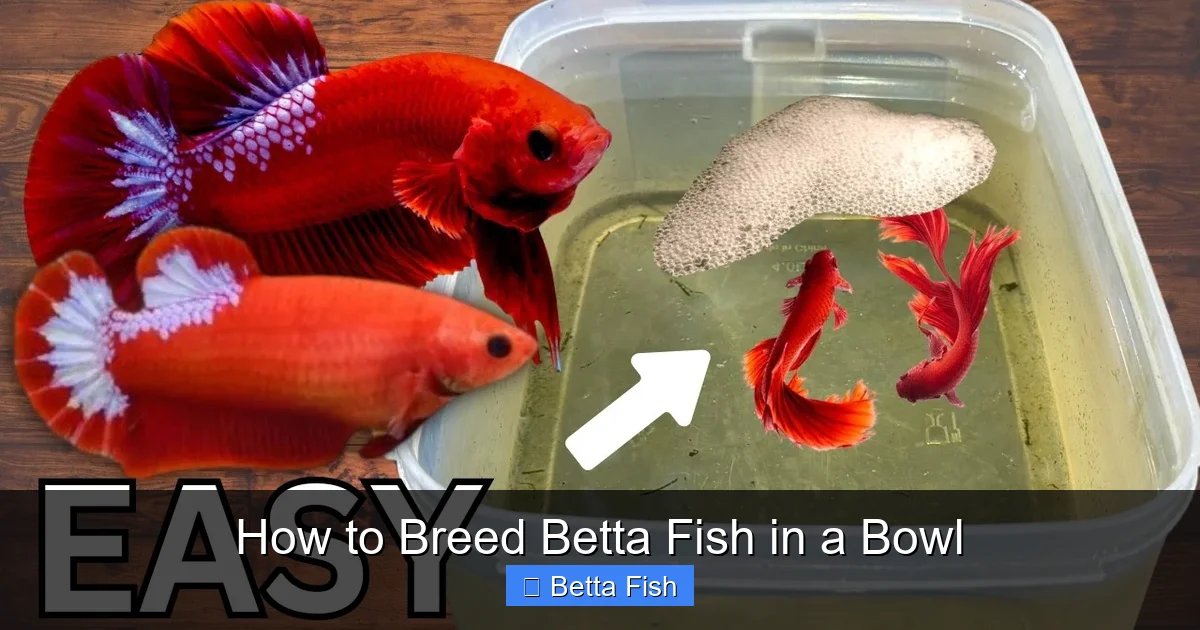
Visual guide about How to Breed Betta Fish in a Bowl
Image source: i.ytimg.com
1.2 Add a Gentle Heater
Betta breeding requires warm water—78‑80°F (25‑27°C) is the sweet spot. Use a submersible heater with an adjustable thermostat. Place it at the side of the bowl to avoid creating hot spots that could stress the fish.
1.3 Provide Light and a Lid
Bright, steady light isn’t needed during spawning. A simple desk lamp on a 12‑hour cycle works. Install a fine mesh lid or a piece of glass to keep the male from jumping out and to maintain humidity.
1.4 Décor That Helps, Not Hinders
Include a small piece of smooth slate or a piece of live plant (like Java moss) for the female to hide. Add a few smooth river stones for the male to build a bubble nest. Keep decorations minimal to make cleaning easier.
1.5 Water Quality Basics
Start with conditioned tap water. Dechlorinate it and let it sit for 24 hours. Then, fill the bowl, set the heater, and let the temperature stabilize. For ongoing care, read our guide on how to change water for betta fish in a bowl—regular 25 % water changes keep ammonia low and prevent fin rot.
2. Selecting a Healthy Breeding Pair
2.1 Identifying the Male
Look for a male with bright, flowing fins, a wide tail, and a broad, flared dorsal. He should be at least 4‑6 months old and show no signs of disease. A healthy male will build a bubble nest within a day of being placed in the bowl.

Visual guide about How to Breed Betta Fish in a Bowl
Image source: contohdari.com
2.2 Identifying the Female
Females are shorter, have smaller fins, and a more rounded body. Use the article how to tell the gender of a betta fish for visual cues. Choose a female that is also 4‑6 months old and free of fin rot or clouded eyes.
2.3 Quarantine Before Breeding
Place each fish in a separate quarantine tank for at least a week. This prevents the spread of hidden parasites and gives you a chance to treat any early signs of disease. If you notice fin rot, consult how to fix fin rot in a betta fish before proceeding.
3. Setting Up the Breeding Environment
3.1 Conditioning the Parents
Feed both fish high‑quality protein foods (brine shrimp, bloodworms) twice daily for a week. This boosts their energy reserves for spawning.

Visual guide about How to Breed Betta Fish in a Bowl
Image source: assets-global.website-files.com
3.2 Adjusting Water Parameters
Raise the temperature to 80°F (27°C) a day before introducing the pair. Slightly soften the water (pH 6.5‑7.0) using Indian almond leaves or peat to mimic natural breeding waters.
3.3 Introducing the Pair
Place the male in the bowl first and let him establish a bubble nest. After the nest appears, gently add the female using a small container to avoid a sudden splash. Observe from a distance; if aggression spikes, be ready to separate them.
3.4 Simulating Rain
Betta fish often spawn after a rainstorm. Lightly mist the surface of the water with a spray bottle for 10‑15 minutes, twice a day, for two days. The sound and temperature drop trigger spawning hormones.
4. The Spawning Process
4.1 Courtship Behaviors
The male will flare his fins, display his colors, and circle the female. He may also gently nudge her with his head. If the female is receptive, she will respond by opening her mouth and “wiggling” her body.
4.2 Egg Laying and Fertilization
When ready, the female will release 20‑30 eggs at a time, which the male immediately fertilizes. The male gathers the eggs in his mouth and places them in the bubble nest. This can happen several times over a 24‑hour period.
4.3 Removing the Female
Once the female has laid all her eggs (usually within 12‑24 hours), carefully net her out and place her in a separate quarantine bowl. Keeping her with the male can lead to stress or accidental egg eating.
4.4 Protecting the Nest
The male guards the nest aggressively. Do not disturb the bowl during this time. If the male appears overly aggressive toward you, give him space.
5. Caring for the Eggs and Fry
5.1 Incubation Period
Betta eggs hatch in 24‑36 hours at 78‑80°F. The male continues to tend the nest, adding fresh bubbles and removing any unfertilized eggs.
5.2 First Feeding – Infusoria
When the fry become free‑swimming (about 3‑4 days old), they need microscopic food. You can culture infusoria by adding a piece of lettuce to a jar of water and letting it sit for a day. Feed a few drops with a turkey baster 3‑4 times daily.
5.3 Transition to Baby Brine Shrimp
After a week, the fry are large enough for newly hatched brine shrimp. Rinse the shrimp well to remove excess salt before feeding.
5.4 Moving Fry to a Rearing Tank
When the fry are 5‑7 days old and can eat brine shrimp, transfer them to a separate 5‑gallon rearing tank. Use a fine mesh net to avoid stressing them.
5.5 Ongoing Water Maintenance
Perform 30 % water changes daily in the breeding bowl until the male is removed. Keep the temperature stable and monitor for signs of disease. A clean environment reduces the risk of fungal growth on the eggs.
6. Troubleshooting Common Problems
6.1 Male Eats the Eggs
Sometimes a stressed male will eat his own eggs. If this happens, remove the male immediately and place the eggs in a separate container with a few drops of methylene blue (follow dosage instructions).
6.2 Poor Bubble Nest
A weak nest can be caused by low temperature or poor water quality. Raise the temperature by 1‑2°F and perform a partial water change.
6.3 Fry Not Hatching
Check that the water temperature stayed within range. Sudden drops can halt development. Also verify that the eggs were fertilized; unfertilized eggs turn white and should be removed.
6.4 Disease Outbreak
If you see white spots or fuzzy growth, treat the water with a mild dose of aquarium salt (1 g per 5 gallons) and increase water changes. For persistent infections, refer to our article on how to fix fin rot in a betta fish.
Conclusion: From Bowl to Brilliant Breeder
Breeding betta fish in a bowl may seem daunting, but with careful preparation, good water habits, and a calm approach, you can enjoy the full life cycle of these fascinating fish. Remember to keep the water clean, watch the temperature, and feed the fry the right foods at each stage. As you gain confidence, you might graduate to a larger tank, but the skills you learn in a bowl will serve you for life.
Happy breeding, and may your bowl be filled with bright colors and lively fry!
Frequently Asked Questions
Can I breed betta fish in a small bowl?
Yes, a 1‑gallon bowl is sufficient for a single breeding pair, as long as you maintain proper temperature, water quality, and provide a bubble nest area.
How long does it take for betta eggs to hatch?
Eggs typically hatch in 24‑36 hours at 78‑80°F. The male continues to guard the nest until the fry become free‑swimming.
Do I need a filter in the breeding bowl?
A gentle sponge filter can help keep the water clear, but it must not disturb the bubble nest. Regular water changes are more important for a small bowl.
What should I feed the betta fry?
Start with infusoria for the first few days, then move to newly hatched brine shrimp as the fry grow. Feed small amounts 3‑4 times a day.
How do I know if my betta pair is ready to breed?
Both fish should be mature (4‑6 months old), healthy, and the male should be actively building a bubble nest. Conditioning them with high‑protein foods for a week also signals readiness.
Can I keep the male after the fry are born?
Yes, but only if you remove the eggs and fry to a separate tank. The male may become aggressive toward the fry once they are free‑swimming.