How Can You Tell If Your Betta Fish Is Sleeping

Figuring out how can you tell if your betta fish is sleeping is simpler than you think. Betta fish have unique sleep patterns that differ from humans, and they can rest in some surprising positions. By watching your betta’s behavior, breathing rate, and color, you can easily spot when your fish is getting the rest it needs.
If you have ever wondered how can you tell if your betta fish is sleeping, you are not alone. Many betta fish owners stare at their tanks for hours trying to figure out if their colorful friend is awake or resting. The truth is, betta fish sleep in very different ways than we do. They do not close their eyes, and they do not curl up in a cozy little ball. Instead, they find a quiet spot and stay still for hours. Once you learn the signs, you will never second-guess your fish again.
Understanding your betta’s sleep habits is a big part of being a good fish owner. Just like us, bettas need rest to stay healthy and happy. When they do not get enough sleep, their immune system weakens, their colors fade, and they become stressed. On the flip side, too much sleep can also be a warning sign. This guide will walk you through everything you need to know about betta fish sleeping habits, from normal positions to red flags that something might be wrong.
Key Takeaways
- Betta fish sleep with their eyes open: Unlike humans, bettas never close their eyes, so you must watch for other signs.
- Lying on the bottom or hovering in one spot are the most common sleep positions for bettas.
- Color fading and slower breathing are reliable indicators that your betta is resting.
- A proper day-night cycle with dim lighting helps your betta get quality sleep.
- Excessive sleeping or unusual positions can signal health issues that need attention.
- Bettas need 8 to 12 hours of darkness each day to stay healthy and rested.
📑 Table of Contents
Understanding Betta Fish Sleep Basics
How can you tell if your betta fish is sleeping starts with understanding what sleep looks like for a fish. Bettas are freshwater fish that originate from the warm, slow-moving waters of Southeast Asia. In the wild, they follow a natural day-night cycle that guides their sleep patterns. Your pet betta at home relies on the same instincts, even if its tank sits on a desk in a bright room.
Bettas are diurnal creatures, which means they are active during the day and sleep at night. However, they also take short naps throughout the day. These little power naps can last anywhere from a few minutes to a couple of hours. You might notice your betta hovering in one place or resting on a plant leaf. This is completely normal and nothing to worry about.
Why Sleep Matters for Betta Fish
Sleep plays a huge role in your betta’s overall health. During rest, your fish repairs cells, consolidates memory, and recharges its energy. A well-rested betta will have vibrant colors, a healthy appetite, and an active swimming pattern. On the other hand, a sleep-deprived betta can become lethargic, lose its appetite, and even fall ill more easily.
One of the most important things you can do for your betta is to maintain a consistent day-night cycle. Use a timer for your tank lights so your fish gets 8 to 12 hours of darkness every night. This mimics natural conditions and helps your betta settle into a healthy sleep routine. Can you leave your betta fish in the dark? Absolutely, and in fact, darkness is essential for quality rest.
Common Sleeping Positions and What They Mean
When you are learning how can you tell if your betta fish is sleeping, the first thing to notice is the position. Bettas can sleep in several different ways, and each one tells you something about how comfortable your fish feels.
Lying on the bottom of the tank is the most common sleep position. Your betta might rest flat on the gravel or hover just above it. Some bettas prefer to sleep on a leaf or a decoration near the bottom. This position is perfectly normal, especially at night when the lights are off.
Another position you might see is floating near the surface. Some bettas like to drift just below the water line and rest there. They might tilt slightly to one side or float completely still. This is also a normal sleeping behavior, and many bettas do this during daytime naps.
A third position is hiding behind decorations or plants. Bettas feel safer in enclosed spaces, so they often choose a cozy corner to nap. If your betta retreats to its favorite hiding spot and stays still, it is probably catching some zzzs.
When Sleeping Positions Signal a Problem
Most sleeping positions are harmless, but some can indicate trouble. If your betta is lying on the bottom and not moving for long periods during the day, it could be a sign of lethargy. Lethargy often points to poor water quality, incorrect temperature, or illness. How do you know if your betta fish is sick? Look for additional signs like loss of appetite, clamped fins, or unusual spots on the body.
Similarly, if your betta is floating at the top and unable to sink, this could be a sign of swim bladder issues or bloating. In these cases, you should check your water parameters and consider whether you have been overfeeding your fish. Can you overfeed your betta fish? Yes, and overfeeding is one of the leading causes of digestive problems in bettas.
Physical Signs That Your Betta Is Asleep
How can you tell if your betta fish is sleeping goes beyond just watching where your fish sits. There are several physical signs that reveal when your betta is in rest mode. These subtle cues are easy to miss if you do not know what to look for.
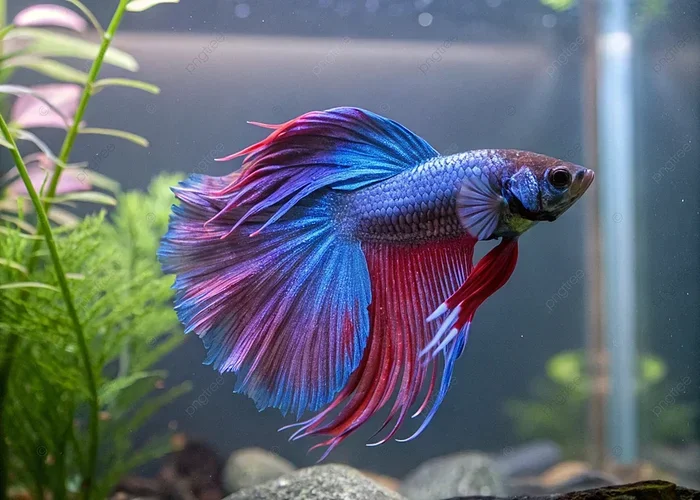
Color fading is one of the most reliable signs. When a betta sleeps, its body reduces blood flow to the skin to conserve energy. This causes the colors to look dull or pale. A vibrant betta that suddenly looks washed out while sitting still is almost certainly asleep. When it wakes up, the colors will return to full brightness.
Slower breathing is another telltale sign. A resting betta breathes more slowly than an active one. Watch the gills carefully. You will notice the gill covers move less frequently during sleep. This slower breathing rate helps the fish conserve oxygen and energy while it rests.
Complete stillness is the most obvious sign. An active betta that suddenly stops moving and stays in one place for an extended period is likely sleeping. Bettas are not known for being still during the day, so any long period of inactivity is a strong indicator of sleep.
Do Betta Fish Close Their Eyes?
Here is a fun fact that surprises many new fish owners: bettas do not close their eyes when they sleep. They do not have eyelids, so their eyes remain open at all times. This can be confusing for owners who expect their fish to look sleepy the way a cat or dog does. Do not worry if your betta stares right back at you while resting. That is just how bettas are built.
Setting Up the Right Environment for Sleep
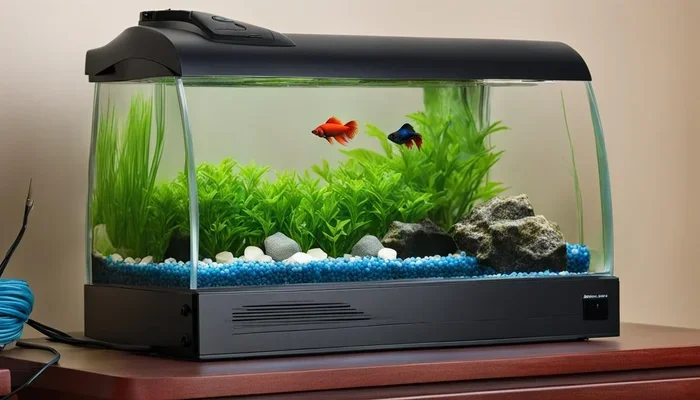
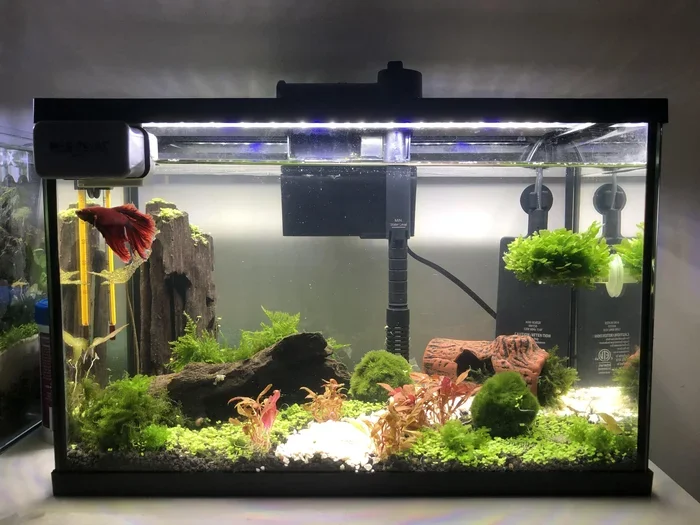
Creating the perfect sleep environment for your betta is one of the best things you can do as an owner. A well-designed tank setup does more than just look pretty. It directly impacts your fish’s ability to rest properly every night.
Lighting is the most important factor. Bettas need a clear distinction between day and night. Keep the tank lights on for 8 to 10 hours during the day, and turn them off completely at night. Avoid placing the tank near a window where sunlight might confuse your fish’s internal clock. Too much light can cause stress and disrupt the sleep cycle.
Tank temperature also plays a role. Bettas are tropical fish and need warm water between 76 and 82 degrees Fahrenheit. Cold water can make your betta sluggish and disrupt its sleep patterns. Use a reliable heater and thermometer to maintain a stable temperature. Can you use tap water for your betta fish? Yes, but always treat it with a water conditioner first to remove chlorine and chloramine that can harm your fish.
Noise and vibrations can disturb your betta’s sleep more than you might think. Place the tank in a quiet area away from loud speakers, televisions, and high-traffic footpaths. Sudden vibrations can startle your fish and cause stress, which makes it harder for your betta to settle down at night.
Quick Tips for Better Betta Sleep
- Use a timer for your tank lights to keep the schedule consistent every day.
- Add live plants to give your betta cozy spots to hide and nap.
- Keep the water clean with regular partial water changes.
- Avoid sudden changes in lighting or room temperature near the tank.
- Dim the room lights an hour before turning off the tank lights to help your betta wind down.
When to Worry About Your Betta’s Sleep
Most of the time, a sleeping betta is a healthy betta. But there are moments when excessive sleeping or unusual behavior warrants a closer look. Knowing the difference between normal rest and a potential problem is key to keeping your fish in top shape.
If your betta sleeps more than usual and seems unresponsive when you approach the tank, pay attention. A healthy betta should react to your presence by swimming over or showing interest in food. If your fish barely moves or takes too long to respond, something might be off. How can I tell if my betta fish is dying? Look for additional symptoms like white spots, torn fins, labored breathing, or lying motionless at the bottom for hours without waking up.
Sudden changes in sleep patterns can also be caused by stress. Common stressors include poor water quality, aggressive tank mates, loud noises, and sudden temperature drops. If you have recently changed anything in the tank setup, that could be the culprit. How do you know if your betta fish is stressed? Watch for clamped fins, loss of color, hiding constantly, and refusing food.
How can you tell if your betta fish is sick versus just tired? A sick betta will show physical symptoms alongside lethargy. Look for bloating, white fuzz, red streaks, or loss of scales. A tired betta will return to normal behavior after a good nap. If the lethargy persists for more than a day or two, it is time to test the water and consider a visit to a fish veterinarian.
Also, keep in mind that older bettas tend to sleep more than younger ones. As bettas age, their energy levels naturally decrease. If your fish is over two years old and seems to nap more frequently, this is likely just a normal part of aging. Can you tell how old a betta fish is? It can be tricky, but signs like fading colors and slower movement can give you clues.
Building a Healthy Day-Night Routine
Consistency is the secret to a well-rested betta. Bettas thrive on routine, and when you establish a predictable schedule, your fish will naturally know when to be active and when to rest. This reduces stress and promotes better overall health.
Start by picking a regular time to turn the lights on and off. For example, you might turn the lights on at 8 AM and off at 8 PM. Stick to this schedule even on weekends. Your betta will adjust its internal clock to match the routine, and you will start to notice predictable patterns of activity and rest.
During the day, your betta should be actively swimming around the tank, exploring its environment, and begging for food at feeding times. At night, it should settle into a sleeping position and remain still. If you notice your betta being active late at night, it might be a sign that the lighting in the room is too bright or that the tank is near a source of disturbance.
You can also enrich your betta’s daytime experience to encourage natural activity patterns. How do you play with your betta fish? You can use a small mirror for short periods, float a ping pong ball, or train your betta to follow your finger. These activities stimulate your fish mentally and physically, which helps it sleep better at night. Just remember to keep play sessions short and not right before lights-out.
Another important aspect is the tank environment. A well-planted tank with plenty of hiding spots gives your betta the sense of security it needs to relax fully. Bettas feel vulnerable when sleeping, so having multiple options for resting spots helps them feel safe enough to enter deep rest. Consider adding silk plants, caves, or driftwood to create a natural and comforting habitat.
Final Thoughts on Betta Fish Sleep
Now that you know how can you tell if your betta fish is sleeping, you are well equipped to be a more attentive and caring owner. Sleep is not just a passive activity for your betta. It is a vital process that supports its immune system, mood, and longevity. By paying attention to your fish’s positions, breathing rate, and color changes, you can quickly tell when it is resting and when something might be wrong.
Keep your betta’s environment consistent, maintain clean water, and provide a proper day-night cycle. These simple steps go a long way toward ensuring your fish gets the quality rest it deserves. And when you do notice something unusual, trust your instincts. You know your fish better than anyone, and you are the first line of defense when it comes to its health.
How do you know if your betta fish is happy? A happy betta is an active betta that sleeps well, eats eagerly, and displays bright, vivid colors. If your fish checks all those boxes, you are doing a great job. Keep up the excellent care, and your betta will reward you with years of vibrant, peaceful companionship.
Frequently Asked Questions
Do betta fish close their eyes when they sleep?
No, betta fish do not have eyelids, so they cannot close their eyes. Their eyes remain open even while sleeping. You will need to look for other signs like stillness, color fading, and slower breathing to know your betta is resting.
Is it normal for my betta fish to sleep a lot during the day?
Some daytime napping is completely normal. Bettas take short naps throughout the day in addition to their nighttime sleep. However, if your betta sleeps for most of the day and shows no interest in food or activity, it could be a sign of stress or illness that needs attention.
Why is my betta fish lying on the bottom of the tank?
Lying on the bottom can be a normal sleeping position, especially at night. But if it happens during the day and your fish seems unresponsive, it could indicate poor water quality, low temperature, or sickness. Check your water parameters and watch for other symptoms before assuming it is just sleep.
How many hours of sleep does a betta fish need?
Bettas need about 8 to 12 hours of darkness each night to get proper rest. They also take short daytime naps that add up to a few more hours of total sleep. Maintaining a consistent light schedule helps your betta get the right amount of rest.
Can I leave a light on over my betta fish tank at night?
No, you should not leave the light on at night. Bettas need complete darkness to sleep properly. Constant light causes stress, disrupts their sleep cycle, and can lead to health problems over time. Use a timer to automate the light schedule.
What should I do if my betta fish seems lethargic and is sleeping more than usual?
First, check your water parameters including temperature, pH, and ammonia levels. Make sure the tank is clean and the heater is working correctly. If the water conditions are good and your betta still seems excessively tired, consider whether it might be sick and look for additional symptoms like loss of appetite or physical changes.