Can You Put Two Betta Fish in the Same Tank Safely
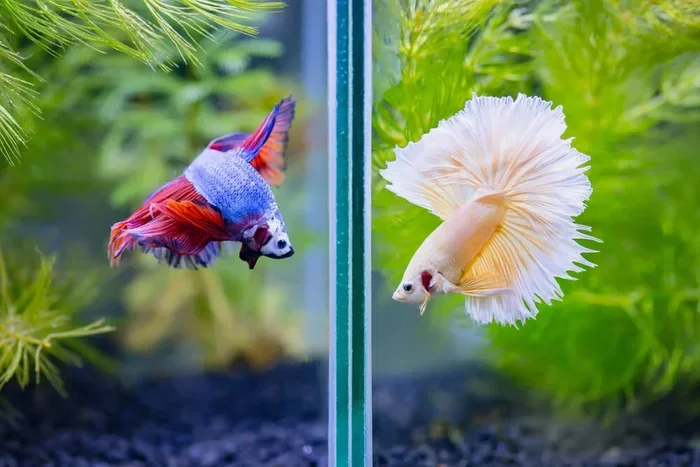
Many new owners ask can you put two betta fish in the same tank without risking injury or stress. The short answer is usually no, especially for males, but there are safe exceptions with proper planning. This guide explains the rules, tank requirements, and compatible tank mates so you can make the right choice for your aquarium.
If you are new to aquariums, you may have heard bettas called Siamese fighting fish. That name is a big clue about their personality. Many people ask can you put two betta fish in the same tank and expect a simple yes or no. The truth is a bit more nuanced. In most home aquariums, putting two male bettas together leads to stress, injury, or worse. But there are situations where careful planning can help, especially with females or with a single betta and peaceful tank mates.
This guide will walk you through the basics of betta behavior, tank requirements, and safe setup choices. You will learn what to avoid, what to watch for, and how to create a calm environment. Whether you are setting up your first tank or adding to an existing one, good betta fish care starts with understanding their needs.
Key Takeaways
- Males should not share a tank: Two male bettas will likely fight, so keep them separate unless you use a heavily divided or very large, carefully managed setup.
- Females can sometimes coexist: A female betta sorority may work in a spacious tank with plenty of hiding spots, but careful monitoring is essential.
- Tank size matters: Larger aquariums with stable water parameters reduce stress and aggression, improving the odds of peaceful cohabitation.
- Choose calm tank mates: Peaceful, non-fin-nipping species like small snails or certain bottom dwellers can share a tank with a single betta more safely.
- Water quality is critical: Use treated tap water or appropriate alternatives, and maintain filtration and heating to support healthy betta fish care.
- Watch behavior closely: If you see chasing, flaring, or hiding, be ready to separate fish quickly to prevent injury.
- Plan before you buy: Research compatibility, tank mates, and setup needs so you can answer can you put two betta fish in the same tank with confidence.
📑 Table of Contents
Can You Put Two Betta Fish in the Same Tank Safely?
The quickest answer is that two male bettas should not share the same tank. Males are territorial and will often flare, chase, and fight when they see another male. This behavior is natural, but it can turn dangerous fast in a small space. If you are wondering can you put two betta fish in the same tank, the safest default is to keep males separate.
Females are a different story. A group of females can sometimes live together in a larger tank with lots of plants and hiding places. This is called a sorority, and it requires patience and observation. Even then, some females may never settle down together. The key is space, structure, and close monitoring.
Male Betta Behavior and Territorial instincts
Male bettas are famous for their bright colors and flowing fins, but they are also known for defending their space. In the wild, they claim small territories and react strongly to rivals. In a tank, that instinct does not disappear. When two males meet, they may display aggressive posturing before physical contact happens.
This is why many owners search for answers to can you put two male betta fish in the same tank and end up learning that separation is the safer choice. A divided tank can let you enjoy more than one betta while still protecting them from direct conflict. If you want to explore that setup, you can read more about whether two male betta fish can live in the same tank and what kind of divider setup may help.
Female Betta Groups and Sorority Tanks
Female bettas are often less flashy than males, but they can still be assertive. In a sorority, the goal is to reduce competition by giving each fish enough room and plenty of places to hide. A crowded tank with sharp decorations and few plants usually increases tension. A well-planted tank with open swimming areas can help lower stress.
If you are considering this route, start with a larger aquarium and introduce the fish carefully. Watch for chasing, pinching, or constant hiding. If the aggression does not ease, you may need to separate the fish. For a deeper look at female compatibility, you can check whether female betta fish can live in the same tank and what signs suggest trouble early on.
Tank Size and Setup Matter More Than You Think
Tank size is one of the biggest factors in reducing stress. Small bowls and tiny tanks make it harder to maintain stable water and easier for fish to feel trapped. If you are asking can you put two betta fish in the same tank, the size of the aquarium should be one of your first considerations. More space gives fish room to establish boundaries and gives you better water stability.
A larger tank also supports better filtration and heating, which are both important for healthy bettas. Stable temperature and clean water help reduce irritation that can trigger aggression. If you are unsure whether your setup is suitable, you may want to review whether you can put a betta in a fish tank of a certain size and what features matter most.
Why Small Bowls Cause Problems
Small bowls are popular because they look simple, but they are often difficult to maintain. Water temperature can swing quickly, and waste builds up faster in low volumes of water. That means more stress for the fish and more work for you. If you are using a bowl, it is worth learning whether you can put tap water in a betta fish bowl and how to keep the environment safer.
The Role of Plants, Decor, and Hiding Places
Live or artificial plants can give bettas places to rest and hide. This is especially helpful when you are trying to reduce tension between fish. Smooth decorations are better than sharp ones because bettas have delicate fins. If you like the idea of adding natural elements, you might also explore whether you can put plant stems in a large betta fish tank without creating hazards.
A good setup usually includes:
- Enough swimming space for the number of fish
- Plants or decorations that break up lines of sight
- A gentle filter that does not create strong currents
- A heater that keeps the water at a stable temperature
- Easy access for cleaning and water changes
Water Quality and the Right Water for Betta Tanks
Healthy water is the foundation of good betta fish care. Even a peaceful tank can become stressful if the water is dirty, too cold, or chemically unbalanced. When people ask can you put two betta fish in the same tank, they often focus on behavior, but water quality can influence aggression too. Poor conditions make fish more irritable and more vulnerable to illness.
Tap water is commonly used, but it usually needs treatment before it goes into the tank. Chlorine and chloramines can harm fish and beneficial bacteria. If you are new to this, you may want to learn whether you can use tap water in a betta fish tank and how to prepare it properly. A water conditioner is a simple way to make tap water safer for your aquarium.
Tap Water, Conditioner, and Safe Water Choices
If you use tap water, let a conditioner remove harmful chemicals before adding it to the tank. This is especially important during water changes. Some owners also wonder about bottled or purified water, but those options can lack beneficial minerals or create balance issues. If you are comparing options, you can read whether you can put bottled water in a betta fish tank and what the trade-offs are.
Here is a simple comparison of common water choices:
| Water Type | Pros | Cons |
|---|---|---|
| Treated tap water | Easy to get, affordable, good mineral balance when conditioned | Needs dechlorination, quality varies by location |
| Bottled water | Convenient, often low in chlorine | Can be costly, mineral content may be inconsistent |
| Distilled water | Very pure | Lacks minerals, usually needs remineralization |
| Purified water | Clean and consistent | May need additives to support fish health |
Whichever water you choose, test it regularly and keep the temperature steady. A stable environment helps fish stay calm and healthy. If you are curious about other water types, you can also look into whether you can put distilled water in a betta fish tank before making a decision.
Tank Mates and Community Aquarium Options
Sometimes the question is not just about two bettas, but about whether a betta can share a tank with other species. A single betta may do well with peaceful tank mates in a properly sized aquarium. That said, not every fish is a good match. Fin nippers, aggressive species, and overly active fish can stress a betta out.
If you are thinking about adding companions, start by asking whether you can put other fish in with a betta and which species are calm enough for community life. Small bottom dwellers, certain snails, and some peaceful schooling fish are often discussed as possible options. The actual success depends on your tank size, layout, and the individual betta’s personality.
Snails, Small Fish, and Peaceful Companions
Snails are popular because they are generally slow and low-conflict. They can help clean up leftover food, though they still need proper care. Some owners also ask whether snails can be in the same tank as betta fish and how to introduce them safely. In many cases, snails can work well, but you should still monitor the tank for bullying or stress.
Other possible companions are usually chosen for their calm behavior. Good candidates are often small, non-aggressive, and unlikely to chase the betta. Avoid fish that are known to nip fins or compete aggressively for space. If you want to compare species, you might look at whether guppies and betta fish can live in the same tank or whether other colorful species are a better fit.
When Two Bettas and Other Fish Do Not Mix
Even if a species is generally peaceful, your betta may still react badly. Some bettas are more territorial than others. If you notice constant flaring, hiding, loss of appetite, or damaged fins, the setup may not be working. In that case, it is better to separate the fish than to wait for injuries to get worse.
For owners who want to keep multiple bettas in one room, a common solution is a tank divider or separate aquariums. If you are curious about mixed-gender arrangements, you can read whether you can put two male betta fish with a female and what risks that may create. These setups need careful planning and are not recommended for beginners.
Common Mistakes When Housing Bettas Together
One of the biggest mistakes is assuming that all bettas will behave the same way. Some are calm, while others are intensely territorial. Another common error is choosing a tank that is too small or decorating it with sharp objects. Both issues can increase stress and make conflict more likely.
People also forget that introductions matter. Dropping a new fish into an established tank without preparation can trigger immediate aggression. If you are planning to add any fish, take it slow and observe closely. It is also smart to review whether you can put a betta fish in a tank right away after purchase, since acclimation and water readiness matter.
Quick Tips for Safer Betta Cohabitation
- Use the largest tank you can reasonably maintain
- Add plants and decorations to break up sightlines
- Keep water clean, warm, and well filtered
- Introduce new fish gradually and watch behavior daily
- Be ready to separate fish if aggression increases
- Avoid sharp decor and strong water currents
Common Mistakes to Avoid
- Housing two males together without a divider
- Using a tiny bowl or unfiltered tank for multiple fish
- Ignoring signs of stress, such as clamped fins or hiding
- Adding aggressive or fin-nipping tank mates
- Skipping water treatment before filling the tank
- Overcrowding the aquarium with too many decorations or fish
Expert Insights and Best Practices for Betta Care
Experienced keepers often say that bettas are easiest to care for when their environment matches their needs. That means warm water, clean conditions, and enough space to feel secure. If you want to keep more than one betta in the same room, the safest approach is usually separate tanks or a carefully divided setup. This gives you the beauty of multiple bettas without the risk of direct fighting.
If you are wondering whether you can put a betta in a regular fish tank, the answer is yes as long as the tank is properly sized and maintained. A stable setup with gentle filtration and good heating is usually more important than fancy accessories. The best tank is one that supports consistent betta fish care and gives you a clear view of your fish’s behavior.
Signs Your Setup Is Working
- Fish explore the tank without constant hiding
- Color and appetite stay healthy
- Fins look full and relaxed, not clamped
- There is little chasing or prolonged flaring
- Water parameters remain stable between changes
When to Separate Fish Immediately
- One fish is chasing the other nonstop
- You see torn fins, wounds, or scale loss
- A fish is pinned to the bottom or corner
- Appetite drops sharply after a new addition
- Stress signs continue even after rearranging the tank
Conclusion
So, can you put two betta fish in the same tank safely? In most cases, the answer is no for two males and only possibly yes for females with the right tank and careful monitoring. The safest path is to understand betta behavior, choose an appropriate tank size, and prioritize clean, stable water. If you want multiple bettas, separate tanks or a well-planned divided setup are often the best choice.
Good betta fish care is about more than color and personality. It is about giving each fish a calm, healthy home. When you plan ahead, watch behavior closely, and avoid common mistakes, you set yourself up for a much better experience. Whether you keep one betta or several in separate tanks, a thoughtful setup will help them thrive.
Frequently Asked Questions
Can you put two male betta fish in the same tank?
In most cases, no. Two males usually fight because they are highly territorial, so separate tanks or a properly divided setup is safer.
Can you put two female betta fish in the same tank?
Sometimes, if the tank is large and filled with plants and hiding spots. A sorority can work, but you must watch for aggression and separate fish if needed.
Can you put two betta fish in the same tank if it is very large?
A larger tank helps reduce stress, but it does not guarantee peace. Males may still fight, so size alone is not a sure solution.
Can you put two betta fish in the same tank with other fish?
A single betta may share a tank with peaceful tank mates, but adding another betta makes the setup more complicated. Choose calm species and monitor closely.
Can you put two baby betta fish in the same tank?
Juvenile bettas may tolerate each other better for a while, but aggression can increase as they mature. It is still important to watch behavior and be ready to separate them.
What is the safest way to keep more than one betta?
The safest option is separate tanks or a divided aquarium that prevents direct contact. This lets you enjoy multiple bettas while reducing the risk of injury.