Is Salmon Better Than White Fish
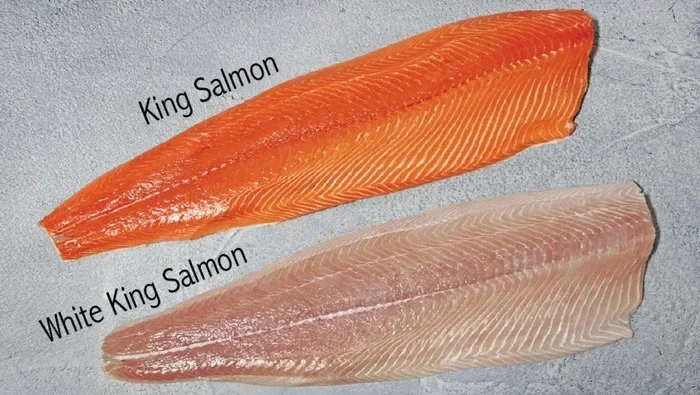
Salmon often wins the nutrition debate thanks to its superior omega-3 fatty acid content, higher protein levels, and richer vitamin profile compared to most white fish varieties. While white fish like cod, tilapia, and halibut offer lean, low-calorie options that support heart health and weight management, salmon delivers significantly more essential nutrients per serving, making it a top choice for those looking to maximize their dietary benefits. Ultimately, the best pick depends on your health goals, taste preferences, and budget — and this guide breaks down exactly how each stacks up.
Key Takeaways
- Salmon delivers superior omega-3s: supports heart and brain health.
- White fish offers lean protein: fewer calories aid weight management.
- Both fish lower disease risk: eat either regularly for benefits.
- Salmon provides more vitamin D: boosts bone and immune health.
- White fish has lower mercury: safer for frequent consumption.
- Sustainability matters most: choose eco-friendly fish regardless of type.
- Cooking method impacts nutrition: how you prepare fish is key.
📑 Table of Contents
Is Salmon Better Than White Fish
Is salmon better than white fish? This is one of the most common questions people ask when standing in the seafood aisle. The truth is, both salmon and white fish have unique strengths that make them worth your attention. Salmon packs a powerful nutritional punch with its rich omega-3 fatty acids and bold flavor. On the other hand, white fish like cod and tilapia offer a mild taste, leaner profile, and budget-friendly price points. In this guide, we break down everything you need to know to make the best choice for your health, your taste buds, and your wallet.
By the end, you will understand exactly how these two popular seafood options compare in terms of nutrition, taste, cost, and versatility. Whether you are a seasoned cook or a beginner, this article has practical tips you can use right away. So let us dive in and settle the debate once and for all.
Introduction
Seafood lovers often find themselves torn between salmon and white fish. Both are excellent sources of protein and essential nutrients. But they differ in some pretty significant ways. Understanding these differences helps you pick the right fish for every meal.
Some people prefer the rich, buttery taste of salmon. Others lean toward the clean, mild flavor of white fish like cod or tilapia. There is no single winner here. Instead, the best choice depends on your personal goals. Let us explore what each option brings to the table.
What Makes Salmon Stand Out Compared to White Fish
When people ask if salmon is better than white fish, they are usually thinking about nutrition first. And honestly, salmon does have some standout qualities that make it a fan favorite around the world.
Nutritional Showdown
Let us start with the numbers. A typical 3-ounce serving of wild-caught salmon delivers roughly 20 grams of protein, along with a hefty dose of vitamin D and selenium. White fish like cod gives you about 20 grams of protein too, but with fewer calories and less fat overall.
Here is where things get interesting. Salmon contains more healthy fats, specifically omega-3 fatty acids. These fats support heart health, reduce inflammation, and boost brain function. White fish generally has less fat, which makes it a great option if you want a leaner meal.
- Salmon per 3 oz serving: ~200 calories, 12g fat, 20g protein, high omega-3
- Cod per 3 oz serving: ~90 calories, 1g fat, 20g protein, low omega-3
If you want more detailed info on how salmon stacks up against specific white fish, check out our deep-dive on is cod fish better than salmon. It covers the exact nutritional breakdown between these two popular options.
Omega-3 Content: The Big Differentiator
Omega-3 fatty acids are one of the biggest reasons people choose salmon over white fish. Salmon is loaded with EPA and DHA, two types of omega-3 that your body uses for cardiovascular health and mental clarity. White fish like tilapia and cod contain far less of these essential fats.
That said, white fish still offers solid nutritional value. It is a fantastic source of lean protein and contains important minerals like phosphorus and iodine. If you are watching your calorie intake, white fish can be the smarter pick for everyday meals.
Taste and Texture Differences
Food is about more than just nutrition. It needs to taste great too. And this is where salmon and white fish really diverge. Your personal preference here matters a lot when deciding which is better for you.
Salmon’s Rich Flavor Profile
Salmon has a bold, rich taste that many people describe as buttery or slightly sweet. The fat content gives it a luxurious mouthfeel that works beautifully when grilled, baked, or pan-seared. If you enjoy robust flavors, salmon is hard to beat.
The color alone tells a story. That deep orange-red hue comes from astaxanthin, a powerful antioxidant. This compound also supports skin health and may reduce signs of aging. You will not find that in most white fish varieties.
The Mild Appeal of White Fish
White fish like cod, tilapia, and haddock bring something different to the plate. They have a clean, mild taste that pairs well with almost any seasoning or sauce. If you do not enjoy strong fishy flavors, white fish is often the go-to choice.
Many home cooks love white fish because it absorbs marinades and spices beautifully. It also holds up well in dishes like fish tacos, chowders, and stir-fries. Think of white fish as a blank canvas. You can make it whatever flavor you want.
For a fun comparison of how different fish flavors stack up, our article on which fish is better, salmon or tuna, explores the taste and texture differences between two of the most popular seafood choices.
Health Benefits You Should Know About
Both salmon and white fish offer real, science-backed health benefits. But they support your body in different ways. Let us look at the most important ones.
Heart Health
Heart health is one of the top reasons people add more fish to their diet. Salmon’s high omega-3 content helps lower triglycerides, reduce blood pressure, and decrease the risk of heart disease. Studies consistently show that eating fatty fish like salmon at least twice a week supports a healthy cardiovascular system.
White fish also contributes to heart health, though in a more modest way. It provides lean protein without the saturated fat found in red meat. The American Heart Association recommends fish as part of a heart-healthy eating pattern, regardless of whether it is fatty or lean.
Brain Function and Mental Health
Your brain is largely made of fat, and it needs healthy fats to function properly. Salmon’s omega-3 content supports memory, focus, and mood regulation. Some research even suggests that regular salmon consumption may lower the risk of depression and cognitive decline as you age.
White fish does not deliver the same omega-3 punch, but it still provides essential nutrients like vitamin B12 and niacin that support neurological function. So while salmon gets the spotlight for brain health, white fish still plays a valuable role in a balanced diet.
Protein and Muscle Support
If your goal is building or maintaining muscle, both options serve you well. They deliver roughly the same amount of protein per serving. However, salmon’s additional fat content provides extra calories that can support muscle recovery after intense workouts.
For those focused on lean gains, white fish might be the better option. It gives you high-quality protein without the extra calories. Think of it as a bodybuilder’s secret weapon on cutting days.
Price and Availability
Let us talk about something that really matters at the grocery store: cost. The question of is salmon better than white fish often comes down to budget.
Cost Comparison
Salmon generally costs more than most white fish. A pound of fresh salmon can range from $12 to $25 depending on whether it is wild-caught or farmed. Cod, tilapia, and catfish are often available for $5 to $10 per pound. That is a significant difference if you are feeding a family or cooking frequently.
That said, prices vary based on location, season, and where you shop. Frozen salmon and white fish are usually more affordable options. Buying in bulk or choosing store brands can also help you save without sacrificing quality.
Seasonal Availability
Salmon is widely available year-round in most supermarkets. However, wild-caught salmon has peak seasons, typically in summer months. During these times, you may find better prices and fresher quality at fish markets.
White fish like cod and tilapia are also available throughout the year. Farm-raised options keep supply steady no matter the season. If you care about sustainability, look for labels that indicate responsible fishing practices. Our article on is farmed fish better than wild fish goes into detail about how farming practices affect quality and nutrition.
Cooking Methods and Versatility
How you cook your fish changes the experience dramatically. Both salmon and white fish respond well to different techniques, but each has its strengths in the kitchen.
Best Ways to Cook Salmon
Salmon is incredibly versatile. Here are some of the most popular methods:
- Grilled salmon: Gives you a smoky char and flaky texture. Brush with olive oil and season with lemon, garlic, and dill for a classic preparation.
- Baked salmon: Easy and hands-off. Wrap in foil with herbs and roast at 400°F for about 15 minutes.
- Pan-seared salmon: Creates a crispy skin and a juicy center. This restaurant-style method works great for dinner parties.
- Raw salmon: Think sashimi or smoked salmon. Some people prefer raw fish preparations for maximum nutrient retention. If you are curious about this approach, our article on is raw fish better for you than cooked covers the pros and cons in detail.
How to Prepare White Fish
White fish shines in lighter preparations. Here are some tried-and-true methods:
- Baked cod: Top with breadcrumbs and Parmesan for a crispy, crowd-pleasing dish.
- Pan-fried tilapia: Quick to cook and perfect for weeknight dinners.
- Steamed haddock: Preserves the delicate texture and clean flavor.
- Fish tacos: Grilled white fish in a warm tortilla with fresh slaw and lime crema is a summer staple.
The key takeaway is that white fish works beautifully in lighter dishes, while salmon holds its own in richer preparations. Both can absolutely be part of your weekly rotation.
Making the Right Choice for Your Needs
So, is salmon better than white fish? The honest answer depends on what you are looking for. Let us make this easy with a side-by-side comparison.
| Factor | Salmon | White Fish |
|---|---|---|
| Omega-3 Content | High | Low to Moderate |
| Calories (per 3 oz) | ~200 | ~90-120 |
| Protein | ~20g | ~20g |
| Flavor | Bold, buttery | Mild, clean |
| Price | Higher | Lower |
| Best For | Heart health, rich dishes | Lean meals, budget cooking |
Quick Tips for Choosing
- Pick salmon if you want maximum omega-3 benefits and enjoy bold flavors.
- Pick white fish if you prefer mild taste, lower calories, or a tighter budget.
- Eat both for variety and a well-rounded seafood diet.
- Check labels for wild-caught vs farmed options to support sustainable fishing.
Expert Insights
Nutritionists often recommend eating a mix of fatty and lean fish throughout the week. The Dietary Guidelines for Americans suggest at least two servings of seafood per week. Rotating between salmon and white fish gives you the best of both worlds: the omega-3 power of salmon and the lean flexibility of white fish.
Chef and seafood expert Barton Seaver once said, “The best fish is the one you will actually eat.” That is practical advice. Do not force yourself into a choice. Embrace the variety that the ocean offers.
Key Takeaways
- Salmon wins for omega-3 fatty acids, vitamin D, and rich flavor.
- White fish wins for low calories, mild taste, and affordability.
- Both are excellent sources of high-quality protein.
- Your best bet is to include both in your diet for balanced nutrition.
Conclusion
So, is salmon better than white fish? The answer is not a simple yes or no. Salmon stands out for its impressive omega-3 content, bold taste, and powerful health benefits for your heart and brain. White fish holds its own with a lean profile, mild flavor, and budget-friendly price that makes it accessible for everyday meals.
The real secret is variety. Eating a mix of fatty fish like salmon and lean options like cod or tilapia ensures you get a full spectrum of essential nutrients. Try grilled salmon on weekends for a nutrient-packed dinner. Swap in baked cod or pan-fried tilapia during busy weeknights when you need something quick and light.
Whatever you choose, make seafood a regular part of your diet. Your body will thank you for it. Now that you know the real differences, you can confidently pick the right fish for every meal and every occasion.
Frequently Asked Questions
Is Salmon Healthier Than White Fish?
Salmon is widely considered healthier than most white fish because it is rich in omega-3 fatty acids, vitamin D, and high-quality protein. White fish like cod or tilapia are leaner but offer fewer heart-healthy fats. Both are nutritious, but salmon provides more nutritional benefits per serving.
What Are the Main Differences Between Salmon and White Fish?
Salmon is a fatty fish with a bold flavor and a rich, oily texture, while white fish is leaner with a mild taste and firmer flesh. Salmon also contains significantly more omega-3s and healthy fats compared to most white fish varieties. These differences affect taste, cooking methods, and overall health benefits.
Is Salmon Better for Weight Loss Than White Fish?
White fish is slightly lower in calories and fat, making it a good choice for strict calorie restriction. However, the healthy fats in salmon promote satiety, which can help you feel full longer and reduce snacking. Both fish support weight loss when part of a balanced diet.
Which Has More Protein, Salmon or White Fish?
Salmon and white fish are both excellent protein sources, with salmon offering slightly more protein per serving. A typical 3-ounce portion of salmon provides around 22 grams of protein, while white fish like cod offers about 20 grams. The difference is small, so either choice supports muscle building and recovery well.
Can I Substitute Salmon for White Fish in Recipes?
Yes, you can swap salmon for white fish in most recipes, but keep in mind that salmon has a stronger flavor and oilier texture. It works great in grilled, baked, or pan-seared dishes but may change the overall taste profile. Adjust seasoning and cooking time to account for the differences.
Is Salmon More Expensive Than White Fish?
Salmon generally costs more than most white fish varieties like cod, tilapia, or haddock. The price difference comes from farming costs, demand, and the fish’s higher fat content. However, prices can vary depending on whether you buy fresh, frozen, or wild-caught options.