How Big Does a Betta Fish Get
Betta fish typically reach 2‑3 inches in length, though some can grow larger with proper care. Gender, genetics, tank size, and diet all play a role in determining how big a betta fish gets. Understanding these factors helps you provide the best environment for a healthy, vibrant fish.
Key Takeaways
- Typical adult size: Most bettas grow 2‑3 inches, with males often slightly larger than females.
- Genetics matter: Strain and lineage set the growth potential; wild‑type bettas can be a bit bigger.
- Tank space influences growth: A well‑sized, filtered tank encourages full growth, while cramped bowls stunt size.
- Nutrition is crucial: High‑quality protein‑rich foods promote healthy development.
- Gender differences: Males usually develop longer fins and may appear larger, but females can be longer-bodied.
- Health impacts size: Disease, stress, and poor water quality can halt growth.
- Monitoring growth: Regular measurement helps spot problems early and ensures optimal care.
📑 Table of Contents
- Introduction: Why Size Matters for Betta Owners
- 1. Typical Adult Size of a Betta Fish
- 2. Genetics: The Blueprint of Growth
- 3. Environmental Factors That Influence Growth
- 4. Nutrition: Feeding for Maximum Size
- 5. Gender Differences: Males vs. Females
- 6. Health Issues That Can Stunt Growth
- Practical Tips to Help Your Betta Reach Its Full Size
- Conclusion: Knowing How Big Does a Betta Fish Get Helps You Care Better
Introduction: Why Size Matters for Betta Owners
When you first see a betta fish gliding through the water, its vivid colors and flowing fins are hard to ignore. Yet many beginners wonder, how big does a betta fish get? The answer isn’t just a number—it’s a guide to proper tank setup, feeding, and overall health.
Knowing the expected adult size helps you choose the right aquarium, avoid common mistakes, and keep your fish thriving for years. In this article we’ll break down the typical size range, explore the factors that push a betta toward the larger or smaller end of that spectrum, and share practical tips to help your fish reach its full potential.
1. Typical Adult Size of a Betta Fish
Standard length expectations
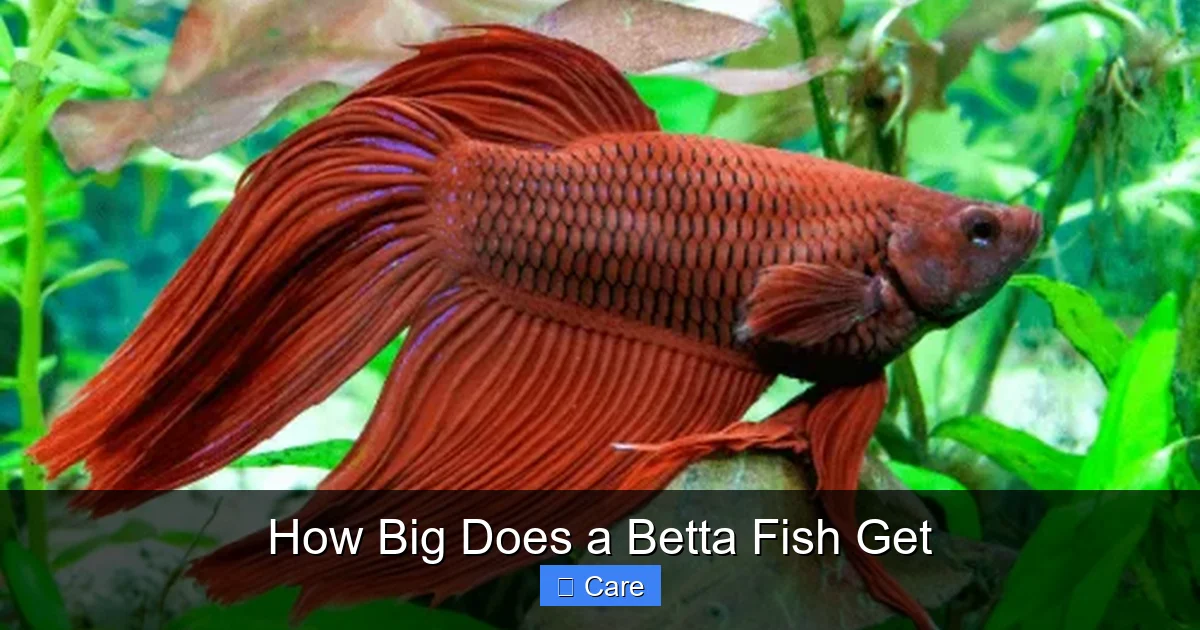
Most domesticated betta fish (Betta splendens) settle at a total length of 2 to 3 inches (5–7.5 cm) when fully grown. Males often appear larger because of their spectacular fins, while females tend to have a slightly more streamlined body.

Visual guide about How Big Does a Betta Fish Get
Image source: japanesefightingfish.org
Exceptions and outliers
Some wild‑type or “full‑blood” bettas can reach up to 3.5 inches under ideal conditions. Conversely, bettas kept in tiny bowls or poorly filtered water may never exceed 1.5 inches.
2. Genetics: The Blueprint of Growth
Strain differences
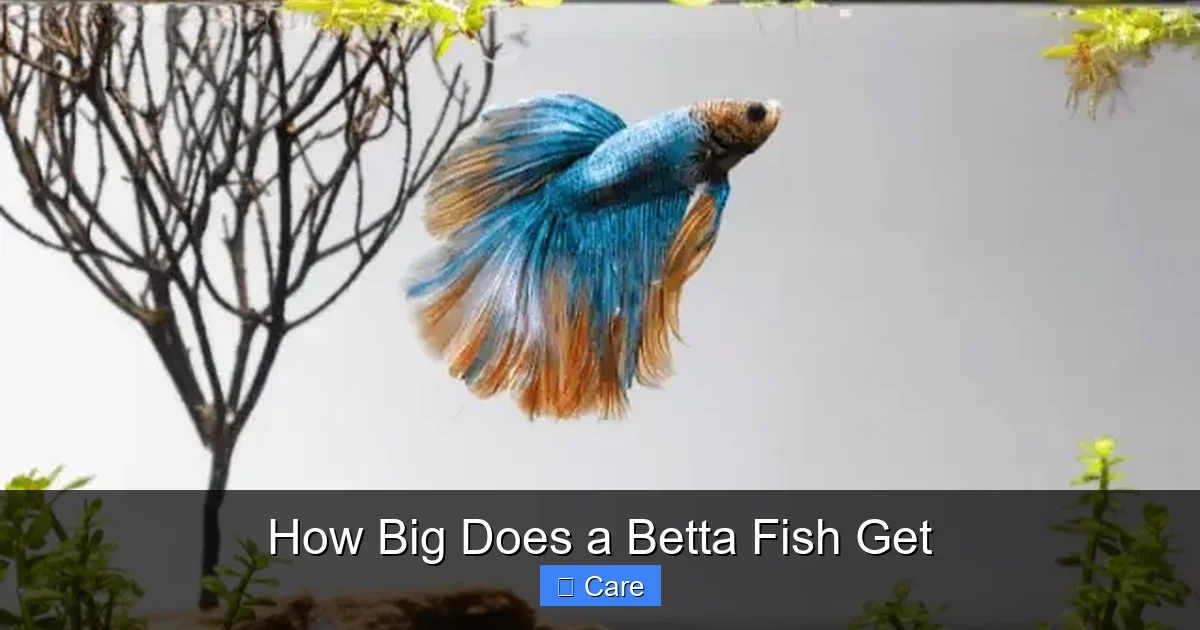
Selective breeding has produced a variety of strains—crowntail, halfmoon, veil tail, and dwarf bettas, to name a few. Dwarf varieties are intentionally bred to stay under 1.5 inches, while halfmoon and veil‑tail lines often push the 3‑inch mark.
Visual guide about How Big Does a Betta Fish Get
Image source: japanesefightingfish.org
Breeding for size
If you’re interested in a larger betta, look for reputable breeders who focus on strong genetics rather than just color. Healthy parent stock usually translates to offspring that can achieve the species’ maximum growth potential.
3. Environmental Factors That Influence Growth
Tank size and space
One of the biggest misconceptions is that bettas can thrive in tiny bowls. In reality, a minimum 5‑gallon tank provides enough swimming room and stable water parameters for full growth. Larger tanks also dilute waste, reducing stress that can stunt development.

Visual guide about How Big Does a Betta Fish Get
Image source: fishkeepingwisdom.com
Water quality and temperature
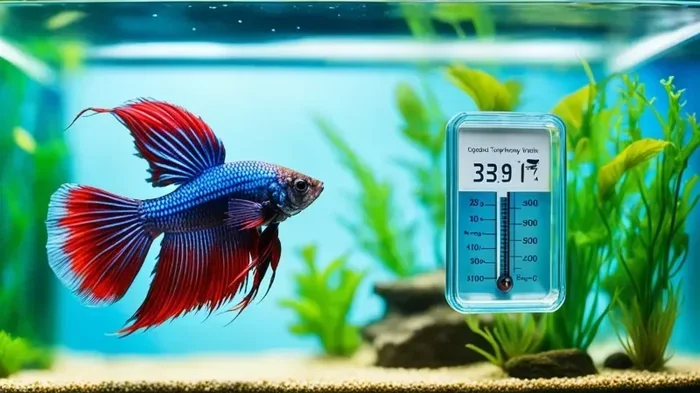
Betta fish are tropical and love warm water. Maintaining a temperature between 76‑82°F (24‑28°C) with a reliable heater promotes healthy metabolism. Regular water changes (20‑30% weekly) keep ammonia and nitrite low, preventing growth‑inhibiting stress.
Lighting and filtration
While bettas don’t need intense lighting, a gentle day/night cycle supports natural behavior. A modest filter (sponge or hang‑on‑back) provides water movement and biological filtration without creating strong currents that bettas dislike.
4. Nutrition: Feeding for Maximum Size
Protein‑rich diet
Betta fish are carnivores. High‑quality betta pellets that list “fish meal” or “crustacean protein” as the first ingredient should make up the bulk of their diet. Supplement with occasional frozen or live foods—brine shrimp, bloodworms, or daphnia—to boost growth.
Feeding frequency
Feed small portions 2‑3 times per day, offering only what the fish can consume in 2‑3 minutes. Overfeeding leads to bloating and poor water quality, both of which can limit size.
Vitamins and supplements
Occasional vitamin‑enriched treats help fill nutritional gaps, especially during rapid growth phases. Avoid using human foods or plant‑based flakes, which lack essential amino acids.
5. Gender Differences: Males vs. Females
Physical distinctions
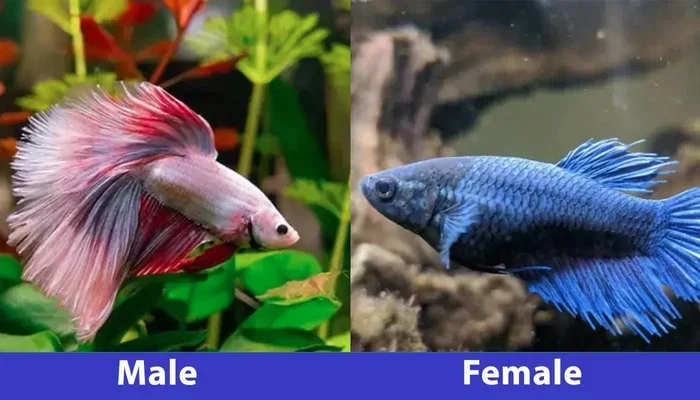
Male bettas are famous for their flowing fins and vibrant colors, which can make them appear larger. Females typically have shorter, more rounded fins but may have a slightly longer body. When measuring, include the tail fin for males and body length for females to get an accurate comparison.
Growth patterns
Both sexes reach adult size by 4‑6 months, but males often continue to add fin length for several weeks after reaching full body size. This “fin growth” can give the illusion of a larger fish, even if the body length is identical.
6. Health Issues That Can Stunt Growth
Common diseases
Fin rot, velvet, and ich can cause stress and appetite loss, directly affecting growth. Prompt treatment and quarantine of new fish reduce the risk.
Stress factors
Overcrowding, aggressive tank mates, and aggressive water flow are major stressors. A calm environment with plenty of hiding spots (plants, caves) encourages natural behavior and healthy development.
Monitoring growth
Measure your betta every month using a soft ruler or caliper. A sudden slowdown or reduction in size may signal underlying health problems that need immediate attention.
Practical Tips to Help Your Betta Reach Its Full Size
- Choose the right tank: Aim for at least 5 gallons with a gentle filter.
- Maintain stable water parameters: Keep temperature, pH (6.5‑7.5), and ammonia at optimal levels.
- Feed a balanced, protein‑rich diet: Use quality pellets and supplement with live/frozen foods.
- Provide enrichment: Live plants, silk plants, and driftwood give hiding places and reduce stress.
- Regular health checks: Look for signs of disease, monitor appetite, and track growth.
Conclusion: Knowing How Big Does a Betta Fish Get Helps You Care Better
Understanding the typical size range—2 to 3 inches for most bettas—and the factors that influence it empowers you to create the best possible environment. By selecting an appropriate tank, maintaining pristine water, feeding high‑quality protein, and watching for health issues, you give your betta the chance to grow to its full, colorful potential.
Remember, a happy, healthy betta not only looks stunning but also lives longer, giving you years of enjoyment. Keep these guidelines in mind, and you’ll answer the question how big does a betta fish get with confidence and success.
Frequently Asked Questions
How long does it take for a betta to reach its full size?
Betta fish typically reach adult length within 4‑6 months, though males may continue adding fin length for a few weeks after that.
Can a betta fish outgrow a 2‑gallon bowl?
Yes. A 2‑gallon bowl limits water quality and space, often stunting growth. A minimum 5‑gallon tank is recommended for full development.
Do male bettas really get bigger than females?
Males usually appear larger because of longer, more elaborate fins. Body length is similar, but fin growth can add an extra half‑inch or more.
Will feeding more food make my betta grow faster?
No. Overfeeding leads to poor water quality and health issues. A balanced, protein‑rich diet in proper portions supports healthy growth.
Can water temperature affect how big a betta gets?
Yes. Keeping the water between 76‑82°F (24‑28°C) ensures optimal metabolism. Temperatures that are too low can slow growth, while too high can stress the fish.
Are there betta strains that stay smaller?
Yes. Dwarf betta strains are bred to stay under 1.5 inches, making them a good choice for very small setups, though they still need proper care.