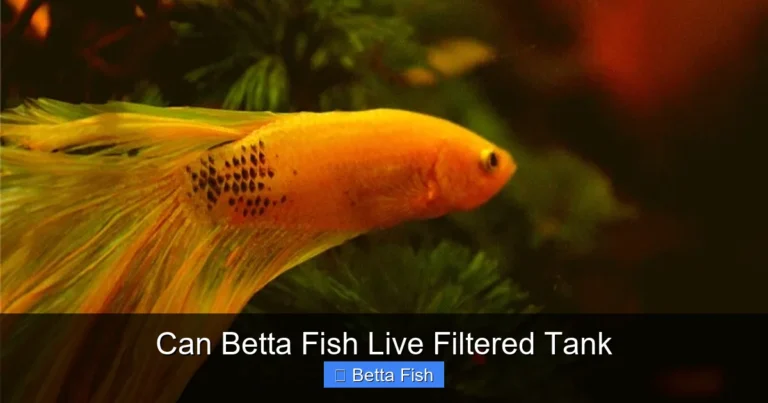
How Much Mental Stimulation Do Betta Fish Need

Betta fish need regular mental stimulation to stay healthy, active, and happy. Without enough engagement, bettas can become bored, stressed, and even develop health problems. Providing the right tank setup, enrichment activities, and interactive play keeps your betta mentally sharp and thriving.
Betta fish are beautiful, curious creatures. They explore their surroundings. They watch movement. They react to changes in their environment. But many fish owners overlook one important thing — how much mental stimulation do betta fish need. Without enough engagement, bettas can become bored. And a bored betta is an unhappy betta.
The good news is that keeping your betta mentally active is not hard. It does not require expensive equipment or hours of work. Small, consistent efforts make a big difference. In this guide, we will cover everything you need to know about betta fish enrichment, from tank setup to daily activities. You will learn the signs of a bored fish, the best enrichment ideas, and how to create a stimulating home for your finned friend.
Whether you are a beginner or a seasoned betta keeper, this article will give you practical tips you can use today. Let us dive in and explore the world of betta fish mental health together.
Key Takeaways
- Betta fish need daily mental stimulation to prevent boredom and stress.
- A well-decorated tank with plants, caves, and open swimming space boosts engagement.
- Interactive toys and mirror sessions can provide short bursts of mental activity.
- Signs of boredom include lethargy, glass surfing, and loss of appetite.
- Overstimulation is real — balance is key for your betta’s well-being.
- Feeding puzzles and varied diets add mental challenge to mealtime.
- A proper tank size and clean water support a stimulated, healthy betta.
📑 Table of Contents
- Why Mental Stimulation Matters for Betta Fish
- Signs Your Betta Fish Needs More Mental Stimulation
- Best Ways to Provide Mental Stimulation
- How to Set Up an Enriching Tank Environment
- Common Mistakes That Lead to a Bored Betta Fish
- How Much Stimulation Is Too Much?
- Final Thoughts on Betta Fish Mental Stimulation
Why Mental Stimulation Matters for Betta Fish
Betta fish are intelligent. They recognize their owners. They learn to anticipate feeding times. They even respond to their name in some cases. In the wild, bettas navigate complex environments. They explore rice paddies, streams, and shallow marshes. Their brains are built to stay active.
When a betta lives in a bare tank with nothing to do, its brain slows down. This leads to boredom. Boredom causes stress. Stress weakens the immune system. A weak immune system leads to illness. It is a chain reaction that starts with a lack of mental stimulation.
The Connection Between Enrichment and Health
Studies on fish behavior show that enriched environments lead to healthier fish. A betta with things to explore, investigate, and interact with stays more active. Active fish eat better. They swim more. They display their natural behaviors. This includes building bubble nests, flaring, and exploring every corner of their space.
On the flip side, fish in empty tanks often show signs of depression. They may sit at the bottom of the tank. They may lose their vibrant colors. Some bettas start chasing their own tails. This is called fin biting, and it is often a sign of boredom or stress.
Providing betta fish enrichment is not just about fun. It is about health. A stimulated betta fish lives longer, looks better, and behaves more naturally. If you care about your fish, mental stimulation deserves your attention.
Signs Your Betta Fish Needs More Mental Stimulation
Bettas cannot tell you when they are bored. But they show it through their behavior. Learning to read these signs is an important part of betta fish care. Here are the most common indicators that your fish needs more engagement.
Lethargy and Lack of Movement
Every betta has its own personality. Some are active swimmers. Others are more relaxed. But if your usually lively betta suddenly becomes very still, something is wrong. A bored betta fish often lies at the bottom of the tank or floats in one spot for hours.
Glass Surfing
Glass surfing is when a fish swims repeatedly along the glass walls of the tank. It looks like the fish is watching itself. This behavior is a classic sign of boredom. The betta is looking for something interesting to do. If you notice this, it is time to add more stimulation to the tank.
Loss of Appetite
A betta that stops eating may be bored or stressed. Some fish lose interest in food when their environment feels dull. If your betta fish feeding routine has not changed but your fish is eating less, consider adding enrichment to the tank.
Destructive Behaviors
Bored bettas may start pulling at their fins or shredding their own tail fins. This is not just a cosmetic issue. It can lead to infections and serious health problems. If you see your betta biting its fins, check the environment first. Often, mental enrichment solves the problem faster than medication.
Hiding Constantly
While bettas sometimes hide, a fish that hides all the time may feel unsafe or understimulated. Adding plants, caves, and decorations gives your betta places to explore. This encourages natural curiosity and reduces excessive hiding.
Best Ways to Provide Mental Stimulation
Now that you know why stimulation matters and how to spot boredom, let us talk about solutions. There are many simple and effective ways to keep your betta mentally active. You do not need a huge budget or a lot of time. Just a few smart choices can transform your fish’s daily life.
Tank Setup and Decorations
The foundation of betta fish enrichment starts with the tank itself. A well-designed tank gives your fish things to explore. Here are the key elements:
- Live or silk plants: Plants give your betta places to hide, rest, and explore. Silk plants are safer than plastic ones because they do not tear delicate fins.
- Caves and hideouts: Betta fish love small spaces to claim as their own. Caves made of ceramic or natural rock work great.
- Open swimming space: Bettas need room to swim freely. Avoid cluttering the tank. Aim for a balance between decorations and open areas.
- Varied textures: Different surfaces — smooth rocks, rough wood, soft plants — give your betta something new to investigate.
If you are unsure about the right tank size, check out our guide on how much space a betta fish really needs. The right tank size is the first step toward a stimulating environment.
Interactive Toys and Mirror Sessions
Betta fish are curious by nature. They react to movement and new objects. You can use this to your advantage by adding interactive elements to their tank.
Mirror sessions are a popular enrichment method. Placing a small mirror near the tank for 5 to 10 minutes triggers your betta’s natural flaring behavior. This gives your fish a short mental workout. However, do not leave the mirror in the tank. Extended mirror exposure causes stress. Keep sessions brief and occasional.
You can also float a small ball or a ping pong ball in the tank. Some bettas push these around for entertainment. It is simple, but it works. These small activities give your fish something to do between feedings and tank maintenance.
Feeding Enrichment
Mealtime is one of the easiest ways to add mental stimulation. Instead of dropping food into the tank, try making your betta work for it. This mimics natural foraging behavior and keeps the mind active.
- Scatter feeding: Instead of one large feeding, scatter small amounts of food around the tank. Your betta will search for each piece.
- Floating pellet puzzles: Some bettas enjoy pushing floating pellets around before eating them. This adds a playful challenge.
- Variety in diet: Offering different types of food — pellets, frozen bloodworms, brine shrimp — keeps mealtime interesting. A varied diet also supports better betta fish health.
If you want to learn more about feeding routines, read our article on how often you need to feed a betta fish. Consistent feeding schedules also help reduce anxiety and create a sense of routine.
Tank Mates and Social Interaction
Betta fish are often kept alone, and for good reason. They can be territorial. But in the right setup, some tank mates can provide gentle social stimulation. Snails, for example, are peaceful and do not bother bettas. Watching a snail move across a plant can fascinate a betta for minutes.
Some keepers add small, peaceful shrimp to a betta tank. The shrimp keep the tank clean while giving your betta something to observe. Just be careful with tank mate choices. Not every combination works. Research thoroughly before adding any new residents.
Rotating Decorations and Rearranging the Tank
One of the simplest and most effective enrichment strategies is to rearrange your tank occasionally. Moving plants, swapping decorations, and changing the layout gives your betta a “new” environment. It sparks curiosity and exploration. You do not need to do this often — once every few weeks is enough.
Your betta will swim through the “new” setup, checking out every change. It is like a mini adventure for your fish. Just make sure the tank remains safe and stable when you rearrange. Keep the filter and heater working properly throughout any changes.
How to Set Up an Enriching Tank Environment
Setting up an enriching tank is about balance. You want enough stimulation without overwhelming your fish. Here is a step-by-step approach to creating a mentally engaging home for your betta.
Step 1: Choose the Right Tank Size
A larger tank gives your betta more room to explore. A 5-gallon tank is the minimum recommended size. Many experts suggest a 10-gallon tank for even better results. A bigger tank means more space for decorations, plants, and swimming areas. If you are not sure what size tank is best, read our article on how big betta fish tanks need to be.
Step 2: Add Live Plants
Live plants do more than look pretty. They oxygenate the water. They absorb nitrates. And they give your betta natural things to interact with. Easy-to-grow plants like java fern, anubias, and amazon sword are great choices for betta tanks. If live plants are not an option, high-quality silk plants work well too.
Step 3: Create Different Zones
Divide your tank into zones. Have a swimming area, a hiding spot, a feeding area, and a resting area. This variety mimics a natural habitat and gives your betta different experiences throughout the day. A well-structured tank layout supports natural betta fish behavior and keeps your fish mentally engaged.
Step 4: Maintain Water Quality
A clean tank is a stimulating tank. Poor water quality causes stress, which reduces your betta’s interest in exploring. Test your water regularly. Perform partial water changes weekly. Keep the temperature stable between 76 and 82 degrees Fahrenheit. A healthy environment supports a curious, active betta.
Common Mistakes That Lead to a Bored Betta Fish
Even well-meaning fish owners can make mistakes that leave their bettas understimulated. Here are the most common ones to avoid.
- Keeping the tank too bare: A tank with nothing but gravel and a plastic castle is boring. Your betta needs variety and things to explore.
- Overcrowding the tank: Too many decorations can make the tank feel cramped. Leave open swimming space and balance is key.
- Ignoring the filter and heater: A stable environment reduces stress. Stressed fish are less likely to engage with their surroundings.
- Skipping feeding enrichment: Simply dropping food in the same spot every day gets old fast. Mix things up to keep your betta interested.
- Not changing the routine: Bettas thrive on variety. Doing the same thing every day without any changes can lead to disinterest and boredom.
Avoiding these mistakes sets the foundation for a happy, stimulated betta. Small adjustments to your routine and tank setup can have a big impact on your fish’s quality of life.
How Much Stimulation Is Too Much?
While mental stimulation is important, too much of anything can be harmful. Betta fish enrichment should be gradual and gentle. Sudden changes to the tank, constant mirror exposure, or loud noises near the tank can overwhelm your fish.
Watch your betta’s body language. If your fish seems stressed — darting around the tank, gasping at the surface, or hiding constantly — scale back the stimulation. Every betta is different. Some enjoy more activity, while others prefer a calm environment. The key is to observe and adjust.
A good rule of thumb is to provide a stimulating environment and let your betta engage at its own pace. You do not need to force interaction. The goal is to create opportunities for exploration, not to overwhelm your fish.
Final Thoughts on Betta Fish Mental Stimulation
Understanding how much mental stimulation do betta fish need is one of the most important parts of responsible fish keeping. A stimulated betta is a healthy betta. A happy betta shows vibrant colors, active swimming, and a healthy appetite. These are the signs that your fish is thriving.
You do not need to spend a lot of money or hours every day to make a difference. Start with the basics — a properly sized tank, good decorations, live or silk plants, and a consistent feeding routine. Add interactive elements like mirror sessions and feeding puzzles. Rearrange the tank every few weeks to keep things fresh.
Pay attention to your betta’s behavior. It will tell you what it needs. If your fish is active, curious, and eating well, you are on the right track. If you see signs of boredom, take action early. Small changes can make a huge difference.
Your betta fish depends on you for its well-being. Providing mental stimulation is one of the kindest things you can do for your pet. Start today. Your betta will thank you with bright colors, playful behavior, and a long, healthy life.
Frequently Asked Questions
How often should I provide mental stimulation for my betta fish?
Daily engagement is ideal. Simple activities like mirror sessions, scatter feeding, or rearranging a decoration or two can be done every day or every few days. Consistency matters more than intensity. A little stimulation each day goes a long way toward keeping your betta happy and healthy.
Can a betta fish get depressed from boredom?
Yes, betta fish can show signs of depression when they are bored. These signs include lethargy, loss of appetite, hiding constantly, and fin biting. Providing a stimulating environment with plants, decorations, and interactive activities helps prevent depression and supports overall well-being.
What is the best toy for betta fish mental stimulation?
There is no single best toy. Many bettas enjoy ping pong balls, mirror sessions, and floating pellet puzzles. The key is variety. Rotating different enrichment activities keeps your betta curious and engaged. Try different options and see what your fish responds to most.
Does tank size affect a betta fish’s mental stimulation?
Yes, tank size plays a big role. A larger tank provides more space for exploration and decoration. A 5-gallon tank is the minimum, but a 10-gallon tank offers even more room for enrichment. Check our guide on how big betta fish tanks need to be for more details on choosing the right size.
Can I use a mirror every day for betta fish stimulation?
No, daily mirror sessions are not recommended. They can cause stress and exhaustion. Limit mirror sessions to 5 to 10 minutes, no more than a few times per week. Always watch your betta’s reaction. If the fish seems overly stressed, skip the mirror and try other enrichment methods instead.
Do betta fish need other fish for mental stimulation?
Not necessarily. Bettas are often kept alone and can thrive without tank mates. However, some peaceful companions like snails or shrimp can add gentle stimulation. The most important factor is the tank environment itself — plants, decorations, and a consistent routine provide plenty of mental engagement on their own.