Can Betta Fish Eat
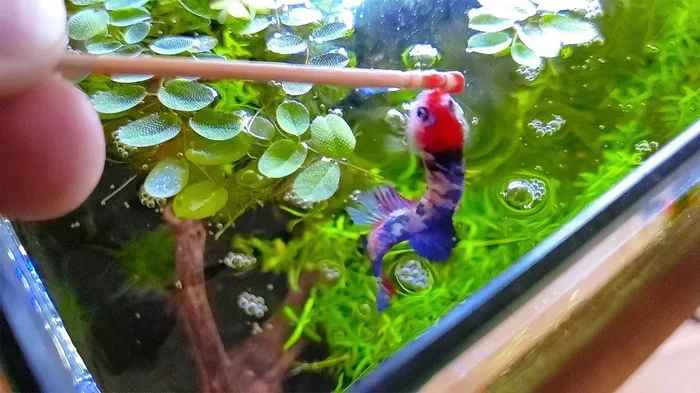
So, can betta fish eat? The short answer is yes, but only certain foods. Betta fish need a balanced diet of pellets, flakes, and occasional treats like veggies and proteins. Feeding the wrong things can harm your fish, so knowing what’s safe matters a lot. This guide covers everything you need to keep your betta healthy and happy.
Owning a betta fish is rewarding. These colorful creatures bring life to any tank. But one question every betta owner faces is what to feed them. You might stare at your fish and wonder, can betta fish eat the same things you do? The truth is, bettas have specific dietary needs. Giving them the wrong food can lead to health problems. This guide walks you through everything you need to know about betta fish nutrition and feeding.
A proper betta fish diet keeps your fish vibrant and energetic. Bettas are carnivores by nature. They thrive on protein-rich foods. But they also enjoy occasional plant-based treats. Understanding this balance is the first step toward being a great fish owner. Let’s dive into what makes a great meal for your betta.
Key Takeaways
- Variety is key: A mix of pellets, flakes, and occasional treats keeps bettas healthy and active.
- Not all human food is safe: Some foods like bread and processed items can harm your betta fish.
- Portion control matters: Overfeeding is one of the biggest mistakes betta owners make.
- Protein-rich foods are essential: Bettas are carnivores and need protein to thrive.
- Veggie treats add nutrition: Small amounts of certain vegetables can boost your betta’s diet.
- Know what to avoid: Some common foods can cause serious health problems for bettas.
📑 Table of Contents
Understanding Betta Fish Dietary Needs
Before you start feeding your betta, it helps to understand what their body needs. Bettas originated in the warm, shallow waters of Southeast Asia. In the wild, they eat insects, larvae, and small crustaceans. This tells us a lot about their betta fish diet in captivity.
Why Protein Matters for Bettas
Protein is the foundation of a betta’s diet. These fish have short digestive tracts designed for animal-based protein. Without enough protein, bettas can become weak and lose their bright colors. High-quality betta fish food usually contains fish meal, shrimp, or insect protein as the first ingredient.
Look for foods with at least 30% protein content. Pellets and flakes formulated for bettas typically meet this requirement. But not all brands are equal. Some use fillers that offer little nutrition. Always check the label before buying.
The Role of Fiber and Plant Matter
While bettas are carnivores, they still benefit from some plant matter. Fiber helps with digestion and prevents constipation. In the wild, bettas eat small amounts of plant material from their surroundings. You can replicate this with certain vegetables and betta fish treats.
But here’s the key. Plant matter should only be a small part of their diet. Too much fiber can cause bloating and digestive issues. Think of it as a supplement, not a staple.
What Can Betta Fish Eat Safely?
Now for the fun part. What exactly can you feed your betta? There are plenty of safe options. Let’s break them down into categories so it’s easy to understand.
Betta Pellets and Flakes
Commercial betta fish pellets are the go-to food for most owners. They’re convenient and nutritionally balanced. Look for pellets that sink slowly, since bettas prefer eating from the surface. Flakes work too, but they can dissolve quickly and make a mess.
Here are some tips for feeding pellets and flakes:
- Soak pellets for a few minutes before feeding to prevent bloating.
- Feed only what your betta can finish in two minutes.
- Offer pellets once or twice a day, not more.
- Choose brands specifically formulated for bettas.
Live and Frozen Foods
Bettas love live food. It triggers their natural hunting instincts. Bloodworms are a favorite among betta owners. You can buy them frozen or live. Just remember that live foods should be a treat, not the main meal.
Other great options include brine shrimp, daphnia, and mosquito larvae. These foods are packed with protein and nutrients. They also make excellent training treats. If your betta seems picky, try switching to frozen varieties. They’re easier to store and just as nutritious.
Some owners ask, can betta fish eat bloodworms exclusively? The answer is no. Bloodworms alone don’t provide complete nutrition. Use them as a supplement to a balanced diet.
Vegetables and Fruits
You might be surprised to learn that some vegetables are safe for bettas. Vegetables add fiber and vitamins to their diet. Just make sure to prepare them properly.
Safe vegetable options include:
- Peas — shelled and lightly boiled. They help with digestion.
- Zucchini — thinly sliced and blanched. Bettas often nibble on this.
- Spinach — a small amount of raw or lightly steamed leaves.
- Cucumber — deseeded and cut into tiny pieces.
When it comes to fruits, go very sparingly. Some bettas enjoy a tiny piece of mango or strawberry as a rare treat. Always remove any uneaten fruit within a few hours to keep the water clean.
For more details on vegetable options, you can read our guide on can betta fish eat veggies.
Foods Bettas Should Never Eat
Just as important as knowing what to feed is knowing what to avoid. Some common foods can seriously harm your betta. Let’s look at the big no-nos.
Bread and Bakery Products
Bread is one of the worst foods for bettas. It expands in their stomach and causes bloating. The yeast and carbohydrates are hard for bettas to digest. Even a small piece can lead to serious digestive problems. Keep all bread products far away from your fish tank.
Processed and Fried Foods
Human snack foods are loaded with salt, oil, and preservatives. These are toxic to bettas over time. Chips, crackers, and fried foods can cause organ damage. Never share your junk food with your fish. It might seem funny, but it’s genuinely dangerous.
Raw Meat and Poultry
You might think feeding raw meat is a good idea since bettas need protein. But raw meat can introduce harmful bacteria into the tank. It also contains fats that bettas can’t process properly. If you want to offer meat, cook it thoroughly and keep the portion tiny.
For instance, can betta fish eat turkey? In very small, cooked amounts, yes. But it should never be a regular part of their diet. Always prioritize specially formulated betta foods over human food.
Creating a Healthy Feeding Schedule
What your betta eats matters just as much as when and how much they eat. A consistent feeding schedule keeps your betta healthy and prevents overfeeding.
How Often Should You Feed Your Betta?
Most experts recommend feeding bettas twice a day. Morning and evening works well. Some owners prefer once a day, and that’s fine too. The key is consistency. Bettas thrive on routine.
Here’s a sample weekly feeding plan:
- Monday and Thursday: High-quality pellets in the morning, frozen bloodworms in the evening.
- Tuesday and Friday: Betta flakes in the morning, brine shrimp in the evening.
- Wednesday and Saturday: Pellets in the morning, a small piece of blanched pea in the evening.
- Sunday: A lighter feeding day. Offer half the usual portion to give their digestive system a break.
This rotation provides variety and ensures your betta gets all the nutrients they need. Adjust portions based on your fish’s size and appetite.
Signs of Overfeeding
Overfeeding is the number one mistake new betta owners make. Watch for these warning signs:
- Food left uneaten after five minutes.
- A bloated or distended belly.
- Fecal matter that is long and stringy.
- Lethargy or loss of interest in food.
- Cloudy water from excess food decay.
If you notice any of these, reduce the portion size immediately. Bettas have small stomachs. They can’t handle large meals. A good rule of thumb is to feed only what fits in their eyeball.
Special Dietary Considerations
Sometimes, bettas need extra care when it comes to food. Age, health conditions, and breeding status all affect their dietary needs.
Feeding Young Bettas
Baby bettas, or fry, need more frequent small meals. They should be fed three to four times a day. Specialized fry food or crushed pellets work well. Live baby brine shrimp is an excellent protein source for growing fish.
Feeding Senior Bettas
Older bettas may become less active and have slower digestion. You might need to soften their food more or offer smaller portions. Watch your senior fish closely and adjust their diet as needed.
Betta Fish During Illness
Sick bettas often lose their appetite. If your fish stops eating, try offering favorite treats like bloodworms to stimulate their interest. For more information on betta health and eating habits, check out our article on can betta fish over eat to understand the risks of overfeeding during illness recovery.
Quick Tips for Perfect Betta Feeding
Want to make sure you’re doing everything right? Here are some quick tips to keep in mind:
- Always wash your hands before handling fish food.
- Use a feeding ring to contain pellets and reduce waste.
- Remove uneaten food within five minutes.
- Rotate food types to provide nutritional variety.
- Never feed your betta right before a water change.
- Keep a feeding log to track what and when you feed.
These small habits make a big difference over time. Your betta will be healthier, more colorful, and more active. A well-fed betta is a happy betta.
Conclusion
So, can betta fish eat a wide variety of foods? Absolutely. But with that comes responsibility. You now know the safe options, the foods to avoid, and how to create a balanced feeding schedule. Your betta depends on you for its nutrition. Taking the time to learn about proper feeding is one of the best things you can do as a fish owner.
Start by choosing a high-quality pellet or flake as the base of your betta’s diet. Add occasional treats like bloodworms, brine shrimp, or blanched vegetables. Avoid harmful human foods at all costs. Stick to a consistent schedule and watch your fish thrive. The effort you put into feeding your betta right will pay off with a happy, healthy, and colorful companion for years to come.
Remember, every betta is unique. Some are picky eaters, and some are voracious. Observe your fish, adjust as needed, and don’t be afraid to experiment with different safe foods. The more you learn about your betta’s dietary needs, the better equipped you’ll be to give them the best life possible.
Frequently Asked Questions
Can betta fish eat goldfish food?
It’s not recommended. Goldfish food is formulated for omnivores and lacks the protein levels bettas need. It can also contain ingredients that are hard for bettas to digest. Stick to foods specifically made for bettas to keep them healthy and strong.
How long can betta fish go without eating?
Healthy adult bettas can go up to two weeks without food, but this is not recommended. Skipping a day or two occasionally can actually help their digestion. However, young bettas and those recovering from illness should never miss meals.
Can betta fish eat human food?
Some human foods are safe in tiny amounts. Cooked, unseasoned vegetables like peas and zucchini are good options. But processed foods, bread, and sugary snacks should always be avoided. When in doubt, stick to commercial betta foods and occasional natural treats.
What is the best food for betta fish?
The best food is a high-quality betta pellet or flake that lists protein as the first ingredient. Look for brands with fish meal, shrimp, or insect-based protein. Supplementing with frozen or live foods like bloodworms and brine shrimp adds variety and extra nutrition to their meals.
Can betta fish eat worms?
Yes, worms are a great treat for bettas. Bloodworms, mealworms, and wax worms are all safe in moderation. They are high in protein and most bettas love them. Just remember to feed worms as a supplement, not as the main part of their diet.
Why does my betta fish spit out its food?
This is normal behavior. Bettas often bite and spit out food to break it into smaller pieces. It can also mean the food is too large or your betta isn’t interested. Try soaking pellets longer or switching to a different brand if this happens frequently.