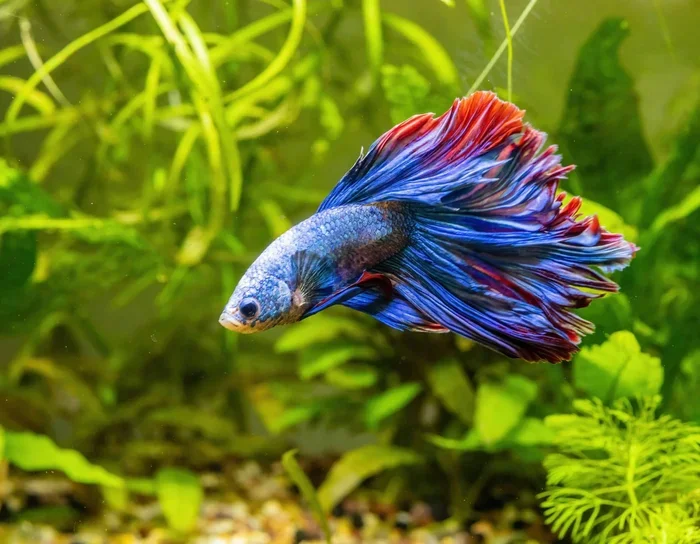
How Can You Tell the Sex of a Betta Fish With Easy Steps

Knowing how can you tell the sex of a betta fish helps you provide better care and avoid aggression. Males usually have longer fins and brighter colors, while females are smaller with shorter fins. You can also look at their behavior and body shape to identify them correctly. This guide will walk you through simple steps to sex your betta fish with confidence.
Key Takeaways
- Physical Differences: Males have longer fins and brighter colors, while females are smaller with shorter fins.
- Body Shape: Females often have a rounder belly and a visible white spot called the ovipositor.
- Behavior Matters: Males are more aggressive and flare their gills, while females are generally calmer.
- Age Factor: Young bettas are harder to sex until they reach maturity around 2-3 months.
- Breeding Signs: Females develop vertical stripes when ready to breed, and males build bubble nests.
- Care Needs: Both sexes need clean water and proper tanks, but males need more space due to aggression.
- Common Mistakes: Do not rely on color alone, as some females can be quite colorful too.
📑 Table of Contents
Introduction to Sexing Your Betta Fish
Owning a betta fish is a wonderful experience. These colorful creatures bring life to any room. But knowing your fish’s sex is important for their care. You might wonder how can you tell the sex of a betta fish without guessing. It is not always easy, especially with young fish. However, there are clear signs you can look for.
Understanding the differences helps you avoid trouble. Male bettas can fight each other if kept together. Females can live in groups called sororities, but they need space. If you plan to breed them, you need to know which is which. This guide will show you the easy steps to identify your fish. We will look at fins, bodies, and behavior. You will become an expert in no time.
Physical Differences Between Male and Female Bettas
The most obvious way to sex a betta is by looking at their body. Males and females look quite different once they are adults. You need to check a few key areas. This is the first step in learning how can you tell the sex of a betta fish.
Fin Length and Shape
Male bettas are famous for their long, flowing fins. Their tail fins can be huge and beautiful. Their pelvic fins also look longer and pointier. Females usually have much shorter fins. Their tails might look round or short. If you see a fish with huge flowing fins, it is likely a male. However, some females have decent fin length too. You must look at other signs as well.
Body Shape and Size
Males tend to be longer and more streamlined. They look sleeker when they swim. Females often have a rounder body shape. This is especially true when they are full of eggs. You might notice a wider belly on a female. Males look more slender in comparison. Size can be a clue, but it is not always perfect. Some females grow quite large too.
Coloration Intensity
Many people think males are brighter than females. This is often true. Males usually have vibrant colors to attract mates. Females can be colorful, but their colors are often softer. They might look more dull or muted. But do not rely on color alone. Some female bettas are very bright. It is better to look at fins and body shape first.
Identifying Female Specific Traits
Females have unique features that males do not. These signs are very helpful when you ask how can you tell the sex of a betta fish. If you see these traits, you likely have a girl.
The Ovipositor Spot
Female bettas have a small white spot near their belly. This is called the ovipositor. It is where they release eggs. You can see it best when the fish is calm. Look near the ventral fin area. It looks like a tiny white dot. Males do not have this spot. This is one of the most reliable signs of a female.
Belly Shape
As mentioned before, females often have rounder bellies. This is more visible when they are mature. If you see a fish with a plump middle, it might be a female. Males usually have flat bellies. Watch your fish from the side to see this clearly. A round belly is a strong indicator of a female.
Vertical Stripes
When females are ready to breed, they show vertical stripes. These are dark bands across their body. They look like tiger stripes. This happens when they are receptive to males. Not all females show this all the time. But if you see stripes, it is definitely a female. This is a great trick for breeders.
Identifying Male Specific Traits
Males have their own special signs. These traits make them stand out in a tank. Knowing these helps you answer how can you tell the sex of a betta fish accurately.
Gill Flaring
Male bettas are known for flaring their gills. They puff up their operculum to look bigger. This is a sign of aggression or courtship. If you see your fish flare often, it is likely a male. Females can flare too, but males do it more. They do this to show off or warn others. It is a very common male behavior.
Bubble Nests
Males build bubble nests at the water surface. They blow bubbles to make a safe place for eggs. If you see a foam-like nest, a male built it. Females do not build nests. This is a strong sign of a male. However, not all males build nests all the time. They usually do this when they are healthy and ready to breed.
Aggression Levels
Males are more aggressive than females. They will fight other males if they meet. They might also chase females during breeding. If your fish is very territorial, it is probably a male. Females can be nippy too, especially in sororities. But males are generally more confrontational. Keep males alone unless you are breeding.
Age and Maturity Factors
Young bettas are tricky to sex. They do not show all the signs yet. You need to wait until they grow up. This is an important part of knowing how can you tell the sex of a betta fish.
Juvenile Signs
Baby bettas look similar regardless of sex. Their fins are short on both males and females. Their colors are not fully developed. You might not see the ovipositor on young females. It takes time for these traits to appear. Patience is key when dealing with young fish.
Growth Timeline
Bettas reach maturity around 2 to 3 months. By this time, fins start to grow. Colors become brighter. You can start seeing differences more clearly. By 4 months, sexing is much easier. If you are unsure, wait a few weeks. Watch how their body changes over time.
Uncertainty in Young Fish
Sometimes you just cannot tell right away. This is normal for young fish. Do not stress if you are unsure. Give them time to grow. You can check back later. If you need to separate them, do it carefully. Young males might fight as they mature. Keep an eye on their behavior.
Care Differences Based on Sex
Knowing the sex helps you care for them better. Males and females have slightly different needs. This affects their health and happiness.
Tank Requirements
Male bettas should live alone in most cases. They fight with other males. A single male needs a tank of at least 5 gallons. Females can live in groups called sororities. But they need a large tank too. A sorority needs at least 20 gallons. They also need hiding spots to reduce stress.
Water Conditions
Both sexes need clean, warm water. The temperature should be around 78 to 80 degrees Fahrenheit. You need a filter to keep the water clean. A gentle filter is best for bettas. Their fins are delicate. Strong currents can tire them out. You can learn more about using a filter in a betta fish tank to keep them safe.
Feeding Needs
Both males and females eat the same food. High-quality pellets are great for them. You can also give them frozen treats. Do not overfeed them. This causes health issues. Feed small amounts twice a day. Remove any uneaten food quickly.
Common Mistakes When Sexing Bettas
People often make errors when trying to sex their fish. Avoiding these mistakes helps you get it right. Here are some things to watch out for.
Relying Only on Color
Color is not a perfect indicator. Some females are very bright. Some males can be dull. Do not pick a fish based on color alone. Look at fins and body shape instead. This is a common mistake for beginners.
Misidentifying Young Fish
Young fish are hard to tell apart. Do not assume a young fish is a female just because it is small. Wait until fins grow. Give them time to show their true traits. Patience saves you from mistakes.
Ignoring Behavior
Behavior tells you a lot. If you ignore flaring or nesting, you miss clues. Watch your fish for a few days. See how they act with others. This gives you more data to work with. Behavior is a key part of the puzzle.
Expert Tips for Accurate Sexing
Here are some pro tips to help you. These steps make the process easier. You will feel confident in your decision.
Use Good Lighting
Bright light helps you see details. Turn on your tank light or use a lamp. Look for the white ovipositor spot. Check the fin length clearly. Shadows can hide important features. Good lighting makes a big difference.
Observe Over Time
Do not judge in one second. Watch your fish for a few days. Note their behavior and shape. Take photos if you can. Compare them to known males and females. Time gives you a clearer picture.
Consult Breeder Resources
If you are still unsure, ask for help. Breeder resources can show you examples. You can find guides online. Some sites discuss how to tell the age of a betta fish which relates to maturity. Learning more helps you improve.
Key Takeaways for Success
To wrap up the identification process, remember these points. Look at fins, body, and behavior. Wait for maturity if the fish is young. Do not rely on just one sign. Use multiple clues to decide. This ensures you know how can you tell the sex of a betta fish correctly.
Conclusion
Sexing your betta fish is a valuable skill. It helps you provide the best care possible. Males and females have distinct differences. You can spot them by looking at fins, bodies, and actions. Males have long fins and flare often. Females have rounder bellies and white spots. Young fish take time to show these traits.
Always watch your fish closely. Use good light and patience. Avoid common mistakes like relying on color. With these easy steps, you will know your fish well. Proper care leads to a happy, healthy betta. Enjoy your beautiful aquatic friend.
Frequently Asked Questions
Can you tell the sex of a betta fish by color alone?
No, color is not a reliable way to sex a betta fish. While males are often brighter, some females can be quite colorful too. You should look at fins and body shape instead for better accuracy.
At what age can you tell the sex of a betta fish?
You can usually start telling the sex around 2 to 3 months of age. Before this, juveniles look very similar regardless of gender. Waiting until they mature makes identification much easier and more accurate.
Do female betta fish have long fins like males?
Generally, female bettas have shorter fins than males. However, some females can have moderately long fins. You should check for other signs like the ovipositor spot to confirm their sex.
Can you keep two male betta fish together?
No, you should not keep two male bettas in the same tank. They are highly aggressive and will fight each other. It is best to house male bettas alone to keep them safe.
What is the white spot on a female betta fish?
The white spot is called the ovipositor. It is located near the belly and is used to release eggs. This is one of the most reliable signs that a betta fish is female.
How can you tell if a betta fish is ready to breed?
Females show vertical stripes when they are ready to breed. Males will build bubble nests at the surface. These behaviors indicate that the fish are mature and receptive to breeding.