Do Male Betta Fish Lay Eggs Find Out The Truth Now
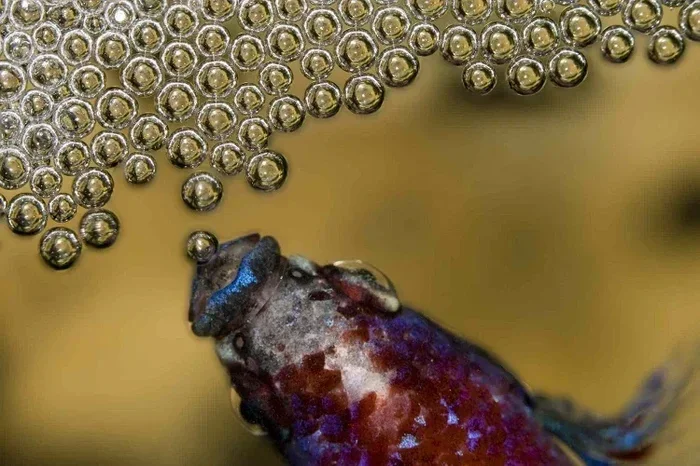
Do male betta fish lay eggs? The short answer is no, male bettas do not lay eggs because only female betta fish produce and release eggs. Male bettas play a crucial role in breeding by fertilizing the eggs and guarding them in a bubble nest. Understanding this distinction helps you provide better care and avoid confusion during breeding season.
Many new betta owners ask do male betta fish lay eggs when they see strange floating clusters or notice their fish acting differently. It is a common question, and the confusion makes sense. Bettas have unique breeding habits that do not look like typical fish reproduction. Once you understand how male and female bettas work together, everything becomes much clearer.
In this guide, you will learn exactly what male bettas do, how betta eggs are produced, and what happens during the breeding process. We will also cover bubble nests, egg care, and common mistakes that can harm developing fry. By the end, you will know how to support healthy breeding behavior and avoid unnecessary worry.
Key Takeaways
- Male bettas do not lay eggs: Only female betta fish produce and release eggs during breeding.
- Males build bubble nests: Male bettas create floating bubble nests to protect fertilized eggs.
- Fertilization happens externally: The male fertilizes the eggs after the female releases them.
- Males guard the eggs: Male bettas actively protect and care for the eggs until they hatch.
- Unfertilized eggs are common: Females may lay eggs without a male present, but these will not develop.
- Proper tank setup matters: A calm environment with gentle filtration supports successful breeding.
- Know the signs of breeding: Vertical stripes on females and bubble nests indicate breeding behavior.
📑 Table of Contents
- Do Male Betta Fish Lay Eggs The Real Answer
- How Betta Fish Reproduction Actually Works
- Do Male Betta Fish Lay Eggs When You See a Bubble Nest
- Do Male Betta Fish Lay Eggs or Care for Them Instead
- Do Male Betta Fish Lay Eggs and What About Unfertilized Eggs
- Do Male Betta Fish Lay Eggs and Common Breeding Mistakes
- Do Male Betta Fish Lay Eggs and How to Support Healthy Breeding
- Do Male Betta Fish Lay Eggs and Final Thoughts
Do Male Betta Fish Lay Eggs The Real Answer
The direct answer to do male betta fish lay eggs is no. Male bettas never lay eggs because egg production is a female biological function. Female bettas develop eggs in their ovaries and release them during spawning. Males do not have ovaries or the ability to produce eggs of any kind.
What often confuses owners is the male’s strong involvement in the egg process. A male betta may carry fertilized eggs in his mouth, guard them in a bubble nest, or move them carefully with his fins. This protective behavior can look like he produced the eggs himself. In reality, he is simply doing his part to help the next generation survive.
Why Male Bettas Seem Involved With Eggs
Male bettas are deeply involved in reproduction, but their role is different from the female’s role. After a female releases eggs, the male releases milt to fertilize them. He then gathers the sinking eggs and places them into a bubble nest he built earlier. This nest is made of saliva bubbles that float at the water surface.
Because the male spends so much time around the eggs, many people assume he must have laid them. That assumption is understandable, especially when a male is seen nudging, covering, or retrieving eggs. His dedication is real, but the eggs still come from the female.
What Happens If You See Eggs in the Tank
If you find small white eggs in your tank, they most likely came from a female betta. Sometimes females release eggs even without a male present. These eggs are usually unfertilized and will not hatch. If a male is present, he may try to guard or move them, depending on whether they were fertilized.
It is also helpful to know that betta eggs are not the same as fish eggs that drift loosely in the water. Betta eggs are usually placed in a nest or attached to plants and surfaces near the top of the tank. That placement is another clue that the male is caring for them rather than producing them.
How Betta Fish Reproduction Actually Works
Betta breeding is a clear example of teamwork between the sexes. The female’s job is to produce and release eggs. The male’s job is to fertilize those eggs and protect them. This process is different from live-bearing fish, which is why it helps to understand the basic sequence.
If you are wondering do male betta fish lay eggs, it may help to compare the process with other fish breeding styles. Some fish scatter eggs and leave them. Others carry young internally. Bettas use an external spawning method that depends heavily on male protection. That makes the male’s role highly visible, even though he never lays eggs.
The Female’s Role in Egg Production
Female bettas develop eggs naturally as part of their reproductive cycle. When she is ready to spawn, she may show vertical breeding stripes and a fuller belly. She will also often approach the male and signal readiness through posture and movement. The male usually responds by flaring, displaying, and continuing nest construction.
During spawning, the female releases eggs in small batches. The eggs are usually light in color and small enough to be easy to miss if you are not looking closely. Because the female releases them gradually, the pair may repeat the process several times during a single breeding session.
The Male’s Role in Fertilization and Nest Building
Male bettas prepare for spawning by building a bubble nest. This nest serves as a safe place for fertilized eggs, which tend to float upward after fertilization. The male often stops eating much while focused on nest building and courtship. His energy is directed toward preparation rather than egg production.
After the female releases eggs, the male fertilizes them externally. He then collects the eggs carefully and places them into the bubble nest. This is one of the most important parts of betta breeding, because eggs left on the tank floor are more vulnerable to damage or predation.
Do Male Betta Fish Lay Eggs When You See a Bubble Nest
A bubble nest is one of the clearest signs that a male betta is ready to breed. The nest looks like a cluster of tiny bubbles floating at the surface. It may also include plant debris or fine particles that help stabilize it. Many owners see this nest and wonder do male betta fish lay eggs because the structure seems so closely tied to reproduction.
The bubble nest does not mean eggs are already present. It means the male is preparing for possible spawning. If a female is introduced and spawning occurs, the male will move fertilized eggs into the nest. If no female is present, the nest may still appear, but it will not contain eggs.
What a Bubble Nest Tells You
A well-built bubble nest shows that the male feels secure and is in breeding mode. That does not automatically mean he has eggs to care for. It simply means he is doing what male bettas naturally do when conditions are favorable. In many cases, a bubble nest is a sign of health and confidence.
If you see a bubble nest and no female is present, there is no reason to panic. The male may simply be practicing nest building or responding to good water conditions. He may also be reacting to a calm surface and stable temperature.
Do All Male Bettas Build Nests
Not every male betta builds a bubble nest at the same pace or with the same effort. Some males are very active nest builders, while others are less interested. Age, health, water conditions, and individual personality all play a role. If you want to understand breeding behavior more deeply, you may find it useful to read about whether all male bettas make bubble nests.
A lack of nest building does not mean a male is incapable of breeding. It may only mean he is not currently stimulated to do so. Good care, calm surroundings, and proper tank setup often encourage more natural behavior.
Do Male Betta Fish Lay Eggs or Care for Them Instead
This is where the confusion usually starts. A male betta may appear to be “laying” eggs because he is handling them so often. He may pick them up, return them to the nest, or shelter them from danger. That behavior is care, not production. If you are still asking do male betta fish lay eggs, the key distinction is that males protect eggs rather than create them.
Male bettas can be surprisingly devoted parents. They may chase away threats, repair the nest, and retrieve fallen eggs. This dedication is one reason bettas are so interesting to watch during breeding. The male’s behavior is protective, organized, and often persistent.
How Males Protect the Eggs
Once eggs are in the nest, the male stays close. He watches for falling eggs and returns them to safety. He may also defend the area from other fish or disturbances. This guarding behavior continues until the eggs hatch and the fry become free-swimming.
During this period, the male may become more territorial. That is normal. He is not being aggressive without reason. He is trying to keep the nest intact and the eggs secure. If you are breeding bettas, it is best to reduce stressors and avoid unnecessary interruptions.
When Eggs Do Not Survive
Not every clutch of eggs makes it to hatching. Some eggs may be unfertilized. Others may be damaged during spawning or lost if the nest is disturbed. In some cases, a male may eat some eggs if he is stressed, underfed, or frightened. This is not ideal, but it can happen.
If you notice eggs disappearing, do not assume the male is being cruel. He may be reacting to poor conditions or uncertainty. Stable water, low noise, and minimal tank traffic can help reduce that risk.
Do Male Betta Fish Lay Eggs and What About Unfertilized Eggs
Another common concern is whether eggs can appear without fertilization. Female bettas can release eggs even when no male is around. Those eggs are usually unfertilized and will not develop into fry. This often leads to the question do male betta fish lay eggs, when in fact the female laid them alone.
Unfertilized eggs are a normal part of betta biology. They may be reabsorbed by the female’s body, or they may appear in the tank if she spawned unsuccessfully. If you see eggs without a male present, they most likely came from the female and will not hatch.
Why Unfertilized Eggs Happen
Unfertilized eggs can appear for several reasons. The female may have been stimulated by environmental cues but had no male to complete spawning. She may also have released eggs after a false start with a male. In some cases, the eggs are simply not viable.
It is important not to mistake unfertilized eggs for a sign that the male is laying eggs. The presence of eggs alone does not prove male egg production. The biological source of the eggs is still the female.
What to Do With Unfertilized Eggs
If you find unfertilized eggs, you can remove them to keep the tank clean. Left in place, they may decay and affect water quality. If a male is guarding them, he may not understand that they are not viable. Removing them gently can prevent confusion and reduce waste.
Keep an eye on water conditions after removal. Even small changes can matter in a breeding tank. Clean water helps both adults and any viable eggs stay healthier.
Do Male Betta Fish Lay Eggs and Common Breeding Mistakes
Many breeding problems come from misunderstanding the male’s role. Owners sometimes assume the male should produce eggs, or they interfere too much during spawning. Others separate the pair too soon or disturb the nest. These mistakes can reduce success and create unnecessary stress.
If you are still thinking do male betta fish lay eggs, it may help to review the most common mistakes and how to avoid them. A calm, informed approach works much better than constant intervention.
Mistake One Interrupting the Pair Too Often
Frequent checking can stress the fish and break the male’s focus. He may abandon the nest if he feels threatened. It is better to observe from a distance and limit disturbances during spawning and egg guarding.
Mistake Two Poor Water Conditions
Unstable temperature, strong currents, or poor filtration can all interfere with breeding. Bettas prefer calm, warm water with gentle movement. If the environment is too rough, the male may struggle to maintain the nest and protect the eggs.
Good filtration matters, but bettas do not always enjoy strong flow. If you are unsure about airflow and filtration in a betta setup, it can help to learn more about whether betta fish like air filters or whether they like air pump circulation. The right balance keeps water healthy without overwhelming the fish.
Mistake Three Confusing Male and Female Roles
Some owners expect both fish to behave the same way. That expectation causes confusion. The female releases eggs, and the male fertilizes and guards them. When you understand that division of labor, it becomes easier to support the process correctly.
It also helps to know that males and females may behave differently before spawning. The female may look fuller and more reserved, while the male may become more active and display more intensely. These differences are normal.
Mistake Four Leaving Eggs in Unsafe Conditions
Eggs are delicate. If the tank has strong surface agitation, the bubble nest may break apart. If other fish are present, they may disturb the nest or eat the eggs. A dedicated breeding setup often gives the male a better chance to succeed.
If you are planning to breed bettas, prepare the tank before introducing the pair. Smooth surfaces, calm water, and hiding places can all help. The goal is to reduce risk while allowing natural behavior to unfold.
Do Male Betta Fish Lay Eggs and How to Support Healthy Breeding
Supporting breeding bettas is mostly about creating the right environment. You want warm water, clean conditions, and low stress. You also want enough space for the male to build and defend a nest without constant interference. If you are wondering do male betta fish lay eggs, remember that your job is to support the natural process, not force it.
A good breeding setup usually includes a separate tank or carefully prepared area. This reduces the chance of other fish disrupting the nest. It also makes it easier to observe behavior without causing stress. Keep the water stable and avoid sudden changes.
Signs That Breeding May Be Approaching
There are several clues that a pair may be ready to spawn. The male may build or improve a bubble nest. The female may develop vertical stripes and a rounder belly. Both fish may show increased interest in each other without immediate hostility.
These signs do not guarantee spawning, but they suggest the fish are moving in that direction. Patience matters. Rushing the process can do more harm than good.
When to Separate the Fish
Sometimes separation is necessary. If the male becomes overly aggressive or the female is being harassed, it may be time to intervene. After spawning, many breeders separate the female to protect her from further stress. The male often stays with the eggs until they hatch.
If you are unsure whether aggression is normal or dangerous, pay attention to the intensity and duration of the behavior. Brief flaring and chasing can be part of courtship. Constant injury or exhaustion is not.
Quick Tips for Better Breeding Results
- Keep water warm and stable.
- Reduce strong currents near the surface.
- Provide a quiet, low-traffic environment.
- Watch for bubble nest building as a readiness sign.
- Separate the female after spawning if needed.
- Avoid touching or moving the eggs unless necessary.
- Maintain good water quality without harsh flow.
Do Male Betta Fish Lay Eggs and Final Thoughts
So, do male betta fish lay eggs? No, they do not. Only female bettas produce eggs. Male bettas contribute by fertilizing the eggs, building a bubble nest, and protecting the developing clutch. Their role is essential, but it is not the same as laying eggs.
Understanding this difference makes betta care easier. It helps you interpret behavior correctly, avoid unnecessary worry, and support healthier breeding conditions. If you see eggs in your tank, look at the full context before assuming the male produced them. In most cases, the female laid them, and the male is simply doing his job.
With the right environment and a little patience, betta breeding can be a fascinating process to observe. The more you understand the male’s protective role, the better you can appreciate how unique these fish really are.
Frequently Asked Questions
Do male betta fish lay eggs at all?
No, male betta fish do not lay eggs. Only female bettas produce eggs, while males fertilize and guard them.
Why do people think male bettas lay eggs?
People often think male bettas lay eggs because males handle the eggs closely and guard them in a bubble nest. Their strong involvement can look like egg production, but it is actually parental care.
Can a female betta lay eggs without a male?
Yes, a female betta can release eggs without a male, but those eggs are usually unfertilized and will not hatch. This can happen even when no breeding takes place.
What is a bubble nest made of?
A bubble nest is made of air bubbles held together by the male’s saliva, sometimes mixed with small bits of plant material. It floats near the surface and serves as a safe place for fertilized eggs.
Do male bettas eat their own eggs?
Sometimes a male betta may eat eggs if he is stressed, underfed, or disturbed too much. This is not common in calm, well-prepared breeding conditions, but it can happen.
How can I tell if betta eggs are fertilized?
Fertilized betta eggs usually darken slightly and develop a small visible embryo over time, while unfertilized eggs often remain white and may turn fuzzy or decay. The male’s care and the egg’s appearance over time are the best clues.