Do Bettas Get Along With Other Fish Compatibility Guide
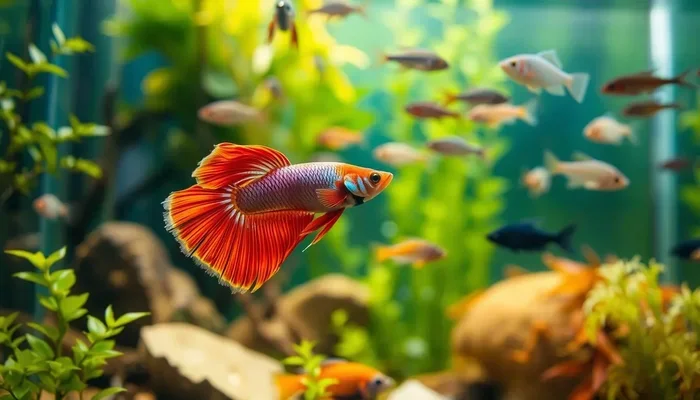
Do bettas get along with other fish? The short answer is yes, but only with the right tank mates. Male bettas are territorial and need careful planning. You must choose peaceful, non-flashy fish that occupy different tank levels. Proper tank size and hiding spots make a huge difference. This guide will help you build a safe, happy community tank.
Many new aquarium owners ask the same question: do bettas get along with other fish? It is a smart question to ask before adding any new pet to your tank. Bettas are famous for their bright colors and flowing fins, but they also have a strong reputation for being solitary. The truth is a bit more nuanced. With the right setup and careful choices, you can absolutely keep a betta with other peaceful fish.
Understanding betta fish compatibility starts with knowing their natural behavior. Male bettas are territorial by nature. In the wild, they defend small patches of water and react strongly to rivals. In a home aquarium, this instinct does not disappear. However, it does not mean your betta must live alone forever. Many hobbyists successfully run community tanks around a betta. The key is planning, patience, and picking the right companions.
Key Takeaways
- Betta temperament matters: Male bettas are naturally territorial and may fight if provoked.
- Tank size is critical: A minimum 10-gallon tank gives fish enough space to avoid conflict.
- Choose peaceful tank mates: Small, calm fish like corydoras and neon tetras often work well.
- Avoid fin-nippers and bright colors: Fish with long fins or vibrant hues can trigger aggression.
- Provide hiding spots: Plants, caves, and decorations reduce stress and break line of sight.
- Monitor behavior closely: Watch for chasing, flaring, or hiding during the first few weeks.
- Never house two males together: Male bettas will fight each other and should live alone or with other species.
📑 Table of Contents
Understanding Betta Fish Behavior and Temperament
Before you add any fish to your tank, you need to understand what makes a betta tick. Betta fish behavior is shaped by their environment, their personality, and their gender. Male bettas are the ones most people keep as pets. They are stunning, but they are also more aggressive than females. They flare their gills, puff their bodies, and chase anything they see as a threat.
Male vs. Female Betta Personalities
Male bettas are the classic choice for beginners. They are bold, active, and very territorial. Can male bettas live with any other fish? Yes, but only with species that stay out of their face. Males do best with calm, small fish that keep to themselves. Female bettas are usually less aggressive. They can sometimes live in groups called sororities, but even that requires careful management. When asking can female bettas be kept with other fish? the answer is often yes, but you still need to watch for bullying and stress.
Signs of Aggression to Watch For
Aggression does not always look like a full-blown fight. Sometimes it is subtle. You might see your betta flaring at a tank mate, chasing it repeatedly, or blocking its path to food. Other warning signs include torn fins, hiding all day, loss of appetite, or pale coloration. If you notice these signs, you need to act fast. Betta fish aggression can escalate quickly, and stressed fish get sick faster.
Why Tank Size and Layout Matter
A cramped tank turns minor annoyance into major conflict. Betta fish tank size directly affects how well they share space. A small bowl or five-gallon tank leaves nowhere for other fish to escape. A ten-gallon tank or larger gives everyone room to swim and hide. The layout matters just as much. Live plants, driftwood, and caves break the line of sight. When fish cannot see each other constantly, they stay calmer. This simple trick helps answer the question of do bettas get along with other fish in a practical way.
Quick Tip
Always add your betta to the tank last. This helps it see the new fish as residents rather than invaders. It is a small step that reduces territorial stress.
Best Tank Mates for Bettas
So, do bettas get along with other fish in real life? They do, when you pick the right partners. The best tank mates share three traits: they are peaceful, they stay small, and they do not flash bright colors or long fins. You want fish that occupy different areas of the tank. Bottom dwellers and mid-water swimmers usually work well. Top dwellers can sometimes trigger chasing, so choose them carefully.
Peaceful Bottom Dwellers
Bottom dwellers are often the safest choice. They spend most of their time near the substrate, far from your betta’s usual patrol zone. Corydoras catfish are a top pick. They are gentle, social, and keep to the lower levels. Many keepers wonder, do betta fish get along with cory catfish? and the answer is usually yes. Just keep them in groups of six or more so they feel secure.
Another popular option is the plecostomus. These algae eaters are hardy and useful, but some species grow very large. A small bristlenose pleco fits well in a community tank. If you are curious about do betta fish get along with plecostomus, the key is matching sizes and providing enough hiding spots. You might also ask, do betta fish get along with algae eaters in general. The answer depends on the species, but shy, plant-friendly algae eaters often do fine.
Calm Schooling Fish
Schooling fish can work beautifully with bettas. They move together, which distracts the betta and reduces focus on any single target. Neon tetras are a classic choice. Many hobbyists search for do betta fish and neon tetras get along because they want a colorful, active tank. Neon tetras are small and peaceful, but they do best in groups of six or more. If you want to dig deeper, you can read about do betta fish and neon tetras get along to see real keeper experiences.
Some people also ask, do betta fish get along with tetras in general. The answer is yes for many species, but avoid large or aggressive tetras. Cardinal tetras and glowlight tetras are other gentle options. You may also see questions like do betta fish and tetras get along on forums. The general rule is simple: keep them in schools, give them space, and watch for fin nipping.
Other Compatible Species
There are plenty of other good partners. Mollies are active but usually peaceful if the tank is large enough. You might wonder, do betta fish and mollies get along? They often do, but mollies need stable water and room to swim. Glofish are another option that many people ask about. When researching do betta fish and glofish get along, remember that bright colors can sometimes trigger chasing. Introduce them slowly and monitor closely.
Some keepers even try African dwarf frogs. If you are curious about do African dwarf frogs get along with betta fish, the answer is sometimes yes. Frogs stay near the bottom and surface for air, so they rarely cross paths with a betta. Just make sure the betta does not nip at the frog’s feet or legs.
Fish to Avoid with Bettas
Not every fish makes a good neighbor. Some species are too aggressive, too flashy, or too nippy. Knowing what to avoid is just as important as knowing what to add. When people ask do bettas get along with other fish, they sometimes forget that the wrong choice can cause real harm.
Fin-Nippers and Aggressive Species
Fin-nippers are a bad match for bettas. Bettas have long, delicate fins that take time to heal. Fish that constantly bite fins will stress your betta and cause injury. Avoid species known for this behavior. Also stay away from highly territorial fish that claim the whole tank. If you are wondering, can male bettas be kept with other fish that are bold and pushy, the answer is usually no.
Bright Colors and Long-Finished Fish
Bettas react strongly to visual triggers. Bright colors and flowing fins can look like a rival to a male betta. This is why many keepers ask, do betta fish get along with angelfish? Angelfish have long fins and a similar body shape, which can provoke chasing. The same logic applies to other showy fish. If you want a peaceful tank, choose muted, compact species.
Invertebrates and Mixed-Species Risks
Some people want to add snails, shrimp, or crabs. These choices need extra caution. You might see questions like do betta fish and crayfish get along or do betta fish and crabs get along. Crayfish are aggressive and will fight a betta for space. Crabs are escape artists and can be predatory. Small shrimp may be eaten, especially if they are slow or brightly colored. Snails are generally safer, but always watch for shell damage and stress.
Common Mistakes
- Adding too many fish at once, which spikes stress and ammonia.
- Choosing tank mates that are too large or too aggressive.
- Skipping the quarantine step and introducing sick fish.
- Using a tank that is too small for a community setup.
- Ignoring early signs of chasing or hiding.
How to Introduce New Fish Safely
Even the best tank mates need a careful introduction. A rushed process can undo all your planning. If you want to know can you put other fish in with bettas without drama, follow a slow, steady routine. Patience pays off here.
Step-by-Step Introduction Process
Start by preparing the tank. Make sure the water is cycled, filtered, and heated properly. Bettas prefer warm, clean water with low current. Next, add your other fish first and let them settle for a few days. Then introduce the betta last. This order helps the betta see the new fish as part of the environment, not a trespasser.
Use a divider if you are nervous. A clear tank divider lets the fish see each other without physical contact. Keep it in place for a few days, then remove it during a calm time of day. Feed the tank well when you remove the divider. Food distracts the betta and lowers tension. If you are asking can you put bettas in a tank with other fish safely, this method is a strong starting point.
Monitoring the First Few Weeks
The first month is the most important. Watch for chasing, flaring, and body blocking. Some chasing is normal at first, but constant harassment is not. Look for torn fins, hiding, and lack of appetite. If the stress continues, be ready to separate the fish. You may need to rehome a tank mate or move the betta to its own tank. Betta fish compatibility is not a one-time decision. It is an ongoing observation.
Expert Insights
Many experienced keepers say the betta’s personality matters more than the species list. Two bettas of the same breed can behave very differently. One may ignore a tetra school, while another chases every fish in the tank. Start with a calm, well-fed betta and a spacious tank. Give the community time to settle before judging the match.
Setting Up the Perfect Community Tank
A good setup makes compatibility much easier. When people ask do bettas get along with other fish, they often overlook the environment. The tank itself can reduce conflict or make it worse. A thoughtful layout gives every fish a chance to feel safe.
Tank Size and Water Parameters
For a community tank, aim for at least ten gallons. Larger is better if you want multiple species. More water means more stable temperature and chemistry. It also gives fish room to avoid each other. Keep the temperature in the betta’s preferred range and maintain gentle filtration. Strong currents tire bettas out and make them irritable.
Plants, Decor, and Hiding Spots
Plants are your best friend. Live plants like java fern, anubias, and floating plants provide shade and cover. They also improve water quality. Add caves, smooth rocks, and driftwood to create separate zones. When fish can hide or break the line of sight, they stay calmer. This setup helps answer can bettas share a tank with other fish in a practical, lasting way.
Feeding and Maintenance Routine
A well-fed tank is a calmer tank. Feed small amounts twice a day and vary the diet. Use high-quality pellets, frozen foods, and occasional treats. Remove uneaten food quickly to keep water clean. Perform regular water changes and test parameters often. Healthy water reduces stress, and less stress means fewer fights. If you are wondering can you put any other fish with bettas, good care is the foundation that makes it possible.
Quick Comparison of Common Tank Mates
Choosing tank mates is easier when you compare them side by side. The table below shows how several popular options stack up for a betta community tank.
| Tank Mate | Best For | Key Considerations | Compatibility Rating |
|---|---|---|---|
| Corydoras Catfish | Bottom cleanup, peaceful groups | Keep in groups of six+, need soft substrate | High |
| Neon Tetras | Colorful mid-water schooling | Need a school of six+, monitor fin nipping | Medium-High |
| Bristlenose Pleco | Algae control, hardy bottom dweller | Needs hiding spots, can grow moderately large | Medium-High |
| Mollies | Active surface and mid-water movement | Need stable water, more space to swim | Medium |
| African Dwarf Frog | Unique bottom/surface behavior | Watch for nipping, ensure easy surface access | Medium |
| Angelfish | Tall, dramatic centerpiece fish | Long fins may trigger chasing, larger tank needed | Low-Medium |
Common Questions About Betta Compatibility
Even with a good plan, questions come up. Here are some of the most common ones keepers ask when they wonder do bettas get along with other fish.
Can male bettas live with any other fish?
Male bettas can live with other fish if the tank is large enough and the tank mates are peaceful. Choose small, calm species and avoid fin-nippers. Always monitor behavior during the first few weeks.
Can you put bettas in with other fish?
Yes, you can put bettas in with other fish when the setup is right. Start with a cycled tank of at least ten gallons. Add the betta last and watch for signs of stress or aggression.
Do betta fish get along with tetras?
Many tetras do well with bettas, especially small, peaceful species kept in schools. Neon tetras and cardinal tetras are common choices. Keep the school large enough to reduce targeting of a single fish.
Do betta fish get along with cory catfish?
Corydoras catfish are usually excellent tank mates. They stay near the bottom and are gentle by nature. Keep them in groups so they feel secure and active.
Can you house other fish with female bettas?
Female bettas are often less aggressive than males, so they can sometimes share a tank more easily. They still need space, hiding spots, and calm companions. Watch for bullying even with female bettas.
Do betta fish get along with algae eaters?
Some algae eaters work well, especially smaller, shy species that stay out of the way. Larger or more active algae eaters may cause conflict. Choose the species carefully and provide plenty of cover.
Final Thoughts on Betta Compatibility
So, do bettas get along with other fish? They can, and many keepers enjoy beautiful community tanks around a betta. The secret is matching temperament, size, and tank layout. A calm betta, a spacious tank, and peaceful companions create a much better chance of success. Avoid flashy, aggressive, or nippy fish, and always introduce new tank mates slowly.
Remember that every betta has its own personality. What works for one fish may not work for another. Start small, observe closely, and be ready to adjust. With patience and good care, you can build a tank that is both safe and stunning. If you keep asking yourself can bettas live with other types of fish, the answer is yes when you plan wisely and put the fish’s needs first.