What Other Fish Can You Put with a Betta
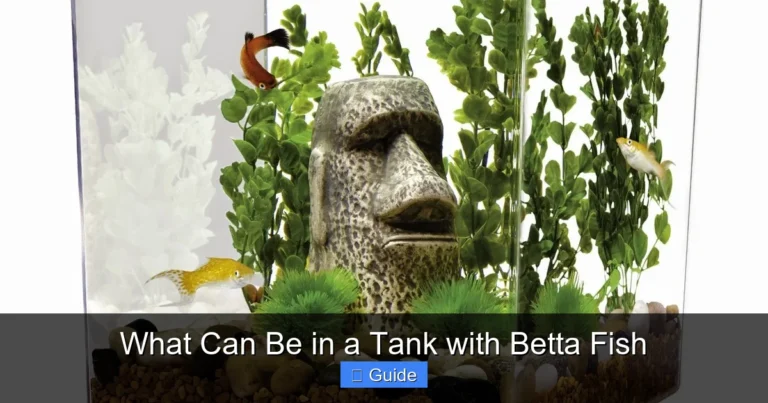
Contrary to popular belief, bettas can often live with other fish, but success depends entirely on careful selection and proper tank setup. The key is choosing peaceful, fast-moving, or bottom-dwelling species that won’t trigger your betta’s territorial instincts. A spacious, well-planted tank of 20+ gallons provides the necessary space and hiding spots to reduce stress and aggression, making a harmonious community tank a real possibility.
Key Takeaways
- Bettas are territorial, not necessarily aggressive: Their famous feistiness stems from defending a small space. In a large, structured tank, many bettas tolerate or even ignore suitable tank mates.
- Tank size is non-negotiable: A minimum of 20 gallons is strongly recommended for any community tank with a betta. Smaller volumes drastically increase stress and aggression.
- Avoid fish that look like bettas: Steer clear of other long-finned, brightly colored fish (e.g., fancy guppies, male guppies) as bettas will see them as rivals and attack.
- Speed and different zones are your friends: Fast-moving schooling fish (like tetras) or quiet bottom-dwellers (like corydoras) that occupy different parts of the tank are ideal.
- Introduction order and observation are critical: Add the betta last to an established community, or use a divider for a slow, supervised introduction. Always have a backup plan.
- Your betta’s personality is the final boss: Some bettas are laid-back community fish; others are relentless bullies. You must be prepared to separate them if things go wrong.
- Plants and hiding spots are essential infrastructure: Live or silk plants, driftwood, and caves break lines of sight and provide escape routes, which are vital for reducing tension.
📑 Table of Contents
- Betta 101: Understanding the “Fighting Fish”
- Top Tank Mate Candidates: Who Can Live With a Betta?
- Fish to Avoid at All Costs: The Danger Zone
- Tank Setup for Success: It’s All About the Environment
- The Introduction Process: Patience is a Virtue
- Troubleshooting: When Things Go Wrong
- Conclusion: A Rewarding Hobby with Realistic Expectations
Betta 101: Understanding the “Fighting Fish”
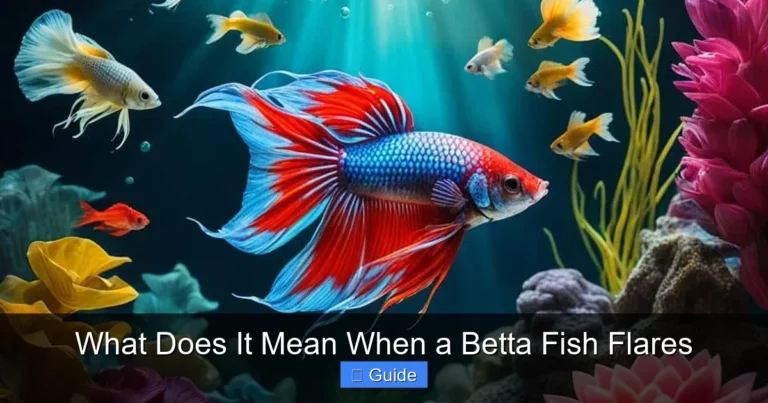
Let’s start with the most important truth: your betta fish, Betta splendens, is not a mindless killer. Its common name, the Siamese fighting fish, comes from a brutal history of selective breeding for aggression in tiny, confined spaces. In the wild, bettas are solitary creatures that inhabit vast, shallow rice paddies and slow-moving streams across Southeast Asia. They are not schooling fish. Instead, they establish and defend a small territory of plants or debris, which they patrol and rest in. This instinct to defend a cozy patch is what you’re up against when considering tank mates.
So, can you put other fish with a betta? The answer is a qualified yes. It’s less about the betta being inherently “mean” and more about providing an environment where its territorial instincts are satisfied without causing harm to others. A betta in a spacious, complex environment with plenty of visual barriers has no need to chase every fish that enters “its” space because it can’t even see the whole space at once. The goal is to design a tank that makes your betta feel secure and unthreatened, which in turn makes it a tolerable—or even indifferent—neighbor.
The Myth of the Solitary Betta
Many pet stores and outdated guides insist bettas must live alone. This is an oversimplification born from two realities: 1) the historical practice of fighting them in tiny jars, and 2) the common mistake of keeping a betta in a tiny, unstimulating vase or bowl. A betta in a 1-gallon vase with no plants will absolutely attack anything introduced because it has nothing else to do and perceives the entire vessel as its territory. However, the same betta in a 29-gallon jungle of plants and wood might not even notice a small school of neon tetras flitting by the top. The environment dictates the behavior.
Top Tank Mate Candidates: Who Can Live With a Betta?
Now for the fun part. The best betta tank mates share a few critical characteristics: they are peaceful, they are fast (so they can evade a curious betta), they occupy a different swimming layer of the tank, and they do not have long, flowing fins that mimic a rival betta. Let’s break them down into friendly categories.
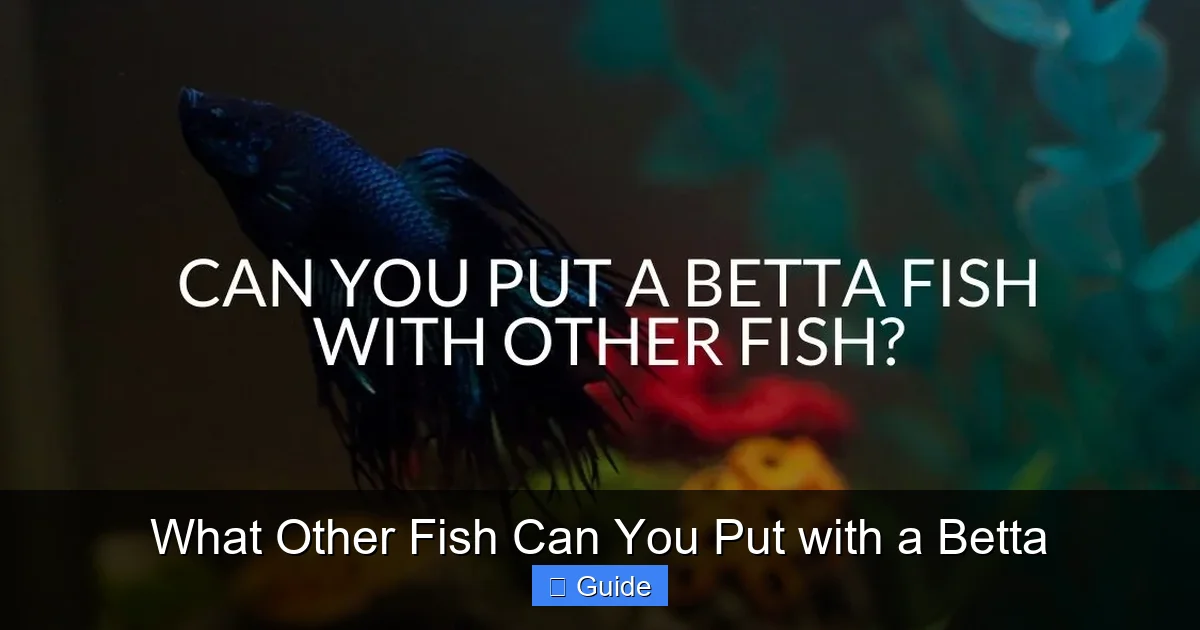
Visual guide about What Other Fish Can You Put with a Betta
Image source: bettacarefishguide.com
Peaceful Schooling Fish (Mid-to-Top Level)
These are often the safest bet. A school of 6+ small, active fish creates a beautiful, moving distraction. Their key advantage is speed and the “safety in numbers” effect—a betta is less likely to single out and relentlessly chase one fish from a constantly moving group. They also stay primarily in the upper and middle water columns, leaving the betta’s favorite plant corners alone.
- Neon Tetras <em>(Paracheirodon innesi)</em>: The classic choice. Their tiny size (1.5 inches), shimmering blue-red stripe, and swift, schooling nature make them excellent. They need to be in a proper school of at least 10-12 to feel secure and display natural behavior, which also helps them evade a betta. They are sensitive to poor water quality, so a cycled, stable tank is a must.
- Harlequin Rasboras <em>(Trigonostigma heteromorpha)</em>: Slightly larger and more robust than neons (up to 2 inches), with a distinctive black triangle on their orange body. They are hardy, active, and form beautiful, tight schools. Their active nature makes them perfect for a betta tank.
- Ember Tetras <em>(Hyphessobrycon amandae)</em>: Tiny, fiery orange fish that are almost comical in their activity. Their small size (0.8 inches) and preference for the mid-water column make them a great choice for a betta who might be a bit more curious. A school of 8-10 looks stunning against dark substrate and plants.
- White Cloud Mountain Minnows <em>(Tanichthys albonubes)</em>: Extremely hardy, active, and peaceful. They prefer cooler water (64-72°F), which is often cooler than a betta’s preferred 78-80°F. This temperature difference can actually be beneficial, as it may slightly slow the betta’s metabolism and reduce aggression. Ensure your tank can maintain a stable temperature in the middle ground (around 76-77°F).
Practical Tip: Always add the schooling fish to the tank first and let them establish their school and territory for a week or two before introducing the betta. A betta is far less likely to chase an established, confident school than it is to see a new group of fish invading its space.
The Quiet Bottom-Dwellers (Lower Level)
These fish are the ultimate “out of sight, out of mind” tank mates. They occupy the substrate and lower regions, a zone bettas rarely patrol with intensity. They are also typically armored or fast, and they clean up leftover food.
- Corydoras Catfish <em>(Corydoras spp.)</em>: The undisputed champions of betta companions. These small, armored “cory cats” are social, peaceful, and endlessly entertaining as they sift through the sand in groups of 5 or more. They come in many species (Pygmy, Panda, Bronze, Salt and Pepper). Their whisker-like barbels and spiny fins make them unappealing to a betta, and they are fast enough to dart away if nibbled. They are a must-have for a community betta tank.
- Kuhli Loaches <em>(Pangio kuhlii)</em>: For a truly unique tank, these eel-like, orange-and-black-striped loaches are fascinating. They are nocturnal, shy, and spend most of the day burrowed or hiding under decorations. A small group (3-5) will provide interesting activity at night with zero daytime interaction with your betta.
- Otocinclus Catfish <em>(Otocinclus spp.)</em>: The dedicated algae eater. These tiny (1.5 inch), suckermouth catfish are gentle and stay in groups, grazing on algae on plants and glass. They are very sensitive to water quality and require a well-established tank with plenty of biofilm/algae. Not for a brand-new tank.
Invertebrate Options: Shrimp and Snails
Invertebrates can be fantastic additions, but they come with a big caveat: your betta’s personality. Some bettas ignore them; others see shrimp as tasty snacks. Snails are generally safer due to their shells.
- Amano Shrimp <em>(Caridina multidentata)</em>: The largest common aquarium shrimp (up to 2 inches), active, and primarily algae-eaters. Their size and speed give them a better chance of survival. They are a good first shrimp to try.
- Ghost Shrimp <em>(Palaemonetes spp.)</em>: Inexpensive, transparent, and fast-breedering. They are often sold as “feeder shrimp” and are a common first test for a betta. Many bettas will eat them, but a hardy population can sometimes establish if the betta isn’t overly predatory.
- Nerite Snails <em>(Neritina spp.)</em>: The best snail choice. They have a beautiful, patterned shell, voracious algae-eating habits, and cannot reproduce in freshwater (they require brackish water to lay eggs). This prevents a snail explosion. Their hard shell protects them from most bettas.
- Mystery/Apple Snails <em>(Pomacea spp.)</em>: Large, peaceful snails that will clean algae and eat leftover food. They have a hard operculum (trapdoor) but are slow and can be harassed by a persistent betta. They can also reproduce rapidly in freshwater, so be prepared for baby snails.
Critical Note on Shrimp: Always provide dense planting (like java moss, marimo moss balls, or dense foliage) for shrimp to hide in. Start with a small group of inexpensive shrimp (like ghost shrimp) to test your specific betta’s reaction before investing in more expensive varieties.
Fish to Avoid at All Costs: The Danger Zone
Just as important as knowing who to add is knowing who to absolutely avoid. These fish are a recipe for disaster, stress, and likely death for one or more inhabitants.
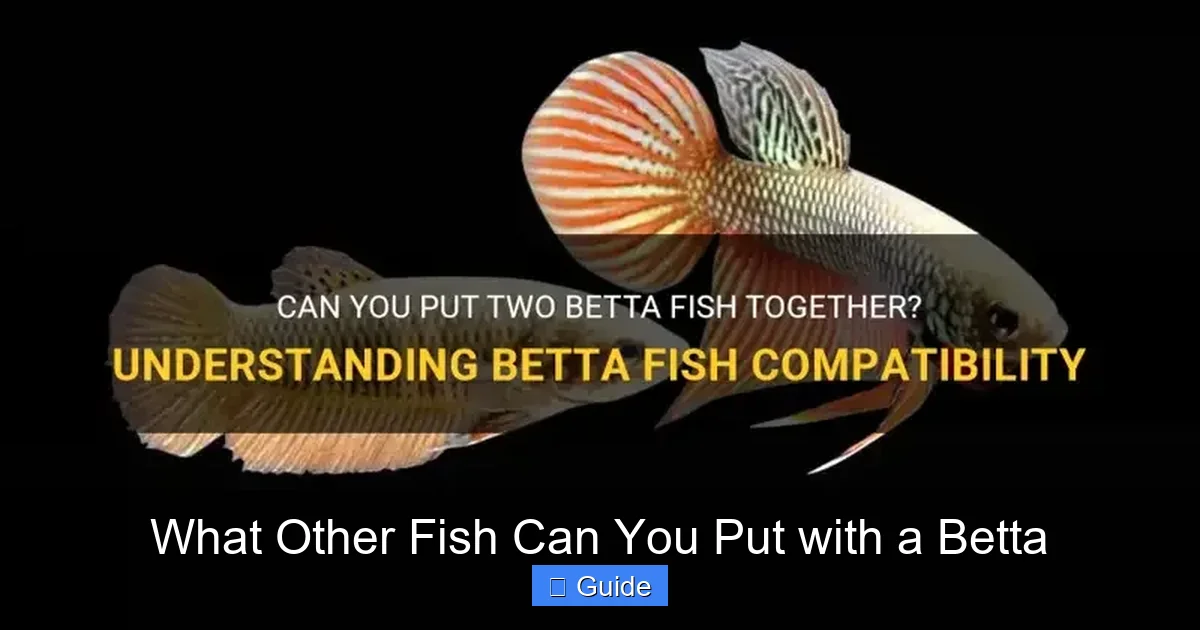
Visual guide about What Other Fish Can You Put with a Betta
Image source: petshun.com
Other Bettas and Fancy-Finned Fish
This is the cardinal rule. Never, under any circumstances, house two male bettas together. They will fight to the death. Female bettas can sometimes be kept in a carefully managed “sorority” (5+ females in a 40+ gallon tank with heavy planting), but this is an advanced setup not for beginners. Also, avoid any fish with long, flowing fins—male guppies, fancy guppies, some platies, and especially other anabantoids like gouramis (dwarf gouramis are a particular no-no). Your betta will perceive them as a rival male betta and attack relentlessly.
Aggressive or Fin-Nipping Fish
Fish with a reputation for aggression or fin-nipping will either bully your betta or provoke it into a fight.
- Tiger Barbs, Tinfoil Barbs, Serpae Tetras: These are notorious fin-nippers. They will relentlessly peck at the long, flowing fins of a betta, causing severe stress, infection, and potentially death.
- Most Cichlids ( Oscars, Jack Dempseys, etc.): Even “community” cichlids like the Severum can be too aggressive and rough for a betta. They are also often messy, polluting the water.
- Aggressive “Tank Boss” Fish: Large, dominant fish like some larger catfish (e.g., Red Tail Catfish) or large, boisterous cyprinids (e.g., Buenos Aires Tetras) will intimidate a betta, preventing it from feeding and causing chronic stress.
Fish with Similar Body Shapes or Colors
Even if not fin-nippers, some fish trigger a betta’s territorial response due to their appearance. Fish that are brightly colored, especially with red or blue hues, or that have a similar body shape (elongated, laterally compressed) can be seen as rivals. This is highly individual—some bettas won’t care, others will flare at their own reflection. It’s a risk you don’t need to take when so many safe options exist.
Tank Setup for Success: It’s All About the Environment
You can have the perfect list of fish, but without the right tank, failure is almost guaranteed. The environment is your most powerful tool for managing betta behavior.
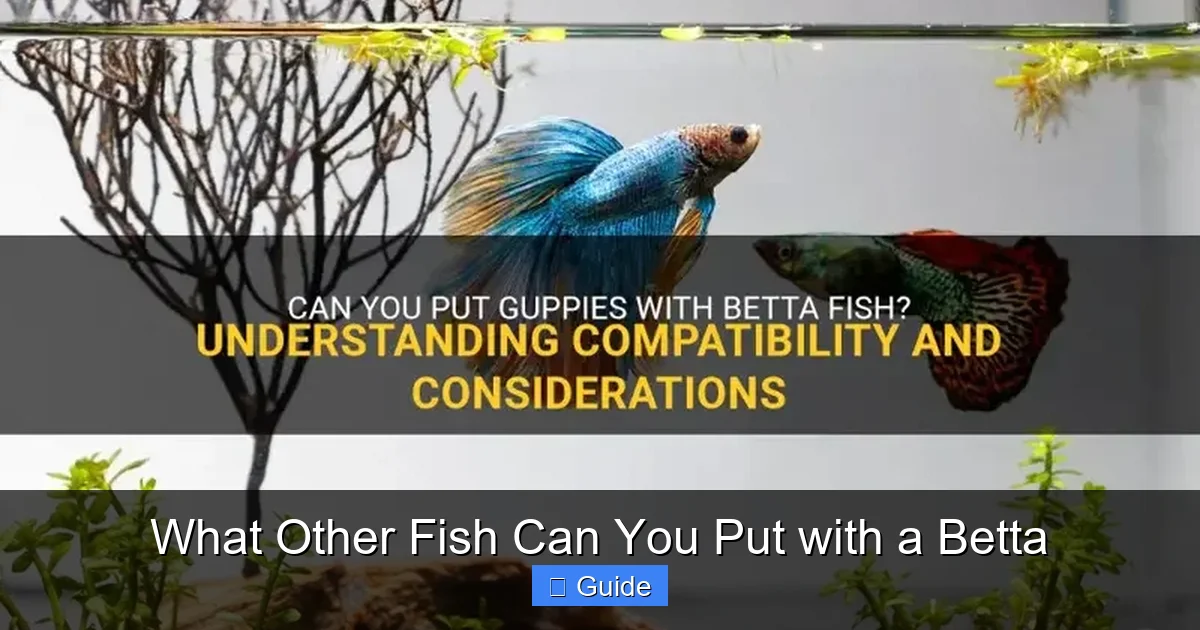
Visual guide about What Other Fish Can You Put with a Betta
Image source: petshun.com
The Absolute Minimum: Size and Space
Forget the 5-gallon “community” tank myth. A single betta deserves at least 5 gallons alone. For any tank mate, you need to add significant space. The strongly recommended minimum is a 20-gallon long tank. This provides a footprint (30″ x 12″) that allows for distinct territories. A 29-gallon or larger is even better. The extra horizontal space is crucial for creating visual barriers and allowing fish to establish their own zones without constant intrusion.
The Power of Plants and Hardscape
Your goal is to break the line of sight from one end of the tank to the other. A betta must not be able to see the entire tank as its domain.
- Floating Plants: This is your #1 weapon. Plants like Salvinia molesta, Duckweed, or Water Sprite create a dense canopy at the surface. Bettas love to rest under them, and they block the betta’s view of fish swimming above. They also diffuse bright lighting.
- Stem Plants & Dense Foliage: Plants like Rotala, Ludwigia, Hygrophila, and Cryptocorynes should be planted in thick clusters, especially in the mid-ground and background. This creates walls and caves.
- Hardscape: Driftwood, large stones, and ceramic caves provide essential hiding spots for both the betta (to retreat) and its tank mates (to escape notice). Arrange them to create nooks and crannies.
- Substrate: Use a fine sand or smooth gravel. For corydoras, sand is ideal as it’s gentle on their barbels.
Remember: A heavily planted tank is a stable, healthy tank. Plants absorb nitrates, provide biofilm for shrimp, and reduce stress for all inhabitants.
Filtration and Water Parameters
A gentle filter is key. A strong current will stress a betta, whose long fins make swimming difficult. Use a sponge filter (excellent for shrimp and fry too) or a hang-on-back filter with a flow diffuser. The water must be fully cycled before adding any fish. Stable parameters are vital: temperature 78-80°F (using a reliable heater), pH 7.0-7.5, and ammonia/nitrite at 0 ppm. Perform regular water changes (25-50% weekly) to maintain pristine water quality, which is the foundation of health and calm.
The Introduction Process: Patience is a Virtue
How you introduce your betta to its new friends is as important as the tank itself. Rushing this process is the #1 cause of failure.
Method 1: The Betta-Last Approach (Easiest)
This is the preferred method for a calmer betta. Set up and fully cycle your 20+ gallon community tank without the betta. Add your chosen school of tetras/rasboras and your school of corydoras (or other bottom dwellers). Let them establish their hierarchy and feel at home for 2-4 weeks. Then, when you bring home your betta, float its bag in the tank for 15-20 minutes to acclimate temperature. Do not dump the bag water into your tank. Use a net to gently transfer the betta into the tank. In this scenario, the betta is the “newcomer” to an established community, and the other fish will not perceive it as an invader of their long-held territory. The betta, in turn, is less likely to feel the need to defend a pre-existing space.
Method 2: The Divider Technique (For Known Bullies)
If you already have a betta in a tank and want to add companions, or if you know your betta has a fiery personality, use a solid tank divider. Place the divider in the tank, creating two separate, cycled sections. Put the existing betta on one side and the new fish on the other. They can see each other but not interact. Allow them to “meet” through the barrier for 1-2 weeks. Observe the betta’s reaction. If it flares constantly and obsessively at the divider, it may not be a candidate for community life. If it largely ignores the other fish after a few days, you can then attempt a supervised, short-term removal of the divider in a large tank with plenty of hiding spots, watching closely for chasing.
Supervision and Backup Plan
For the first few days after the betta is in the tank with others, watch closely during feeding times. Is the betta chasing relentlessly? Is it cornering a specific fish? Are the other fish hiding constantly and not eating? A little initial flaring and chasing can be normal as boundaries are set, but it should subside within 24-48 hours. If the aggression is constant and violent, you must have a backup tank (a 5-10 gallon hospital tank) ready to remove either the betta or the targeted fish immediately. Never leave them alone if severe aggression is observed.
Troubleshooting: When Things Go Wrong
Even with the best planning, you might encounter issues. Here’s how to diagnose and address them.
My Betta is Chasing a Specific Fish Constantly
First, ensure the chased fish is not sick or injured—bettas instinctively target the weak. If it’s healthy, the betta may have singled it out as a personal nemesis. In a large enough tank, sometimes this resolves as the chased fish learns to stay in a different zone. However, if the chasing is relentless and the victim is losing weight or showing stress (clamped fins, pale color), you must separate them. The bully (likely the betta) may need to be moved to a solo tank. The victim might be fine with the other tank mates and just can’t tolerate that one betta.
My Betta Flares at Its Own Reflection or at Fish Through Glass
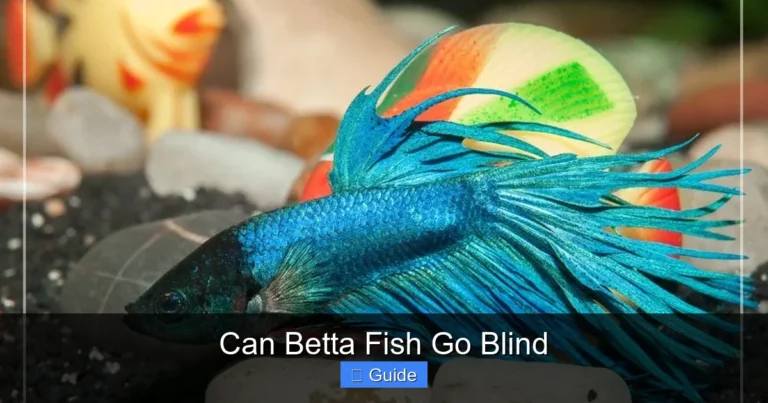
Flaring (puffing up its gills and fins) is a natural threat display. Some bettas will flare at their reflection or at fish they see through a clear divider. This is mostly a stress response if it’s constant. Using a solid, non-reflective divider or adding more plants to break up reflections can help. If the betta is flaring constantly at its tank mates across the tank, it’s a sign it’s too stressed by their presence and may need to be rehomed to a solo setup.
The “Shrimp Buffet” Problem
If your betta is eating all your shrimp, you have a few options: 1) Switch to larger, faster shrimp like Amanos. 2) Provide an immense amount of dense hiding places (java moss, cholla wood, dense leaf litter) so shrimp can live out their lives mostly unseen. 3) Accept that your particular betta is not shrimp-compatible and remove the shrimp. Some bettas have a high prey drive that cannot be overridden by tank setup.
General Stress in the Tank
If all fish seem stressed—hiding, not eating, rapid breathing—check your water parameters first. Ammonia or nitrite spikes are the silent killers. Then, assess tank size and decoration. Is the tank overstocked? Are there enough plants and hiding spots? Is the filter flow too strong? Is the temperature stable? Often, increasing plant cover and providing more visual barriers solves the problem.
Conclusion: A Rewarding Hobby with Realistic Expectations
Keeping a betta in a community tank can be one of the most rewarding experiences in the aquarium hobby. Watching a peaceful betta coexist with a shimmering school of neon tetras or root around with a herd of corydoras is a joy. However, it is a project built on research, preparation, and patience. You are working with a living, breathing creature with a strong instinct, not a passive decoration.
Start with the right tank—a 20-gallon long is your best friend. Stock it with peaceful, fast, or bottom-dwelling fish from the approved lists above. Heavily plant it, especially with floating plants. Cycle it thoroughly. Introduce the betta last or use a divider. And above all, observe your fish daily. Learn their personalities and be ready to intervene if stress or aggression arises. Not every betta will be a community fish, and that’s okay. A beautifully planted, species-appropriate solo tank is also a fantastic home. But by following this guide, you stack the odds heavily in favor of creating a stunning, thriving community centered around your magnificent betta.
Frequently Asked Questions
Can a male betta live with female bettas?
Generally, no. Male and female bettas should not be housed together except for supervised breeding sessions, as the male will often attack the female. A “sorority” of 5+ female bettas in a large, heavily planted tank (40+ gallons) is possible but advanced and not recommended for beginners.
Are snails safe with bettas?
Yes, snails are typically the safest tank mate for a betta. Their hard shell protects them from being eaten. Nerite snails are an excellent choice because they eat algae and cannot reproduce in freshwater, preventing overpopulation.
What is the absolute minimum tank size for a betta with tank mates?
While a single betta can live in 5 gallons, for any tank mates, the strongly recommended minimum is 20 gallons. This provides enough horizontal space for distinct territories and visual breaks. Anything smaller dramatically increases the risk of aggression and stress.
Can I put a betta with guppies?
It depends entirely on the guppy. Male guppies have long, flowing fins that will trigger a betta’s aggression and should never be housed together. Female guppies have shorter fins and are less flashy, so they have a better chance, but it’s still a risk. It’s safer to choose from the peaceful, short-finned species listed in this guide.
How do I know if my betta is stressed by tank mates?
Signs of stress include constant flaring at other fish, relentless chasing, hiding all day, loss of appetite, faded or dull colors, clamped fins, and rapid breathing. If you see these, you must reassess your tank setup, stocking, or be prepared to separate the fish.
What water temperature do bettas and their tank mates need?
Bettas prefer 78-80°F (25.5-26.5°C). Most tropical community fish (tetras, rasboras, corydoras) thrive in this range. White Cloud Mountain Minnows prefer cooler water (64-72°F), which can be an issue. Always research the temperature overlap for any species you consider before mixing them. A stable, appropriate temperature for all inhabitants is critical.