How to Keep Betta Fish Happy With Simple Care Tips
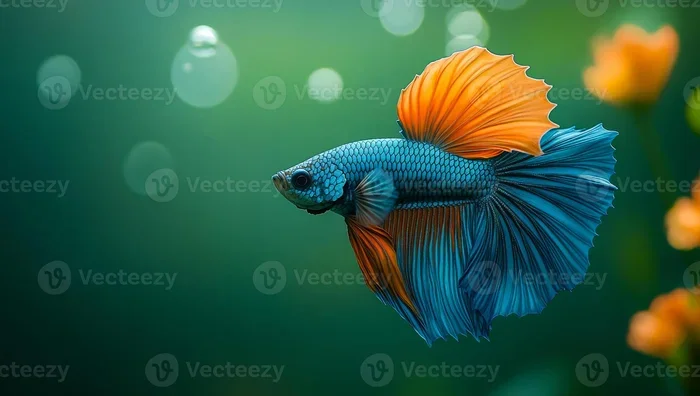
Keeping your betta fish happy starts with understanding their unique needs and providing a safe, enriching home. Simple changes like adding live plants, maintaining clean water, and offering a varied diet can make a huge difference in their well-being. When you focus on proper care, your betta will show vibrant colors, active behavior, and a longer lifespan. This guide shares practical advice to help you create the perfect environment for your finned friend.
Betta fish are one of the most popular pets for beginners and experienced aquarists alike. Their bright colors and flowing fins make them a stunning addition to any room. But many new owners wonder what it really takes to keep their fish thriving. The truth is that bettas are more than just decorative creatures. They have specific needs that, when met, lead to a lively and content companion.
Understanding how to keep betta fish happy means looking beyond the bowl. These fish come from shallow, warm waters in Southeast Asia. They need space, clean conditions, and mental stimulation to feel secure. When you provide the right setup, you will notice your betta swimming with confidence, exploring its surroundings, and even recognizing you at the glass. Small efforts go a long way in building a healthy relationship with your pet.
Key Takeaways
- Tank Size Matters: A minimum 5-gallon tank gives your betta enough space to swim and explore comfortably.
- Water Quality Is Key: Regular water changes and proper filtration keep your betta healthy and reduce stress.
- Temperature Control: Betta fish thrive in warm water between 78-80°F, so a reliable heater is essential.
- Enrichment Boosts Happiness: Adding plants, hiding spots, and gentle lighting creates a stimulating environment.
- Balanced Diet: High-quality pellets plus occasional treats like frozen bloodworms support vibrant health.
- Tank Mates Require Caution: Bettas prefer solitude, but some peaceful species can coexist with careful planning.
- Observe Behavior Daily: Watching your betta helps you spot illness early and adjust care as needed.
📑 Table of Contents
- Understanding Betta Fish Behavior and Needs
- Choosing the Right Tank Setup
- Water Care and Maintenance Routine
- Diet and Feeding for a Thriving Betta
- Enrichment and Environment for Mental Stimulation
- Social Needs and Tank Mates
- Common Mistakes That Reduce Betta Happiness
- Quick Tips for a Happy Betta
- Expert Insights on Betta Well-Being
- Conclusion
Understanding Betta Fish Behavior and Needs
Before setting up a tank, it helps to know what makes a betta tick. These fish are naturally curious and active when they feel safe. In the wild, they patrol territories, search for food, and interact with their environment. A stressed betta will hide, lose color, or refuse to eat. A happy betta will explore, flare its gills occasionally, and maintain bright patterns.
Signs of a Content Betta
You can tell a lot by watching your fish each day. A happy betta will swim around the tank with purpose. It will approach the front glass when you walk by. Its fins will stay open and smooth, not clamped tight against its body. The eyes will look clear, and the scales will shine. These are all good signs that your care routine is working.
Common Stress Triggers to Avoid
Several things can quickly dampen a betta’s mood. Overcrowded tanks cause competition and fear. Dirty water fills the space with harmful toxins. Sudden temperature swings shock their system. Loud noises and constant vibrations also create anxiety. By removing these stressors, you give your betta a calm home where it can truly flourish.
Choosing the Right Tank Setup
Many people start with tiny bowls, but that setup rarely supports a long, happy life. A larger tank gives your betta room to move and makes water conditions easier to manage. The extra space also allows you to add decorations that mimic a natural habitat. When you plan the tank correctly from the start, you save time and prevent future problems.
Ideal Tank Size for Your Betta
A 5-gallon tank is the minimum recommendation for a single betta. This size holds enough water to stabilize temperature and dilute waste. It also gives your fish space to swim without feeling cramped. If you have room, a 10-gallon tank offers even more stability and opens up options for gentle tank mates. Bigger water volumes are easier to keep clean than small ones.
Filtration and Heating Basics
Clean water is the foundation of good health. A gentle filter removes debris and keeps the water moving without creating strong currents. Bettas prefer calm flow, so adjust the output to a low setting. A heater keeps the water in the ideal range of 78 to 80 degrees Fahrenheit. Consistent warmth supports their immune system and keeps them active. If you want to learn more about filtration needs, you can read our guide on filtered tank requirements.
Water Care and Maintenance Routine
Water quality directly affects how your betta feels every day. Poor conditions lead to illness, dull colors, and low energy. A steady maintenance routine keeps the environment fresh and safe. You do not need complicated equipment to succeed. Simple habits make the biggest impact.
How Often to Change Water
Weekly water changes work well for most betta tanks. Replace about twenty-five to fifty percent of the water each time. This routine removes built-up waste and refreshes essential minerals. Always treat new water with a dechlorinator before adding it to the tank. If you are unsure about the frequency, check out our article on water change needs for more details.
Testing and Monitoring Water Parameters
A simple test kit helps you track ammonia, nitrite, and nitrate levels. Ammonia and nitrite should stay at zero, while nitrate should remain low. pH levels between 6.5 and 7.5 suit most bettas. Regular testing catches problems early, before your fish shows signs of distress. Watching these numbers gives you confidence that your tank is stable.
Diet and Feeding for a Thriving Betta
Food is more than fuel. The right diet supports strong fins, bright colors, and a healthy immune system. Bettas are carnivorous by nature, so they need protein-rich meals. Overfeeding, however, causes waste buildup and health issues. Finding the right balance keeps your fish energetic and satisfied.
Best Foods for Betta Fish
High-quality betta pellets should form the core of the diet. Look for formulas with whole protein sources near the top of the ingredient list. You can also offer frozen or live treats like bloodworms, brine shrimp, or daphnia once or twice a week. These extras add variety and mimic natural hunting behavior. A varied menu keeps your betta interested in mealtime.
Feeding Schedule and Portion Control
Feed small amounts twice a day rather than one large meal. Your betta should finish the food within two to three minutes. Remove any leftovers to prevent decay in the tank. A good rule is to offer only what your fish can eat without leaving scraps. This habit protects water quality and prevents obesity.
Enrichment and Environment for Mental Stimulation
A bare tank may keep your betta alive, but it will not keep it engaged. Enrichment adds interest and reduces boredom. Plants, caves, and gentle lighting create a space that feels safe and inviting. When your fish has places to explore, it behaves more naturally and shows fewer signs of stress.
Plants and Decorations
Live plants are an excellent choice because they improve water quality and provide cover. Java fern, anubias, and floating plants work well in betta tanks. If you prefer artificial options, choose smooth decorations without sharp edges. Rough surfaces can tear delicate fins. Arrange plants and hides so your betta can move through the tank with confidence.
Lighting and Day-Night Cycles
Bettas need a consistent light schedule to feel secure. Aim for eight to ten hours of light each day, then allow a dark period for rest. Too much light can encourage algae and disrupt sleep. Too little light may make the tank feel gloomy. A simple timer helps you maintain a steady rhythm without daily guesswork.
Social Needs and Tank Mates
Bettas have a reputation for being solitary, and that is mostly true for males. They do not require friends to feel content. In fact, the wrong companion can cause fear and injury. Understanding their social style helps you make safe choices. Some owners successfully add peaceful species, but careful planning is essential.
Can Bettas Live with Other Fish?
Male bettas should generally live alone to avoid fights. If you want to explore compatibility, research calm species that do not nip fins or chase. Small schooling fish and certain bottom dwellers may work in larger tanks with plenty of cover. Always introduce new animals slowly and watch for aggression. For more guidance, see our post on keeping bettas with other fish.
When to Keep Your Betta Alone
Solo housing is often the safest option. A single betta in a well-decorated tank can live a full and active life. You become the main source of interaction through feeding and observation. Many owners find that a lone betta recognizes them and responds to movement outside the tank. This bond can be just as rewarding as sharing the space with other species.
Common Mistakes That Reduce Betta Happiness
Even well-meaning owners make errors that affect their fish. Recognizing these pitfalls helps you avoid them. Small adjustments in your routine can prevent stress and illness. The goal is to create steady conditions that let your betta thrive.
Overcrowding and Poor Tank Choices
Tiny containers and crowded community tanks create constant pressure. Limited space restricts movement and traps waste. Choose a tank that matches your betta’s needs instead of fitting it into a decorative vase or bottle. If you want to know why those setups fall short, read about vase setups and bottle habitats to see the risks.
Inconsistent Care and Monitoring
Skipping water changes, ignoring temperature swings, and feeding randomly all take a toll. Set a simple schedule and stick to it. Check your tank daily for unusual behavior, such as hiding, clamped fins, or loss of appetite. Early action prevents small issues from becoming serious problems.
Quick Tips for a Happy Betta
- Start with a 5-gallon tank to give your fish room to swim and explore.
- Use a gentle filter and keep water flow low to protect delicate fins.
- Maintain warm water between 78 and 80 degrees with a reliable heater.
- Add live plants and smooth hides to create a secure, interesting environment.
- Feed small, protein-rich meals twice a day and remove uneaten food.
- Perform weekly water changes and test parameters regularly.
- Watch your betta daily to catch changes in color, appetite, or behavior early.
Expert Insights on Betta Well-Being
Experienced keepers agree that consistency matters more than perfection. A stable tank with routine care supports better health than a perfect setup that changes constantly. They also emphasize observation as a powerful tool. Spending a few minutes each day watching your betta helps you learn what is normal for that individual fish. Over time, you will notice subtle shifts that signal stress or comfort.
Another key insight is that enrichment does not need to be expensive. Simple additions like floating plants, a gentle current, and a varied feeding routine can transform a dull tank into an engaging habitat. The best environment is one that allows natural behaviors while keeping water conditions steady. When you focus on both physical and mental needs, your betta has the best chance to live a vibrant life.
Conclusion
Learning how to keep betta fish happy is really about meeting their basic needs with care and consistency. A proper tank, clean warm water, a balanced diet, and a stimulating environment all work together to support a healthy, active fish. When you remove common stressors and pay attention to daily behavior, your betta will show its true personality through bright colors and confident movement.
The best part is that you do not need fancy equipment to succeed. Simple routines, thoughtful setup choices, and regular observation make all the difference. Start with a solid foundation, stay consistent, and enjoy the reward of a content betta that brings life and color to your space.
Frequently Asked Questions
What size tank does a betta fish need to stay happy?
A 5-gallon tank is the minimum for a single betta, though a 10-gallon tank offers even more stability and swimming room. Larger water volumes make it easier to maintain clean, warm conditions that support long-term health.
How often should I change the water in a betta tank?
Weekly water changes of 25 to 50 percent work well for most setups. Regular changes remove waste, refresh minerals, and keep harmful toxins low. Always treat new water with a dechlorinator before adding it.
Can betta fish live with other fish or tank mates?
Male bettas usually do best alone, but some peaceful species can share a larger tank with careful planning. Choose calm, non-aggressive companions and provide plenty of hiding spots. Always watch for signs of stress or aggression after introductions.
What temperature keeps a betta fish comfortable?
Bettas thrive in warm water between 78 and 80 degrees Fahrenheit. A reliable heater helps maintain this range and supports a strong immune system. Sudden temperature drops can cause stress and illness.
How do I know if my betta fish is happy and healthy?
A happy betta swims actively, keeps its fins open, and maintains bright colors. It should show interest in food and respond to movement outside the tank. Clear eyes, smooth scales, and regular breathing are also good signs of wellness.
Do betta fish need plants and decorations in their tank?
Yes, plants and smooth decorations give your betta places to explore and hide, which reduces stress. Live plants also help improve water quality. Just avoid sharp objects that could tear delicate fins.