Why Do My Betta Fish Keep Dying

Betta fish are delicate, and many owners wonder why do my betta fish keep dying. Most deaths stem from water problems, over‑feeding, and hidden illnesses. Follow these simple, science‑backed tips to create a safe, healthy home for your finned friend.
Key Takeaways
- Water quality is king: Bad parameters kill bettas faster than any other factor.
- Tank size matters: A 5‑gallon minimum prevents stress and territorial aggression.
- Proper feeding prevents constipation and bacterial blooms.
- Watch for subtle illness signs. Early detection saves lives.
- Routine maintenance is non‑negotiable. Weekly water changes and filter checks keep the environment stable.
- Stress reduction equals longevity. Hideouts, gentle lighting, and compatible tank mates are key.
- Seek expert help early. When in doubt, consult a vet or experienced hobbyist.
📑 Table of Contents
Introduction
If you’ve ever stared at an empty betta bowl and asked yourself, “why do my betta fish keep dying?” you’re not alone. New hobbyists often start with excitement, a bright fish, and a tiny container, only to face a sad, lifeless ending weeks later. The frustration is real, but the good news is that most deaths are preventable.
In this guide we’ll walk through the most common killers, show you how to spot early warning signs, and give you a step‑by‑step care plan that turns a “dying” story into a thriving one. Think of it as a friendly chat over coffee—simple language, practical tips, and plenty of examples.
1. Water Quality: The Silent Assassin
Betta fish live in water, so the water’s health is directly linked to their health. Even a tiny spike in ammonia or a sudden pH shift can be fatal.

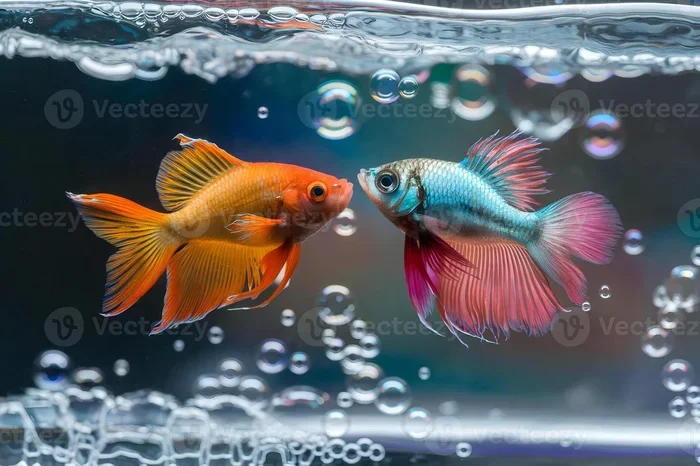
Visual guide about Why Do My Betta Fish Keep Dying
Image source: celeberinfo.com
1.1. Test, Test, Test
- Ammonia (NH₃/NH₄⁺): Should always read 0 ppm. Even 0.25 ppm is stressful.
- Nitrite (NO₂⁻): Must be 0 ppm. Any amount can cause “brown blood disease.”
- Nitrate (NO₃⁻): Keep under 20 ppm for bettas.
- pH: Aim for 6.5‑7.5. Sudden swings are worse than a slightly off value.
- Temperature: Betta’s sweet spot is 78‑80°F (25‑27°C). Below 74°F slows metabolism; above 84°F raises stress.
Invest in a reliable liquid test kit and test weekly for the first month, then bi‑weekly after the tank stabilizes. Consistency beats occasional deep dives.
1.2. Why Bad Water Kills Faster Than Anything Else
Ammonia and nitrite are direct toxins that damage gill tissue, making it hard for the fish to breathe. Nitrate is less acute but can stress the immune system over time. A fluctuating pH interferes with the fish’s osmoregulation, leading to “swim‑bladder” issues and loss of appetite.
1.3. Practical Water‑Care Routine
- Do a 25‑30 % water change every week using conditioned, temperature‑matched water.
- Rinse substrate with a bucket of tank water (not tap water) to avoid killing beneficial bacteria.
- Use a gentle internal filter or a sponge filter; avoid strong currents that stress bettas.
- Add a small amount of liquid carbon or a bacterial supplement to boost bio‑filter health.
2. Tank Size and Setup: Bigger Is Safer
Many beginners think a 1‑gallon bowl is “just right” for a single betta. In reality, a 5‑gallon (or larger) tank provides stable water chemistry and room to swim.

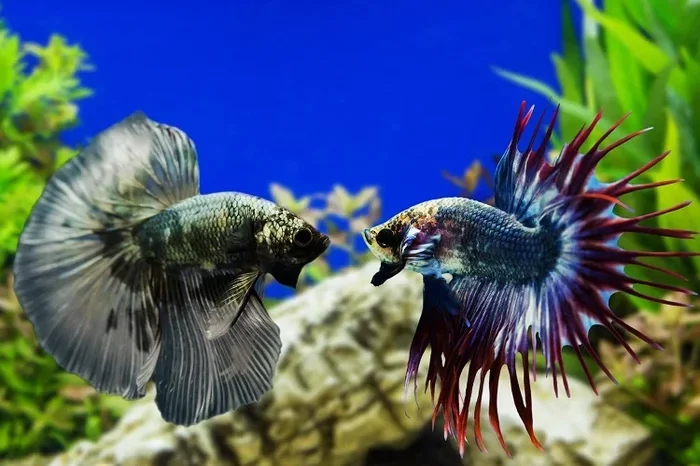
Visual guide about Why Do My Betta Fish Keep Dying
Image source: bettacarefishguide.com
2.1. Minimum Recommendations
- Volume: 5 gallons (≈19 L) is the minimum for a solitary male.
- Shape: Long tanks are better than tall ones; they give more surface area for oxygen exchange.
- Cover: Betta love to jump, so a tight‑fitting lid is essential.
2.2. Decorating Without Stress
Provide hiding spots with live or silk plants, smooth rocks, and PVC caves. Avoid sharp ornaments that can tear delicate fins. A well‑planted tank also helps absorb nitrates naturally.
2.3. Example Setup
Imagine a 5‑gallon glass tank filled with a fine gravel substrate, a few Java fern leaves, and a small driftwood branch. Add a gentle sponge filter, a heater set to 79°F, and a lid with a small ventilation hole. This simple ecosystem mimics a natural stream and reduces the chance of “why do my betta fish keep dying.”
3. Feeding: Quality Over Quantity
Over‑feeding is the #1 cause of cloudy water, constipation, and internal bacterial infections.
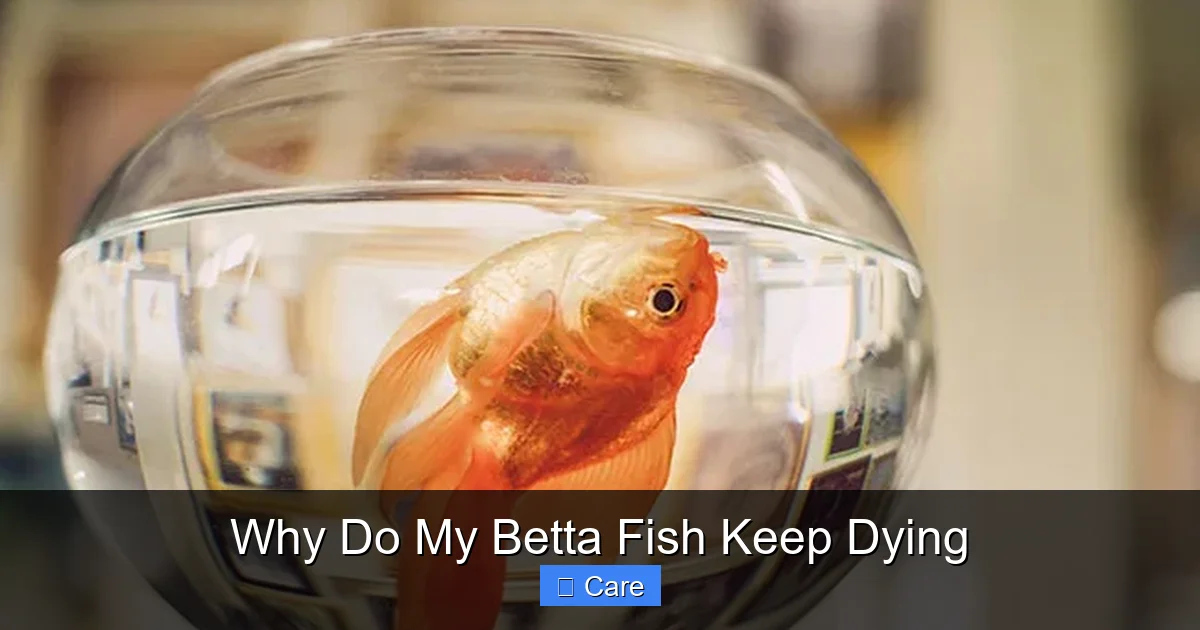
Visual guide about Why Do My Betta Fish Keep Dying
Image source: fishlab.com
3.1. What to Feed
- High‑quality betta pellets: Look for 40‑45 % protein, no fillers.
- Frozen or live foods: Brine shrimp, daphnia, or bloodworms offered 2‑3 times a week.
- Vegetable supplement: A pinch of blanched peas can aid digestion.
3.2. How Much and How Often
Feed 2‑3 pellets once or twice daily. The rule of thumb: the fish should eat everything within 2 minutes, and you should see no uneaten food floating after 5 minutes.
3.3. Signs of Over‑ or Under‑Feeding
- Over‑feeding: Bloated belly, white feces, cloudy water.
- Under‑feeding: Weight loss, faded colors, lethargy.
3.4. Internal Link Example
If you notice your betta spitting out food, read our article on why did my betta fish spit out his food for troubleshooting tips.
4. Recognizing Early Illness Signs
Often the first clue that something is wrong is a subtle change in behavior.
4.1. Common Symptoms
- Loss of color: Fades to pale or white (see why is my betta fish turning white).
- Clamped fins: Fins held close to the body indicate stress.
- Erratic swimming: Floating sideways, swimming upside down, or darting suddenly.
- Loss of appetite: Refusal to eat for 24‑48 hours.
- Visible spots or cotton‑like growths: Fungal or bacterial infections.
4.2. Quick Health Check
- Observe the fish for 5 minutes after feeding.
- Check gill movement – rapid gills can mean poor oxygen.
- Look for any discoloration on fins or body.
- Gently swirl the water; if the fish immediately hides, it may be stressed.
4.3. When to Treat
If you see any of the above, start a mild salt bath (1 tsp aquarium salt per 5 gal) for 30 minutes, then monitor. For fungal spots, a dip in a diluted aquarium antifungal solution works. Always isolate the sick fish if you have a community tank.
5. Stress Reduction: The Hidden Killer
Stress weakens the immune system, making bettas vulnerable to disease.
5.1. Light and Noise
Provide a natural day/night cycle: 10‑12 hours of gentle light, followed by darkness. Avoid bright LED strips directly over the tank; instead, use indirect lighting.
5.2. Tank Mates
Betta males are territorial. If you must keep companions, choose peaceful bottom dwellers (e.g., Corydoras) and keep the tank at least 10 gallons. Never house two males together.
5.3. Handling and Interaction
Limit hand‑taps on the glass. If you need to move the fish, use a soft net and avoid sudden movements.
5.4. Internal Link Example
For more on stress‑related color loss, see why did my betta fish lose its color.
6. Routine Maintenance Checklist
Consistency is the secret sauce that stops the “why do my betta fish keep dying” cycle.
6.1. Weekly Tasks
- Test water parameters.
- Replace 25‑30 % water.
- Clean glass with an algae pad.
- Inspect filter media; rinse if clogged.
- Trim dead plant leaves.
6.2. Monthly Tasks
- Deep clean substrate (vacuum half the tank).
- Replace filter cartridge (if using cartridge filter).
- Check heater for proper temperature.
6.3. Seasonal Adjustments
In winter, monitor heater performance more closely; in summer, ensure the tank is not placed near direct sunlight to avoid temperature spikes.
Conclusion
Understanding why do my betta fish keep dying is the first step toward a happy, healthy aquarium. By mastering water quality, providing adequate space, feeding wisely, watching for early illness signs, reducing stress, and sticking to a maintenance routine, you give your betta the best chance at a long, vibrant life.
Remember, bettas are resilient when their environment is right. If you ever feel stuck, don’t hesitate to consult a local aquarium store or a fish‑health veterinarian. Your dedication today will pay off with a bright, active finned friend tomorrow.
Frequently Asked Questions
Why is my betta fish floating sideways?
Sideways swimming often signals a swim‑bladder issue, which can be caused by constipation, over‑feeding, or water quality problems. Adjust diet and improve water parameters to help.
My betta isn’t eating at all. What should I do?
First, check water conditions and temperature. Offer a tiny amount of live or frozen food like brine shrimp. If the fish still refuses, consider a short salt bath and monitor closely.
Can a betta survive in a bowl?
While a bowl can hold a betta temporarily, it provides poor stability for parameters and limited space, leading to higher mortality. A 5‑gallon tank is the safest long‑term choice.
How often should I change the water?
Change 25‑30 % of the water weekly for a stocked tank. For a new setup, you may need to change a bit more often until the nitrogen cycle is fully established.
What does it mean when my betta’s fins are falling off?
Fins falling off usually indicate a fungal or bacterial infection, or poor water quality. Treat with a suitable antifungal dip and improve water conditions immediately.
Is it normal for bettas to make bubbles?
Yes! Male bettas create bubbles to build a nest for breeding. Frequent bubbling without a nest can also be a sign of stress or poor water oxygenation.