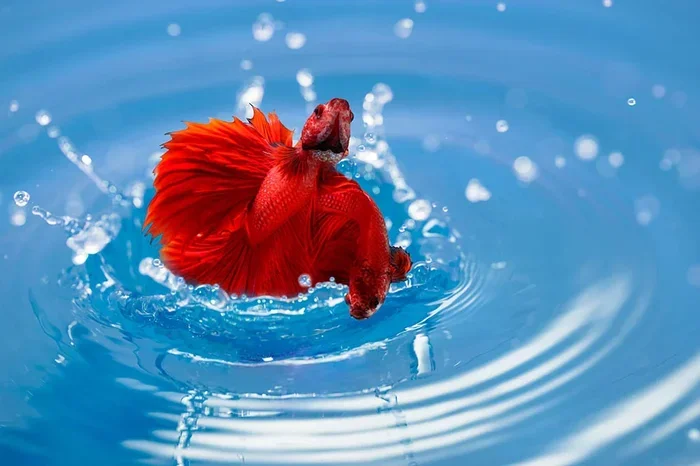
Do Betta Fish Like Strong Currents Check Facts Now

Betta fish do not like strong currents because their long fins and natural habitat preferences make heavy water flow stressful and exhausting. Gentle water movement supports better health, natural behavior, and overall comfort in your home aquarium. Understanding betta fish water flow needs helps you build a tank that feels safe and thrives with life. You will learn simple ways to adjust filtration, test current strength, and keep your fish happy.
This is a comprehensive guide about do betta fish like strong currents.
Key Takeaways
- Bettas prefer calm water: Strong currents exhaust their long fins and increase stress levels quickly.
- Gentle flow mimics nature: Slow-moving rice paddies and shallow streams match their natural environment best.
- Adjustable filtration works well: Sponge filters, spray bars, and flow diffusers create safe water movement.
- Watch for stress signs: Struggling to swim, hiding constantly, or clamped fins signal too much current.
- Test flow with simple tricks: A floating piece of food or a lightweight leaf shows how fast water moves.
- Balance matters most: Some movement prevents stale water, but heavy flow harms comfort and health.
- Tank layout helps control current: Plants, rocks, and driftwood break water flow and create calm resting zones.
[FEATURED_IMAGE_PLACEHOLDER]
Do Betta Fish Like Strong Currents? Understanding Their Natural Preferences
Many new fish keepers wonder about betta fish water flow needs when setting up a tank. The short answer is no. These beautiful fish thrive in calm or very gentle water. Strong currents create stress and make swimming difficult. Their long fins act like anchors in fast water. This extra drag tires them out quickly.
Bettas come from shallow, slow-moving waters in Southeast Asia. They live in rice fields, small streams, and quiet ponds. These places rarely have powerful flow. Instead, they offer warm, still water with plenty of cover. Your aquarium should reflect that same peaceful setup. A calm environment supports healthy fins, steady breathing, and relaxed behavior.
Some movement is still helpful. Very still water can become stale and low in oxygen. A light flow keeps the surface moving and helps filtration work better. The goal is balance. You want enough movement to keep the water fresh, but not so much that your fish struggles to swim.
Why Strong Currents Stress Bettas
Bettas have a unique body shape. Their heavy fins and compact bodies are built for short bursts of movement, not constant swimming. Fast water forces them to fight the current all day. This causes fatigue and raises stress hormones. Over time, stressed fish may lose color, hide more often, or eat less.
Strong flow also pushes fish around the tank. Bettas like to choose their own resting spots. They often perch on leaves, hover near the surface, or settle on soft substrate. Heavy current disrupts these habits. It can even blow them into glass walls or decorations. That kind of constant bumping creates fear and discomfort.
What Gentle Water Flow Looks Like
A good current feels almost still to a betta. You should see only slight ripples on the surface. Plants sway gently, not wildly. Your fish should move around with ease and stop wherever it wants. If a small piece of food drifts slowly across the tank, that is a healthy flow level.
Gentle movement also helps waste travel toward the filter without pushing fish around. This creates a cleaner environment with less effort. A calm tank feels safe. Safe fish show brighter colors, better appetite, and more natural behavior.
How Betta Fish Behavior Changes With Water Flow
Behavior tells you a lot about tank conditions. Bettas respond quickly to uncomfortable flow. They may swim oddly, tilt sideways, or stay near the bottom. Some fish try to hide behind equipment or plants to escape the current. These are clear signs that the water moves too fast.
A comfortable betta explores more. It flares less out of stress and rests more calmly. You may see it float near the top, lounge on a leaf, or drift slowly through open space. These relaxed habits show that the betta fish water flow needs are being met. Happy fish also interact more with their surroundings and feel bolder during feeding time.
Signs Your Tank Current Is Too Strong
Watch for these common warning signs:
- Struggling to swim forward without being pushed back
- Constantly hiding behind filters, rocks, or plants
- Clamped fins that stay tight against the body
- Frequent darting or panicked movements
- Refusing food or eating very little
- Resting on the bottom more than usual
If you notice several of these signs, reduce the flow right away. Your fish will usually calm down within a day or two after the current improves.
Signs Your Tank Current Is Just Right
A well-balanced tank looks peaceful. The surface has small ripples, but no waves. Your betta moves without fighting the water. It can hover, turn, and rest easily. Plants move slightly, and debris drifts slowly toward the filter. This setup supports good health without causing stress.
Best Filtration Options for Calm Betta Tanks
Choosing the right filter makes a huge difference. Many standard filters push water too hard for bettas. You do not need a powerful machine to keep a small tank clean. You need a filter that moves water gently and steadily.
Sponge filters are a popular choice. They create mild airflow and gentle water circulation. They also provide a safe surface for beneficial bacteria. Hang-on-back filters can work well too, especially when you adjust the flow rate or add a baffle. Canister filters may be too strong for small tanks, but they can be tuned down in larger setups.
Top Filter Choices for Low Flow
- Sponge filters: Soft flow, excellent biological filtration, and very betta-friendly
- Adjustable hang-on-back filters: Easy to modify with flow control or a baffle
- Spray bar setups: Spread water evenly across the tank for mild movement
- Air-driven filters: Create calm circulation without strong water jets
How to Lower Filter Flow Safely
You can reduce current without losing filtration quality. Start by adjusting the flow control knob if your filter has one. If that is not enough, add a baffle. A simple baffle can be made from a small piece of sponge, plastic, or flexible tubing. It breaks the direct stream and spreads the water more evenly.
Another helpful option is a spray bar. This device spreads filtered water across a wider area. The result is softer movement and fewer direct jets. You can also angle the output toward the tank glass or a decoration. This redirects the flow and reduces its force.
How to Test Current Strength in Your Aquarium
You do not need fancy tools to check water movement. Simple observations work very well. Drop a tiny piece of food or a lightweight leaf into the tank. Watch how it travels. If it shoots across quickly, the current is too strong. If it drifts slowly or barely moves, the flow is likely gentle enough.
You can also observe your fish during quiet moments. A betta should be able to hold its position without constant swimming. If it keeps getting pushed backward or spins to stay in place, the water moves too fast. These small tests help you fine-tune the tank before stress builds up.
Simple Flow Test Ideas
- Food drift test: Drop a small crumb and watch its path
- Leaf or paper test: Use a tiny lightweight piece to see movement
- Fish position test: Check whether your betta can hover without effort
- Plant movement check: Notice whether leaves sway gently or whip around
Tank Setup Tips to Reduce Strong Currents
Your tank layout can soften water flow naturally. Plants are one of the best tools. Live or silk plants break current and create quiet zones. Rocks and driftwood also help by redirecting water around them. A well-placed decoration can turn one strong stream into several mild flows.
Arrange the tank with calm resting areas in mind. Leave open swimming space, but add sheltered corners too. Bettas enjoy easy access to the surface and soft places to rest. A balanced layout gives them choices. That freedom improves comfort and reduces stress.
Best Decorations to Break Up Water Flow
- Live plants: Soft leaves slow water and create natural cover
- Silk plants: Smooth surfaces prevent fin damage while reducing flow
- Driftwood: Natural shapes redirect current effectively
- Smooth rocks: Stable obstacles help calm the movement
- Leaf hammocks: Give bettas a quiet place to rest near the surface
Placement Mistakes to Avoid
Do not point the filter output directly at a narrow open area. That creates a water tunnel with fast flow. Avoid stacking decorations in a way that funnels water into one spot. Also, make sure plants are not so dense that they block all movement. You still want mild circulation for water quality.
Common Mistakes When Managing Betta Water Flow
Many keepers assume stronger filtration always means cleaner water. That is not true for bettas. Too much flow can cause stress even when the water tests clean. Another common mistake is using a filter sized for a much larger tank. A powerful filter in a small aquarium often creates uncomfortable current.
Some people also forget to check flow after changing decorations. Moving plants or rocks can suddenly channel water in a new direction. A tank that once felt calm may become rough after a quick rearrangement. Regular observation helps you catch these changes early.
Quick Mistakes Checklist
- Using a filter that is too powerful for the tank size
- Pointing outflow directly into open swimming space
- Ignoring stress signs like hiding or clamped fins
- Rearranging decor without checking the new flow pattern
- Assuming still water is always best and skipping all movement
Expert Insights on Betta Fish Water Flow Needs
Experienced keepers usually recommend mild flow for bettas. The best setup supports both comfort and water quality. A lightly moving surface helps gas exchange and keeps the tank fresher. At the same time, the current should never force the fish to swim constantly. Comfort comes first because stress affects immunity, appetite, and fin health.
It also helps to think about the whole tank, not just the filter. Temperature, water quality, and shelter all affect how a betta experiences flow. Warm, clean water with gentle movement and good hiding places creates the most natural feel. When you focus on the fish’s comfort, everything else tends to improve too.
Practical Expert Tips
- Start low and adjust slowly: Begin with gentle flow, then increase only if needed
- Watch the fins: Long-finned bettas usually need even calmer water
- Keep the surface slightly moving: Mild ripples support oxygen exchange
- Create quiet zones: Give your fish places to escape the current
- Recheck after maintenance: Filter cleaning or decor changes can alter flow
Do Betta Fish Like Strong Currents? Final Thoughts for Happy Fish
So, do betta fish like strong currents? They really do not. Their bodies, fins, and natural habits all point toward calm water. A heavy flow makes swimming harder and turns the tank into a stressful place. Gentle movement, on the other hand, keeps the water fresh while letting your betta rest, explore, and feel secure.
The best approach is simple. Choose a filter that matches your tank size. Reduce direct streams with baffles, spray bars, or plant cover. Watch your fish closely and adjust when you see stress signs. With a little care, you can create a peaceful setup that supports bright colors, healthy fins, and relaxed behavior. A calm tank is a happy tank, and a happy betta is much more fun to watch every day.
FAQ
Do betta fish like strong currents in their tank?
No, betta fish usually dislike strong currents because their long fins make swimming difficult and tiring. Gentle water movement is much more comfortable and supports lower stress levels.
What kind of water flow do betta fish prefer?
Bettas prefer slow, gentle flow that creates small surface ripples without pushing them around. They do best in calm water with quiet places to rest and easy room to swim.
Can a strong filter hurt a betta fish?
Yes, a powerful filter can create too much current and stress a betta fish. If the flow is too strong, the fish may hide, struggle to swim, or show clamped fins.
How do I know if the current is too strong for my betta?
You may notice your betta fighting the water, hiding often, or resting more than usual. A simple food drift test can also show whether the water moves too fast.
Do betta fish need any water movement at all?
Yes, some mild movement is helpful because it keeps the water fresher and supports oxygen exchange at the surface. The key is gentle flow, not strong or forceful current.
What is the best way to reduce current in a betta tank?
You can lower flow by adjusting the filter, adding a baffle, using a spray bar, or placing plants and decorations to break the water movement. Sponge filters are also a great low-flow option for many betta tanks.
Frequently Asked Questions
What is do betta fish like strong currents?
do betta fish like strong currents is an important topic with many practical applications.