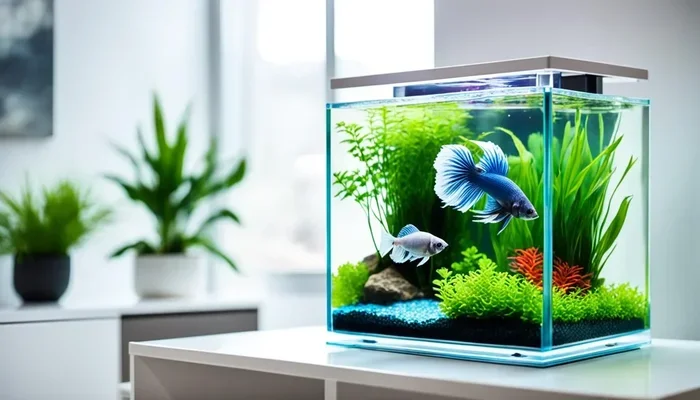
Do Betta Fish Like Still Water for Healthy Tanks

Do betta fish like still water? The short answer is no, they prefer gentle movement over completely stagnant conditions. While they do not need strong currents, they benefit from mild circulation that supports oxygen exchange and keeps waste from building up. Understanding this balance helps you create a tank that mimics their natural habitat while preventing stress and illness.
Many new fish keepers wonder about the perfect tank setup for their colorful pet. One common question is whether a calm, quiet tank is best. Do betta fish like still water? This guide explains what these fish really need, why gentle movement matters, and how to create a comfortable home without overwhelming them.
Bettas are famous for their beauty and personality. They also have unique breathing habits and flow preferences. If you set up a tank with zero movement, you may notice problems over time. On the other hand, a tank with strong currents can stress your fish. The goal is balance. Let us walk through the details so you can make smart choices for your aquarium.
Key Takeaways
- Gentle flow beats still water: Bettas thrive with mild water movement rather than completely stagnant conditions.
- Oxygen matters most: Still water limits surface gas exchange, which can reduce dissolved oxygen over time.
- Avoid strong currents: Powerful filters or air pumps can stress your betta and tire them out quickly.
- Adjust flow with baffle tricks: Simple modifications like spray bars or sponge filters soften water movement.
- Watch for stress signs: Clamped fins, hiding, and struggling to swim often point to flow issues.
- Match the tank to the fish: Proper tank size and gentle filtration support natural behavior and long-term health.
- Test and tweak regularly: Small changes in flow, temperature, and water quality make a big difference for bettas.
📑 Table of Contents
- Do Betta Fish Like Still Water or Gentle Flow?
- How Bettas Breathe and Why Flow Matters
- Signs Your Betta Is Unhappy With Water Movement
- Best Filtration and Flow Setup for Betta Tanks
- Tank Size, Decor, and Creating Comfortable Zones
- Common Mistakes When Managing Water Movement
- Key Takeaways for Healthy Water Conditions
Do Betta Fish Like Still Water or Gentle Flow?
Bettas originate from shallow, slow-moving waters in Southeast Asia. These habitats often include rice paddies, marshes, and quiet streams. The water there is not completely motionless. It moves gently after rain, shifts with wind, and circulates around plants and debris. So, when people ask, do betta fish like still water, the answer is more nuanced. They tolerate calm conditions, but they do best with mild flow.
Completely still water can create a few issues. Waste may settle in one spot. Surface film can build up. Oxygen exchange may slow down. These factors can affect water quality and your fish comfort. A small amount of movement helps keep the tank healthier without disturbing your betta.
Why Calm Water Alone Is Not Always Ideal
Still water may look peaceful, but it can limit natural processes. Gas exchange at the surface works best when there is some disruption. Without it, dissolved oxygen levels can drop, especially in warmer tanks. Bettas are labyrinth fish, which means they can breathe air from the surface. Even so, they still benefit from well-oxygenated water.
Stagnant conditions can also encourage debris to linger. Uneaten food, plant matter, and waste may remain in one area instead of drifting toward the filter. Over time, this can affect clarity and water chemistry. Gentle flow helps distribute heat, nutrients, and oxygen more evenly.
The Balance Between Stagnant and Strong Currents
The sweet spot is mild movement. Your betta should be able to swim comfortably without fighting the current. If the flow pushes them around, it is too strong. If the water feels heavy and motionless, it may be too still. You can often tell by watching your fish. A relaxed betta explores, flares occasionally, and rests without struggling. A stressed betta may cling to one side, hide often, or seem exhausted.
Finding this balance is easier than it sounds. Many standard aquarium filters can be adjusted. You can also use simple tools to soften the output. The key is observation and small adjustments.
How Bettas Breathe and Why Flow Matters
Bettas have a special organ called the labyrinth. This allows them to gulp air from the surface. Because of this trait, they can survive in low-oxygen environments better than many other fish. That ability sometimes creates confusion. People assume that because bettas can breathe air, they do not need good water movement. In reality, surface breathing is a backup, not a replacement for healthy tank conditions.
Gentle flow supports the whole tank ecosystem. It helps break up surface tension slightly, encourages gas exchange, and moves water through the filter. This creates a more stable environment. If you want to understand how bettas interact with air and water, you may also find it helpful to read about whether bettas need to breathe air and how that fits into everyday care.
Labyrinth Organ Basics
The labyrinth organ lets bettas take oxygen from the air. This is useful in warm, shallow waters where oxygen levels can change. It does not mean they prefer poor water quality. It simply means they are resilient in specific conditions. Good care still depends on clean water, proper temperature, and reasonable circulation.
Oxygen Exchange and Water Movement
Water movement at the surface improves oxygen intake and carbon dioxide release. Even a small ripple can help. In a tank with no movement, the surface can become calm and film-like. That setup may reduce exchange efficiency. A gentle current keeps the surface slightly active, which supports the fish and beneficial bacteria.
Signs Your Betta Is Unhappy With Water Movement
Bettas communicate stress in subtle ways. If the flow is wrong, their behavior often changes. Watching your fish closely is one of the best tools you have. Look for patterns rather than one odd moment. A single rest period is normal. Repeated stress signals are worth attention.
Here are common signs that water movement may need adjustment:
- Struggling to swim: Your betta gets pushed backward or cannot hold position easily.
- Hiding often: The fish stays near decorations, plants, or the bottom more than usual.
- Clamped fins: Fins stay close to the body instead of spreading naturally.
- Constant surface gasping: Your betta spends too much time gulping air in a way that looks uneasy.
- Lethargy: Reduced activity and little interest in food or exploration.
Behavior Clues to Watch For
Behavior changes can point to flow problems, but they can also signal other issues. Temperature swings, poor water quality, and illness can cause similar signs. That is why it helps to check the whole picture. If the tank is warm, clean, and well-fed, yet your betta still seems stressed, the current may be the culprit.
When Still Water May Be Causing Problems
If your tank has no circulation at all, you may see debris collecting in corners. You may also notice a thin film on the surface. These clues suggest the water is too calm. Adding mild movement can improve the environment without disturbing your betta. If you are curious about how still water affects betta comfort more broadly, you can explore more about betta fish and still water preferences in everyday tank setups.
Best Filtration and Flow Setup for Betta Tanks
A good filter keeps water clean and provides mild movement. The challenge is choosing one that does not create a torrent. Many hang-on-back filters, sponge filters, and adjustable internal filters can work well when tuned correctly. The best setup depends on your tank size, layout, and comfort level.
Here is a simple comparison of common options:
| Filter Type | Flow Character | Best For |
|---|---|---|
| Sponge Filter | Very gentle, bubbly movement | Small tanks, low current needs |
| Hang-On-Back Filter | Moderate, adjustable output | Medium tanks, easy maintenance |
| Internal Filter | Directable, often stronger | Tanks that need space-saving filtration |
| Canister Filter | Strong, customizable flow | Larger setups with careful tuning |
Choosing a Filter That Is Not Too Strong
Start with a filter rated for your tank size, then reduce the flow if possible. If the output feels forceful, you can point it toward the glass or a hard decoration. This breaks the stream and spreads the movement. Sponge filters are especially popular for bettas because they create gentle circulation and support beneficial bacteria.
Adjusting Flow With Baffles and Spray Bars
If your filter is too strong, simple modifications can help. A baffle can slow the water before it enters the tank. A spray bar spreads output across a wider area, which softens the current. Even a small piece of aquarium-safe material can reduce turbulence. The goal is to create a smooth, mild flow that your betta can ignore most of the time.
You may also want to think about overall circulation needs. Some keepers ask whether bettas benefit from extra air movement or pumps. If that question comes up, it can help to review guidance on betta fish and air pump circulation to see what kind of movement is actually useful.
Tank Size, Decor, and Creating Comfortable Zones
Tank size matters more than many beginners expect. A tiny bowl may look cute, but it often gives you less control over temperature, flow, and water quality. A larger tank gives you more stable conditions and more room to create calm zones. If you are deciding on a tank, you may want to compare options like a 10 gallon tank for betta fish to see whether a bigger setup suits your goals.
Decor also plays a role. Plants, rocks, and driftwood can break up flow and give your betta places to rest. Bettas appreciate quiet corners where they can retreat. At the same time, they need open swimming areas. A balanced layout helps them choose their comfort level throughout the day.
Using Plants and Hardscape to Soften Current
Live or artificial plants can slow water movement naturally. Broad leaves and dense growth create sheltered areas. Hardscape like driftwood and stones also disrupts current lines. Arrange these items thoughtfully so the tank still has gentle circulation without sharp turbulence.
Providing Resting Spots and Open Swim Areas
Bettas often rest on leaves, broad plant leaves, or near the bottom. They also like to patrol their space. Offer both calm resting spots and clear swimming paths. This variety supports natural behavior and reduces frustration. If your tank feels too empty, your betta may have fewer options to escape strong flow. If it feels too crowded, swimming becomes difficult. Balance is key.
Common Mistakes When Managing Water Movement
A few errors come up again and again in betta care. Avoiding them can save your fish from unnecessary stress. Most of these mistakes are easy to fix once you know what to look for.
- Using a filter that is too powerful for the tank. Strong output can make swimming tiring.
- Leaving the tank completely still with no surface activity. This can reduce exchange and allow debris to settle.
- Ignoring temperature stability. Flow and warmth work together, and unstable temps can stress fish.
- Overcrowding the tank with decor. Too many obstacles can create chaotic currents and limited swimming space.
- Skipping regular water changes. Even gentle flow cannot replace routine cleaning and maintenance.
Quick Tips for Better Flow Control
Small changes often make a big difference. Try these practical steps:
- Point filter output toward the glass or a hard surface to soften the stream.
- Use a sponge pre-filter on intake or output tubes if the current feels strong.
- Add a few plants or decorations to break up direct flow paths.
- Watch your betta for a few days after each adjustment before making more changes.
- Keep the surface slightly active, but not rippled into a constant chop.
Expert Insights on Betta Comfort
Experienced keepers usually agree on one thing: bettas do best when they can choose their level of activity. A tank with mild circulation gives them that choice. They can swim, rest, explore, and breathe comfortably. The best setup is one that supports clean water, stable temperature, and calm movement. If you ever wonder whether your betta needs special water conditions beyond flow, you can also check guidance on whether bettas need special water to round out your care routine.
It also helps to remember that each fish is a little different. Some bettas tolerate more movement than others. Age, health, and personality all matter. That is why observation matters so much. Your fish will tell you what works if you pay attention.
Key Takeaways for Healthy Water Conditions
Creating the right environment is not about choosing between total stillness and strong current. It is about finding a gentle middle ground. A well-set-up tank gives your betta clean water, mild movement, and comfortable places to rest. That combination supports health, reduces stress, and encourages natural behavior.
If you are building or adjusting a tank, focus on these priorities:
- Mild circulation: Enough movement to support oxygen exchange and cleanliness without pushing your fish around.
- Stable temperature: Warm, consistent water helps bettas stay active and comfortable.
- Good filtration: A filter that cleans effectively while allowing flow control.
- Smart decor layout: Plants and hardscape that soften current and provide resting spots.
- Regular maintenance: Water changes, gravel care, and filter cleaning keep the tank balanced.
When these pieces come together, your betta can thrive. You do not need a complicated setup. You need a thoughtful one.
Final Thoughts on Do Betta Fish Like Still Water
So, do betta fish like still water? They may survive in very calm conditions, but they usually do better with gentle flow. Mild movement supports oxygen exchange, helps keep waste moving, and creates a more stable habitat. Strong currents are not necessary, and they can be harmful. The best approach is a calm but active tank that lets your betta swim, rest, and breathe comfortably.
If you notice stress, adjust slowly. Change one thing at a time and watch the response. With a little patience, you can build a tank that feels natural to your betta and easy for you to maintain.
Frequently Asked Questions
Do betta fish prefer still water or moving water?
Bettas generally prefer gentle movement over completely still water. Mild flow helps with oxygen exchange and keeps the tank cleaner, while strong currents can stress them.
Can betta fish survive in stagnant water?
They can survive for a while because they can breathe air from the surface, but stagnant water is not ideal. Poor circulation can reduce water quality and make the tank less healthy over time.
How strong should the filter current be for a betta?
The current should be mild enough that your betta can swim without struggling. If the fish is pushed around or hides constantly, the flow is likely too strong and should be reduced.
Do betta fish need an air pump in their tank?
They do not always need an air pump if the filter provides enough surface movement. The main goal is gentle circulation and good gas exchange, not constant bubbling.
What are signs that the water flow is too strong?
Common signs include difficulty swimming, frequent hiding, clamped fins, and appearing tired after moving around the tank. Your betta may also stay in one corner to avoid the current.
How can I make the water movement gentler for my betta?
You can point the filter output toward the glass, add a baffle, use a spray bar, or switch to a sponge filter. Plants and decorations can also break up strong currents and create calmer zones.