Do Betta Fish Like Tank Decorations Best Safe Setup Guide

Yes, betta fish like tank decorations when they are safe, smooth, and properly placed. The right betta fish tank decorations give your fish hiding spots, reduce stress, and make the aquarium look beautiful. Always avoid sharp edges, tight spaces, and toxic materials that can hurt your betta. This guide shows you exactly what to pick and what to skip for a happy, healthy fish.
Many new fish owners ask the same question: do betta fish like tank decorations? The short answer is yes. Bettas enjoy a tank that feels natural and secure. The right setup gives them places to rest, hide, and explore. It also makes your aquarium look warm and inviting. But not every item sold for fish tanks is safe for bettas. Some pieces have sharp edges. Others leave too little swimming room. A few can even trap your fish or leak harmful chemicals.
This guide walks you through everything you need to know. You will learn which betta fish tank decorations work well. You will also learn what to avoid and how to arrange your tank for comfort. We will keep things simple and practical. By the end, you will know how to build a safe, beautiful home that your betta will truly enjoy.
Key Takeaways
- Safety first: Choose smooth, non-toxic betta fish tank decorations that will not tear fins or trap your fish.
- Hiding spots matter: Plants, caves, and driftwood give your betta a sense of security and lower stress.
- Avoid sharp objects: Rough plastic, jagged rocks, and tight tunnels can injure your fish or cause anxiety.
- Keep swimming room: Too many aquarium ornaments crowd the tank and limit exercise space.
- Clean before adding: Always rinse and soak new items to remove dust, chemicals, or harmful residue.
- Watch your betta: If your fish hides constantly or rubs against items, adjust the setup right away.
- Simple works best: A few well-placed, betta-safe pieces create a better environment than a cluttered tank.
📑 Table of Contents
- Do Betta Fish Like Tank Decorations and Why They Matter
- Choosing Safe Betta Fish Tank Decorations
- Best Decorations for Betta Fish Tanks
- Decorations to Avoid in a Betta Tank
- Comparison: Safe vs Risky Betta Tank Decorations
- How to Arrange Decorations for a Happy Betta
- Cleaning and Maintaining Decorated Tanks
- Signs Your Betta Likes or Dislikes the Setup
- Key Takeaways
- Conclusion
Do Betta Fish Like Tank Decorations and Why They Matter
Bettas are smart, active fish with strong instincts. In the wild, they live among plants, roots, and calm shallow water. They use cover to rest, hide from threats, and watch their surroundings. When you add safe betta fish tank decorations, you recreate some of that natural feeling. This helps your fish feel secure instead of exposed.
Decorations also give your tank personality. A bare glass box can feel cold and empty. A thoughtfully decorated tank feels alive. Your betta will have places to nap near the bottom or tuck into a cave. You will also see more natural behavior, like gentle exploring and relaxed swimming. That is a good sign that your fish feels comfortable.
The Natural Instinct to Seek Cover
Bettas often look for a quiet spot when they want to rest. They may settle near a leaf, a root, or a small cave. This is normal. It does not mean your fish is sick or scared. It simply means your betta is using the environment the way nature intended. Providing a few safe hiding places supports this behavior.
Stress Reduction and Comfort
A stressed betta may clamp its fins, hide all day, or dart around the tank. Poor setup can cause this. A tank with no cover can make a betta feel exposed. On the other hand, a tank with too many sharp or crowded items can also cause stress. The goal is balance. Give your fish enough cover to feel safe, but keep the layout open enough for easy movement.
Quick Tip: If your betta spends most of the day pressed against the glass or hiding nonstop, review your setup. Sometimes removing one item or smoothing a rough spot makes a big difference.
Choosing Safe Betta Fish Tank Decorations
Safety should always come before style. The best betta fish tank decorations are smooth, sturdy, and fish-friendly. Bettas have flowing fins and gentle bodies. They can easily get scratched by rough surfaces. They can also get stuck in narrow gaps. So the first rule is simple: if it looks sharp or tight, do not use it.
Smooth Surfaces and Rounded Edges
Run your fingers over any item before placing it in the tank. If it feels rough, skip it. Smooth ceramic, polished stone, and soft live plants are usually better choices than jagged plastic. Even items that look fine in the store can have tiny burrs or sharp seams. A quick touch test helps you catch problems early.
Non-Toxic Materials
Some decorations are made with paints, glues, or plastics that may not hold up underwater. Over time, these can break down or leach unwanted substances into the water. Choose items made for aquariums whenever possible. If you are unsure, soak the piece in a separate container for a day and watch for color loss, strange smell, or residue.
Avoiding Tight Gaps and Traps
Bettas are curious, but they are not built to squeeze through tiny openings. A decoration with a small tunnel or narrow crack can trap a fish. This can cause panic, injury, or exhaustion. If a cave has an opening that feels snug, it may be too small. Your betta should be able to swim in and out without rubbing or wedging.
Live Plants as Natural Decor
Live plants are some of the best betta fish tank decorations you can use. They soften the look of the tank and create gentle cover. They also help the water stay cleaner by absorbing waste and adding oxygen. Soft-leafed plants are ideal because they will not tear fins. Avoid very sharp or stiff plants unless you trim them carefully.
Common Mistake: Buying plastic plants with stiff, serrated leaves. These can slice fins and leave your betta sore. If you want plastic plants, choose soft, smooth varieties and test them with your hand first.
Best Decorations for Betta Fish Tanks
So, what are the best betta fish tank decorations to start with? A good setup usually includes a mix of cover, resting spots, and open swimming space. Here are some reliable choices that work well for most bettas.
Soft Plants and Planted Areas
Live or soft artificial plants create a calm, natural look. They give your betta gentle places to brush past or rest near. You can cluster a few plants in one corner to form a quiet zone. Leave the other side more open so your fish can swim freely. This balance keeps the tank interesting without feeling crowded.
Caves, Pots, and Small Shelters
A simple cave or ceramic pot can become your betta favorite resting place. Many bettas enjoy settling inside a shelter during the day or at night. Look for wide openings and smooth interiors. A good cave should feel like a cozy room, not a tight tunnel. If the opening is too small, your fish may scrape its fins trying to enter.
Driftwood and Smooth Rocks
Driftwood adds a natural shape and creates little nooks for your betta to explore. Smooth rocks can anchor plants and break up the line of sight in the tank. Together, they make the aquarium feel more like a small habitat. Just make sure the wood is aquarium-safe and the rocks are not sharp. Rinse everything well before adding it.
Bare Bottom and Minimalist Options
Some owners prefer a very clean, simple tank. A minimalist setup can still work well if you add a few safe items for cover. Even one smooth cave and a small cluster of plants can be enough. The key is to avoid empty, echoing spaces that make your betta feel exposed. A little decoration goes a long way.
Expert Insight: Think of your tank like a small room. Your betta needs a place to relax, a place to swim, and a place to observe. Too much clutter blocks movement. Too little cover leaves your fish feeling naked in the tank. Aim for a balanced layout that serves both beauty and comfort.
Decorations to Avoid in a Betta Tank
Not every pretty item is a good choice. Some aquarium ornaments look charming in the store but cause problems at home. Knowing what to skip will save you trouble and keep your betta safer.
Sharp Ornaments and Jagged Rocks
Sharp edges are a major risk. A jagged rock or rough plastic branch can cut fins and body tissue. Even if your betta does not touch it right away, one sudden turn can lead to a scrape. Fin damage can lead to stress and infection if it is not caught early. Always choose smooth items over sharp ones.
Tight Tunnels and Small Holes
Decorations with narrow passages can trap a betta. Once stuck, the fish may panic and struggle. That can make the injury worse. If a piece has a tunnel, check that your betta can pass through comfortably. If you are unsure, do not risk it.
Heavy or Unstable Items
Large rocks or tall ornaments can shift if not placed carefully. A falling item can crack the glass or injure your fish. Make sure heavy pieces sit flat and stable. If an item feels top-heavy, secure it well or choose something lighter. Safety matters more than height.
Decorations That Leach Chemicals
Some items are not made for long-term water contact. They may fade, peel, or release unwanted substances. If a decoration changes the water smell or color, remove it right away. It is better to lose one piece than to risk your fish health.
Comparison: Safe vs Risky Betta Tank Decorations
| Feature | Safe Choice | Risky Choice |
|---|---|---|
| Surface texture | Smooth, polished, soft | Rough, jagged, sharp |
| Opening size | Wide enough for easy entry | Tight tunnels or narrow gaps |
| Material | Aquarium-safe ceramic, wood, stone, live plants | Unknown plastics, peeling paint, toxic glue |
| Tank layout | Balanced cover with open swim space | Crowded, cluttered, or bare and empty |
| Stability | Secure, flat, and steady | Top-heavy, loose, or easy to tip |
How to Arrange Decorations for a Happy Betta
Good placement matters just as much as the items you choose. A well-arranged tank feels natural and easy to use. Your betta should be able to move from one zone to another without bumping into everything.
Create Zones: Hiding, Swimming, and Resting
Think of your tank in three parts. One area can hold cover, like plants or a cave. One area should stay open for swimming. One area can serve as a resting spot near the bottom or along a smooth leaf. This simple layout gives your betta options. Fish feel better when they can choose where to be.
Leave Open Swimming Space
Bettas need room to move, even if they also enjoy cover. If the tank is packed with betta fish tank decorations, your fish may feel boxed in. Keep a clear path from one side to the other. This helps your betta exercise and reduces frustration. A spacious feel is important, even in a smaller tank.
Use Vertical Space Wisely
Plants and wood can add height without cluttering the whole tank. Tall items placed near the back or side create a nice backdrop. They also give your betta different levels to explore. Just do not block the surface too much. Bettas visit the top often because they breathe air from above the water.
Watch Your Betta Behavior After Rearranging
After you change the layout, observe your fish for a day or two. Some bettas explore right away. Others may hide briefly while they adjust. That is normal. If your betta seems stressed for too long, simplify the setup. Small changes can make a big difference.
Quick Tip: Move one decoration at a time instead of redoing the whole tank. This makes it easier to see what your betta likes and what causes stress.
Cleaning and Maintaining Decorated Tanks
A decorated tank still needs regular care. In fact, decorations can trap waste if you are not careful. Leaves, uneaten food, and debris can collect around plants and rocks. Cleaning helps keep the water healthy and your betta comfortable.
Rinse New Items Before Use
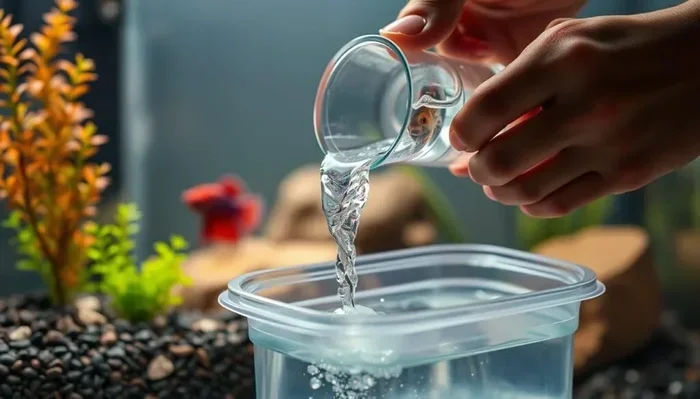
Always rinse new betta fish tank decorations before placing them in the aquarium. Warm water is usually enough. Do not use soap or harsh cleaners unless the product instructions clearly say it is safe for fish. Soap residue can harm your fish and disrupt the tank balance.
Regular Tank Maintenance
Vacuum the substrate gently during water changes. Brush debris away from plants and caves. If you use live plants, trim dead leaves so they do not rot in the tank. Keep an eye on the overall look and water clarity. A clean tank supports a healthier betta.
Watch for Wear and Damage
Check your decorations from time to time. Smooth items can become rough if they wear down. Paint can chip. Plastic can crack. If something starts to break apart, replace it. It is easier to swap one item than to treat a problem later.
Common Mistake: Ignoring small cracks or rough spots until a fish gets hurt. Inspect your tank regularly and fix problems early.
Signs Your Betta Likes or Dislikes the Setup
Your betta will tell you a lot through its behavior. Watching closely helps you fine-tune the tank. You do not need to guess. The fish itself will show what works.
Positive Signs
A comfortable betta often swims smoothly and explores calmly. It may rest near a plant or settle into a cave without panic. Fins look relaxed, not clamped. The fish may also come to the front of the tank and show curiosity. These are good signs that your betta fish tank decorations are helping.
Warning Signs
If your betta hides all day, clamps its fins, or rubs against objects, something may be wrong. Check for sharp edges, tight gaps, or a cluttered layout. Also watch for signs of injury, like torn fins or red spots. If you see problems, adjust the tank right away.
Adjusting Based on Behavior
If your betta seems nervous, remove one item and see what happens. If it looks bored, add a soft plant or a small shelter. Small changes are easier than big overhauls. Over time, you will learn what makes your fish feel best.
Key Takeaways
- Safe betta fish tank decorations are smooth, non-toxic, and easy to enter and exit.
- Cover helps your betta feel secure, while open space supports healthy movement.
- Avoid sharp edges, tight tunnels, unstable items, and materials that may leach chemicals.
- Live plants and soft ornaments often work better than rough plastic pieces.
- Clean new items before use and inspect them regularly for damage.
- Your betta behavior is the best guide. Adjust the setup if it hides too much or seems stressed.
Conclusion
So, do betta fish like tank decorations? They do, when the decorations are chosen with care. The best betta fish tank decorations give your fish comfort, cover, and a more natural home. They also make your aquarium look inviting and alive. The trick is to keep safety at the center of every choice. Smooth surfaces, wide openings, stable items, and balanced layout all matter.
A good tank does not need to be crowded. It just needs the right mix of shelter and swimming room. Start simple. Add one or two safe pieces. Watch how your betta reacts. Then adjust as needed. With a little attention, you can create a beautiful setup that supports your fish health and happiness every day.
Frequently Asked Questions
Do betta fish like tank decorations?
Yes, betta fish usually enjoy safe tank decorations because they provide cover, resting spots, and a more natural environment. The key is to choose smooth, non-toxic items that do not crowd the tank or create sharp hazards.
What are the safest betta fish tank decorations?
Smooth ceramic caves, aquarium-safe driftwood, polished rocks, and soft live plants are often safe choices. The best decorations have no sharp edges, no tight tunnels, and no flaking paint or glue that could harm your fish.
Can plastic decorations hurt a betta fish?
They can if the plastic is rough, sharp, or stiff enough to tear fins. Some plastic plants and ornaments are fine, but you should test them with your hand first. If the surface feels scratchy, it is better to choose something smoother.
How many decorations should I put in a betta tank?
Use enough to give your betta cover and interest, but not so many that the tank feels crowded. A few well-placed items usually work better than a cluttered setup. Always leave open swimming space as well.
Do betta fish need hiding spots in their tank?
They do not absolutely need them, but hiding spots can make them feel much more secure. A small cave, plant cluster, or shelter gives your betta a place to rest and observe without feeling exposed.
What decorations should I avoid for betta fish?
Avoid sharp rocks, jagged ornaments, tight tunnels, unstable heavy items, and anything that smells strange or leaches color into the water. If a decoration could trap, scratch, or stress your betta, it is best to leave it out.