Do Betta Fish Get Along with Other Fish
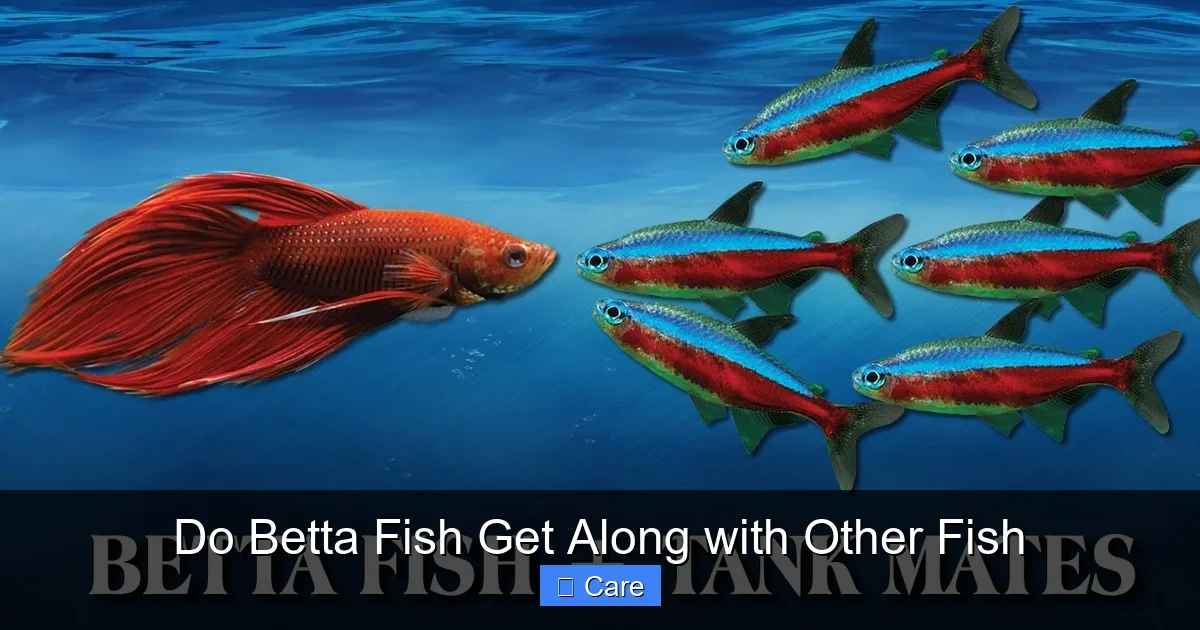
Betta fish can share a tank, but success hinges on tank size, temperament, and careful partner selection. By understanding species compatibility, providing plenty of hiding spots, and monitoring behavior, you can keep bettas thriving alongside other peaceful fish.
Key Takeaways
- Tank size matters: A minimum of 20 gallons gives bettas space to establish territories without constant stress.
- Choose calm, non‑aggressive tankmates: Small schooling fish, snails, and shrimp are usually safe companions.
- Male bettas are territorial: Only keep one male per community tank unless you use a divided aquarium.
- Provide plenty of cover: Plants, caves, and décor break lines of sight and reduce aggression.
- Monitor water parameters: Betta‑friendly temperatures (76‑82 °F) and stable pH keep everyone healthy.
- Introduce slowly: Acclimate new fish over 30 minutes and observe for the first 24 hours.
- Know the red flags: Fin nipping, constant gill flaring, or loss of color mean it’s time to separate.
📑 Table of Contents
Introduction: The Social Life of a Betta
When most people think of betta fish, they picture a solitary, flamboyant swimmer flashing its gorgeous fins at the glass. That image isn’t wrong—betas are naturally territorial, especially males. But the idea that they must live alone is a myth that keeps many hobbyists from creating vibrant community tanks.
In reality, a betta can coexist peacefully with other fish if you give it the right environment, choose compatible species, and keep a close eye on its behavior. This guide walks you through everything you need to know, from tank size to the best tankmates, so you can answer the question, “Do betta fish get along with other fish?” with confidence.
1. Understanding Betta Temperament
Why bettas are often called “Siamese fighting fish”
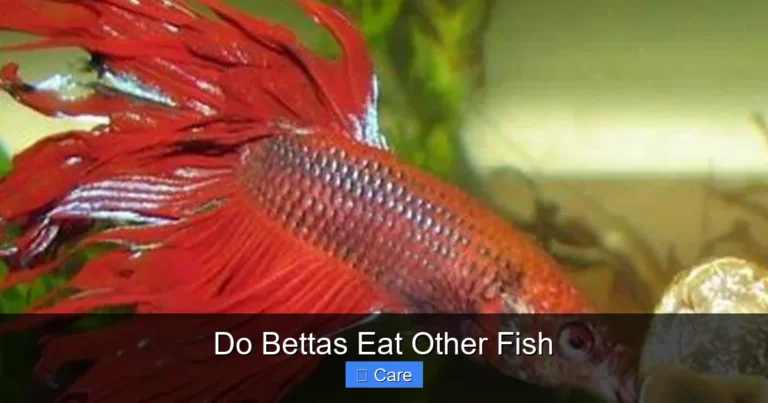
The name “Siamese fighting fish” comes from the aggressive nature of male bettas when they encounter rivals. In the wild, they guard a small stretch of shallow water, defending it from other males. This instinct shows up in the aquarium as flared gills, raised fins, and sometimes a quick dart toward a perceived intruder.
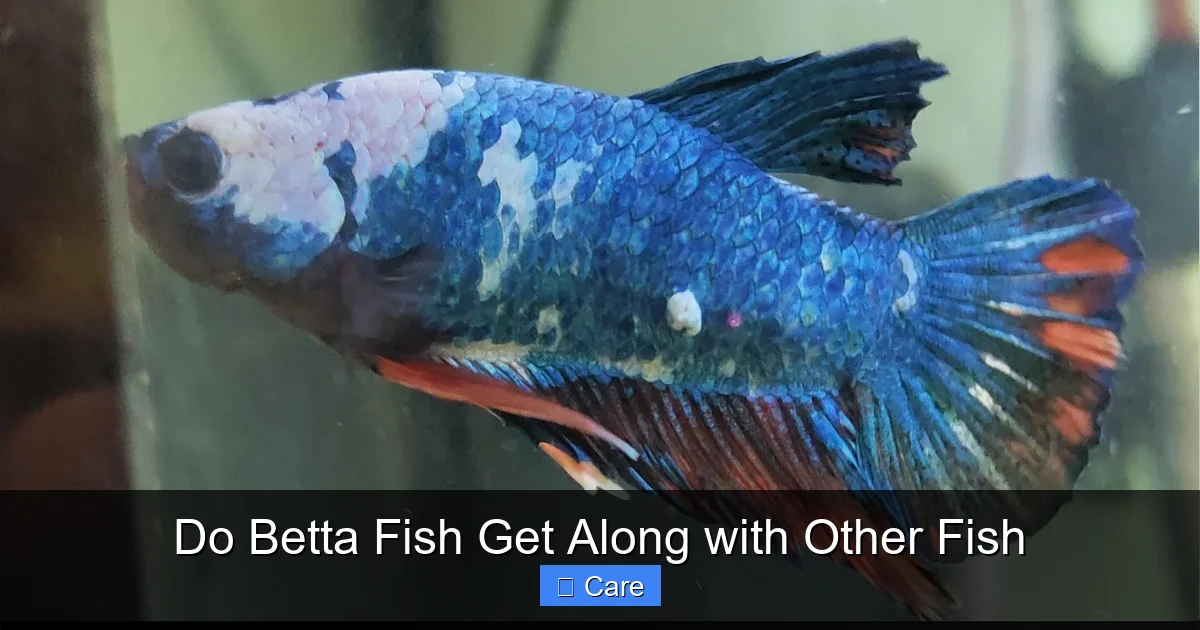
Visual guide about Do Betta Fish Get Along with Other Fish
Image source: buildyouraquarium.com
Differences between males and females
Male bettas are generally more aggressive and have longer, more elaborate fins, which make them easier targets for nipping. Females are less flamboyant and can sometimes be housed in groups called “sororities,” but they still need plenty of space to avoid stress.
When aggression becomes a problem
Signs that a betta is too stressed include constant flaring, loss of color, and the dreaded “fin rot” caused by another fish biting its fins. If you notice these signs, it’s time to reassess tankmates or provide more hiding places.
2. The Right Tank Setup
Size matters more than you think
Many beginners start a betta in a 2‑gallon bowl, but that leaves no room for companions. Aim for at least a 20‑gallon tank when planning a community setup. The extra space dilutes territories and reduces the chance of aggressive encounters.

Visual guide about Do Betta Fish Get Along with Other Fish
Image source: bettafishworld.com
Water parameters that keep everyone happy
- Temperature: 76‑82 °F (24‑28 °C) – bettas love warm water, and most tropical tankmates share this range.
- pH: 6.5‑7.5 – a slightly acidic to neutral environment is ideal.
- Hardness: 3‑4 dGH – soft to moderately hard water mimics their natural habitat.
Plants, décor, and hiding spots
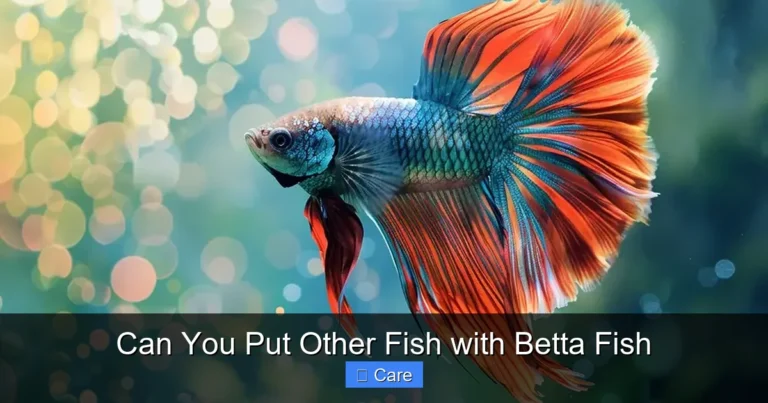
Live plants like Java fern or Anubias provide cover and help diffuse aggressive displays. Add caves, driftwood, and vertical plants to break sight lines. The more “rooms” you create, the more each fish can claim its own space.
3. Choosing Compatible Tankmates
Best community fish for bettas
Here are some safe choices that share the same water needs and are unlikely to provoke a betta:
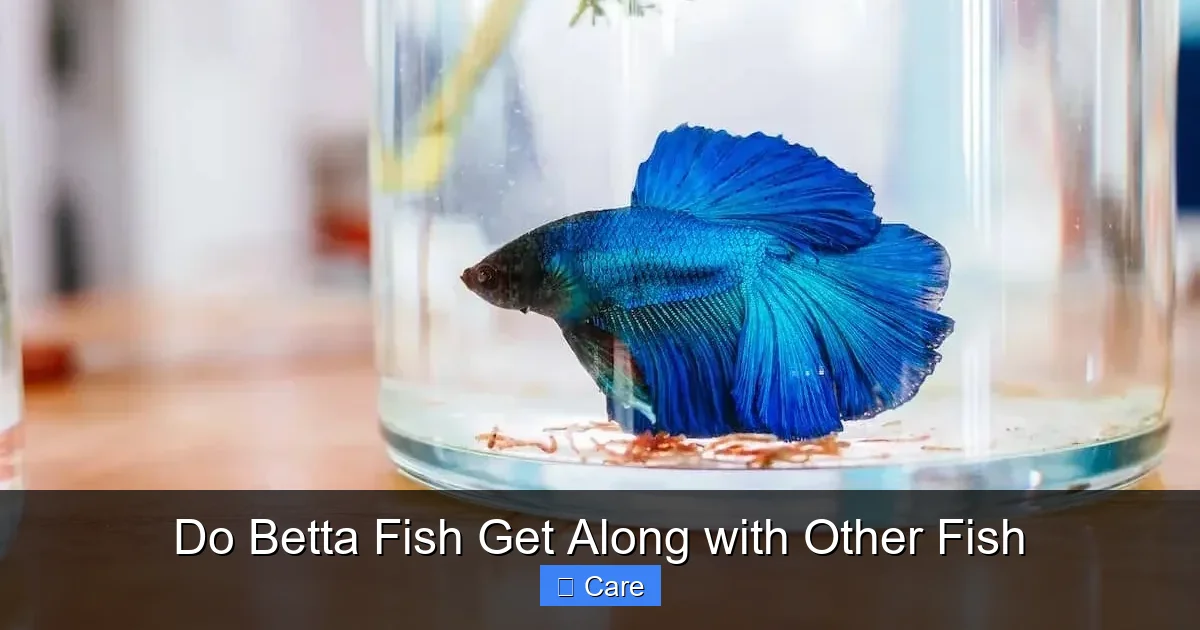
Visual guide about Do Betta Fish Get Along with Other Fish
Image source: fishlab.com
- Neon Tetras: Small, fast‑moving, and stay in the upper mid‑water.
- Corydoras Catfish: Bottom‑dwelling, peaceful, and love to scavenge.
- Harlequin Rasboras: Schooling fish that add color without targeting fins.
- Snails (Nerite or Mystery): Excellent algae eaters that keep the tank clean.
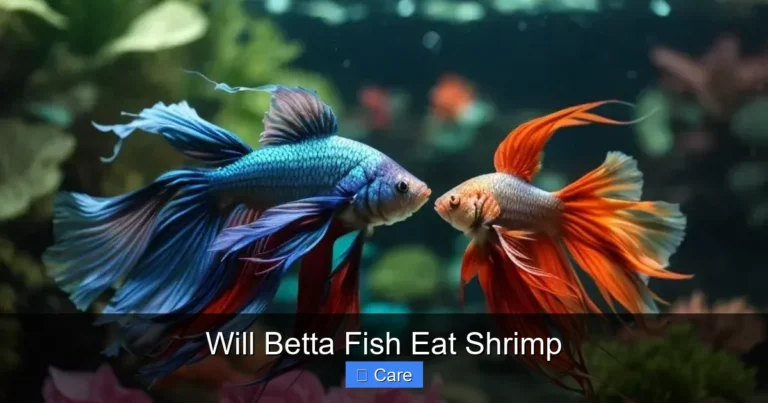
- Cherry Shrimp: Small, colorful, and usually ignored by adult bettas.
For a deeper dive on compatible species, see our guide on what fish do bettas get along with.
Fish to avoid
Long‑finned or brightly colored fish that resemble a betta’s fins can trigger aggression. This includes guppies, fancy goldfish, and other bettas. Also steer clear of fast‑swimming or aggressive species like barbs and certain cichlids.
Can you keep multiple bettas together?
Generally, no. Two male bettas will fight to the death unless the tank is heavily divided. A single female can sometimes share a community tank, but she still needs space. For more details, read Can Betta Fish Live With Other Betta Fish.
4. Introducing New Fish to a Betta
Acclimation steps
- Float the sealed bag in the tank for 15‑20 minutes to match temperature.
- Gradually add a cup of tank water to the bag every 5 minutes for 30 minutes.
- Gently release the new fish into a separate “quarantine” tank first, if possible.
- After 24‑48 hours of observation, introduce the new fish to the main tank using a mesh barrier.
Observation checklist
- Is the betta flaring or chasing?
- Are the new fish hiding constantly?
- Is there any fin nipping?
If any of these signs appear, be ready to move the new fish to a separate tank immediately.
5. Maintaining Harmony Over Time
Regular tank upkeep
Weekly water changes of 25‑30 % keep ammonia low and prevent stress. Clean the substrate and trim overgrown plants to maintain open swimming areas.
Feeding tips for a mixed community
Feed bettas high‑quality pellets or frozen foods once daily. Offer sinking foods or algae wafers for bottom dwellers. Over‑feeding can cloud the water and increase aggression, so keep portions moderate.
When to re‑evaluate the setup
Even with the perfect plan, personalities can clash. If aggression persists after a month, consider adding a divider or moving the betta to a species‑only tank. Remember, a happy betta is a healthy betta.
Conclusion: A Balanced Approach Works
Do betta fish get along with other fish? Yes—if you respect their territorial nature, provide ample space, and choose the right companions. By following the guidelines above, you can enjoy the vivid colors of a betta alongside the lively motion of tetras, rasboras, or shrimp. Keep an eye on behavior, maintain clean water, and adjust as needed, and you’ll have a peaceful, eye‑catching community tank that both you and your fish will love.
Frequently Asked Questions
Can I keep a male betta with other male fish?
Yes, as long as the other males are small, non‑aggressive species that don’t resemble a betta. Avoid other bettas or fish with long, flowing fins.
Do bettas eat other fish?
Adult bettas generally won’t eat other fish, but they may nip at very small or slow‑moving species, especially if they’re hungry.
How many fish can I keep with a betta?
In a 20‑gallon tank, a betta can share space with a small school of tetras, a few bottom dwellers, and some snails or shrimp. Keep the total bio‑load in mind and avoid overcrowding.
What signs show my betta is stressed?
Frequent gill flaring, loss of bright color, hiding all the time, or frayed fins are clear indicators of stress.
Can I keep a betta with a live plant?
Absolutely! Live plants provide hiding spots and improve water quality, making them ideal for community tanks with bettas.
Is a divided tank a good solution?
Yes, a clear acrylic divider lets the betta see the rest of the tank while preventing physical contact, which is useful for housing multiple bettas or very aggressive individuals.