Do Betta Fish Float When They Die

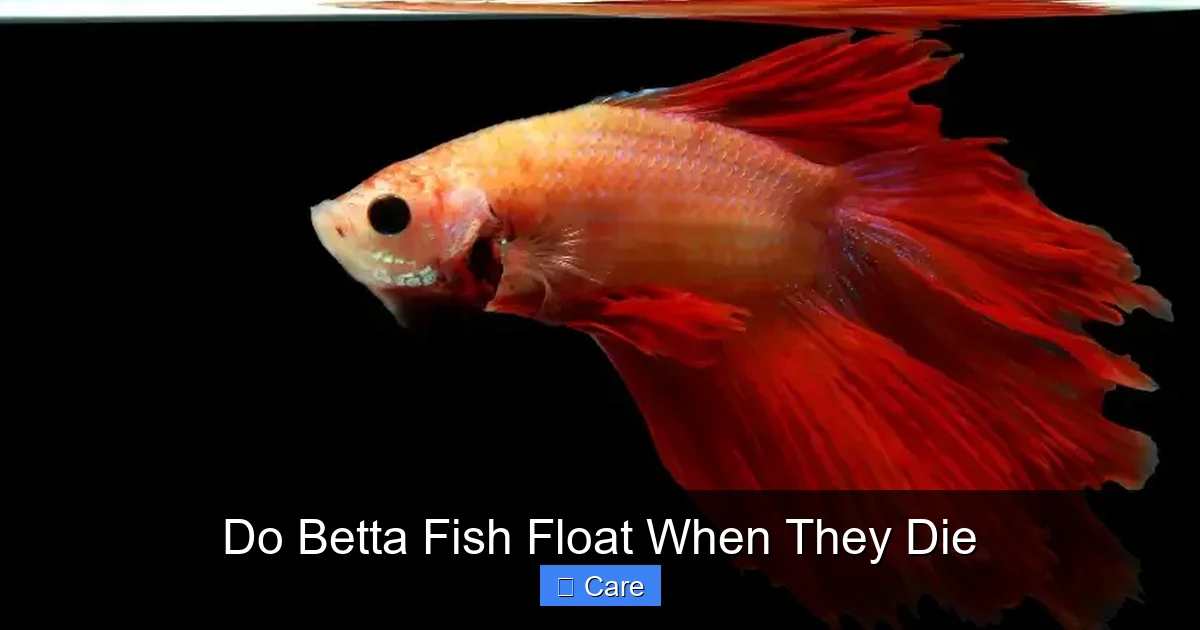
Wondering if your betta will float after it passes? Most bettas either float or sink depending on the cause of death, water temperature, and body condition. Understanding these signs helps you act quickly and keep the rest of your tank healthy.
Key Takeaways
- Float or sink isn’t always a rule: Both outcomes are normal and depend on several factors.
- Gas buildup causes floating: Decomposition produces gases that lift the body.
- Cold water can make a fish sink: Lower temperatures increase density, pulling the fish down.
- Check for illness: Floating may signal a health issue that needs immediate attention.
- Proper removal is essential: Remove the dead fish promptly to protect water quality.
- Use a quarantine tank: A separate tank helps you observe the cause before cleaning the main setup.
- Regular maintenance prevents sudden deaths: Consistent water changes and monitoring keep your betta thriving.
📑 Table of Contents
- Introduction
- What Happens to a Betta’s Body After Death?
- Common Scenarios: Float, Sink, or Hover?
- How to Tell If Your Betta Is Dying vs. Already Deceased
- Immediate Steps to Take After a Betta Dies
- Preventing Sudden Deaths: Best Practices
- What to Do With the Body?
- When Do Betta Fish Float After Death?
- Conclusion
Introduction
Betta fish are beautiful, hardy companions, but like all pets, they eventually reach the end of their lives. One of the most common questions owners ask is, do betta fish float when they die? The short answer is yes, they can float, but they can also sink or hover in the middle of the water. The way a betta’s body behaves after death tells you a lot about what happened and what you should do next.
In this article we’ll break down the science behind floating and sinking, explore the most common reasons a betta might end up on the surface, and give you step‑by‑step guidance on handling a deceased fish responsibly. By the end, you’ll feel confident that you can recognize the signs, act quickly, and keep the rest of your aquatic family safe.
What Happens to a Betta’s Body After Death?
Decomposition and Gas Formation
When a betta dies, bacteria start breaking down its tissues. This process releases gases—mainly carbon dioxide and methane—that collect in the body cavity. As the gas volume increases, the fish becomes more buoyant and may rise to the surface.

Visual guide about Do Betta Fish Float When They Die
Image source: infishtank.com
Temperature’s Role
Water temperature affects both the rate of decomposition and the density of the water. Warm water speeds up bacterial activity, creating gas faster, which often leads to floating. Cold water slows the process, and the denser water can keep the fish sinking.
Body Condition and Fat Stores
A well‑fed betta with ample fat reserves may have a slightly higher buoyancy even before gas builds up. Conversely, a skinny, under‑nourished fish may sink more readily because there is less internal space for gas to accumulate.
Common Scenarios: Float, Sink, or Hover?
Floating Betta
Floating is most common when a betta dies from:
Visual guide about Do Betta Fish Float When They Die
Image source: bettafishworld.com
- Rapid bacterial infection (e.g., Mycobacterium or Flavobacterium)
- Severe organ failure leading to gas buildup
- Sudden temperature spikes that accelerate decay
If you notice a floating betta, check the water temperature. If it’s above 82°F (28°C), consider a gradual cool‑down to slow decomposition while you prepare to remove the fish.
Sinking Betta
Sinking usually occurs when:
- The fish died from a cold‑water shock
- There was little internal gas production (e.g., death from hypoxia)
- The tank water is very cold, increasing overall density
A sinking betta often feels heavier and may rest on the tank bottom. In this case, a gentle lift with a net is safest to avoid tearing delicate fins.
Hovering in the Mid‑Water Column
Sometimes a betta will stay suspended in the middle of the tank. This can happen when gas production is just enough to counteract the fish’s natural density, creating a neutral buoyancy. It’s a brief stage before the body either rises or sinks.
How to Tell If Your Betta Is Dying vs. Already Deceased
Key Signs of a Dying Betta
Before a betta actually floats or sinks, there are warning signs you can spot:

Visual guide about Do Betta Fish Float When They Die
Image source: bettafishworld.com
- Lethargy and loss of color
- Labored breathing at the water surface
- Faded fins or frayed edges
- Frequent floating without swimming
For a deeper dive into early warning signs, see our guide on How Do You Know If Your Betta Fish Is Dying.
Confirming Death
If you suspect your betta has passed, gently tap the side of the tank. A dead fish will not react at all. Look for a lack of gill movement and a limp body. If the fish is floating, you may also notice a faint gas bubble at the tail base.
Immediate Steps to Take After a Betta Dies
1. Remove the Body Quickly
Using a soft net, lift the fish out of the water within a few minutes. This prevents the release of harmful gases and reduces the risk of contaminating the tank.
2. Assess Water Quality
Test ammonia, nitrite, and nitrate levels. A spike in ammonia often follows a death because the fish’s body releases waste. If levels are high, prepare a partial water change (25‑30%).
3. Decide on a Quarantine Tank
If you have other fish, consider moving them to a clean quarantine tank while you investigate the cause of death. This prevents disease spread. Read more about proper tank cleaning at When Do You Clean A Betta Fish’s Tank.
4. Clean the Main Tank
Remove any debris, check the filter media, and perform a thorough water change. If the dead betta floated, you may notice a thin film on the water surface—this should be skimmed off.
5. Review Feeding and Maintenance Routines
Over‑feeding or under‑feeding can both stress a betta. Review your schedule and make sure you’re feeding the right amount at the right times. Our article on When Do You Feed Betta Fish offers a solid feeding guide.
Preventing Sudden Deaths: Best Practices
Maintain Stable Temperature
Betta fish thrive at 78‑80°F (25‑27°C). Use a reliable heater and a thermometer to avoid sudden spikes or drops. Consistent temperature also slows unwanted gas buildup after death.
Regular Water Changes
Changing 20‑30% of the water weekly keeps ammonia low and prevents harmful bacteria from proliferating. Use a water conditioner to remove chlorine and chloramines.
Observe Behavior Daily
Spend a few minutes each day watching your betta swim, eat, and interact with décor. Early detection of stress can save a life.
Provide Proper Nutrition
A balanced diet of high‑quality betta pellets, occasional frozen or live foods, and proper feeding frequency (once or twice a day) supports immune health. Over‑feeding leads to water quality problems; under‑feeding weakens the fish.
Use a Cover or Lid
Betta fish love to jump, and a loose lid can cause accidental falls that look like a sudden death. A secure cover also reduces the chance of debris falling in.
What to Do With the Body?
Burial in a Garden
If you have a garden, bury the fish in a shallow hole about 6 inches deep. This returns nutrients to the soil and gives a peaceful closure.
Composting
Some aquarists add the fish to a compost bin, mixing it with carbon‑rich material to speed decomposition.
Disposal in the Trash
If burial isn’t an option, wrap the fish in a biodegradable bag and place it in the trash. Avoid flushing it down the toilet, as this can introduce pathogens to the water system.
When Do Betta Fish Float After Death?
Time Frame
Floating can begin within 30 minutes to a few hours after death, depending on temperature and bacterial load. In warm water (80°F+), you may see a float within an hour. In cooler tanks, it may take several hours for enough gas to accumulate.
Factors That Speed Up Floating
- High ambient temperature
- Existing bacterial bloom in the tank
- Large body size with more internal cavity space
Factors That Delay or Prevent Floating
- Cold water (below 70°F/21°C)
- Very low body fat
- Immediate removal of the fish
Conclusion
So, do betta fish float when they die? The answer is yes, but it’s not a hard rule. Floating, sinking, or hovering all happen based on temperature, gas buildup, and the fish’s condition at the time of death. Recognizing the signs early, acting quickly to remove the body, and maintaining pristine water conditions are the best ways to protect the health of any remaining fish.
Remember, a sudden float can be a clue that something went wrong, but with proper care and regular monitoring, most betta deaths can be prevented. Keep an eye on temperature, feed responsibly, and perform routine water changes. When the inevitable happens, you’ll know exactly what to do.
Frequently Asked Questions
Do betta fish always float after they die?
No. Some bettas sink, some float, and a few hover in the middle of the tank. The outcome depends on water temperature, gas buildup, and the fish’s body condition.
What does it mean if my betta is floating but still moving?
If the fish is still moving, it’s likely alive but may be struggling with buoyancy issues caused by illness or poor water quality. Check for signs of disease and improve water parameters immediately.
Can I keep a floating betta in the tank for a while before removing it?
It’s best to remove the fish as soon as possible. A floating body releases gases and waste that can quickly degrade water quality and harm other inhabitants.
Why did my betta die suddenly and float?
Sudden death with floating is often linked to rapid bacterial infection, a spike in temperature, or a severe internal organ failure that produced gas quickly.
How long does it take for a dead betta to start floating?
In warm water (around 80°F/27°C), floating can begin within 30 minutes to an hour. In cooler water, it may take several hours.
Is it normal for a betta to sink after death?
Yes, sinking is normal, especially if the water is cold or the fish had little internal gas buildup. Removing the fish promptly is still important to maintain water quality.