Do Betta Fish Get Along with Any Other Fish

So, do betta fish get along with any other fish? The short answer is: it depends. Bettas have unique personalities and territorial instincts that make some friendships work and others a disaster. In this guide, you will learn which fish species make great companions, which ones to avoid at all costs, and how to set up a community tank that keeps everyone happy and healthy.
You love your betta fish. They are stunning, full of personality, and absolutely captivating to watch. But here is the question that keeps many fish owners up at night: do betta fish get along with any other fish?
The truth is, there is no simple yes or no answer. Bettas are like people. Some are social and chill. Others are feisty and prefer to be alone. Whether your betta can share a tank depends on several factors. And that is exactly what we are going to break down in this article.
By the time you finish reading, you will know exactly which fish make good companions for bettas, which ones to steer clear of, and how to create a tank environment where everyone thrives. Let us dive in.
Key Takeaways
- Not all bettas are the same: Individual temperament plays a huge role in whether a betta can live with other fish.
- Peaceful, small fish work best: Tetras, cory catfish, and snails are among the top companions for bettas.
- Avoid aggressive or flashy fish: Fish that resemble bettas or are overly aggressive can trigger fights and stress.
- Tank setup matters enormously: Proper spacing, hiding spots, and tank size reduce aggression significantly.
- Watch for stress signals: Knowing the signs of a stressed betta helps you act fast and prevent problems.
- Introduce tank mates carefully: Gradual introductions and monitoring make all the difference in a community tank.
📑 Table of Contents
Understanding Betta Fish Temperament
Before you even think about adding tank mates, you need to understand what makes bettas tick. These fish belong to a group called territorial fish. In the wild, they claim small patches of water and defend them fiercely. This instinct does not just disappear in a home aquarium.
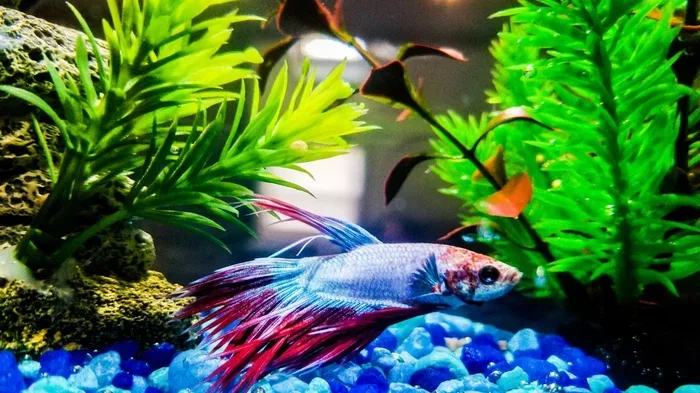
Betta fish personality varies wildly from one fish to the next. Some males are calm and curious. Others flare at their own reflection for hours. Betta fish behavior is shaped by genetics, environment, and how they were raised.
Why Bettas Can Be Aggressive
Male bettas have long, flowing fins and bright colors. To another fish, this looks like a challenge. In nature, rival males fight to protect their territory. Your aquarium is your betta’s territory. Anything that looks similar or moves too fast can trigger a defensive response.
Female bettas tend to be less aggressive, but they still have their limits. Even the most docile betta can become stressed if pushed too far. Understanding this helps you make smarter choices about betta fish tank mates.
Individual Personality Matters
Here is something many beginners do not expect. Two bettas from the same litter can act completely different. One might ignore other fish entirely. The other might chase anything that moves. This is why general rules always come with a big “your mileage may vary.”
The best approach is to observe your own fish first. Does your betta seem relaxed? Does it flare often? Answering these questions gives you a real advantage when choosing companions.
Best Fish Companions for Bettas
So, what fish can you safely keep with a betta? The magic formula is simple: peaceful, small, and non-flashy. You want fish that stay out of your betta’s face and do not compete for the same space.
Tetras Make Excellent Tank Mates
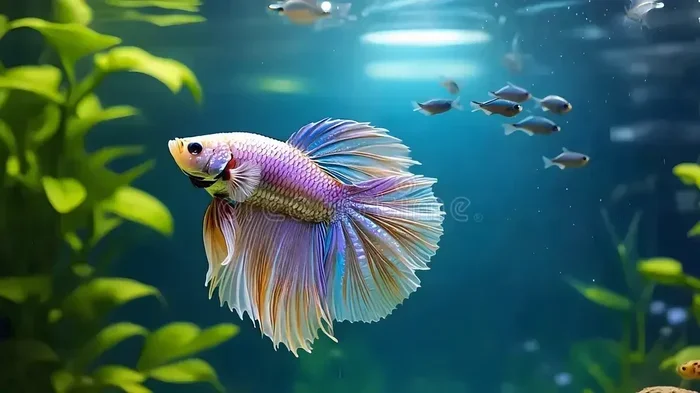
Betta fish and tetras are one of the most popular combinations in the hobby. Tetras are small, fast, and tend to stick to the middle and upper parts of the tank. They do not bother bettas, and most bettas tolerate them just fine.
Neon tetras and ember tetras are especially good choices. They are peaceful, colorful, and do not nip at betta fins. If you are considering this pairing, this guide on betta fish and tetras covers everything you need to know.
Cory Catfish Are Perfect Bottom Dwellers
Cory catfish stay busy at the bottom of the tank. They scavenge for food and mostly ignore your betta up above. This makes them ideal betta fish companions. They are peaceful, fun to watch, and help keep the tank clean.
Most cory species stay small and do not compete with bettas for territory. Cory catfish with bettas is a pairing that works beautifully in most setups.
Other Great Options
Here are a few more fish species that generally do well with bettas:
- Kuhli loaches – They stay at the bottom and are too busy to bother your betta.
- Snails – Nerite snails and mystery snails are calm and do not provoke aggression.
- Ghost shrimp – Inexpensive and mostly ignored by bettas.
- Harlequin rasboras – Schooling fish that add movement without adding stress.
Remember, even with peaceful species, you still need to introduce them slowly and watch for any signs of trouble.
Fish to Avoid With Bettas
Just as important as knowing what works is knowing what does not. Some fish combinations are a recipe for disaster, and putting your betta in harm’s way is never worth the risk.
Avoid Other Bettas or Fish That Look Like Bettas
Male bettas see other long-finned, colorful fish as rivals. Guppies, for example, have flowing tails that can trigger aggression. Keeping two male bettas together is a strict no. Even female bettas can fight if the tank is too small or lacks hiding spots.
Avoid Aggressive or Fin-Nipping Fish
Fish like tiger barbs, serpae tetras, and certain cichlids are too aggressive for a betta. They may nip at the betta’s beautiful fins or bully it relentlessly. Betta fish aggression can escalate quickly when paired with the wrong species.
Avoid Fish That Need Very Different Conditions
Goldfish, for instance, need cold water. Bettas need warm water. Putting them together is a bad idea for both fish. Always match water parameters before adding any new fish to the tank.
Setting Up a Community Tank for Bettas
If you want to keep multiple fish with your betta, the tank setup makes or breaks the experience. A well-planned aquarium reduces stress and gives every fish its own space.
Tank Size Requirements
A tank of at least 10 gallons is recommended for a betta with a few companions. The extra space gives everyone room to claim their own areas. Smaller tanks concentrate aggression and waste products quickly.
Larger tanks, like 20 gallons, offer even more stability. Water parameters stay more consistent, and fish have more room to swim away from each other.
Add Plenty of Hiding Spots
Plants, caves, and decorations give shy fish places to retreat. Live plants like java fern and anubias work great. They also break up sightlines, which helps reduce territorial behavior.
When your betta cannot see every corner of the tank at once, it feels less threatened. This simple change can turn a stressful environment into a peaceful one.
Feeding Strategies for Multiple Fish
One of the trickiest parts of a community tank is feeding. Bettas are slow eaters compared to many other species. If faster fish gobble all the food first, your betta may go hungry.
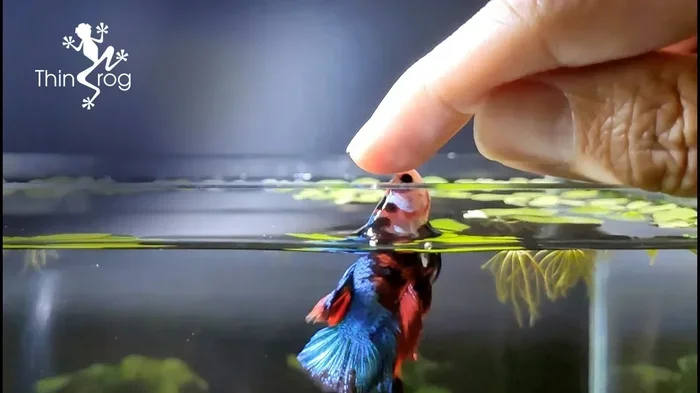
Try sinking pellets for bottom dwellers first, then add floating pellets for your betta. This ensures everyone gets fed without competition. Betta fish care includes making sure your fish eats enough every day.
Signs Your Betta Is Stressed or Unhappy
Even with the best planning, things can go wrong. You need to know the warning signs that your betta is struggling with its tank mates.
- Flaring constantly: Your betta flares at every fish it sees. This means it feels threatened.
- Hiding all the time: A stressed betta will retreat to corners or behind decorations.
- Loss of color: Bettas fade when they are unhappy or unwell.
- Clamped fins: Fins held close to the body signal discomfort.
- Not eating: A betta that refuses food is telling you something is wrong.
If you notice these signs, act quickly. Remove the problem fish or separate your betta. Catching stress early prevents serious health issues.
What to Do When Things Do Not Work
Sometimes a combination just does not work, no matter how carefully you plan. That is okay. Not every fish pairing will be successful. The responsible thing is to rehome the problematic fish or return it to the pet store.
Your betta’s well-being always comes first. A solo betta in a nicely planted 5-gallon tank can live a perfectly happy life. You are not a failure for keeping your fish alone.
Final Thoughts on Betta Fish Tank Mates
So, do betta fish get along with any other fish? The honest answer is: some do, and some do not. Success comes down to understanding your individual betta, choosing the right companions, and setting up the tank properly.
Start small. Add one or two peaceful fish and watch how your betta reacts. Patience is your best friend in this process. Rushing into a community tank without preparation is the most common mistake new fish owners make.
With the right approach, you can create a beautiful aquarium where your betta and its companions all thrive. The reward of a harmonious community tank is absolutely worth the effort.
For more ideas on compatible species, check out fish that get along with bettas to expand your options and find the perfect match for your setup.
Frequently Asked Questions
Can I keep a betta fish with goldfish?
No, bettas and goldfish are not compatible. They need completely different water temperatures and have different care requirements. Goldfish also grow large and can be too active for a betta’s comfort. Keep them in separate tanks for the health of both fish.
How many fish can I keep with one betta?
In a 10-gallon tank, one betta and two to three small peaceful fish is a good starting point. Larger tanks allow for more companions. Always monitor behavior closely after adding new fish and be ready to make changes if needed.
Do female bettas get along with other fish better than males?
Female bettas are generally less aggressive than males, but they still have their own personalities. Some females do great in community tanks, while others prefer to be alone. Always introduce tank mates slowly and watch for signs of stress on both sides.
What is the best first fish to add to a betta tank?
Peaceful bottom dwellers like cory catfish or snails make the best first additions. They stay out of the betta’s way and do not compete for the same space. Start with one new fish and observe your betta’s reaction before adding more.
Can bettas live with shrimp?
Yes, many bettas coexist peacefully with shrimp like ghost shrimp or cherry shrimp. However, some bettas may see small shrimp as food. If you want to try this, provide plenty of hiding places and be prepared for the possibility that the shrimp may not survive.
Why does my betta flare at its tank mates but not attack them?
Flaring is a display behavior, not always a sign of an imminent attack. Your betta may be asserting dominance or simply reacting to movement. If flaring does not lead to chasing or fin nipping, your tank mates are likely safe. Watch for any escalation over time.