Can Male Betta Fish Live with Mollies

Generally, it is not recommended to house a male betta fish with mollies. Male bettas are famously territorial and aggressive, while mollies are active, schooling fish that can provoke a betta’s aggression. While a very large, carefully planted tank might offer a slim chance, the risks of injury or chronic stress are high. Success depends entirely on the individual betta’s temperament, but for most hobbyists, choosing more compatible tank mates is the safer and kinder path for both species.
Key Takeaways
- Male betta aggression is the primary obstacle: Their instinct to defend territory from any fish with flowing fins or active behavior makes mollies a high-risk choice.
- Mollies’ nature often triggers bettas: Their constant activity, schooling behavior, and occasional fin-nipping can be perceived as a threat or annoyance by a betta.
- Tank size is non-negotiable: A minimum of 30 gallons is often cited as the absolute bare minimum for a chance, with 40+ gallons being far more realistic for providing enough space.
- The betta’s personality is everything: Some male bettas are more docile, but you must assume aggression until proven otherwise over many weeks of observation.
- Separate contingency plans are essential: You must have a fully cycled backup tank ready to instantly remove one fish if aggression or stress appears.
- There are far safer, more harmonious alternatives: Many other peaceful community fish like certain tetras, rasboras, or corydoras make better, less stressful companions for a male betta.
📑 Table of Contents
- Introduction: The Allure and the Reality of Mixed Tanks
- Understanding the Male Betta: A Solitary Warrior
- Understanding the Molly: The Energetic Schooler
- The Critical Factors: When (And If) It Could Theoretically Work
- The Inherent Risks and Signs of Failure
- Better, Safer Alternatives for Your Male Betta
- Conclusion: Prioritizing Welfare Over the “Cool Factor”
Introduction: The Allure and the Reality of Mixed Tanks
So, you’ve got that stunning, flowing male betta fish—a true centerpiece with his brilliant colors and dramatic fins. You love his personality, but you also want a lively, active community tank. You’ve heard about mollies: hardy, peaceful, live-bearing fish that add constant motion and fun. The idea of combining these two popular pets is tempting. The question “Can male betta fish live with mollies?” is one of the most common in the aquarium hobby, and the answer deserves a careful, nuanced look.
Let’s be clear upfront: the standard, responsible advice is that male betta fish and mollies are poor tank mates. The combination is fraught with risk due to fundamental clashes in their natural behaviors. However, the world of fish keeping is rarely black and white. Under a very specific, tightly controlled set of circumstances, a cohabitation attempt might not end in disaster. This article will dive deep into the why behind the warning, explore the rare scenarios where it might work, and provide you with the practical, actionable knowledge to make the safest, most informed decision for your aquatic pets. We’re not just here to say “no”; we’re here to explain the why so you can be a better, more observant fish keeper.
Understanding the Male Betta: A Solitary Warrior
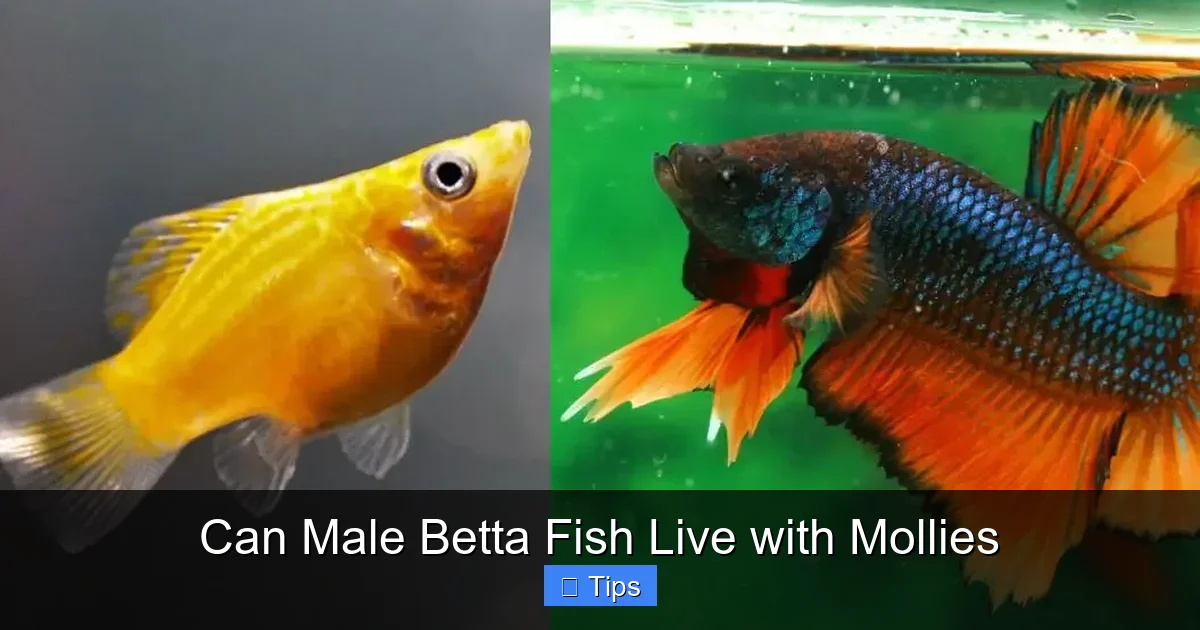
To predict if a male betta can live with mollies, you must first understand the betta’s core nature. The betta splendens, or Siamese fighting fish, earned its name for a reason. Centuries of selective breeding for combat have instilled a strong territorial instinct, particularly in males. In the wild, a male betta claims a small patch of water—a puddle, a slow-moving stream edge, a rice paddy—and defends it vigorously from rival males. This instinct doesn’t disappear in captivity; it simply has new targets.
Visual guide about Can Male Betta Fish Live with Mollies
Image source: aquamovement.com
The Triggers: What Makes a Betta Attack?
A male betta doesn’t just attack other male bettas. Several characteristics in other fish can trigger his aggression:
- Long, Flowing Fins: This is the biggest one. Mollies, especially the fancy varieties like the Sailfin Molly, have beautiful, prominent dorsal and caudal fins. To a betta, this looks exactly like a rival male betta—a flashy intruder in his territory that must be chased off.
- Bright Colors: Vibrant reds, blues, and yellows can be seen as a challenge. While mollies aren’t as flashy as a betta, some varieties like the Black Molly (with its striking contrast) or the bright Dalmatian Molly can still catch a betta’s eye.
- Fast, Erratic Movement: Mollies are constantly on the move, zipping from the top to the middle of the tank. To a betta, who often prefers to patrol a specific route, this constant motion can be perceived as harassment or a threat, goading him into a chase.
- Top-Dwelling Behavior: Bettas are labyrinth fish who frequently breathe air from the surface and hang out near the top. Mollies are also enthusiastic surface feeders and will often occupy that same top layer of water, leading to inevitable territorial disputes over prime real estate.
It’s crucial to remember that a betta’s aggression is not “mean”; it’s a hardwired survival instinct. He doesn’t hate the molly; he sees it as an intruder that must be removed to secure his home and resources.
Understanding the Molly: The Energetic Schooler
Now, let’s look at the other side of the equation. Mollies (Poecilia sphenops) are live-bearing fish from brackish waters in Central America. They are incredibly hardy, adaptable, and almost always active. Their behavior is the antithesis of the betta’s more sedate, patrolling style.
Visual guide about Can Male Betta Fish Live with Mollies
Image source: i.ytimg.com
The Molly Mindset: Curiosity and Constant Motion
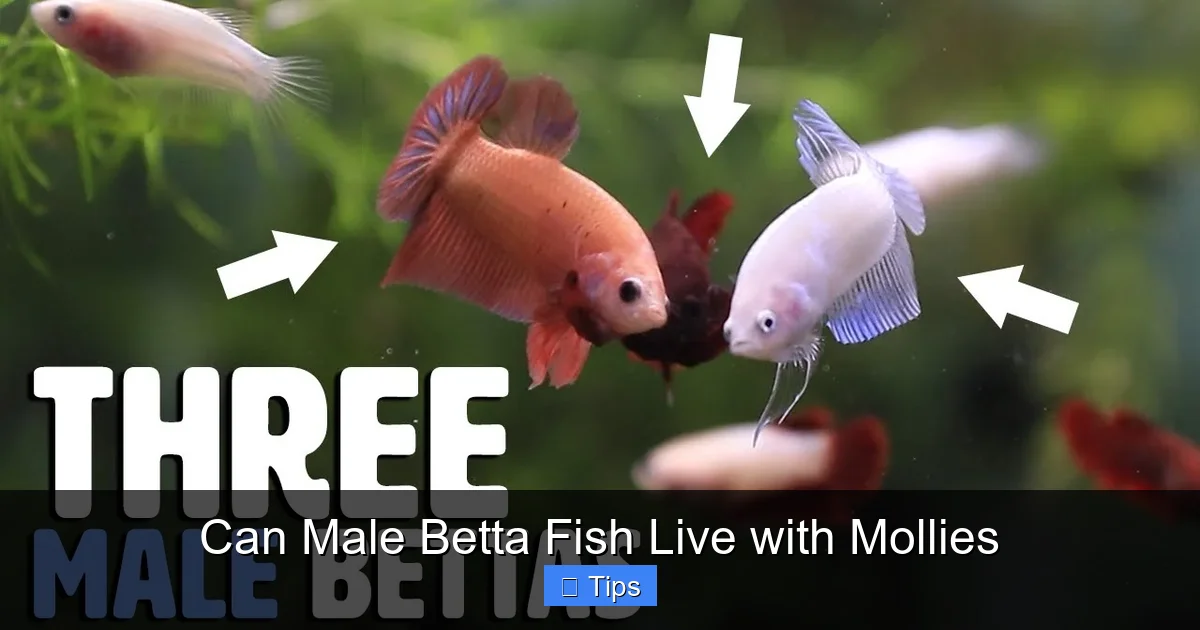
Mollies are, by nature, a schooling species. They are most comfortable and least stressed in groups of 4 or more. In these groups, they establish a loose hierarchy and are constantly in motion—grazing on algae, investigating decorations, and darting around the tank. This inherent activity is a major point of conflict.
- They Don’t Back Down: Unlike some very shy community fish that will cower at the first sign of a betta’s flair, mollies are bold. A molly might initially flee a charging betta, but it will often return to the same area minutes later. This repeated “intrusion” can drive a betta to escalate his defenses.
- Potential Fin-Nippers: While not as notorious as tiger barbs, some individual mollies, particularly if kept in too small a group or underfed, may develop a habit of nipping at the long, flowing fins of a betta. This is a direct, physical provocation that will almost certainly result in a violent retaliation from the betta.
- High Bioload: Mollies are prolific livebearers and produce a significant amount of waste. A heavily stocked tank with mollies requires excellent filtration and frequent water changes to maintain pristine water quality. A stressed betta in poor water is a sick betta.
In essence, the molly’s natural state—active, social, surface-oriented—is a perfect storm for clashing with a male betta’s core instincts.
The Critical Factors: When (And If) It Could Theoretically Work
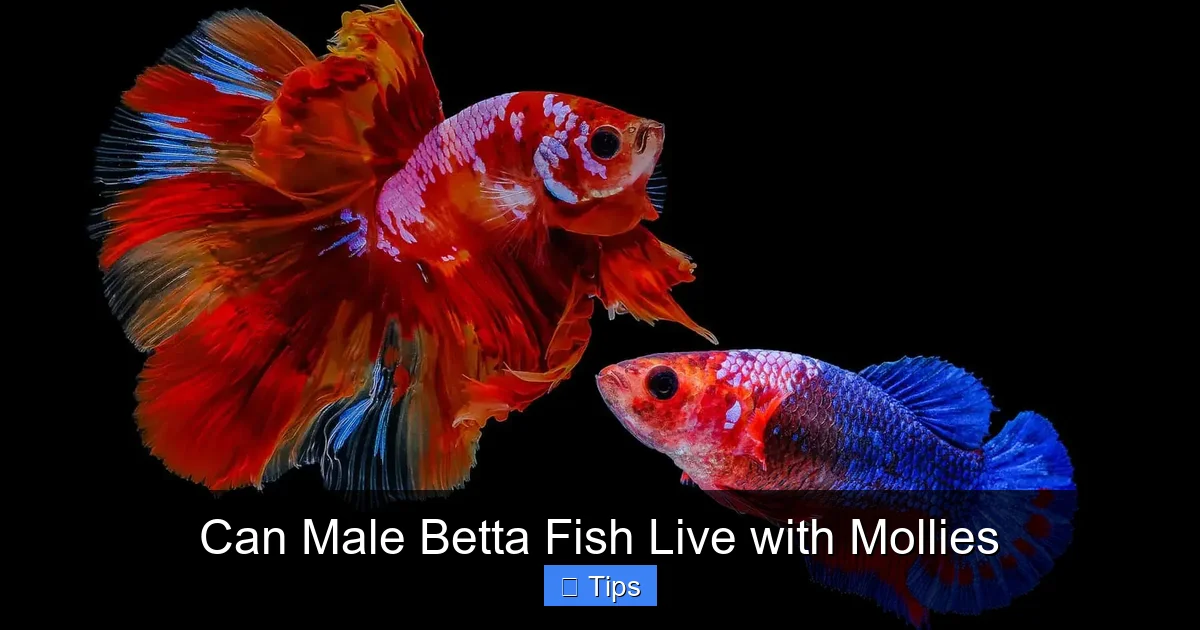
So, if the odds are so stacked against us, why does this question persist? Because in fish keeping, individual personalities and extreme conditions can create outliers. Here are the absolute, non-negotiable pillars that would need to be in place for a chance at success. Missing any one of these makes the attempt highly irresponsible.
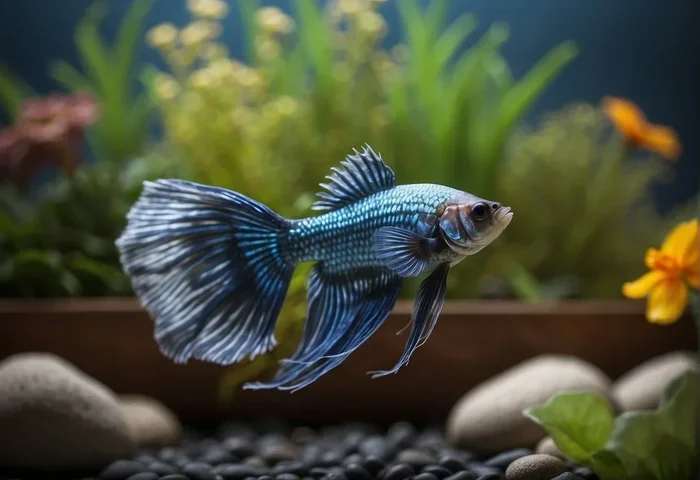
Visual guide about Can Male Betta Fish Live with Mollies
Image source: aquariadise.com
1. Tank Size: The Golden Rule
This is the single most important factor. The common advice of a “10-gallon community tank” is a death sentence for a molly-betta pairing. You need space—lots of it—to break line of sight and allow each fish to have its own domain.
- Absolute Minimum: 30 gallons (long tank, not tall). This is a starting point for discussion, not a recommendation.
- Realistic Target: 40-55 gallons. In a tank this size, you can create distinct zones. A dense forest of plants and driftwood on one end for the betta, and open swimming space with some floating plants on the other for the mollies.
- Ideal Scenario: 75 gallons or more. Only in a large, well-structured environment can you truly mitigate the constant visibility that fuels territorial disputes.
Remember, mollies are active swimmers. They need room to school. A betta needs room to patrol a territory without seeing a “rival” every few inches.
2. Tank Setup and Layout: Breaking the Line of Sight
Volume alone isn’t enough. You must physically divide the space using decorations and plants.
- Dense Planting: Use live plants like Java fern, Anubias, Cryptocorynes, and Vallisneria to create thick, bushy areas. These provide hiding spots for mollies to feel secure and break the betta’s view. Floating plants like Frogbit or Salvinia are crucial—they cover the surface, reducing the betta’s focus on movement above and giving him a sense of overhead security.
- Hardscape is Key: Driftwood, large rocks, and ceramic caves create visual barriers. The goal is that a betta sitting on one side of a large piece of driftwood should not be able to see the mollies on the other side.
- Open Swimming Areas: Balance the dense areas with some open water. Mollies need this to exhibit their natural schooling behavior. A long, open mid-section away from the betta’s primary perch can be a safe zone.
3. Betta Temperament: The Wild Card
This is the hardest factor to control. Some male bettas are simply laid-back. You might get a “gentle giant” who ignores other fish. Others are relentless attackers who will flare at their own reflection. You must select a betta with this potential cohabitation in mind.
- Observe in the Store: At the pet store, look for a betta that is not flaring aggressively at every fish in neighboring cups. A betta that is mostly calm, maybe just mildly curious, is a better candidate.
- Consider Age: An older, established betta (6 months to a year) may be less reactive to new introductions than a young, hormone-driven one. However, an older betta’s territory is also more fixed, making introductions harder.
- No Guarantees: Even the calmest betta can have his patience worn down by the constant, frenetic activity of a school of mollies over weeks or months.
4. Molly Group Size and Species
- School Size: You must keep mollies in a proper school of at least 4-6. A single or pair of mollies will be relentlessly picked on by a curious betta and will be extremely stressed. A larger school feels more secure and can better deflect a betta’s attention.
- Species Matters: Choose mollies with less finnage. The common Black Molly or Short-finned Sailfin Molly is a better choice than the ultra-long-finned Lyretail Molly. The less your mollies look like a rival betta, the better.
5. Introduction Protocol and Relentless Observation
This is not a “dump them in and hope for the best” situation.
- Cycled Tank First: The tank must be fully cycled and pristine before any fish are added. Stress from poor water quality amplifies aggression.
- Add Mollies First: Ideally, establish the molly school in the large, well-decorated tank for 2-3 weeks. Let them claim their spaces and build confidence.
- The Betta’s Final Entrance: Use a divider or a clear acrylic box to float the betta in the main tank for 24-48 hours. Observe his reaction to the mollies. Does he flare constantly and try to ram the divider? Or does he mostly ignore them? The latter is a minimal positive sign.
- Release and Monitor: After the divider period, release the betta. For the first 72 hours, you must watch constantly. Be ready to net the betta out at a moment’s notice. Look for: chasing (not just a flare or two, but relentless pursuit), torn fins on either fish, the mollies hiding constantly at the top in a corner, or the betta cornering a molly.
Even after a peaceful first week, you must monitor daily for the rest of their lives. Betta aggression can be sparked by a new decoration, a change in water parameters, or simply the betta having a bad day.
The Inherent Risks and Signs of Failure
Even with all the above precautions, the fundamental incompatibility means the risk of failure is high. It’s vital you recognize the signs that the experiment is not working and must be ended immediately for the welfare of the fish.
Physical Injury and Stress
The most obvious sign is physical damage. Check your betta’s fins daily for tears, ripped edges, or missing chunks. Check the mollies for bite marks, missing scales, or torn fins. A single successful bite from a betta can be fatal to a molly due to shock or infection.
Behavioral Indicators of Chronic Stress
Often, the damage is less visible but equally deadly: chronic stress.
- In the Mollies: They will spend all day huddled in a single corner or at the very top of the tank, pressed against the glass. They will stop eating, lose color, and become lethargic. A schooling fish that won’t school is a terrified fish.
- In the Betta: He may become listless, lose his vibrant color, hide constantly (unusual for a betta), or develop stress-related illnesses like dropsy or fin rot. A betta that is constantly flaring and chasing is burning immense energy and is under severe stress.
- Loss of Appetite: If either species stops eating with vigor, it’s a major red flag.
Chronic stress suppresses the immune system. A fish that seems “okay” but is living in fear is a ticking time bomb for disease. Your job as a keeper is to prevent this, not just react to a torn fin.
Better, Safer Alternatives for Your Male Betta
Given the significant hurdles and risks, why even consider mollies? The good news is the aquarium world is full of fantastic, peaceful community fish that are proven to be much better betta companions. These species share key traits: they are not fin-nippers, they are not brightly colored rivals, they are not top-dwelling speed demons, and they prefer different swimming levels.
Top-Tier Betta Tank Mates
Focus on these categories for a peaceful, thriving community:
- Small, Peaceful schooling fish from the middle and lower levels:
- Harlequin Rasboras (Trigonostigma heteromorpha): Active but peaceful, they prefer the middle levels and add a beautiful shimmering school. A group of 6-8 in a 20+ gallon tank is ideal.
- Ember Tetras (Hyphessobrycon amandae): Tiny, fiery orange fish that are incredibly peaceful and stay in the middle to bottom. Perfect for smaller betta setups (15+ gallons).
- Neon/Cardinal Tetras: Classic, beautiful schooling fish. They are fast enough to avoid a curious betta and add brilliant color. Keep in groups of 6+ in 20+ gallons.
- Bottom-Dwelling Clean-Up Crew:
- Pygmy Corydoras (Corydoras pygmaeus): The perfect betta companion. These tiny, adorable catfish are social, peaceful, and occupy the bottom substrate, completely out of the betta’s way. A group of 6+ is essential for their well-being.
- Kuhli Loaches (Pangio kuhlii): Eel-like, nocturnal, and fascinating. They burrow and stay out of sight, adding unique activity at night.
- Amano Shrimp (Caridina multidentata): Not a fish, but an excellent cleanup crew. They are large enough (up to 2 inches) that a betta usually ignores them, and they are fantastic algae eaters. Some bettas may hunt them, so observation is still key.
These alternatives provide the “community” feel you want—movement, variety, and activity—without constantly triggering your betta’s territorial alarms. They are a win-win for tank harmony.
Conclusion: Prioritizing Welfare Over the “Cool Factor”
So, can male betta fish live with mollies? The honest, detailed answer is: it’s a high-risk gamble that is overwhelmingly likely to fail, and attempting it often comes at the cost of one or both fish’s health and happiness. The core instincts of the betta—territorial defense against finned, active intruders—directly conflict with the core nature of the molly—active, schooling, surface-dwelling. You are trying to force two fundamentally different behavioral blueprints into the same small space.
While the theoretical “perfect storm” of a massive, heavily planted tank, a uniquely docile betta, and a proper school of short-finned mollies might result in peaceful coexistence for a time, it is an exception that proves the rule. It requires immense resources, space, and constant, vigilant oversight. For the vast majority of hobbyists, especially those with standard 10, 20, or even 29-gallon tanks, this pairing is a recipe for stress, injury, and potential loss.
Your goal as a responsible aquarist is to create an environment where all your fish can thrive, not just survive. Choosing tank mates for a male betta means seeking out peaceful, non-threatening species that occupy different niches in the tank. By selecting proven companions like harlequin rasboras, ember tetras, or pygmy corydoras, you are setting your entire aquarium up for success. You’ll enjoy the vibrant activity of a true community tank without the anxiety of watching a predator and prey relationship unfold. Sometimes, the most beautiful tank is the one built on compatibility, not just color. Choose harmony, and your betta—and his potential tank mates—will thank you for it with health, vibrancy, and captivating behavior.
Frequently Asked Questions
Can a male betta ever be peaceful with any fish?
Yes, many male bettas can live peacefully with carefully selected, peaceful community fish. The key is choosing species that are not fin-nippers, are not brightly colored rivals, and occupy different swimming levels. Proper tank size and setup are always critical.
What if I have a very large tank, like a 75-gallon?
A 75-gallon tank dramatically increases the chance of success because it allows for distinct territories and breaks line of sight. However, it does not guarantee compatibility. The betta’s temperament and the mollies’ behavior are still the deciding factors. You would still need an extremely complex aquascape with dense planting and hardscape to create visual barriers.
My betta seems calm when I first add the mollies. When should I be concerned?
>You should be concerned if the betta engages in relentless chasing (not just a few flares), if he corners a molly, or if any fish shows torn fins. Also, watch the mollies’ behavior: if they are constantly hiding at the top in a tight school and not eating, they are terrified. Any sign of persistent aggression or chronic stress means you must separate them immediately.
Are female bettas better with mollies than males?
Generally, yes. Female bettas are far less aggressively territorial than males, though they can still be feisty. A sorority of 4-6 females in a heavily planted 20+ gallon tank might tolerate a school of mollies better, as the females’ attention is on their own hierarchy. However, it is still not a recommended or guaranteed pairing due to the same activity and fin issues.
What are the top 3 fish I should consider instead of mollies for my male betta?
1. Pygmy Corydoras: The ultimate bottom-dwelling, peaceful companion. 2. Harlequin Rasboras: A beautiful, active middle-schooling fish that rarely bothers bettas. 3. Ember Tetras: Tiny, fiery, and entirely peaceful, perfect for smaller betta tanks. Always keep these in proper schools.
If my betta attacks a molly, can I reintroduce them later?
It is not advisable. Once a betta has identified a specific fish (or type of fish) as an intruder and attacked, the memory and aggression are likely to persist. Reintroduction will almost certainly trigger the same violent response. The safest course is to permanently house them separately. The molly school should be moved to its own tank, or the betta should be the one to move if you wish to keep the mollies in the display tank.