Can I Use Methylene Blue for Betta Fish
Methylene blue can be a useful treatment for certain external fungal and bacterial infections in betta fish, but it must be used with extreme caution. Bettas are highly sensitive to medications, and improper dosing or use in the wrong situation can be fatal. It is primarily for use in a separate quarantine hospital tank, never as a routine preventative, and is ineffective against many common betta ailments like dropsy or internal parasites. Always confirm a diagnosis and consider safer alternatives first, consulting an aquatic vet if unsure.
So, your beautiful betta fish—your little crown-of-thorns, your flowing-finned prince—is looking a little under the weather. Maybe you see a white, fuzzy patch on a fin, or a sore that wasn’t there yesterday. Panic sets in. You rush to the computer or your local fish store, and one of the first names that pops up is an old-school remedy: methylene blue. It sounds clinical, powerful, and like it might be the magic bullet. But then you read a forum post warning that it killed someone’s betta. The question screams in your mind: Can I use methylene blue for my betta fish? The answer, like so many in the fish-keeping world, is a firm “it depends.” Methylene blue is a potent tool, but for the delicate, labyrinth-breathing betta splendens, it’s a tool that must be handled with the precision of a neurosurgeon and the respect of a bomb disposal expert. This guide will walk you through everything you need to know, stripping away the fear and the misinformation, so you can make a safe, informed decision for your aquatic companion.
Let’s be clear from the start: methylene blue is not a casual treatment. It is a chemical antiseptic and disinfectant, not a gentle herb. In the world of human medicine, it has been used for everything from malaria to urinary tract infections. In aquaculture, its primary role is as an external treatment. For a betta, whose long, flowing fins are like delicate silk and whose physiology is finely tuned for stagnant, low-oxygen puddles, introducing a strong chemical into their environment is a significant stressor. Our goal here is not to scare you, but to empower you with the knowledge to use it correctly—or more often, to know when to put it back on the shelf and reach for something else.
Key Takeaways
- Use Only in a Quarantine Tank: Methylene blue must never be added to a main display tank with live plants, invertebrates (shrimp, snails), or beneficial bacteria, as it will kill them all.
- Bettas Are Extremely Sensitive: The safe dosage for a betta is much lower than for hardier fish. Overdosing by even a small amount can cause severe stress, organ damage, and death.
- Targets Specific Issues Only: It is effective for external fungal infections (like cotton wool growth), some bacterial skin infections, and as a prophylactic dip for new fish or minor wounds. It does not treat internal diseases.
- Proper Dosage is Critical: The standard dose is 1-3 drops per gallon of unconditioned water in a hospital tank, but for a betta, start at the lowest end (1 drop/5 gallons). Always measure water volume precisely.
- It Stains Everything: Methylene blue will permanently stain silicone seals, plastic plants, decorations, and light-colored gravel blue. Use only inexpensive, dedicated equipment in the treatment tank.
- Not a First-Line Treatment: For common betta issues like fin rot (early stages), often a series of 100% water changes with pristine water and aquarium salt is safer and more effective.
- Vet Consultation is Best: Due to the high risk, if your betta is seriously ill, the safest course is to seek advice from a veterinarian specializing in fish, not to guess with potent chemicals.
📑 Table of Contents
- What Exactly Is Methylene Blue?
- The Betta Factor: Why They Are So Sensitive
- Step-by-Step: How to Use Methylene Blue on a Betta (If You Must)
- When You Should Absolutely NOT Use Methylene Blue for a Betta
- Safer and Often More Effective Alternatives for Common Betta Problems
- The Final Word: A Tool of Last Resort
What Exactly Is Methylene Blue?
Before we talk about using it on a betta, we need to understand what we’re dealing with. Methylene blue (chemical formula C₁₆H₁₈ClN₃S) is a synthetic aromatic compound. Its most striking feature is its deep blue color, which is why it’s so famously staining. In biological applications, it works as a redox indicator—it changes color depending on whether it’s oxidized or reduced—but its therapeutic action comes from its ability to interfere with the metabolic processes of certain microorganisms.
How It Works (In Simple Terms)
Think of it like this: methylene blue disrupts the ability of simple organisms, like some fungi and gram-positive bacteria, to produce energy at a cellular level. It essentially clogs up their microscopic power plants. This makes it effective against external invaders on the skin and fins that are absorbing oxygen and nutrients directly from the water. However, this same mechanism can also interfere with the cells of your fish, especially if the concentration gets too high. That’s the razor’s edge we walk. It’s a broad-spectrum agent, meaning it’s not highly targeted. It doesn’t distinguish perfectly between a harmful fungus on your betta’s fin and the delicate cells of the fin itself or the beneficial bacteria in your filter that are trying to keep the water clean.
Common Forms and Concentrations
You’ll typically find methylene blue in two forms for aquarium use:
- Liquid Solution: This is the most common. Concentrations vary wildly by brand, from 1% to 10% solutions. This is the most important thing to check. A 10% solution is ten times stronger than a 1% solution. Using the wrong amount from the wrong bottle is the #1 cause of overdose disasters. Always, always read the label for the percentage concentration.
- Powder: A crystalline powder that you dissolve yourself. This allows for the most precise dosing but requires careful measurement and a separate mixing container.
For a betta, we strongly recommend using a low-concentration (1-2%) liquid solution for ease and safety, or a powder if you are extremely confident in your measuring skills.
The Betta Factor: Why They Are So Sensitive
This is the core of the entire discussion. Why can’t we just use the “standard fish dose”? Because bettas aren’t standard fish. They are anabantoids, meaning they possess a labyrinth organ—a specialized structure that allows them to breathe atmospheric air. This adaptation lets them survive in oxygen-poor, stagnant waters, but it also means their gills and overall physiology are not as robust as, say, a goldfish or a danio. Their large, flowing fins are also prone to tearing and infection, making them a common target for the very issues methylene blue is used for. This creates a perfect storm: a fish that often needs treatment for fin issues, but is uniquely vulnerable to the treatment itself.
Visual guide about Can I Use Methylene Blue for Betta Fish
Image source: petshun.com
Dosage is Everything: The “Less is More” Rule
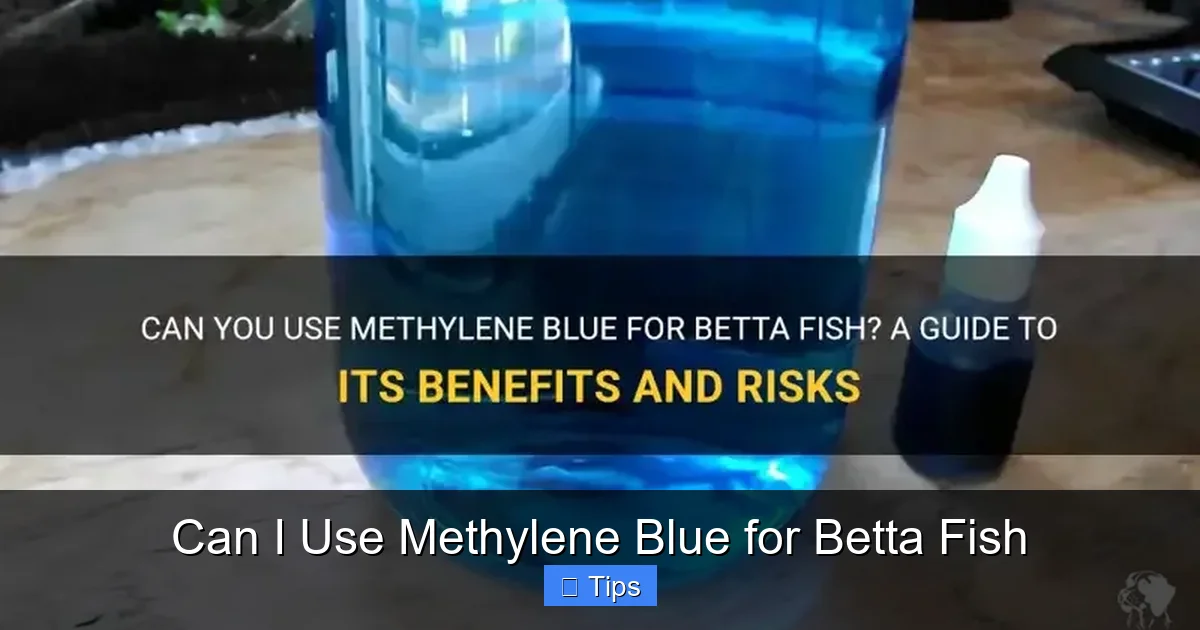
The standard “therapeutic dose” for methylene blue in many aquarium guides is 1-3 drops per gallon of water. For a betta, you must start at the absolute lowest end of this range, and often even lower. A common safe starting point for a betta in a 5-gallon quarantine tank is 1-2 drops of a 1% solution. For a 2.5-gallon tank, that might be just 1 drop. The goal is to achieve a very light, sky-blue tint to the water—not a deep, inky blue. If the water looks dark blue, you have almost certainly overdosed. The medication is absorbed through the gills and skin, and in a small volume of water, concentration builds quickly.
Stress: The Silent Killer
Any medication is a stressor. For a betta, stress compromises its immune system, which is the very thing you’re trying to support. The process of netting, moving to a hospital tank, and adding a chemical-laden, blue water is profoundly unsettling. This is why the hospital tank must be pristine, temperature-matched, and have identical water parameters (pH, GH, KH) to the main tank to minimize additional shock. The treatment itself should be as short as possible—often just 3-5 days—with daily 100% water changes using pre-treated, methylene-blue-free water to maintain the therapeutic level while removing waste products.
Step-by-Step: How to Use Methylene Blue on a Betta (If You Must)
Assuming you have a confirmed external fungal or bacterial infection and have decided to proceed, here is the safest possible protocol. This is not a recommendation, but a description of the minimal-risk method.

Visual guide about Can I Use Methylene Blue for Betta Fish
Image source: buildyouraquarium.com
1. The Absolute Prerequisite: A Quarantine/Hospital Tank
This is non-negotiable. You need a separate, bare-bottom tank (5 gallons is ideal, 2.5 gallons is the absolute minimum). It must have:
- No substrate (gravel holds the dye and makes cleaning impossible).
- No live plants (they will die).
- No decorations that you care about (they will stain permanently). A single, smooth, non-porous ornament like a ceramic mug for hiding is okay if you’re willing to discard it.
- No filter media with established bacteria (use new, chemical filter media like activated carbon, which will remove the dye quickly, so you must remove the carbon during treatment). A simple sponge filter powered by an air pump is best.
- Heater and thermometer to maintain the exact temperature of the main tank (usually 78-80°F).
Fill this tank with dechlorinated water that matches your main tank’s parameters. Let it cycle and stabilize before introducing the sick fish.
2. The Diagnosis and Dosing
Be honest with yourself. Do you see cotton-like tufts (fungus) or a slimy, gray/white coating (bacteria)? If it’s just a torn fin with no fuzz or slime, you likely do not need methylene blue. Start with pristine water and aquarium salt.
If you proceed:
- Calculate your tank volume in gallons exactly.
- Check your methylene blue bottle for concentration. Assume 1% unless stated otherwise.
- Dose: 1 drop per 5 gallons of water for a betta. For a 3-gallon tank, that’s a little over half a drop—impossible. In this case, you would make a stock solution: add 10 drops to 1 cup of water, then add 1.5 teaspoons of that stock solution to the 3-gallon tank. This sounds complicated, which is why a dedicated 5-gallon hospital tank is so much easier.
- Add the drops to the tank water before adding the betta. Stir gently.
- The water should have a very faint blue tint, like a light summer sky.
3. The Treatment Period
- Day 1: Add the fish to the treated hospital tank. Observe closely for the first hour for signs of extreme distress (gasping, frantic swimming, loss of equilibrium). If this occurs, immediately perform a 50% water change with fresh, untreated water.
- Days 1-5: Maintain the same dose. Do not add more dye daily. The initial dose is meant to be therapeutic for several days. However, perform a 100% water change every 24 hours. Refill with fresh, dechlorinated, untreated water, then re-dose with the original amount of methylene blue. This removes fish waste (which deactivates the medication) and maintains a consistent, safe concentration.
- Duration: 3-5 days maximum. You should see visible improvement in the infection within 48 hours. If not, the problem may be misdiagnosed or internal, and you need to stop the treatment and seek other options.
4. The Post-Treatment
After the final day, perform one last 100% water change with fresh, untreated water. Do not re-dose. You can then either keep the betta in the clean hospital tank for a few more days of observation or acclimate him back to his clean main tank. The hospital tank and all equipment used must be thoroughly rinsed and set aside for future med use only, as the stain is permanent.
When You Should Absolutely NOT Use Methylene Blue for a Betta
There are more situations where methylene blue is a bad idea than where it’s a good one. Here is your checklist of red flags:
Visual guide about Can I Use Methylene Blue for Betta Fish
Image source: hepper.com
Internal Diseases (The Biggest Mistake)
Methylene blue does not penetrate into the fish’s body to fight internal bacterial infections (like dropsy, pop-eye, severe internal parasites) or viruses. Using it for these conditions is a waste of time that further stresses the fish while the internal disease progresses unchecked. Symptoms like a swollen, pinecone-like body (dropsy), severe lethargy, or internal swelling require entirely different, often more targeted, medications (like Kanaplex or Furan 2) administered via food or injection by a vet.
With Other Medications
Never mix methylene blue with any other medication. It interacts dangerously with many common aquarium drugs, particularly those containing copper (like Cupramine or copper-based algae killers) and formalin. The combination can be instantly lethal. It also deactivates many antibiotics. If your betta needs a combined treatment, methylene blue is almost always the one to eliminate from the regimen.
In a Tank with Invertebrates or Live Plants
This bears repeating: methylene blue is a biocide. It will kill shrimp, snails, crabs, corals, and any beneficial bacteria in your filter or substrate. It is also phytotoxic and will melt most live aquatic plants. The only safe place to use it is a bare, dedicated hospital tank.
As a Preventative or “Just in Case”
Do not add methylene blue to your betta’s main tank as a preventative measure. The constant low-level stress is bad for the fish and will destroy your tank’s ecosystem. It is a treatment, not a supplement.
On a Fish That Is Already Severely Stressed or Dying
If your betta is at the point of death—floating upside down, not moving, gasping violently—adding any chemical to the water is likely the final straw. The kindest act is often euthanasia with a painless method like Clove Oil, rather than prolonging suffering with a risky treatment that won’t work on a terminally compromised system.
Safer and Often More Effective Alternatives for Common Betta Problems
Before you even reach for the methylene blue bottle, consider these first-line, lower-risk strategies. For the vast majority of minor betta issues, they are all you need.
The Power of Pristine Water
This is the #1 most underrated “treatment” in the hobby. 80% of betta health issues are directly caused or exacerbated by poor water quality. A betta in a 1-gallon vase with no filter is a betta in constant, low-grade poisoning. The solution: upgrade to a filtered, heated 5+ gallon tank. Perform regular 25-50% water changes with dechlorinated water at the same temperature. Clean the gravel. Ammonia and nitrite at any detectable level are toxic and cause fin rot, frayed fins, and lethargy. Fix the water, and the fish often fixes itself.
Aquarium Salt (Not Marine Salt)
Aquarium salt (sodium chloride, not Epsom salt or marine salt) is a fantastic first defense for minor fin tears, early-stage fin rot, and to reduce swelling. It works by drawing out fluids and reducing the osmotic stress on the fish. Dosage: 1 tablespoon per 5 gallons of water, dissolved in a cup of tank water first, then added to the tank. It is safe for bettas (they are freshwater fish) when used correctly for up to 2 weeks. Do not use with freshwater snails or live plants.
Increased Temperature
For many minor bacterial or fungal issues, gently raising the tank temperature to 82-84°F (but no higher) can boost the betta’s immune response and speed healing. This must be done slowly (1 degree per hour) and only if the fish is otherwise active and not gasping for air (higher temps reduce oxygen).
Indian Almond Leaves (Catappa Leaves)
These natural leaves release tannins that have mild antibacterial and antifungal properties, lower pH slightly, and reduce stress. They are a fantastic, gentle preventative and treatment for minor issues. Simply add a half or whole leaf to the tank (or a pre-made extract). They stain the water a light brown tea color, which is natural and beneficial.
When to Seek Professional Help
If you have tried immaculate water care, salt, and catappa leaves for 5-7 days and there is no improvement or the condition is worsening, you have a more serious problem. At this stage, guessing with methylene blue or other over-the-counter medications can be fatal. The best course of action is to:
- Isolate the fish in a proper hospital tank as described above.
- Get a clear, high-quality photo of the symptoms.
- Consult a veterinarian who treats fish. This may seem extreme, but for a beloved pet, it is the most responsible choice. They can prescribe targeted, injectable, or medicated-food antibiotics that are far safer and more effective than random chemicals.
- Alternatively, seek advice from a highly reputable, science-based aquarium forum where experienced hobbyists and even some vet techs can help narrow down a diagnosis (e.g., is this fungal or bacterial fin rot? Is it columnaris?).
The Final Word: A Tool of Last Resort
So, can you use methylene blue for your betta fish? Yes, but only as a targeted, last-resort treatment for a confirmed external fungal or bacterial infection, administered with meticulous care in a dedicated hospital tank at the lowest possible dose. For the everyday betta owner, it is a chemical to be avoided if at all possible. Your first and best actions are always to evaluate and perfect the fundamentals: tank size, filtration, heating, and water changes. These create a resilient fish that can fight off minor ailments on its own.
Methylene blue belongs in the “emergency kit” for the rare, severe, external outbreak, not in the regular care routine. Its power is matched only by its potential for harm. When in doubt, do nothing chemical. Improve the environment, try salt or catappa leaves, and observe. Your betta’s system is fragile. Treating it with a sledgehammer when a gentle nudge will do is the fastest way to lose your fish. The goal is always to support the fish’s own immune system, not to replace it with a toxic chemical bath. If you ever feel unsure, the safest answer for your betta is to put the methylene blue bottle away and focus on the purest, cleanest water you can provide. That, more than any blue dye, is the true medicine.
Frequently Asked Questions
Can I add methylene blue directly to my betta’s main tank?
No, you should never add methylene blue to a main display tank. It will kill all beneficial bacteria in your filter, destroy live plants, and be lethal to any invertebrates like shrimp or snails. It is only for use in a separate, bare hospital tank.
What is the safest dosage of methylene blue for a betta fish?
The safest starting dose is 1 drop of a 1% methylene blue solution per 5 gallons of water in a hospital tank. The water should only have a very faint blue tint. Always use the lowest possible dose for the shortest effective duration (3-5 days) with daily 100% water changes.
How long does it take for methylene blue to work on a betta?
For a confirmed external fungal or bacterial infection, you should see visible improvement (reduced redness, less fuzzy growth) within 48 hours. If there is no change after 3 days of correct treatment, the issue may be misdiagnosed, internal, or the fish may be too stressed, and you should discontinue use.
Will methylene blue stain my betta fish permanently?
No, the blue stain on the fish’s body and fins is temporary and will fade over 1-2 weeks as the fish sloughs off its outer mucus layer and you perform clean water changes. However, it will permanently stain silicone seals, plastic decorations, and light-colored gravel.
Can I use methylene blue for betta fin rot?
It can be used for advanced, fungal-associated fin rot, but for early-stage bacterial fin rot, it is often overkill. First, try pristine water, 100% daily water changes, and a low dose of aquarium salt. Reserve methylene blue for cases where the fin edges show a distinct white, fuzzy fungal growth that isn’t responding to cleaner water and salt.
What should I do if I think I overdosed my betta with methylene blue?
Immediately perform a 50% water change with fresh, dechlorinated, methylene-blue-free water of the same temperature. Place the fish in clean water in the hospital tank. Continue with 50% water changes every few hours for the next 12-24 hours to dilute the chemical. Monitor closely for signs of distress and be prepared to perform another large water change. The goal is rapid dilution.