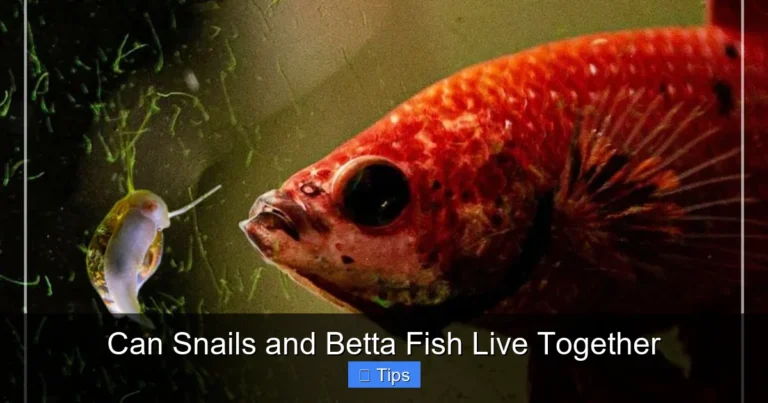
Do Betta Fish Get Along
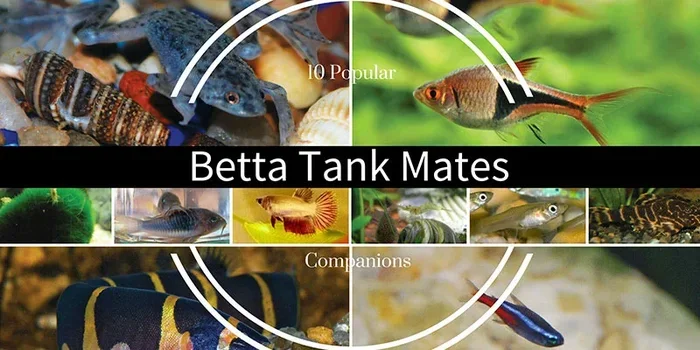
So, do betta fish get along? The answer depends on tank mates, tank setup, and your betta’s personality. Bettas can live peacefully with certain species like tetras, cory catfish, and snails, but they may fight with aggressive or flashy fish. This guide covers everything you need to know about choosing the right companions for your betta.
So, you have a beautiful betta fish and you are wondering whether it can live with other fish. Maybe you want to build a community tank and are looking for the perfect tank mates for your colorful friend. Either way, you have come to the right place.
The truth is, do betta fish get along with other species? The short answer is yes, but with some important caveats. Bettas are known for their vibrant fins and feisty personalities. Some are calm and social, while others are territorial and aggressive. Understanding your betta’s temperament is the first step toward creating a harmonious aquarium.
In this article, we will explore which fish species make good companions for bettas, which ones to avoid, and how to set up a tank that keeps everyone happy. Whether you are a beginner or a seasoned aquarist, this guide will help you make informed decisions about your betta’s aquarium setup.
Key Takeaways
- Betta personality matters: Some bettas are docile, while others are highly territorial and may not tolerate tank mates.
- Choose peaceful species: Tetras, cory catfish, snails, and shrimp make excellent companions for bettas.
- Tank size and setup are critical: A well-planted tank with hiding spots reduces aggression and stress.
- Avoid flashy or fin-nipping fish: Fish with bright colors or long fins can trigger betta aggression.
- Monitor behavior closely: Even compatible tank mates may need to be separated if conflicts arise.
- Gradual introductions work best: Introduce new fish slowly to give your betta time to adjust.
📑 Table of Contents
Understanding Betta Fish Temperament
Before adding any tank mates, you need to understand what makes your betta tick. Bettas are often called “Siamese fighting fish” for a reason. They are naturally territorial, especially males. In the wild, bettas claim small patches of shallow water and defend them fiercely.
But domesticated bettas have been bred for generations. This breeding has softened some of their wild instincts. Many pet bettas are surprisingly docile and enjoy the company of other fish. However, every betta has its own personality. Some are bullies, some are shy, and some are just curious explorers.
Signs of a Peaceful Betta
How do you know if your betta is the friendly type? Look for these signs:
- Your betta swims calmly around the tank without flaring at its own reflection.
- It eats eagerly and has a healthy appetite.
- It does not chase other fish or nip at their fins.
- It explores the tank without staying glued to one spot.
If your betta shows these behaviors, it is likely a good candidate for a community tank. A peaceful betta can coexist with several species, making your aquarium a lively and interesting place.
Signs of an Aggressive Betta
On the other hand, some bettas are not suitable for shared tanks. Watch for these warning signs:
- Constant flaring at other fish or reflections.
- Nipping or chasing tank mates.
- Refusing to eat when other fish are present.
- Staying hidden or displaying clamped fins.
If your betta shows aggression, it may be best to keep it alone. Forcing a territorial betta into a community tank can lead to stress, disease, and even death. Betta aggression is a real concern, and respecting your fish’s nature is the most important part of fishkeeping.
Best Tank Mates for Betta Fish
Now that you understand betta temperament, let us talk about the best companions. Not all fish are created equal when it comes to living with bettas. The ideal tank mate is peaceful, non-fin-nipping, and comfortable in similar water conditions.
Tetras
Tetras are one of the best choices for a betta community tank. They are small, peaceful, and stay in the middle and upper levels of the tank. Most tetras have dull coloring, which means they are less likely to trigger your betta’s territorial instincts.
Neon tetras and cardinal tetras are particularly popular choices. They add movement and color without bothering your betta. If you want to learn more about keeping bettas with tetras, check out our guide on do betta fish get along with tetras.
Here is why tetras work so well:
- They are peaceful and non-confrontational.
- They stay in schools, which keeps them busy and away from your betta.
- They thrive in the same warm water temperatures as bettas.
- They are small enough not to threaten your betta.
Cory Catfish
Cory catfish are bottom dwellers, which means they occupy a completely different area of the tank than your betta. This separation reduces the chance of conflict. Corys are gentle, social, and fun to watch as they scavenge the substrate for food.
If you are considering corys, we recommend reading our article on do betta fish get along with cory catfish. It covers tank size requirements and the best cory species for betta tanks.
Snails
Snails are perhaps the easiest tank mates for bettas. They mind their own business, clean up algae, and rarely bother your fish. Mystery snails and nerite snails are two of the most popular choices.
Most bettas ignore snails completely. Some may try to nibble at the snail’s antennae out of curiosity, but this rarely causes harm. If you want tips on keeping bettas and snails together, visit our page on do betta fish and snails get along.
Shrimp
Shrimp can also make good betta companions. Cherry shrimp and amano shrimp are small, peaceful, and help keep the tank clean. However, there is a catch. Some bettas may view shrimp as a snack. If your betta is well-fed and peaceful, the chances of it hunting shrimp are lower.
If you decide to add shrimp, start with a larger tank and provide plenty of hiding spots. Plants and caves give shrimp a safe place to retreat. Monitor your betta’s behavior closely during the first few weeks after introduction.
Other Peaceful Fish
Beyond tetras, corys, snails, and shrimp, several other fish species can coexist with bettas. Harlequin rasboras, kuhli loaches, and small plecos are all worth considering. Each brings something unique to the tank without creating conflict.
For a broader overview of compatible species, read our guide on do betta fish get along with other fish.
Fish to Avoid With Bettas
Just as important as knowing which fish work well is knowing which ones to avoid. Some species will cause stress, injury, or even death to your betta. Here are the fish you should never pair with a betta.
Fish with Bright Colors or Long Fins
Bettas are naturally drawn to bright colors and flowing fins. This is because they see them as rivals. Fish like guppies, angelfish, and male mollies have vibrant colors and long fins that can trigger your betta’s aggression.
Even if your betta seems calm at first, it may become aggressive over time as it perceives these fish as threats. Avoid the temptation to add colorful fish to your betta tank.
Fin-Nipping Species
Some fish are notorious fin-nippers. Tiger barbs, serpae tetras, and certain species of danios fall into this category. These fish will chase your betta and nip at its beautiful fins, causing stress and open wounds.
Fin damage can lead to infections and disease. A stressed betta is also more susceptible to illness. Keeping fin-nippers away from your betta is essential for its health and well-being.
Other Aggressive Fish
Any fish that is inherently aggressive should be avoided. Cichlids, goldfish, and large gouramis can bully or harm your betta. Even some algae eaters, like male plecos, can become territorial and attack your betta.
Always research a fish’s temperament before adding it to your tank. Compatibility is not just about species, it is about individual behavior and tank conditions.
How to Set Up a Community Tank for Your Betta
A successful community tank requires more than just picking the right fish. The tank environment plays a huge role in keeping the peace. A well-designed aquarium reduces stress and gives every fish its own space.
Tank Size Matters
The minimum tank size for a betta with tank mates is 20 gallons. A single betta can live in a 5-gallon tank, but adding companions requires more space. Larger tanks provide more territory and reduce the chance of confrontations.
Here is a quick reference for tank sizes:
- 5 gallons: Betta only.
- 10 gallons: Betta plus one or two small species.
- 20 gallons or more: Ideal for a small community of peaceful fish.
Plants and Decorations
Live plants are a game-changer for community tanks. They provide hiding spots, break lines of sight, and create a more natural environment. Bettas love plants with broad leaves where they can rest and feel secure.
Decorations like caves, driftwood, and rocks also help break up territory. When fish cannot see each other constantly, they are less likely to feel threatened. This simple setup adjustment can make a huge difference in tank harmony.
Water Parameters
Bettas thrive in warm water between 76 and 82 degrees Fahrenheit. Most peaceful community fish share this temperature range. However, you should always check the specific needs of any fish you plan to add.
Maintain a stable pH between 6.5 and 7.5, and keep ammonia and nitrite levels at zero. Regular water changes and a good filter are essential for a healthy community tank. Clean water reduces stress and prevents disease for all inhabitants.
How to Introduce New Fish to Your Betta
Even with the best planning, introductions can be tricky. How you add new fish to the tank matters just as much as which fish you choose. A rushed introduction can undo all your hard work.
Step-by-Step Introduction Process
- Quarantine new fish first. Keep them in a separate tank for at least two weeks to ensure they are healthy and disease-free.
- Rearrange the tank slightly. Move some decorations around before adding new fish. This disrupts established territories and gives your betta a fresh start.
- Add new fish first. Place the new fish in the tank before your betta. This prevents your betta from feeling like its territory is being invaded.
- Feed well before introducing. A well-fed betta is less likely to be aggressive toward newcomers.
- Observe closely for the first 48 hours. Watch for flaring, chasing, or hiding. If aggression occurs, be prepared to separate the fish.
What to Do If Things Go Wrong
Sometimes, even compatible fish do not get along. If your betta shows persistent aggression toward a tank mate, do not wait. Remove the aggressive fish immediately. Stress weakens the immune system and can lead to serious health problems.
Keep a backup tank or quarantine container ready at all times. Being prepared saves lives and prevents unnecessary suffering. Remember, the goal is a peaceful tank, and sometimes that means making tough decisions.
Common Mistakes When Choosing Betta Tank Mates
Even experienced fishkeepers make mistakes when selecting tank mates for their bettas. Here are the most common errors to avoid.
- Overcrowding the tank. Too many fish create stress and aggression. Follow the one inch of fish per gallon rule as a guideline.
- Ignoring water temperature. Cold-water fish like goldfish are completely incompatible with bettas.
- Assuming all bettas are the same. Every betta is different. What works for one betta may not work for another.
- Adding too many new fish at once. Introduce fish gradually to avoid overwhelming your betta.
- Skipping quarantine. New fish can carry diseases that spread quickly in a community tank.
Avoiding these mistakes will save you time, money, and heartache. A little planning goes a long way toward a thriving community aquarium.
Expert Insights on Betta Compatibility
We reached out to experienced aquarists and fish veterinarians for their advice on keeping bettas with other fish. Here is what they had to say.
Dr. Emily Chen, Aquatic Veterinarian: “The biggest mistake I see is people assuming all bettas are the same. A betta’s history, breeding, and individual temperament all play a role in its compatibility with tank mates. Always observe your fish before making assumptions.”
Jake Morrison, Experienced Aquarist: “I have kept bettas with tetras and corys for years with no issues. The key is a large enough tank with plenty of plants and hiding spots. When fish have their own space, conflicts are much less likely.”
Dr. Sarah Lin, Fish Behavior Specialist: “Betta aggression is often a sign of stress, not malice. If your betta is acting out, check the water parameters, tank size, and tank mates before assuming your fish is just mean.”
These expert insights reinforce what we have covered in this guide. A thoughtful approach to tank setup and fish selection makes all the difference.
Conclusion
So, do betta fish get along? The answer is yes, they can, but it requires careful planning and understanding of your betta’s personality. Choosing the right tank mates, setting up a proper tank environment, and introducing fish gradually are all essential steps toward a peaceful community aquarium.
Start with peaceful species like tetras, cory catfish, snails, and shrimp. Avoid aggressive, colorful, or fin-nipping fish. Provide plenty of space, plants, and hiding spots. Monitor your fish closely and be ready to make changes if needed.
With the right approach, your betta can enjoy the company of other fish and thrive in a lively, diverse aquarium. Take your time, do your research, and most importantly, enjoy the process. A well-planned community tank is one of the most rewarding experiences in fishkeeping.
Frequently Asked Questions
Can betta fish live with goldfish?
No, bettas and goldfish should never be kept together. Goldfish need cold water, while bettas thrive in warm water. Their temperature needs are completely incompatible, and goldfish can grow too large for a typical betta tank.
How many tank mates can a betta have?
This depends on tank size. In a 20-gallon tank, you can keep your betta with a small school of tetras and a few cory catfish. In smaller tanks, it is best to keep your betta alone to avoid overcrowding and stress.
Why is my betta chasing its tank mates?
Betta chasing usually stems from territorial behavior or stress. Your betta may see the other fish as a threat, especially if they have bright colors or long fins. Check your tank setup and consider removing the tank mate if the chasing continues.
Can bettas live with shrimp safely?
Yes, bettas can live with shrimp in most cases. Cherry shrimp and amano shrimp are good choices. However, some bettas may try to eat small shrimp. Providing plenty of hiding spots and keeping your betta well-fed reduces this risk.
Do female bettas get along better with tank mates than males?
Female bettas are generally less aggressive than males and tend to do better with tank mates. However, individual personality still plays a big role. Some female bettas can be just as territorial as males, so always observe your fish before adding companions.
What is the best tank size for a betta community?
A 20-gallon tank is the minimum recommended size for a betta community. It provides enough space for your betta and several peaceful tank mates. Larger tanks are even better because they reduce territorial disputes and make water maintenance easier.