Can You Put Male Bettas With Other Fish Without Any Problems
Can you put male bettas with other fish? The answer depends on tank size, temperament, and choosing compatible tank mates. This guide shows you how to create a harmonious community tank while keeping your betta healthy and stress-free.
Male bettas are famous for their vibrant colors and flowing fins, but they also have a reputation for being aggressive. Many hobbyists wonder, can you put male bettas with other fish without causing fights or stress. The truth is that a male betta can live peacefully with the right companions, provided you meet certain conditions. This article walks you through everything you need to know—from understanding betta behavior to selecting tank mates and maintaining a healthy community aquarium.
We’ll cover the key factors that influence compatibility, such as tank size, water parameters, and the temperament of both the betta and potential mates. You’ll also learn practical steps for introducing new fish, spotting signs of aggression, and creating a low‑stress environment. By the end, you’ll feel confident about building a tank where your male betta thrives alongside other species.
Key Takeaways
- Male bettas are territorial: They need plenty of space and hiding spots to reduce aggression toward tank mates.
- Tank size matters: A minimum of 20 gallons is recommended for a community setup with a male betta.
- Choose peaceful, non‑fin‑nipping species: Corydoras, neon tetras, and harlequin rasboras work well.
- Avoid fin‑nippers and similar‑looking fish: Tiger barbs, guppies, and other bettas can trigger aggression.
- Introduce tank mates slowly: Use a divider or acclimation box to monitor behavior before full release.
- Maintain stable water parameters: Keep temperature 78‑80°F, pH 6.5‑7.5, and perform weekly water changes.
- Observe and adjust: If aggression persists, be ready to separate the betta or rehome the problematic fish.
📑 Table of Contents
Understanding Male Betta Behavior
Before adding any tank mates, it’s essential to grasp why male bettas act the way they do. In the wild, male bettas defend a small territory to attract females and ward off rivals. This instinct remains strong in captivity, making them prone to flare‑ups when they perceive a threat.
Territorial Instincts
Male bettas will often flare their gills and display their fins when they see another fish that looks similar or invades their space. This behavior is normal, but it can become problematic if the tank is too small or if the other fish constantly provoke the betta.
Signs of Stress and Aggression
Watch for clamped fins, constant hiding, loss of appetite, or torn fins. These indicate that your betta feels threatened. Conversely, if the betta is actively chasing or nipping at tank mates, it’s a sign of aggression that may require intervention.
How Personality Varies
Not all male bettas are equally aggressive. Some individuals are more tolerant, especially if they have been raised in community settings from a young age. Observing your betta’s temperament before adding companions can save you a lot of trouble.
For more details on betta behavior, you might find this article helpful: Can You Put Other Fish With A Male Betta.
Choosing the Right Tank Size and Setup
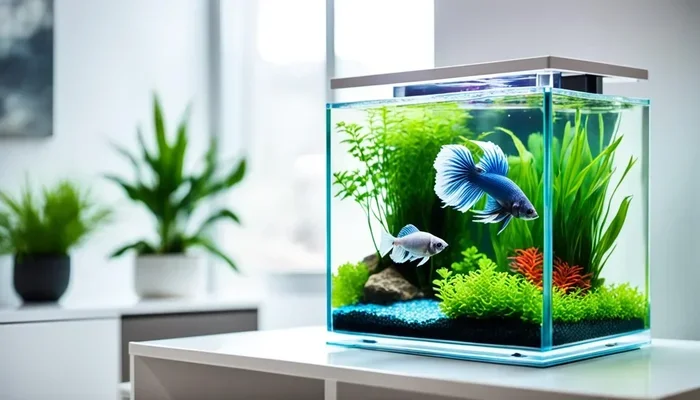
One of the most critical factors in answering can you put male bettas with other fish is the aquarium size. A cramped tank heightens territorial disputes, while a spacious layout gives each fish room to establish its own zone.
Minimum Tank Size Recommendations
For a single male betta, a 5‑gallon tank is the absolute minimum. However, when you plan to add tank mates, aim for at least 20 gallons. This extra volume dilutes aggression and provides ample swimming space.
Aquascaping for Peace
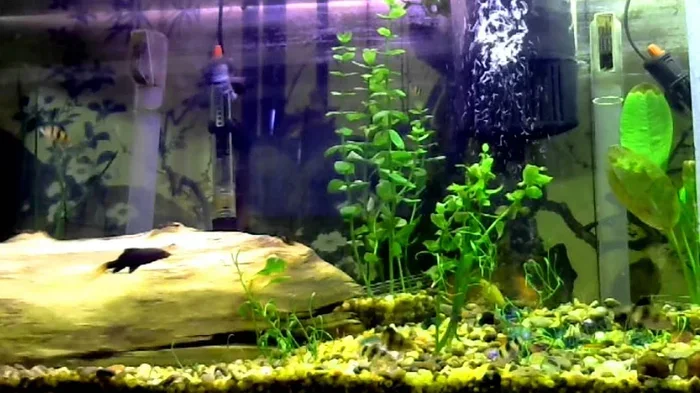
Plants, rocks, and driftwood create visual barriers that break lines of sight. When fish can’t constantly see each other, they are less likely to feel threatened. Use a mix of tall background plants (like Vallisneria) and mid‑ground foliage (such as Anubias or Java fern) to create hiding spots.
Water Flow and Filtration
Bettas prefer gentle water movement. Strong currents can stress them and make swimming difficult. Choose a filter with adjustable flow or add a sponge pre‑filter to soften the output. Ensure the tank is well‑cycled before introducing any fish.
Lighting and Temperature
Maintain a stable temperature between 78‑80°F (25‑27°C) using a reliable heater. Moderate lighting (8‑10 hours per day) supports plant growth without encouraging excessive algae, which can affect water quality.
Best Tank Mates for Male Bettas
Selecting compatible species is the heart of the question can you put male bettas with other fish. Ideal tank mates are peaceful, occupy different water levels, and do not resemble bettas in shape or coloration.
Bottom‑Dwelling Companions
- Corydoras catfish: These small, schooling fish stay near the substrate, scavenging for food. They are non‑aggressive and help keep the tank clean.
- Kuhli loaches: Eel‑like loaches that hide during the day and become active at night. Their slender shape avoids triggering the betta’s territorial response.
- Otocinclus catfish: Tiny algae eaters that cling to glass and plants. They stay out of the betta’s way and contribute to tank hygiene.
Mid‑Water Schooling Fish
- Neon tetras: Small, vibrant schooling fish that prefer the middle of the tank. Keep them in groups of six or more to reduce stress.
- Harlequin rasboras: Peaceful, hardy fish that swim in loose schools. Their orange‑black coloration contrasts nicely with bettas.
- Celestial pearl danios: Also known as galaxy rasboras, these tiny fish add sparkle without provoking aggression.
Surface Dwellers (Use Caution)
Some surface‑dwelling fish can work, but they must be fast and non‑fin‑nipping. Examples include:
- African dwarf frogs: Not fish, but they occupy the same water level and are generally ignored by bettas.
- White cloud mountain minnows: Hardy, active swimmers that stay near the top but are too small to be seen as rivals.
For a broader list of options, check out this guide: Can You Put Other Fish In With Bettas.
Fish to Avoid With Male Bettas
Knowing which species to steer clear of is just as important as picking the right ones. Certain fish are notorious for triggering betta aggression or suffering from it themselves.
Fin‑Nippers and Active Swimmers
- Tiger barbs: Known for nipping fins, they will quickly provoke a betta into a fight.
- Serpae tetras: Although small, they can be nippy, especially in smaller groups.
- Some guppy varieties: Male guppies with long, flowing tails may be mistaken for rival bettas.
Similar‑Looking Fish
Any fish with long, flowing fins or bright red/blue coloration can be seen as a competitor. Avoid other bettas (male or female), fancy guppies, and certain types of killifish.
Large or Aggressive Species
- Cichlids: Even dwarf cichlids can be territorial and may outcompete the betta for food.
- Large gouramis: Their size and similar body shape often lead to conflict.
- Angelfish: Though elegant, they can become aggressive as they mature and may view the betta as prey.
Bottom‑Dwellers with Spines
Some catfish, like certain synodontis species, have sharp spines that can injure a betta if a confrontation occurs. Stick to the softer‑spined Corydoras and Otocinclus mentioned earlier.
Step‑by‑Step Guide to Introducing Tank Mates
Even with the perfect species list, a rushed introduction can undo all your preparation. Follow these steps to maximize the chances of a smooth transition.
Step 1: Quarantine New Arrivals
Keep new fish in a separate quarantine tank for 2‑4 weeks. Observe them for signs of disease or parasites before exposing your betta to potential pathogens.
Step 2: Rearrange the Main Tank
Before adding the newcomers, change the layout of your betta’s tank. Move plants, rocks, and decorations to break existing territories. This reduces the betta’s sense of ownership over the entire space.
Step 3: Use a Divider or Acclimation Box
Place the new fish in a clear divider or a floating acclimation box inside the main tank. Allow them to see each other for several hours or a day while monitoring behavior. If the betta flares excessively, give it more time.
Step 4: Release During Low‑Activity Periods
Introduce the tank mates when the lights are dimmed or just after feeding. A distracted betta is less likely to focus on the newcomers.
Step 5: Observe Closely for 24‑48 Hours
Watch for chasing, fin nipping, or hiding. Minor chasing that stops after a few minutes is normal as they establish hierarchy. Persistent aggression means you may need to separate the fish.
Step 6: Provide Feeding Stations
Use floating pellets for the betta and sinking wafers or tablets for bottom dwellers. Separating feeding areas reduces competition and stress.
For more tips on introductions, see this resource: Can You Put Male Betta With Other Fish.
Maintaining a Peaceful Community Tank
Long‑term success depends on consistent care and observation. Even a well‑planned community can shift if water quality deteriorates or if a fish becomes ill.
Regular Water Testing
Test ammonia, nitrite, nitrate, pH, and hardness weekly. Aim for ammonia and nitrite at 0 ppm, nitrate below 20 ppm, and pH stable between 6.5‑7.5. Perform 20‑30% water changes every week to keep parameters steady.
Feeding Routine
Feed small amounts twice a day. Overfeeding leads to waste buildup and can cause bloating in bettas. Offer a varied diet: high‑quality betta pellets, occasional frozen or live foods (brine shrimp, daphnia), and algae wafers for bottom feeders.
Monitoring Behavior
Spend a few minutes each day watching the tank. Look for signs of stress such as clamped fins, excessive hiding, or torn fins. Early detection lets you intervene before a minor issue becomes a major problem.
Managing Plant Growth
Trim overgrown plants to maintain open swimming lanes and prevent dead spots where debris can accumulate. Healthy plants also help absorb nitrates, improving water quality.
When to Separate
If you notice persistent chasing, fin damage, or a betta that refuses to eat, it’s time to consider a backup plan. Having a separate tank or a divider ready allows you to isolate the aggressive party quickly.
By following these guidelines, you’ll find that the answer to can you put male bettas with other fish is a confident yes—provided you respect the betta’s nature and create a suitable environment.
Conclusion
Keeping a male betta in a community tank is entirely possible when you understand its territorial instincts, provide ample space, and choose the right companions. Remember that can you put male bettas with other fish isn’t just a yes‑or‑no question; it depends on tank size, setup, and ongoing care. Start with a minimum of 20 gallons, add plenty of hiding spots, and select peaceful, non‑fin‑nipping species like Corydoras, neon tetras, and harlequin rasboras.
Introduce new fish slowly, monitor behavior closely, and maintain pristine water conditions. With patience and attention to detail, your male betta can share its home with a variety of tank mates, creating a vibrant, dynamic aquarium that you’ll enjoy watching for years to come.
Apply the tips from this guide, and you’ll soon see that a male betta can thrive alongside other fish without constant fights or stress. Happy fishkeeping!
Frequently Asked Questions
Can I put a male betta with guppies?
It depends on the guppy variety. Male guppies with long, flowing tails may be mistaken for rival bettas and trigger aggression. If you choose short‑tailed, less colorful guppies and keep them in a spacious tank with plenty of hiding places, they can sometimes coexist, but close observation is essential.
How many tetras can I keep with a male betta?
A good rule is to keep at least six neon tetras or similar schooling fish. This ensures they feel secure and display natural schooling behavior, which reduces the chance of the betta singling out any individual.
Do male bettas need a heater in a community tank?
Yes. Bettas are tropical fish and require stable temperatures between 78‑80°F (25‑27°C). A reliable heater is essential, especially in a community setup where temperature fluctuations can stress all inhabitants.
Will a male betta eat shrimp in the tank?
Many bettas will view small shrimp, such as cherry or ghost shrimp, as food. Larger species like Amano shrimp have a better chance of survival, but there is still a risk. Provide plenty of cover and monitor closely.
How often should I test the water in a betta community tank?
Test the water at least once a week for ammonia, nitrite, nitrate, pH, and hardness. More frequent testing is recommended after adding new fish, changing feed, or if you notice any behavioral changes.
What should I do if my male betta starts chasing its tank mates?
First, check that the tank is large enough and that there are enough hiding spots. If chasing persists, consider using a temporary divider or moving the betta to a separate tank. Sometimes rearranging decorations can break lines of sight and reduce aggression.