Do Betta Fish Bite Fingers Understand Their Aggressive Nature
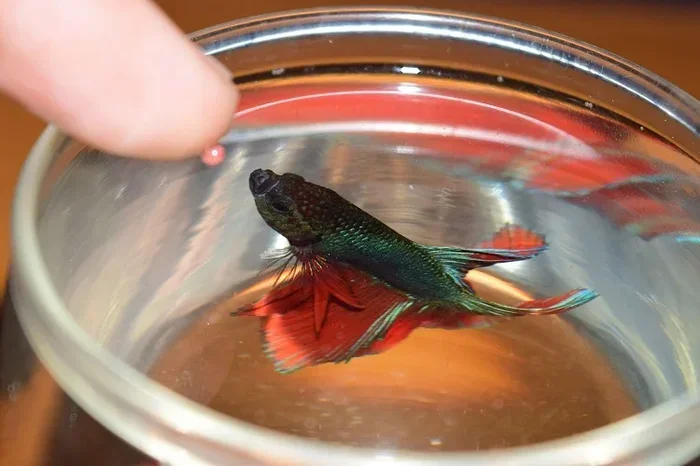
Yes, betta fish can bite fingers, but their tiny teeth rarely break human skin and usually feel like a light tickle or pinch. These aggressive displays stem from territorial instincts or mistaking digits for food rather than malice. Understanding this behavior helps you handle bettas safely and reduce stress for both you and your pet.
Opening Summary: Do betta fish bite fingers? Yes, but most are quick nips, not attacks meant to hurt you. A betta may test a finger because it smells like food, moves like prey, or reflects the fish. Some bettas are curious, while others show stress or territorial behavior. You can learn the cause by watching its fins, pace, and feeding routine. This guide explains why betta fish bite fingers, how to tell a harmless nip from a warning sign, and how to make tank visits calmer.
SEO Title: Do Betta Fish Bite Fingers? Understand Aggression
Meta Title: Do Betta Fish Bite Fingers? Causes, Tips, and Care
Meta Description: Do betta fish bite fingers? Learn why they nip, what a bite feels like, how to stop it, and when your betta may need extra care or a tank check.
URL Slug: /do-betta-fish-bite-fingers
Introduction: A betta may look gentle, yet it can be quick and bold. Your hand may seem like food, a rival, or a new object. A short nip does not always mean your fish is angry. It often means the fish needs a clearer routine.
Use the tips below to read body language, improve the tank, and stop the habit. You will also learn when a nip is safe and when a vet may be needed.
Key Takeaways
- Understand the cause: Bettas may bite from territorial stress, boredom, reflection, or mistaken movement.
- Never hand-feed: Use feeding tongs so your betta stops linking fingers with food.
- Give space: Avoid tapping glass, sudden movements, and reaching into established territory.
- Enrich the tank: Add plants, hides, and safe toys to reduce stress and boredom.
- Check tank mates: Separate aggressive fish or fin-nippers that may trigger defensive biting.
- Handle gently: If bitten, stay calm, rinse the wound, and monitor for infection.
📑 Table of Contents
1. Do Betta Fish Bite Fingers?
Yes. Bettas use their mouths to test objects. A fish may tap a finger, then pull back. This is often a betta fish finger nip, not a serious attack.
What a normal nip looks like
It usually lasts one or two seconds. The fish may follow your hand, open its mouth, and give a light tap. Then it may swim away or return to its hide.
- It does not keep biting.
- It does not chase your hand around the tank.
- It shows no signs of injury.
- It acts normal after the nip.
When a nip may be a warning
A more serious bite may come with flaring gills, raised fins, rapid swimming, or repeated attacks. Your fish may be stressed, hungry, or defending a spot. It may also be reacting to a tank mate.
- It attacks the same spot each time.
- It follows your hand for minutes.
- It bites after you add new decor.
- It nips other fish or hides most of the day.
If you want to know how hard a bite can be, read do betta fish bite hard. Most finger nips do not break skin, but a deeper bite can happen if the fish is stressed or if your finger has food residue.
2. Why Do Betta Fish Bite Fingers?
Betta fish aggression can come from many causes. The best clue is timing. Ask yourself what happened just before the nip.
Food is the first clue
Bettas learn fast. If you feed near the surface, your moving hand can become part of the routine. A fish may assume a finger means food. This is a betta fish feeding response, not always aggression.
- It bites when you near the food area.
- It follows your hand after feeding time.
- It taps your finger before food is added.
- It becomes calm when you use tongs.
Movement, reflections, and curiosity
Bettas are curious fish. A slow hand may look like a bug, a worm, or a rival. A mirror-like window or TV screen can make the problem worse. Your fish may see its own reflection and act as if another betta is nearby.
This is why betta fish reflection behavior matters. A fish that nips only when you pass the tank may be reacting to a reflection, not you.
Territory and tank mates
Bettas can defend a hiding place, plant, or corner. They may also show betta fish territorial behavior toward other fish. If your betta nips tank mates, it may need more space or a separate tank.
Before assuming your betta is hostile, compare this with do betta fish bite each other. Fish-to-fish nipping can look similar to finger nipping, but the cause is often different.
Stress can look like biting
A stressed betta may nip more often. Poor water, a cold tank, loud noise, or too much handling can all raise stress. Watch for betta fish stress signs such as:
- Clamped fins
- Hiding all day
- Loss of color
- Fast breathing
- Refusing food
- Chasing its own reflection
3. What a Betta Bite Feels Like
A normal betta nip often feels like a quick tickle or light pinch. It may feel surprising, but it should not feel like a deep cut. Bettas have small mouths, and their bite is usually not strong enough to break skin.
| Sign | What it may mean | What to do |
|---|---|---|
| One quick tap | Curiosity or food cue | Move your hand slowly and pause. |
| Repeated tapping | Feeding habit or interest | Use tongs and feed away from your hand. |
| Flaring and chasing | Stress or territory | Check the tank and reduce triggers. |
| Skin breaks | Unusual bite or residue | Wash the area and watch for infection. |
| Nips other fish | Aggression | Separate the fish if needed. |
When to treat it as a bite wound
If your skin breaks, wash it with clean water and mild soap. Do not keep poking the fish to “test” the bite. Watch for redness, swelling, or pain. If symptoms worsen, speak with an aquatic vet.
A betta fish bite wound is uncommon, but it can happen. The bigger concern is usually stress, poor water, or a fight with another fish.
4. How to Stop Bettas From Biting Fingers
You can often stop finger nipping by changing your routine. Do not punish the fish. Punishment adds stress and can make the behavior worse.
Quick Tips for Calmer Tank Visits
- Wash your hands before touching the tank.
- Use unscented soap, since scent can attract a betta.
- Pause near the tank before placing a hand inside.
- Move your hand slowly, like a slow fish.
- Use feeding tongs when the fish is excited.
- Stop the visit if the fish flares or chases.
Separate feeding from your hand
If your betta expects food when it sees your finger, break the link. Feed with a spoon, tongs, or a small cup. Do not offer food from your finger.
Try this simple plan:
- Feed at the same time each day.
- Use a tool instead of a finger.
- Remove leftover food after a few minutes.
- Do not reach in right after feeding.
Give the fish a safer routine
Bettas need enrichment, but not chaos. Add plants, caves, and places to rest. A calm tank gives the fish something better to do than guard every hand that enters.
- Use soft plants or fake plants with smooth edges.
- Provide a broad leaf or betta hammock.
- Avoid sharp plastic decor.
- Keep the tank routine steady.
- Limit sudden noise and tapping.
Common Mistakes to Avoid
- Tapping the glass to get attention.
- Chasing the fish with a net.
- Offering food from your finger.
- Adding a new tank mate right after a nip.
- Cleaning items with soap or harsh chemical.
- Assuming every nip means the fish is mean.
Expert Insight: Watch the Whole Pattern
One nip means little. A pattern matters. If the fish nips only during feeding, change the feeding method. If it nips at reflections, reduce the reflection. If it nips every fish, think about betta fish aggression and tank setup.
5. Safe Tank Care and Social Setup
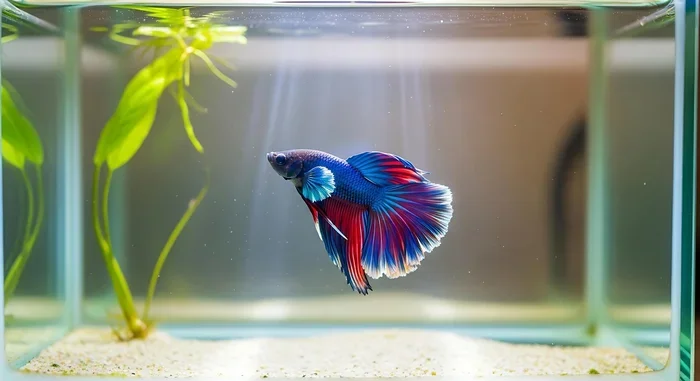
A healthy tank lowers stress. When water is stable and the fish feels safe, it has less reason to nip. This is a key part of betta fish tank setup.
Keep water stable
Bettas do well in warm, clean water. Test the water often, especially in a new tank. Keep ammonia and nitrite at zero. A gentle filter helps, but the flow should not be too strong.
- Maintain a steady temperature near 78 to 80 degrees F.
- Do partial water changes each week.
- Use a dechlorinator for tap water.
- Clean filter parts with tank water, not soap.
- Avoid moving the fish to a new tank too soon.
Think before adding tank mates
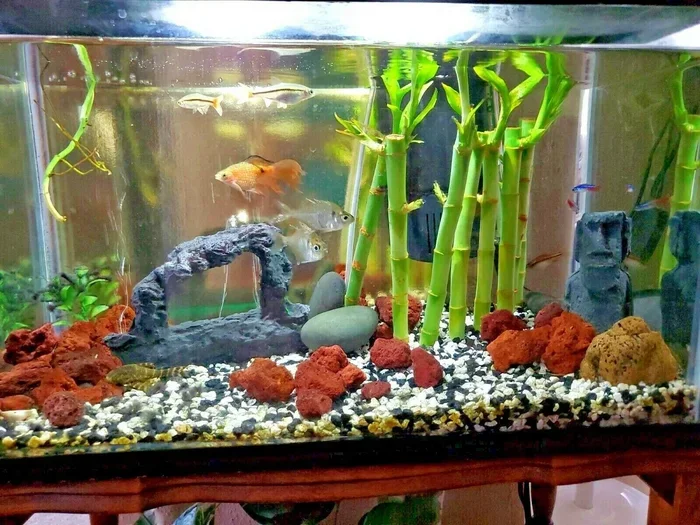
Not every betta can live with other fish. Some are peaceful. Others chase, nip, or guard every inch of the tank. If your betta attacks tank mates, a separate tank may be the safest choice. This guide to do betta fish have to be kept alone explains when solitary care is best.
Do not add a new fish just to “keep it company.” Bettas do not need a buddy, and a poor tank mate can cause injury.
Reduce mirrors and busy decor
Reflections can make a betta act aggressive. Cover one side of the tank with a light-colored paper or privacy film. Move the tank away from a window, mirror, or bright TV if needed.
Also check the decor. A narrow cave, sharp rock, or busy corner can become a defended spot. Give the betta a clear path and several hiding places. This helps the fish feel secure without making it guard your hand.
6. When to Worry, What to Do, and Key Takeaways
Most finger nips are not an emergency. Still, do not ignore a pattern. A fish that is injured, stressed, or fighting others needs action.
Separate the fish when needed
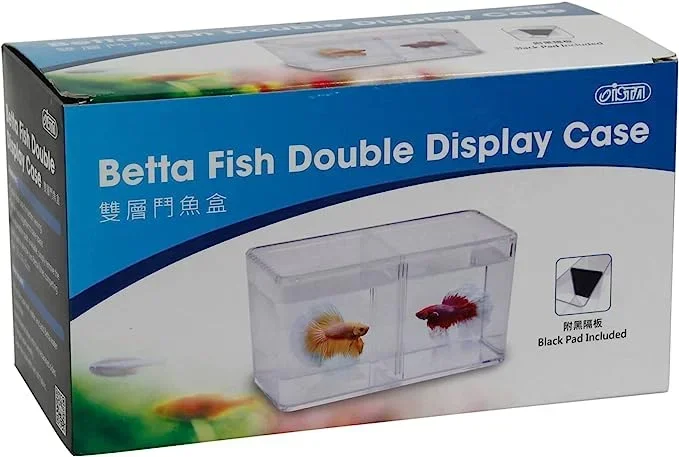
If your betta attacks other fish, separate it. A divider may help for a short time, but it can also keep the fish alert and stressed. A proper separate tank is often better.
If the betta only nips your finger, start with routine changes. Wash your hands, use tongs, slow your movement, and remove reflections. Give it one or two weeks to adjust.
Get help for injury or illness
Call an aquatic vet if your betta has a serious wound, will not eat, hides all day, or shows rapid breathing. Also seek help if fins are torn, the body is swollen, or white spots appear. These signs may point to injury, infection, or poor water.
Key takeaways
- Most betta finger nips are quick and harmless.
- Food, curiosity, reflections, and stress are common causes.
- Watch the fins, pace, and timing before judging the fish.
- Use tongs and slow movements to break the habit.
- Keep water clean and the tank calm.
- Separate the betta if it harms other fish.
Conclusion
In the end, do betta fish bite fingers? They can, but a nip is often a cue, not a character flaw. Watch the pattern, improve the routine, and keep your hands calm. That is the best way to understand betta fish aggression and keep both of you safe.
Frequently Asked Questions
User Safety: safe