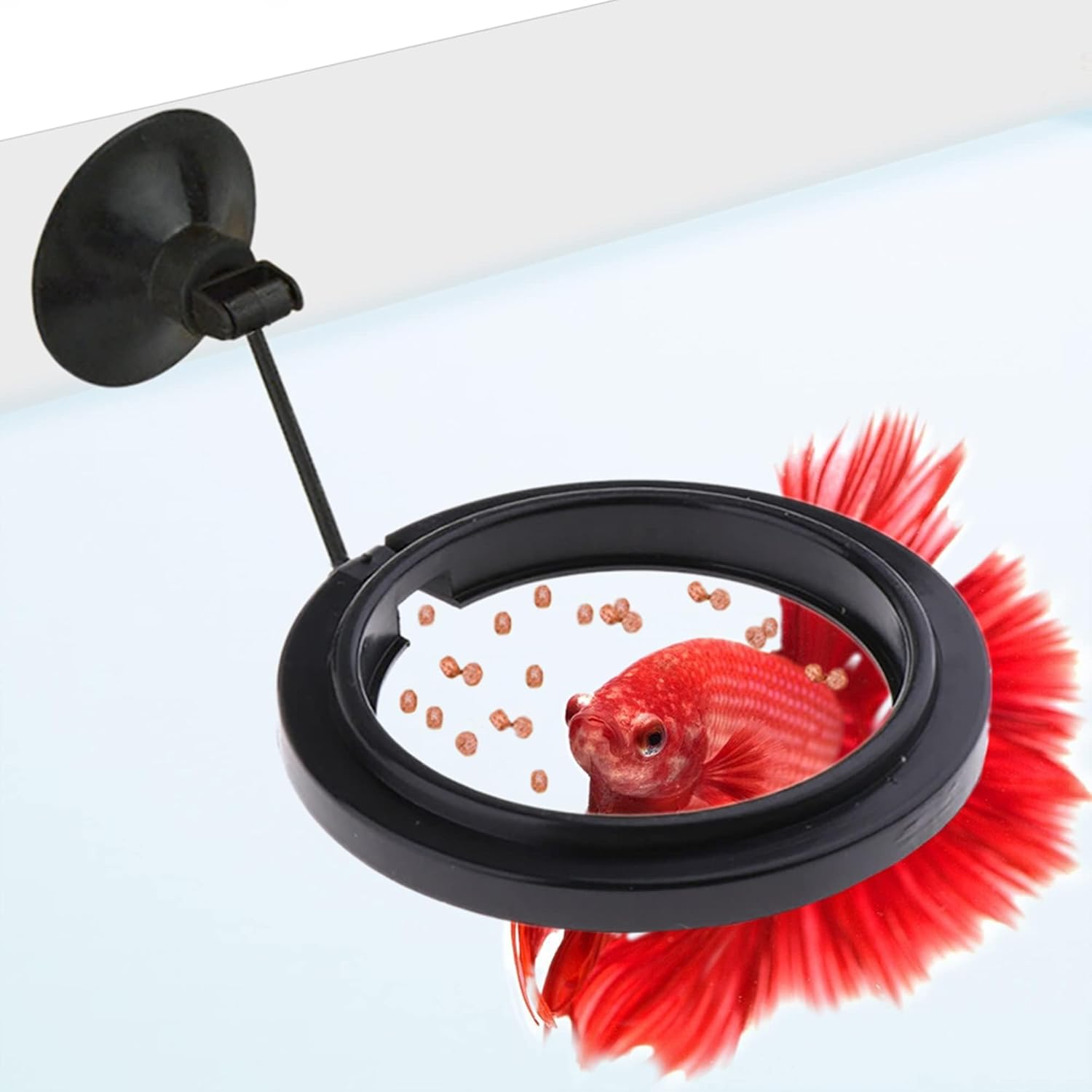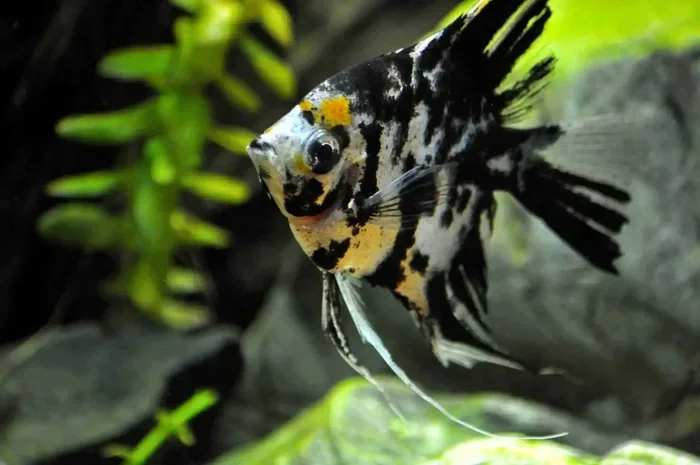
Can You Put Betta Fish with Angelfish Together Safely Guide
Mixing Betta fish and angelfish requires careful planning. This guide covers everything you need to know before adding these popular aquarium pets together. You’ll learn about their social personalities, essential water parameters, and how to prevent stress. With practical tips and warnings, you can create a safe habitat where both fish thrive happily side by side.
Putting together a tropical aquarium with Betta fish and angelfish sounds exciting, but it’s not always straightforward. These two stunning fish come from different families and have distinct personalities. A betta is known for its confidence and occasional aggression, especially towards smaller companions. On the other hand, angelfish are generally peaceful but can become bossy if the tank isn’t managed well. If you dive into this guide, you’ll understand whether these pairs can coexist harmoniously or if some separation is necessary for everyone’s well‑being.
This article breaks down every factor that influences compatibility. We’ll look at their temperaments, discuss water chemistry details, explore tank sizing, and highlight common pitfalls. By the end, you’ll feel confident making an informed decision about housing your favorite aquatic friends together.
## Understanding Betta Fish & Angelfish Compatibility
Before adding any fish to a community tank, it’s essential to examine their social nature. Betta fish are solitary hunters that establish territories and can display bold color displays. Males often turn aggressive when threatened, which means they require space and minimal competition. In contrast, angelfish tend to be more social and curious, though they can become dominant if one individual outnumbers the others. Their combined energy levels might clash if not properly managed.
| Factor | Betta Fish | Angelfish |
|——–|————|———–|
| Temperament | Confident, sometimes aggressive | Peaceful but assertive |
| Space Needs | Moderate, prefers territory | Medium, enjoys open areas |
| Social Style | Solitary, territorial | Social, group-oriented |
Understanding these differences helps you anticipate potential conflicts. For example, a betta may view an angelfish as a rival rather than a companion. Conversely, an overly crowded tank can drive both species into stress, leading to fin nipping or hidden bodies. The key is to mimic their natural habitats as closely as possible and ensure each has room to breathe.
If you’re considering a mixed tank, start by researching the specific breed of each species. Some angelfish varieties are calmer than others, while certain betta lineages show higher aggression. This research forms the foundation for a successful co‑habitation plan.
## Water Parameters and Environment
Water quality is the backbone of any aquarium, and two incompatible sets of preferences create friction. Both Betta fish and angelfish thrive in warm, slightly acidic to neutral waters, but exact ranges vary. Betta fish prefer a pH between 7.0 and 8.0 with temperatures around 74°F to 78°F. Angelfish also love similar water conditions, typically staying comfortable at 72°F to 82°F with a pH of 6.5 to 8.0.
When setting up your tank, aim for overlapping parameters whenever possible. Here’s a quick checklist to align your water:
– Temperature: Keep the aquarium between 75°F–80°F for optimal comfort.
– pH Level: Maintain a stable range of 7.0–8.0.
– Hardness: Soft to medium water works best for both species.
– Ammonia/Nitrite: Zero levels are non‑negotiable for healthy fish.
It’s worth noting that feeding schedules affect water chemistry too. Overfeeding either fish adds waste that degrades water quality. Stick to portion control and remove uneaten food promptly. Regular water changes—about 10–20% weekly—will help prevent buildup of harmful compounds.
A helpful resource for refining your approach is the broader guide on compatible fish combinations found here: Can You Put Other Types Of Fish With A Betta. This article expands on how to balance multiple species, giving you extra perspective before finalizing your setup.
## Tank Size and Setup Considerations
Not all tanks are created equal when hosting Betta fish alongside angelfish. While a single betta thrives in a small bowl, they really need a minimum of 5 gallons to stay healthy. Adding an angelfish increases the requirement somewhat because both species benefit from moderate spaces to swim freely.
Here’s a basic sizing recommendation:
– Minimum Volume: 5–10 gallons total for a beginner setup.
– Tank Shape: Longer or wider tanks provide more horizontal swimming space, reducing stress.
– Decorations: Place live plants or artificial caves to give each fish a hiding spot. Bettas prefer vertical structures like rocks, while angelfish enjoy floating plants that create shade.
Linking back to general fish compatibility guides, you’ll see that proper tank design is a cornerstone of any successful community. If you follow these dimensions, your fish will have room to exhibit natural behaviors without feeling cramped.
In fact, many hobbyists recommend starting with a larger tank—10 gallons or more—for established species like bettas and angelfish. This gives you flexibility during future expansions and ensures enough water volume for biological filtration.
## Risks and Challenges When Mixing Species
Even with careful planning, challenges can arise. The biggest red flag is unchecked aggression. Betta males are notorious for chasing and biting smaller, slower swimmers. If an angelfish doesn’t get enough attention, it may trigger territorial responses. Watch for subtle signs such as constant tail dragging, fin clamping, or sudden disappearance from the tank surface.
Another risk involves disease transmission. Since both species are prone to bacterial infections, sharing a tank without strict hygiene can spread illness rapidly. Quarantining new arrivals for at least two weeks is a wise practice before introducing them to the main community.
Finally, nutritional imbalances can occur. Feeding one species exclusively can starve the other. Always maintain balanced diets tailored to each fish’s needs. Commercial flakes or pellets formulated for intermediate fish often serve both betta and angelfish reasonably well, but monitor portions closely.
If you notice persistent stress, rapid respiration, or unusual coloration, consider separating the pair temporarily. Early intervention saves both fish and preserves harmony in your home aquarium.
## Best Practices for Successful Co‑Habitation
If you decide to proceed with a mixed tank, implement these proven strategies to minimize conflict and maximize enjoyment.
### Gradual Introduction
Never drop two wildly different temperaments together at once. Start by placing each fish separately in the same sized tank for a few days. Observe their interactions without interference until they seem calm. Then slowly introduce them, keeping the process gentle.
### Monitor Daily
Check your fish’s activity level twice daily. Healthy Betta fish and angelfish should show active swimming and vibrant colors. Hidden bodies, lethargic behavior, or loss of appetite signal distress. Prompt attention to these warning signs leads to faster recovery.
### Provide Adequate Hiding Spots
Both species appreciate concealment. Offer a variety of decorations—coral, driftwood, and specialized hideouts—so each fish can retreat when feeling threatened. This reduces dominance disputes and makes the environment feel safer.
### Feed Appropriately
Divide the feed evenly between meals. One small serving per fish per day suffices unless growth rates are fast. Overfeeding accelerates water degradation and fuels opportunistic diseases.
### Plan for Future Changes
Remember that aquariums evolve. As your fish grow, their energy levels and dietary needs shift. Be prepared to adjust tank layout, filter capacity, or even split the population if needed.
By following these practices, you create a supportive ecosystem where both Betta fish and angelfish can flourish together.
## Final Thoughts
Bringing Betta fish and angelfish into the same aquarium is entirely feasible when done thoughtfully. By respecting their temperaments, matching water parameters, and designing a spacious, stress‑free environment, you set the stage for a beautiful display. Remember that patience is key—observing your fish closely after setup will reveal whether they adapt well. With the right preparation, your tropical paradise can host both companions in perfect harmony. Happy fishkeeping!
—
– Species compatibility depends on temperament and environment.
– Matching water conditions is crucial for success.
– Proper tank setup reduces aggression and stress.
– Monitoring health prevents long‑term problems.
– Separate tanks are always an option for beginners.
– Angelfish prefer specific water parameters that may differ.
– Regular maintenance keeps your mixed tank healthy.
Frequently Asked Questions
Can betta fish and angelfish live together peacefully?
Whether bettas and angelfish can coexist peacefully depends on several factors, including their temperaments and tank conditions. Betta fish are territorial and can be aggressive, while angelfish are generally social but may become bossy if dominant. A properly sized tank with ample hiding spots and consistent water parameters greatly improves chances of harmony.
What are the main risks of keeping betta fish and angelfish together?
The primary risk is aggression from the betta, which may target the angelfish as a competitor. Without adequate space and social structure, this tension can lead to stress, fin damage, or even injury. Poor water quality from undue waste accumulation is another danger that affects both species equally.
How do I prepare my tank for a mixed betta and angelfish setup?
Start by selecting a tank that meets minimum size requirements—ideally 5–10 gallons—and install a reliable filtration system. Set the water temperature to around 76°F and aim for a pH between 7.0 and 8.0. Add live plants or artificial decor for hiding places, and perform regular water changes to maintain crystal‑clear water.
Are there specific angelfish breeds better suited for mixed tanks?
Yes. Calm varieties such as the pearl or cory angelfish tend to get along better with bettas than the more aggressive trumpets or flags. Researching the temperament of your chosen angelfish subspecies before purchase helps avoid undesirable interactions.
What should I watch for if my betta and angelfish aren’t getting along?
Signs of incompatibility include constant chasing, fin nibbling, hiding for extended periods, and reduced appetite. If you see these behaviors, separate the fish temporarily and reintroduce them gradually once the situation stabilizes.
How often should I test water quality for a mixed tank?
Perform a partial water change and test the aquarium weekly using a reliable liquid test kit. Check ammonia, nitrite, and nitrate levels, as well as pH and temperature. Immediate corrections based on test results help prevent long‑term health issues.