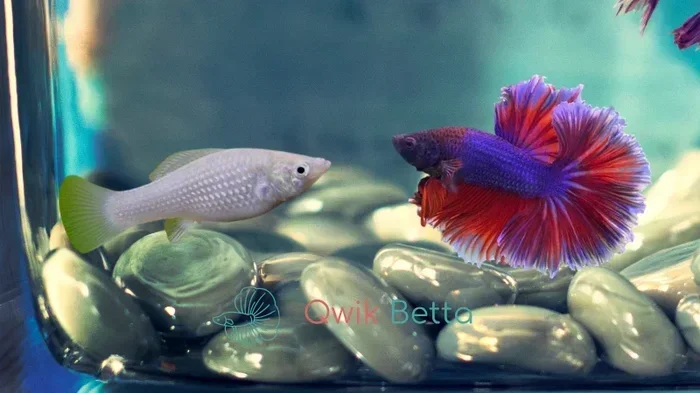
Do Betta Fish Eat Tetras
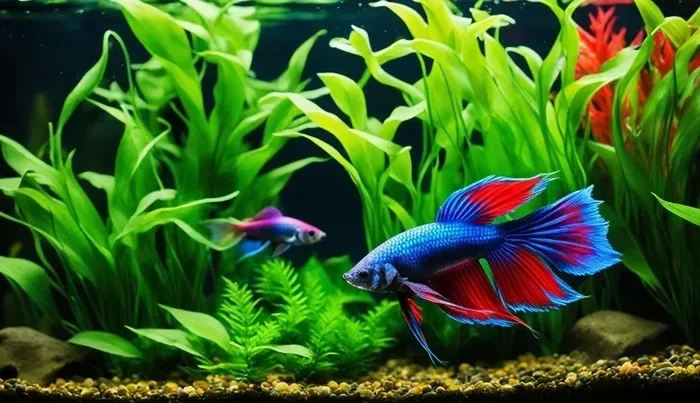
So, do betta fish eat tetras? The short answer is yes, sometimes — especially if the tetras are small or the betta is aggressive. Not all bettas will hunt tetras, but the risk is real. Knowing which tetra species are safe, how to set up the tank, and how to read your betta’s behavior can make all the difference.
You just set up a beautiful community tank. You added some colorful tetras swimming around. Then you introduced your betta. Within hours, things went sideways. Your betta is chasing the tetras, nipping at their fins, or worse — actually trying to eat them. If you have ever asked yourself, do betta fish eat tetras, you are not alone. This is one of the most common questions new aquarium owners face.
The truth is, betta fish and tetras can live together. But it is not always smooth sailing. Bettas are carnivorous predators by nature. They have sharp little teeth and a strong hunting instinct. Tetras, on the other hand, are small, fast, and often look like moving snacks. Whether your betta will eat tetras depends on several factors. Let us break it all down so you can keep your fish safe and happy.
Key Takeaways
- Betta fish can eat tetras: Bettas are carnivorous and may view small tetras as food, especially neon tetras and ember tetras.
- Not all bettas are the same: Some bettas are peaceful and coexist fine with tetras, while others are highly aggressive hunters.
- Choose the right tetra species: Larger, faster tetras like serpae tetras or rummy nose tetras are safer choices than tiny neon tetras.
- Tank setup matters a lot: Plenty of plants, hiding spots, and enough space reduce aggression and chasing.
- Monitor behavior closely: Watch for fin nipping, chasing, and stress signs in both your betta and tetras.
- Feed your betta well: A well-fed betta is less likely to hunt tank mates, including tetras.
- Separate if needed: If aggression continues, removing either the betta or the tetras is the safest option.
📑 Table of Contents
Why Do Betta Fish Eat Tetras?
Understanding betta fish behavior is the first step to solving this problem. Bettas are not just pretty fish with flowing fins. They are hunters. In the wild, bettas eat insects, larvae, and small creatures. Their instinct to chase and eat small moving things is deeply wired into their DNA.
When a betta sees a tetra darting around the tank, that natural hunting drive kicks in. The tetra looks like food. Even if your betta is well fed, the instinct does not go away completely. Some bettas are more aggressive than others. A betta temperament can vary a lot from fish to fish. One betta might ignore tetras completely, while another attacks them on sight.
Here are the main reasons a betta might eat or chase tetras:
- Hunting instinct: Bettas naturally stalk and eat small, fast-moving creatures.
- Hunger: An underfed betta is much more likely to hunt tank mates.
- Territorial behavior: Bettas defend their space and see other fish as intruders.
- Boredom: A betta with nothing to do may become aggressive toward tank mates.
- Small tetras: Tiny tetras look like easy prey, especially neon tetras.
If you are worried about your betta eating tetras, you are right to be cautious. This is not just a hypothetical risk. It happens in home aquariums all the time. The good news is that there are clear steps you can take to prevent it. More on that below.
Which Tetras Are Safe With Bettas?
Not all tetras are created equal when it comes to living with bettas. Some tetras are too small and slow. Others are large, fast, and tough enough to hold their own. Choosing the right tetra species is critical for a peaceful community tank.
Neon Tetras and Bettas
Neon tetras are one of the most popular fish in the aquarium hobby. They are small, colorful, and affordable. But here is the problem. Neon tetras are tiny, usually about one inch long. They are slow swimmers compared to bettas. A hungry or curious betta can easily catch and eat a neon tetra. Do betta fish eat neon tetras? Unfortunately, yes, very often. Many fish keepers have reported losing neon tetras to their bettas.
If you want to keep neon tetras with a betta, you need a large tank with plenty of hiding spots. You also need to feed your betta well so it is not tempted to hunt. Even then, there is no guarantee. It is a risk.
Cardinal Tetras and Bettas
Cardinal tetras are slightly larger than neon tetras. They grow up to two inches long. Their size makes them a bit harder for a betta to swallow. Cardinal tetras are also faster swimmers. This gives them a better chance of avoiding a betta’s attacks. Still, they are not completely safe. A determined betta can still catch and eat cardinal tetras, especially if they are young and small.
Serpae Tetras and Bettas
Serpae tetras are a much better choice for a betta tank. They grow to about two inches and are known for being active and hardy. Serpae tetras swim in tight schools, which makes them harder for a betta to single out. Their speed and schooling behavior give them an advantage. Many fish keepers have had success keeping serpae tetras with bettas.
You can read more about bettas getting along with tetras in our guide on do betta fish get along with tetras.
Rummy Nose Tetras and Bettas
Rummy nose tetras are another solid option. They are peaceful, fast, and grow to about two inches. Their bright red nose makes them easy to spot, but their speed helps them escape betta attacks. Rummy nose tetras also stay in tight schools near the middle of the tank, which reduces encounters with a betta that tends to stay near the top.
How to Keep Bettas and Tetras Together Safely
If you want to try keeping bettas and tetras in the same tank, preparation is everything. You cannot just throw them together and hope for the best. A thoughtful setup reduces the risk of fighting, chasing, and death.
Tank Size Matters
A small tank makes aggression worse. When fish have limited space, they bump into each other more often. A betta in a tiny tank feels trapped and stressed. That stress often comes out as aggression toward other fish. For a betta and tetras, aim for at least a 20-gallon tank. This gives everyone room to swim and escape. A larger tank is even better.
Add Plenty of Plants and Hiding Spots
Live plants are your best friend in a community tank. They break up lines of sight and give tetras places to hide. Java moss, amazon sword plants, and floating plants all work well. The more hiding spots you have, the safer your tetras will feel. Aquarium plants also help reduce stress for the betta by giving it territory to claim without feeling threatened.
Feed Your Betta Properly
A well-fed betta is a less hungry betta. Feed your betta high-quality food twice a day. Include betta pellets, frozen bloodworms, and occasional treats. If your betta is full, it is less likely to chase and eat tetras. Do not overfeed, though. Uneaten food fouls the water and creates other problems.
Introduce Fish in the Right Order
The order in which you add fish to the tank matters. Add the tetras first. Let them establish their territory and school. Then add the betta last. This way, the tetras are not the newcomers being chased. It also helps if the betta sees the tetras already living in the tank and accepts them as part of the environment.
For more tips on betta tank setups, check out our article on do betta fish get along with neon tetras.
Monitor Behavior Every Day
Watch your fish closely, especially during the first few weeks. Look for signs of aggression from the betta. Is it chasing tetras constantly? Is it nipping at their fins? Are the tetras staying hidden all the time? These are red flags. If you see serious aggression, you need to act fast. Remove the betta or the tetras before anyone gets hurt.
What Happens If a Betta Eats a Tetra?
So what actually happens when a betta catches and eats a tetra? The answer depends on the size of the tetra and the size of the betta. A betta can easily swallow a small neon tetra whole. Larger tetras might be too big, and the betta will nip at them instead.
If your betta does eat a tetra, do not panic. It is a natural behavior. Bettas eat small fish in the wild. However, if this happens repeatedly, it means your tank setup is not working. You need to reassess your choices. Either the tetras are too small, the tank is too small, or the betta is simply too aggressive to live with other fish.
Eating other fish also raises water quality concerns. Dead or partially eaten fish can pollute the water quickly. This leads to ammonia spikes, which are dangerous for all fish in the tank. Remove any uneaten food or dead fish immediately.
Some fish keepers wonder if bettas eat other types of food too. If you are curious, check out our guide on do betta fish eat other for a full breakdown of what bettas consume.
Common Mistakes When Keeping Bettas and Tetras Together
Even experienced fish keepers make mistakes. Here are the most common ones when mixing bettas and tetras:
- Using a tank that is too small: A 5-gallon tank is fine for a betta alone. It is not enough for a betta and tetras. Overcrowding leads to stress and aggression.
- Choosing tiny tetra species: Neon tetras and ember tetras are too small for most bettas. They look like food, not friends.
- Adding too many tetras: A large group of tetras can overwhelm a betta. Start with a small school of 4 to 6 tetras and watch how the betta reacts.
- Ignoring warning signs: Chasing, fin nipping, and hiding are signs something is wrong. Do not wait until a fish is dead to take action.
- Not feeding the betta enough: A hungry betta is an aggressive betta. Make sure your betta gets enough food every day.
Avoiding these mistakes gives your fish the best chance at a peaceful life together. If you want to learn more about what bettas eat and how it affects their behavior, read our article on do betta fish eat smaller fish.
Expert Tips for a Peaceful Community Tank
Setting up a tank with bettas and tetras is an art as much as it is a science. Here are some expert tips that make a real difference:
- Use a divider at first: A clear divider lets the betta and tetras see each other without physical contact. This helps them get used to each other slowly.
- Add dither fish: A few fast, peaceful fish can distract the betta and reduce its focus on the tetras.
- Keep the water clean: Clean water reduces stress for all fish. Test your water parameters regularly and do partial water changes weekly.
- Observe feeding time: Feeding time is when aggression peaks. Spread food across the tank so tetras can eat without competing with the betta.
- Be ready to separate: Always have a backup plan. A spare tank or breeder box can save a fish’s life if things go wrong.
Remember, every fish has its own personality. Some bettas are calm and curious. Others are territorial and aggressive. There is no one-size-fits-all answer to whether bettas and tetras can live together. Your job is to watch, learn, and adjust.
Final Thoughts
So, do betta fish eat tetras? The honest answer is yes, they can and sometimes they do. But that does not mean you should give up on keeping them together. With the right tank size, the right tetra species, proper feeding, and close monitoring, bettas and tetras can coexist peacefully. The key is to be prepared and stay observant. Your fish depend on you to make smart choices for their home. Take the time to set things up right, and you will be rewarded with a beautiful, lively community tank.
If you want to explore more about betta behavior and tank mates, check out our guide on do betta fish kill and eat other fish for deeper insights into betta aggression and what you can do about it.
Frequently Asked Questions
Can betta fish and tetras live in the same tank?
Yes, betta fish and tetras can live together, but it requires careful planning. Choose larger tetra species, provide plenty of hiding spots, and monitor their behavior closely. Not all bettas will be peaceful with tetras, so be prepared to separate them if needed.
Which tetras are the safest to keep with bettas?
Serpae tetras, rummy nose tetras, and emperor tetras are among the safest choices. They are larger, faster, and more resilient than smaller tetras like neon tetras. Their speed and schooling behavior help them avoid betta attacks.
How can I stop my betta from chasing tetras?
Feed your betta well to reduce its hunting drive. Add plenty of plants and decorations to break up lines of sight. Increase the tank size to give fish more space. If chasing continues, consider separating the fish permanently.
Will a betta eat a neon tetra?
Yes, bettas can and do eat neon tetras. Neon tetras are very small and slow, making them easy targets for a betta’s hunting instinct. If you want to keep neon tetras with a betta, a large tank with lots of hiding places is essential.
How many tetras can I keep with one betta?
A group of 4 to 6 tetras is a good starting point in a 20-gallon tank. More tetras can dilute the betta’s attention, but overcrowding causes stress for everyone. Watch the fish closely and adjust numbers if aggression appears.
What should I do if my betta kills a tetra?
Remove the dead tetra immediately to protect water quality. Observe the betta’s behavior closely. If it continues to show aggression, consider moving the betta to a separate tank. Reassess your tank setup before trying again with new tank mates.