Can I Use Tap Water for My Betta Fish Tank
Yes, you can use tap water for your betta fish tank, but you cannot use it straight from the faucet. Tap water contains chlorine, chloramine, and heavy metals that are lethal to bettas. You must treat it with a reliable water conditioner to neutralize these toxins. Additionally, you must test the water regularly for ammonia, nitrite, nitrate, and pH, and establish a stable nitrogen cycle in the tank before introducing your fish. With the right treatment and consistent maintenance, tap water is a safe, cost-effective, and excellent foundation for your betta’s aquatic environment.
Key Takeaways
- Never use untreated tap water: Chlorine and chloramine in municipal water are deadly to bettas and must be neutralized with a water conditioner every time you add new water.
- Test your water parameters: Use a liquid test kit (like API Master Test Kit) to monitor ammonia, nitrite, nitrate, and pH. Safe levels are 0 ppm for ammonia/nitrite and under 20 ppm for nitrate.
- The nitrogen cycle is mandatory: A cycled tank has beneficial bacteria that convert toxic fish waste into less harmful nitrate. A tank is not safe for a betta until this cycle is fully established (4-6 weeks).
- Perform regular partial water changes: Change 25-30% of the tank water weekly with treated water to dilute nitrates and remove waste, never replacing 100% of the water at once.
- Match temperature and dechlorinate: Always treat new water with conditioner and ensure its temperature matches the existing tank water within 1-2 degrees to prevent shock.
- Know your local water profile: Get a report from your water utility to understand your tap water’s hardness (GH) and carbonate hardness (KH), which affect pH stability.
- Avoid common pitfalls: Do not use bottled spring water long-term (lacks minerals), do not overclean your filter (destroys good bacteria), and never use soap or chemicals in the tank.
📑 Table of Contents
- The Short Answer: Yes, But…
- Understanding What’s In Your Tap Water (And Why It’s a Problem)
- The Essential Steps to Make Tap Water Safe for Your Betta
- Water Testing: Your Betta’s Health Dashboard
- The Nitrogen Cycle: Why It’s Non-Negotiable Before You Add Your Betta
- Ongoing Maintenance: Keeping Your Tap Water Safe Day-to-Day
- Common Mistakes and How to Avoid Them
- Conclusion: Tap Water is Perfectly Fine (When You’re the Boss of It)
The Short Answer: Yes, But…
So, you’ve brought home a beautiful betta fish with its flowing fins and vibrant colors, and you’re setting up its new home. You stand at the sink, pitcher in hand, wondering: Can I use tap water for my betta fish tank? The direct answer is a resounding yes, with a very important but. Tap water is the most common, affordable, and practical water source for aquarium keepers worldwide. However, the water that flows from your faucet is a chemical cocktail designed for human consumption, not for the delicate gills of a tropical fish. It contains disinfectants and minerals that, if left untreated, will harm or quickly kill your betta.
Think of it this way: you wouldn’t drink untreated water from a river, and your betta can’t drink (or rather, live in) untreated tap water. The journey from the municipal treatment plant to your tap involves chlorine or chloramine to kill pathogens, and possibly heavy metals, fluoride, and other additives. Your mission, should you choose to accept it, is to transform this tap water into a pristine, safe, and stable aquatic ecosystem. This article will be your complete guide to doing exactly that, breaking down every step, from understanding what’s in your water to performing the perfect water change.
Understanding What’s In Your Tap Water (And Why It’s a Problem)
Before we talk about solutions, we must understand the enemies. Your local water treatment facility adds specific chemicals to ensure the water is safe for you to drink. These same chemicals are toxic to fish. The two primary villains are chlorine and chloramine.
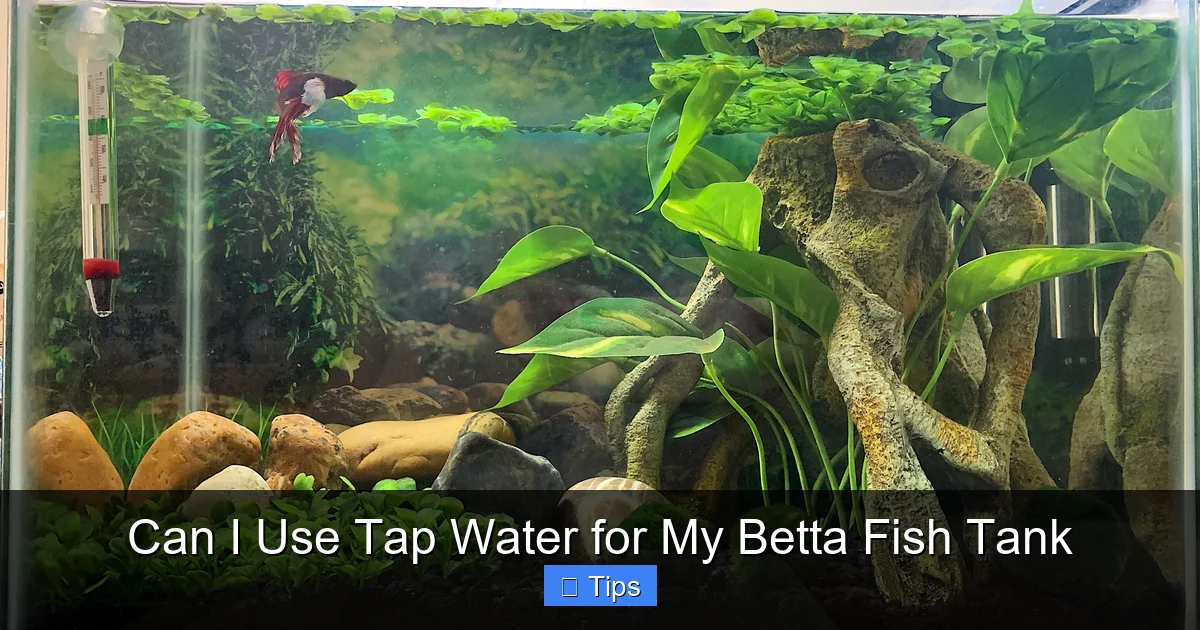
Visual guide about Can I Use Tap Water for My Betta Fish Tank
Image source: i.pinimg.com
The Chlorine vs. Chloramine Battle
Chlorine is the traditional disinfectant. It is highly effective but also highly volatile. If you let tap water sit out in an open container for 24-48 hours, the chlorine will naturally evaporate. This is the old “let it sit” method you might have heard of. However, many municipalities have switched to chloramine, a more stable compound formed by combining chlorine with ammonia. Chloramine does not evaporate. It persists in the water indefinitely and is even more toxic to fish than chlorine. You cannot “age out” chloramine. You must use a water conditioner that specifically lists chloramine removal on its label. Most modern conditioners, like Seachem Prime, handle both.
Heavy Metals and Other Additives
Beyond disinfectants, tap water can contain traces of heavy metals like copper, lead, or zinc from old pipes or natural sources. Copper is particularly toxic to invertebrates but can also harm fish. Fluoride, added for dental health in humans, is another additive with unknown long-term effects on fish. A good quality water conditioner will also bind or neutralize these heavy metals, making the water safe. Furthermore, your water’s pH (acidity/alkalinity), GH (general hardness/mineral content), and KH (carbonate hardness/pH buffer) are determined by your local source. Bettas prefer a slightly acidic to neutral pH (6.5-7.5) and soft to moderately hard water. Your tap water’s profile will dictate if you need to make adjustments.
The Essential Steps to Make Tap Water Safe for Your Betta
Now for the action plan. Turning on the tap is just step one. Here is the fail-safe process for preparing tap water for your betta tank, every single time.
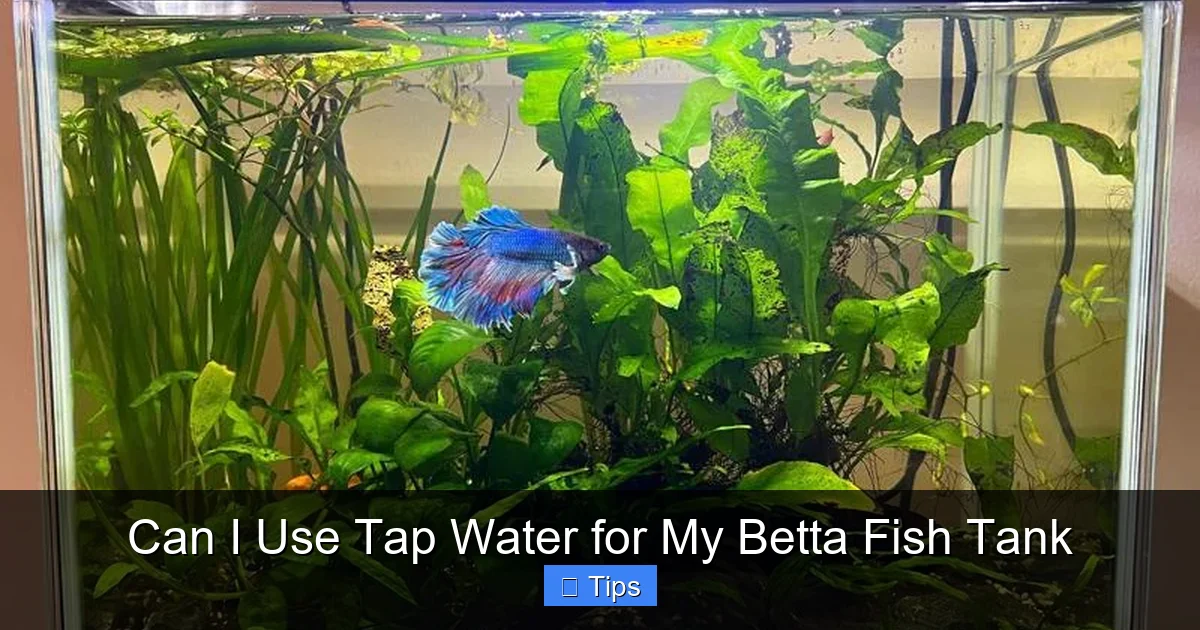
Visual guide about Can I Use Tap Water for My Betta Fish Tank
Image source: acaquarium.com
Step 1: Dechlorination – The Non-Negotiable First Step
This is the most critical step. You must treat every drop of new water with a reputable liquid water conditioner before it touches your tank or your fish. Avoid tablet or powder forms that may not dissolve evenly. Seachem Prime is the industry gold standard for its potency, ability to detoxify ammonia for 48 hours (useful in emergencies), and chloramine removal. Other reliable brands include API Stress Coat+ and Aqueon Water Conditioner. Follow the dosage instructions on the bottle precisely—more is not better and can be harmful. Typically, you add the conditioner to the new water before you pour it into the tank, or you can add it directly to the tank just before adding the new water, ensuring the entire volume is treated instantly.
Step 2: Temperature Matching – Preventing Thermal Shock
Bettas are tropical fish, thriving in water between 78°F and 80°F (25.5°C-26.5°C). Adding cold tap water (or water that’s too warm) is a severe shock to their system, suppressing their immune system and making them susceptible to disease. Always have an accurate aquarium thermometer. Before a water change, fill your clean pitcher or bucket with tap water, add your conditioner, and let it sit until it matches the tank’s temperature. You can place the container in the tank to acclimate it, or use a dedicated aquarium heater in the bucket for larger changes. The goal is no more than a 1-2 degree difference.
Step 3: (Optional) Adjusting pH and Hardness
If you’ve tested your tap water and found its pH is drastically outside the 6.5-7.5 range, or if it’s extremely hard (GH > 15 dGH), you may need to adjust it. However, stability is far more important than a perfect number. Constantly chasing an ideal pH with chemicals causes dangerous swings. If your tap water has a stable, slightly high pH (e.g., 7.8), your betta can likely adapt to it if it’s stable. If you have very hard water, using driftwood or Indian almond leaves in the tank can slowly release tannins, gently lowering pH and softening the water over time. For most betta keepers, properly conditioned tap water with a stable profile is perfectly suitable without additional pH modifiers.
Water Testing: Your Betta’s Health Dashboard
You cannot manage what you do not measure. Guessing about water quality is a recipe for disaster. You need to become a citizen scientist for your betta’s tank.
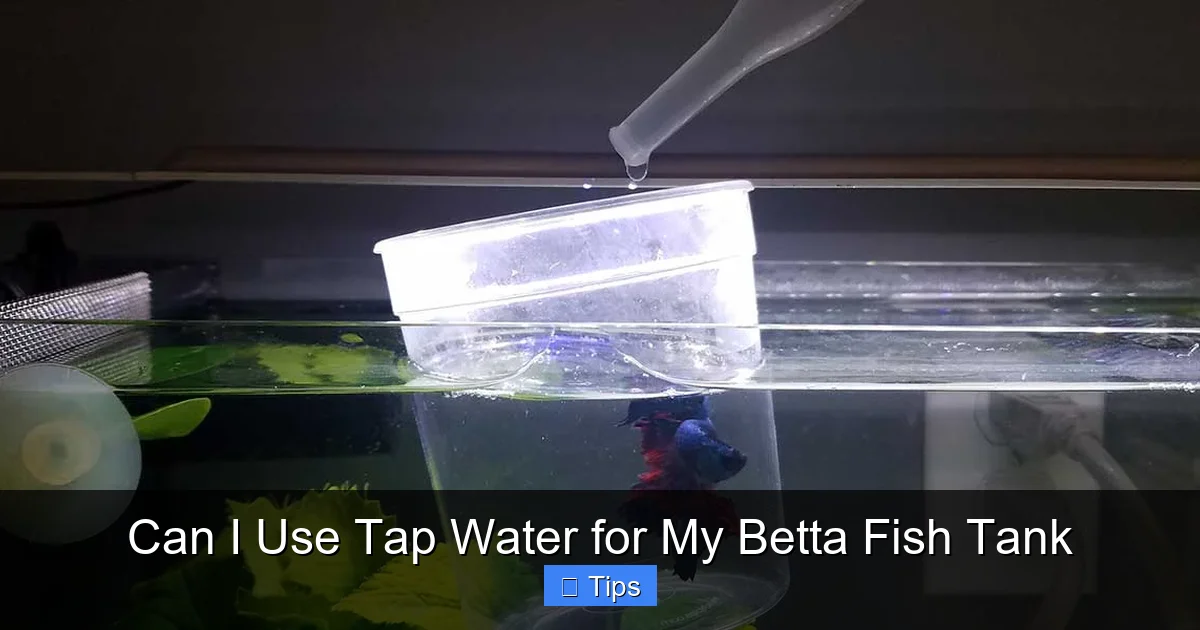
Visual guide about Can I Use Tap Water for My Betta Fish Tank
Image source: bettafish.org
Test Kit Choice: Strips vs. Liquid Tests
Forget the cheap, inaccurate test strips. Invest in a liquid test kit, specifically the API Freshwater Master Test Kit. It is more expensive upfront but the reagents last for hundreds of tests and are vastly more accurate. This kit tests for the four most crucial parameters: Ammonia (NH3/NH4+), Nitrite (NO2-), Nitrate (NO3-), and pH. You can also add separate tests for GH and KH if you want a full profile.
Understanding the Nitrogen Cycle Numbers
This is the core of aquarium chemistry. The cycle is the process where beneficial bacteria colonies (in your filter and on surfaces) convert fish waste.
- Ammonia (NH3/NH4+): Directly from fish gills and waste. 0 ppm is the only safe level. Any detectable ammonia (especially above 0.25 ppm) means your tank is toxic.
- Nitrite (NO2-): The first conversion product of ammonia. 0 ppm is the only safe level. Nitrite binds to fish blood, causing “brown blood disease” and suffocation.
- Nitrate (NO3-): The final, much less toxic product. It should be kept below 20 ppm, ideally under 10 ppm. Nitrate is removed only by water changes or aquatic plants.
A fully cycled tank will have 0 ammonia, 0 nitrite, and a stable, low nitrate reading. Testing weekly during maintenance is non-negotiable for a healthy betta.
The Nitrogen Cycle: Why It’s Non-Negotiable Before You Add Your Betta
This is the most common mistake new betta owners make. They fill a tank with conditioned tap water, add the fish, and wonder why it gets sick or dies within weeks. They skipped the cycling process. A “cycled” tank has established populations of two types of beneficial bacteria: one that eats ammonia and converts it to nitrite, and another that eats nitrite and converts it to nitrate. This process takes 4-6 weeks and cannot be rushed safely.
How to Cycle a Betta Tank Using Tap Water
1. Setup: Fill your clean tank with conditioned tap water. Install your filter and heater. Add an ammonia source—this can be a few flakes of food, a piece of shrimp, or pure ammonia (like from a hardware store). The goal is to get a reading of 2-4 ppm of ammonia.
2. Wait and Test: Over the next few weeks, you will see ammonia spike, then drop as nitrite appears and spikes, then both drop to zero as nitrate rises. This is the cycle in progress. Test every 2-3 days.
3. Cycle Completion: The tank is cycled when you can add 2-4 ppm of ammonia and, 24 hours later, have readings of 0 ammonia, 0 nitrite, and a measurable nitrate (e.g., 5-20 ppm). Only then is it safe to add your betta. Do a large water change (50%+) with conditioned water to lower nitrate before adding the fish.
Pro-Tip: You can speed up cycling by adding a bacterial supplement like Seachem Stability or Fritz Zyme 7 with each water change during the process, and by putting used filter media from a healthy, established tank (from a friend) into your filter.
Ongoing Maintenance: Keeping Your Tap Water Safe Day-to-Day
Cycling is the setup. Maintenance is the forever job. A beautiful, healthy betta tank is built on consistency.
The Weekly Water Change Ritual
This is your most important maintenance task. It dilutes accumulated nitrate, removes fish waste and uneaten food, and replenishes trace minerals.
- Frequency: Once a week for a filtered tank (5+ gallons). For smaller, unfiltered bowls/jars, you may need 2-3 partial changes per week.
- Volume: Change 25-30% of the tank’s total water volume. Never do 100% changes; this destroys beneficial bacteria and causes massive parameter swings.
- The Process:
- Turn off filter and heater (if exposed).
- Siphon out 25-30% of the water, gravel-vacuuming to remove debris from the substrate.
- Fill your clean bucket with fresh tap water.
- Add the correct dose of water conditioner to the new water.
- Check that the new water temperature matches the tank (use the thermometer!).
- Slowly pour the treated, temperature-matched water back into the tank.
- Restart filter and heater.
Filter Care: Don’t Wash Away Your Bacteria
Your filter is home to the precious beneficial bacteria that run the nitrogen cycle. When you clean it, you must be gentle. Once a month, or when flow slows, rinse the filter media (sponges, bio-balls, ceramic rings) in the bucket of old tank water you just siphoned out. This old water contains the bacteria and will rinse them back into the system. Never use tap water to rinse filter media—the chlorine will kill the bacteria. Never replace all your filter media at once. Replace only 25-50% at a time, rotating in new media alongside the old.
Common Mistakes and How to Avoid Them
Let’s review the pitfalls that turn good intentions into bad outcomes.
Mistake 1: “I Have a Filter, So I Don’t Need Water Changes”
The filter processes toxins but does not remove nitrate. Nitrate accumulates indefinitely and will eventually poison your fish, causing stress, disease, and a shortened lifespan. Water changes are the only way to remove nitrate. A filter is a tool for biological filtration, not a replacement for physical water changes.
Mistake 2: Overfeeding and Under-Vacuuming
Bettas have small stomachs. Overfeeding leads to uneaten food rotting, causing ammonia spikes. Feed no more than 2-3 pellets (or a few bloodworms) once or twice a day, only what they eat in 2-3 minutes. The real problem is the waste they do produce, which settles into the gravel. This is why gravel vacuuming during water changes is essential to remove solid waste before it decays.
Mistake 3: Using Bottled Water or Distilled Water
This is a trap. Bottled spring water is inconsistent in its mineral content and pH, and often lacks essential minerals that act as pH buffers. It’s also expensive and unsustainable. Distilled or reverse osmosis (RO) water is pure H2O with no minerals. Adding it to your tank will cause catastrophic pH crashes as it leaches minerals from your fish and decor. You can use RO water, but you must remineralize it with a commercial RO remineralizer (like Seachem Equilibrium) to restore essential minerals and stabilize pH. For 99% of hobbyists, properly treated tap water is simpler and better.
Mistake 4: Ignoring Your Local Water Report
Knowledge is power. Go to your city’s water department website and download the latest Consumer Confidence Report (CCR). Look for:
- Chlorine/Chloramine: Confirms which disinfectant is used.
- pH: Typical range.
- Hardness (as CaCO3): Gives you an idea of GH.
- Copper, Lead, Fluoride: Presence and levels.
This report tells you what you’re dealing with and helps you choose the right conditioner and anticipate any long-term challenges.
Conclusion: Tap Water is Perfectly Fine (When You’re the Boss of It)
So, can you use tap water for your betta fish tank? Absolutely. It’s the standard for a reason. But this answer comes with a clear responsibility. You are no longer just a tap-water consumer; you are an aquatic chemist and a guardian of a miniature ecosystem. Your success hinges on three pillars: consistent dechlorination with a quality conditioner, rigorous weekly water testing to monitor the invisible chemistry, and diligent partial water changes to maintain stability. By following the steps outlined here—understanding your water source, cycling the tank properly, and establishing a rock-solid maintenance routine—you transform simple tap water into a crystal-clear, chemically balanced haven where your betta can thrive, displaying its glorious fins and lively personality for years to come. Your betta doesn’t need fancy, expensive water. It needs clean, stable, toxin-free water. And with your new knowledge, you can give it exactly that, straight from the tap.
Frequently Asked Questions
How long should I let tap water sit before adding it to my betta tank?
You should not rely on sitting tap water at all. Since most municipalities use chloramine, which does not evaporate, sitting the water is ineffective and dangerous. Always use a liquid water conditioner that removes both chlorine and chloramine immediately before adding the water to the tank.
Can I use bottled spring water instead of tap water for my betta?
While you can use bottled spring water occasionally, it is not recommended for regular use. Its mineral content and pH are inconsistent between brands and batches, which can cause stressful fluctuations in your tank’s water chemistry. Properly conditioned tap water is more stable, cost-effective, and predictable for long-term betta care.
What is the ideal pH for a betta fish in tap water?
Bettas are adaptable but prefer a slightly acidic to neutral pH between 6.5 and 7.5. The key is stability. If your conditioned tap water has a stable pH of 7.8, your betta will likely be healthier than if you constantly chase a 6.5 using pH-lowering chemicals, which creates dangerous swings. Focus on a consistent, cycled tank over a specific pH number.
How often should I change the water in my betta’s tap-water tank?
For a filtered tank of 5 gallons or more, perform a 25-30% partial water change once a week. For a smaller, unfiltered container (like a 2-3 gallon bowl), you should perform 2-3 partial water changes per week to keep nitrate levels down. Always use conditioned, temperature-matched tap water for these changes.
Do I need to treat the water if I’m just topping off for evaporation?
Yes. Even for top-offs, you must treat the new water with conditioner. Evaporation removes pure water, leaving behind minerals and contaminants. Adding untreated tap water to replace it will slowly increase the concentration of things like nitrates and hardness, and it still contains chlorine/chloramine that can harm your fish.
My tap water is very hard. Can I still use it for my betta?
Yes, but you must be mindful of pH stability. Very hard water (high GH) usually has a high KH, which makes the pH very stable (and often high). Bettas can adapt to moderately hard water. If your pH is stable (e.g., consistently 7.8-8.2), your betta can live in it. Focus on preventing pH crashes rather than forcing it down. Using natural methods like adding driftwood or Indian almond leaves can slowly and gently soften water and lower pH over time.