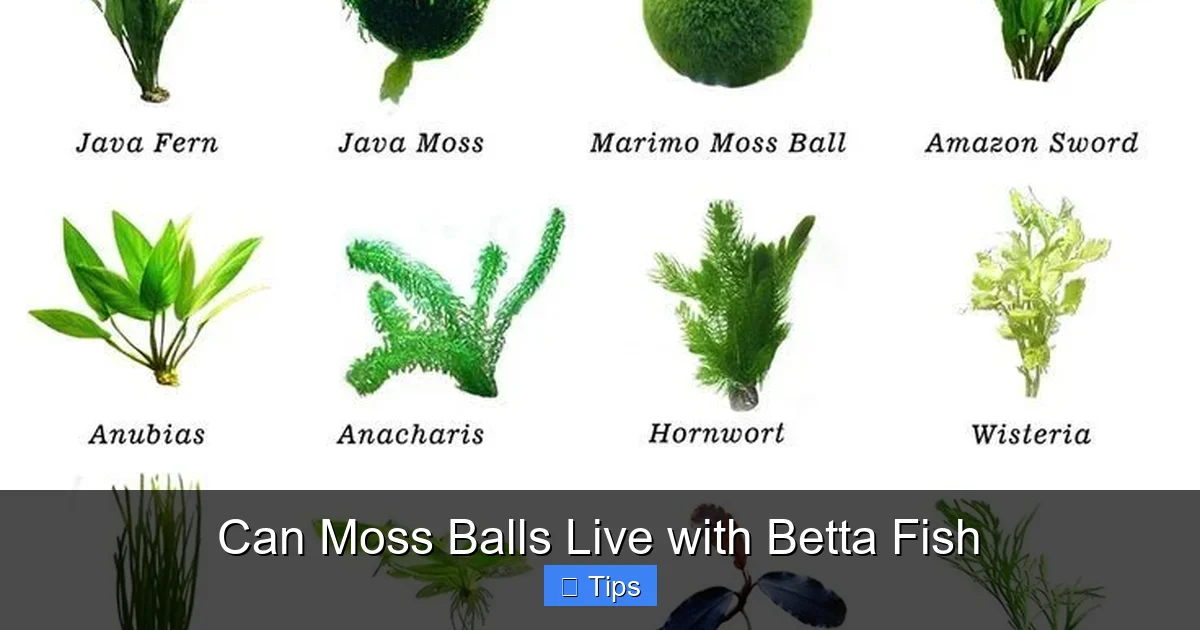
Can Moss Balls Live with Betta Fish
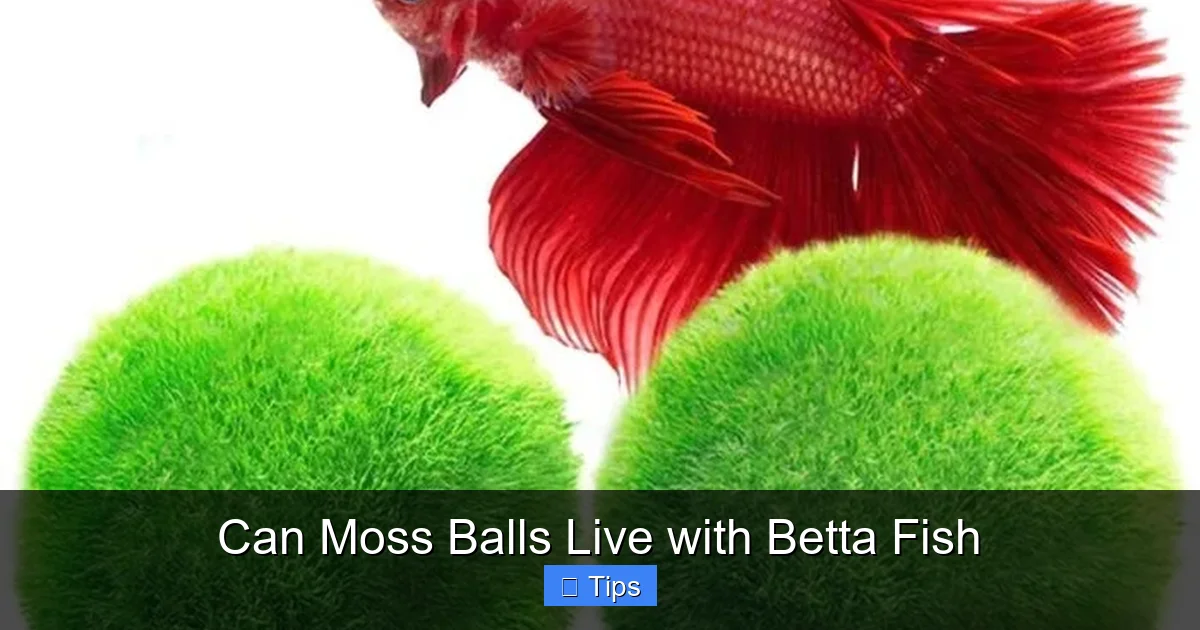
Yes, moss balls (Marimo) are generally safe and beneficial companions for betta fish. These unique, slow-growing algae colonies pose no threat, help absorb nitrates, and provide gentle enrichment. However, success depends on proper tank conditions, appropriate lighting, and avoiding common pitfalls like over-cleaning or using incorrect substrates. With the right setup, a moss ball can be a charming, functional addition to your betta’s world.
Key Takeaways
- Compatibility is High: Moss balls are non-toxic, soft, and move slowly, making them completely safe from a betta’s curious nipping and posing no physical risk.
- They Are Not True Plants: Marimo are a rare form of filamentous algae (Aegagropila linnaei), not aquatic plants. This means they have different care needs, primarily regarding lighting and water movement.
- Water Quality Benefit: While not a substitute for filtration, moss balls absorb ammonia and nitrates from the water, providing a minor but helpful supplemental filtration service in a betta tank.
- Low Light is Key: Betta tanks often have low-to-medium light. This is perfect for moss balls, which thrive in low, indirect light and will brown or die in bright, direct aquarium lighting.
- Gentle Rolling is Essential: To prevent one side from dying and to maintain their spherical shape, moss balls need gentle water movement to roll them. A very low filter output or manual rolling 1-2 times a week is necessary.
- Betta Behavior Enrichment: The slow-moving, intriguing nature of a moss ball can provide mild mental stimulation for a betta, encouraging gentle investigation without stress.
- Tank Size & Cleanup: They are ideal for the small, filtered tanks bettas require (minimum 5 gallons). Their primary maintenance is occasional gentle squeezing in tank water to remove debris and rolling, not substrate vacuuming around them.
📑 Table of Contents
- Introduction: The Allure of the Living Marble
- What Exactly *Is* a Moss Ball? Debunking the Myths
- The Betta Fish: Understanding Your Aquatic Companion
- The Symbiotic Relationship: How Moss Balls Benefit Betta Tanks
- A Step-by-Step Guide: Setting Up Your Betta & Moss Ball Tank
- Common Mistakes and Pitfalls to Avoid
- Alternatives and Special Considerations
- Conclusion: A Simple, Beautiful Synergy
Introduction: The Allure of the Living Marble
You’ve carefully curated the perfect home for your betta fish. The vibrant fins, the curious personality, the iconic bubble nest—all deserve a serene, beautiful environment. But something feels… missing. Perhaps the tank looks a little too sterile, or you’re seeking a natural, low-effort way to boost water quality. Enter the moss ball, or Marimo (Aegagropila linnaei). These velvety-green, perfectly spherical living ornaments have captivated aquascapers and fish keepers alike with their simple charm and almost mythical reputation. But when it comes to the famously finicky and territorial Siamese fighting fish, a critical question arises: can moss balls live with betta fish?
The short, joyful answer is almost always yes. Unlike many live plants that can have sharp edges, toxic properties, or demanding care routines, the moss ball is one of the safest, most compatible “tank mates” you can add to your betta’s aquatic domain. They aren’t just a decorative trinket; they are a living organism that can form a symbiotic, low-maintenance relationship with your betta. However, “can” doesn’t always mean “should without knowledge.” True success lies in understanding the unique biology of the Marimo and the specific needs of your betta. This guide will dive deep into the science, the setup, the dos and don’ts, and the delightful reality of pairing these two aquatic wonders. We’ll move beyond the simple yes/no to equip you with the confidence and knowledge to create a thriving, harmonious micro-ecosystem for your finned friend.
What Exactly *Is* a Moss Ball? Debunking the Myths
Before we pair anything with your betta, we must understand our potential roommate. The name “moss ball” is a bit of a misnomer. It’s not moss, and it’s not a plant in the traditional sense. This is the first and most crucial piece of knowledge.
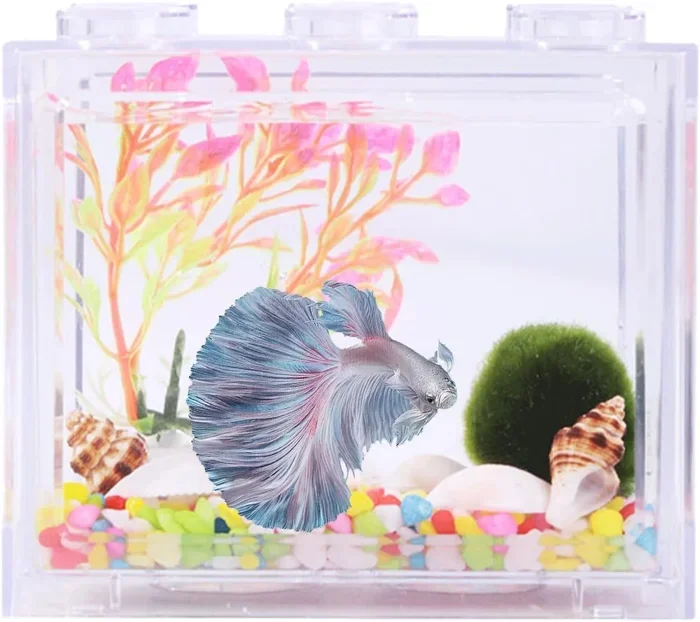
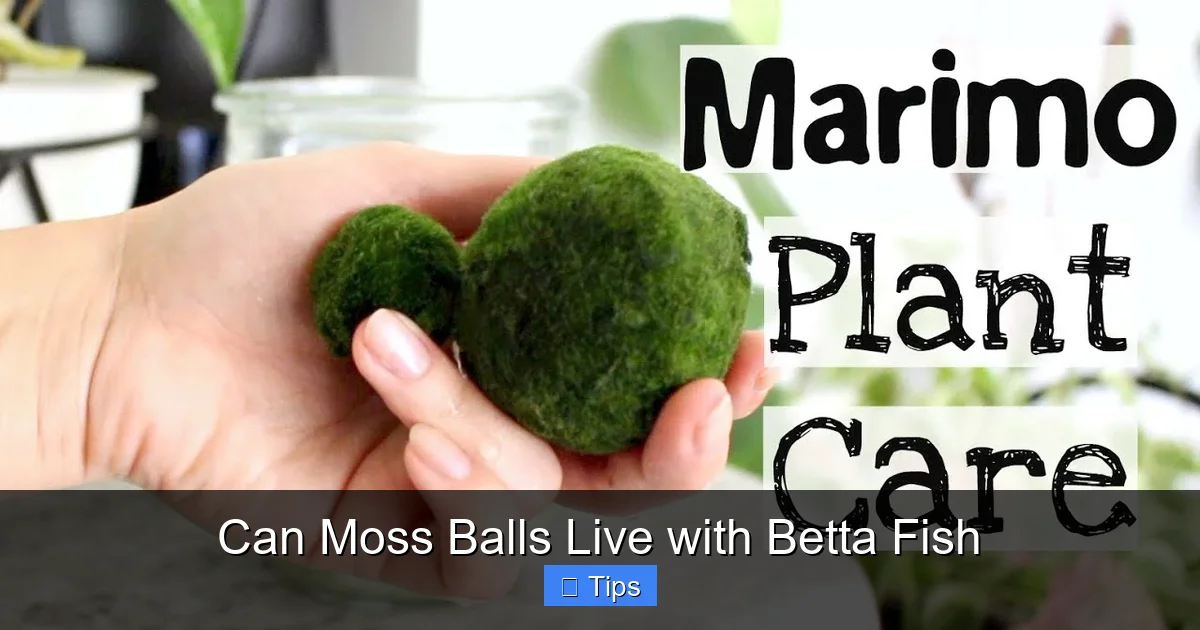
Visual guide about Can Moss Balls Live with Betta Fish
Image source: tankofish.com
The Science of the Marimo
A Marimo is a rare, free-floating form of filamentous green algae. In the wild, they are found in a handful of cold, freshwater lakes, most famously Lake Akan in Japan, where they are considered a national treasure. Over centuries, gentle wave action rolls these algae filaments into the perfect, velvety sphere we know. The “velvet” texture comes from thousands of individual filaments growing in all directions. They are photosynthetic, meaning they produce oxygen during the day and consume it at night, just like plants. They also absorb nutrients—ammonia, nitrates, phosphates—directly from the water column through their entire surface.
Why “Not a Plant” Matters for Your Betta Tank
This algal nature dictates their entire care regimen, which, as it happens, aligns beautifully with standard betta tank conditions:
- Lighting: Marimos thrive in very low, indirect light. Bright aquarium lights designed for demanding tropical plants will scorch them, causing brown patches. Bettas, coming from the shaded, slow-moving waters of Thailand’s rice paddies, also prefer dimmer lighting. This is a perfect match.
- Nutrients: They feed on waste products (nitrates) in the water. A betta tank, with its single fish and regular feedings, produces a manageable amount of these nutrients. A heavily stocked, overfed tank could cause a Marimo to grow too fast and potentially become a nuisance, but this is rare in a proper betta setup.
- Temperature: They prefer cooler water, optimally between 68-78°F (20-26°C). This is squarely within the ideal temperature range for a betta (76-80°F / 24-27°C). The betta’s preferred warmer end is still acceptable for the Marimo, though extremely high temps (above 82°F) can stress it.
The Betta Fish: Understanding Your Aquatic Companion
Betta splendens, with their flowing fins and aggressive reputation, have specific environmental needs that are non-negotiable for their health and happiness. Compatibility with anything—including a moss ball—must be assessed against this baseline.
Visual guide about Can Moss Balls Live with Betta Fish
Image source: i.ytimg.com
The Non-Negotiables: Tank Size and Filtration
The myth that bettas can live in tiny, unfiltered bowls is harmful and outdated. A healthy betta requires a minimum of a 5-gallon (19-liter) tank. This provides stable water parameters, room to explore, and dilution of waste. Crucially, it needs a gentle filtration system. Strong currents exhaust bettas and damage their delicate fins. The filter’s flow must be adjustable or baffled to create a calm environment. This gentle water movement is, as we’ll see, a critical factor for the moss ball’s health.
Temperament: Curious, Not Usually Plant-Destructive
While bettas are territorial towards other fish, especially other male bettas, their interaction with inanimate objects like plants and decorations is usually one of mild curiosity. They may flare at a new object, nip at it once or twice out of investigation, and then lose interest. A moss ball, being soft, buoyant, and non-threatening, is highly unlikely to be the target of sustained aggression. There is no “territory” to defend against a rolling ball of algae. Some bettas even seem to enjoy pushing them around gently.
The Symbiotic Relationship: How Moss Balls Benefit Betta Tanks
Adding a moss ball isn’t just about aesthetics; it’s a functional choice that supports your betta’s well-being in several subtle but important ways.
Visual guide about Can Moss Balls Live with Betta Fish
Image source: kittyexpert.com
Natural, Supplemental Filtration
This is the #1 practical benefit. Moss balls are nutrient vacuums. They absorb ammonia (the primary waste product from fish gills and uneaten food) and nitrates (the byproduct of the nitrogen cycle). In a small betta tank with a low bioload, a few small moss balls can help polish the water, reducing the load on your biological filter and potentially leading to more stable water parameters between water changes. Think of them as a living, breathing polishing pad for your aquarium water. They are not a replacement for a filter or water changes, but they are a fantastic辅助 (supporting) player.
Stress Reduction and Environmental Enrichment
A bare tank is a stressful tank for a betta. It provides no hiding places, no visual barriers, and no stimulation. A moss ball adds a soft, natural element that breaks up sightlines and offers a mild point of interest. A curious betta may investigate it, push it around the tank, or even rest near it. This simple form of environmental enrichment can reduce boredom and stress, which are linked to weakened immune systems and lethargy. The soft texture is also completely safe if your betta decides to rest against it.
Oxygenation and pH Stabilization
Through photosynthesis, moss balls produce oxygen during daylight hours, contributing to the overall dissolved oxygen in the tank. While a filter’s surface agitation is the primary source of gas exchange for a betta tank, every little bit helps. Furthermore, by absorbing carbon dioxide during photosynthesis, they can contribute to a very minor stabilizing effect on pH, helping to prevent dangerous swings in a small water volume.
A Step-by-Step Guide: Setting Up Your Betta & Moss Ball Tank
Success is in the setup. Follow these steps to create the ideal environment for both your betta and your new green sphere.
Step 1: Tank Selection and Cycling
Begin with a proper tank: 5 gallons minimum. Do not add a betta or moss ball to an uncycled tank. The nitrogen cycle must be fully established (ammonia and nitrite at 0ppm, nitrates present) before introducing any livestock. A cycled tank with stable parameters is the foundation for everything.
Step 2: Choosing and Preparing the Moss Ball
Purchase Marimos from a reputable aquatic plant seller. Avoid any that are sold in small, sealed containers with no water movement, as these are often unhealthy. Look for vibrant green, firm spheres. When you bring it home, rinse it gently in dechlorinated water (water conditioner-treated tap water) to remove any loose debris or hitchhikers. You can also give it a very gentle squeeze in the water to expel any trapped dirt.
Step 3: Tank Setup and Placement
Arrange your tank with your betta’s needs first: a heater (set to 78°F), a gentle filter (use a sponge filter or baffle a hang-on-back filter with a sponge), and hiding places like silk plants or ceramic caves. Place the moss ball on the substrate, preferably on a soft surface like sand or fine gravel, away from the direct, powerful output of the filter. It should be in an area of low-to-medium light, not under the brightest part of the aquarium light. You can also place it on a flat rock or decoration.
Step 4: The Critical Element: Ensuring Gentle Movement
This is the most common point of failure. A moss ball that never rolls will flatten on one side, die, and eventually rot. The solution is gentle water movement.
- Ideal: The outflow from your gently adjusted filter should be enough to very slowly roll the moss ball across the substrate.
- If Flow is Too Low: You must become the tide. Gently roll the moss ball with your fingers 1-2 times per day, turning it so a new side faces up. This mimics the natural lake currents.
- Never place it in a dead spot with zero current.
Step 5: Introducing Your Betta
Float the bag containing your betta in the tank for 15-20 minutes to equalize temperature. Then, slowly add small amounts of tank water to the bag over 30-60 minutes to acclimate your betta to the water parameters. Gently net the betta out (do not pour bag water into the tank) and release it into the tank. The moss ball should already be in place, acting as a familiar, neutral object.
Common Mistakes and Pitfalls to Avoid
Even with good intentions, a few errors can turn a thriving moss ball into a slimy mess. Here’s what to watch for.
Mistake 1: Over-Cleaning or “Washing” the Moss Ball
Some online advice suggests vigorously rinsing or scrubbing Marimos. This damages the delicate filament structure. The only cleaning needed is a gentle squeeze in a bucket of old tank water during your regular water change to remove any collected detritus. Never use tap water (chlorine kills it), soap, or a brush.
Mistake 2: Exposing It to Direct, Bright Light
This is the fastest way to kill a Marimo. It will turn brown, slimy, and disintegrate. If your tank light is bright, either move the moss ball to a shaded corner, use floating plants to shade it, or reduce the photoperiod (hours of light) to 6-8 hours a day.
Mistake 3: Using Sand or Sharp Gravel Incorrectly
While fine sand is soft, very deep sand can allow a moss ball to sink and get buried, which can kill it. Ensure it’s placed on top of the substrate. Avoid large, sharp gravel that could tear the algae over time as it rolls.
Mistake 4: Allowing It to Get Too Dirty
If your tank is overfed or under-filtered, debris can accumulate *inside* the moss ball, where it can’t be squeezed out and will cause internal rot. This underscores the importance of proper feeding (only what your betta eats in 2-3 minutes, once or twice daily) and good filtration.
Mistake 5: Using CO2 or Liquid Fertilizers Excessively
Marimos get their nutrients from the water column. In a betta tank, you should never add liquid fertilizers or CO2. The waste from a single betta is more than enough “food.” Adding fertilizers will cause the moss ball to grow uncontrollably, become a tangled mess, and potentially outcompete other plants or die from nutrient imbalance.
Alternatives and Special Considerations
While moss balls are exceptional, they aren’t the only option. And in some rare cases, they might not be the best fit.
Other Betta-Safe Plants for Comparison
If you want more coverage or different textures, consider these hardy, betta-safe plants that also prefer low light: Anubias (attach to wood/rock), Java Fern (attach to wood/rock), Bucephalandra, and Cryptocoryne species. These are true aquatic plants with different care needs but offer more vertical structure.
When a Moss Ball Might Not Be Ideal
Consider skipping the moss ball if: your betta is an obsessive, relentless nipper (though this is rare with a soft ball), your tank has zero water movement whatsoever (you don’t want to roll it manually), or you have an exceptionally warm tank (consistently above 82°F) that could stress the algae. For most standard, properly set-up betta tanks, however, these conditions don’t apply.
Conclusion: A Simple, Beautiful Synergy
The pairing of a moss ball and a betta fish is a testament to the beauty of simple, natural aquarium keeping. It moves away from the purely decorative plastic ornaments and towards a living, breathing, and mutually beneficial element. The moss ball offers subtle filtration, gentle enrichment, and a touch of organic elegance, all while asking for very little in return: cool, clean water, low light, and a tiny bit of help with rotation. Your betta, in turn, provides a source of gentle nutrients and a tranquil home. By understanding the unique needs of both—the betta’s requirement for warm, clean, calm water and the moss ball’s need for cool, low-light, gently moving conditions—you can effortlessly create a slice of aquatic harmony. You are not just adding a decoration; you are introducing a living partner into your betta’s world. So go ahead, get a moss ball. Roll it gently, place it thoughtfully, and watch as this perfect, green sphere becomes a peaceful, functional cornerstone of your betta’s serene kingdom.
Frequently Asked Questions
Will my betta fish try to eat or destroy the moss ball?
It’s possible your betta may nip at it out of curiosity once or twice, but moss balls are soft, non-toxic, and not considered food. Bettas quickly lose interest as they realize it’s not a threat or a meal. Sustained, destructive nipping is very rare.
How often do I need to clean or maintain a moss ball in a betta tank?
Minimal maintenance is required. During your weekly water change, gently remove the moss ball and give it a soft squeeze in a bucket of old tank water to expel any trapped detritus. Then, roll it to a new position. That’s it. Never scrub it or use tap water.
Can moss balls replace my filter or water changes for my betta?
Absolutely not. A moss ball is a supplemental aid, not a primary filtration system. You must still run a gentle filter on your betta tank and perform regular partial water changes (25-50% weekly) to maintain pristine water quality and remove solid waste.
My moss ball is turning brown and slimy. What’s wrong?
>This is almost always due to two things: too much light (move it to a shadier spot) or lack of movement (roll it gently 1-2 times daily). If it’s very slimy, remove it, gently squeeze out the black/brown liquid in old tank water, and ensure it’s in better conditions. If it continues to deteriorate, it may be dead.
How big will a moss ball get in my betta tank?
They grow very slowly, typically about 5 mm per year in optimal conditions. In a small betta tank with limited nutrients, growth will be minimal. You may need to gently trim a very large ball with clean scissors (in tank water) if it becomes too big for your tank, but this is uncommon.
Can I have more than one moss ball with my betta?
Yes, you can have multiple. A good rule of thumb is one small moss ball (about 1-2 inches in diameter) for every 5 gallons of water. Multiple balls can be placed in different low-flow areas of the tank. They will not harm each other or your betta.