Do Betta Fish Have Lungs
Do betta fish have lungs? Not exactly — but they do have a special organ called the labyrinth that lets them breathe air from the surface. This unique adaptation makes bettas different from most other fish. Understanding how your betta breathes is one of the most important parts of betta fish care.
Have you ever watched your betta fish swim up to the surface and take a gulp of air? It might look strange, but this behavior is completely normal. Do betta fish have lungs? That is a question many fish owners ask, and the answer is more fascinating than you might expect.
Betta fish are not like most other aquarium fish. They have a special breathing system that sets them apart. This system lets them survive in waters where other fish would struggle. In this article, we will explore everything about betta fish anatomy, how they breathe, and what you can do to keep your betta healthy and happy.
Whether you are a new betta owner or have had these beautiful fish for years, understanding their breathing is key. Let us dive right in and uncover the truth about do betta fish have lungs and how they actually get the oxygen they need.
Key Takeaways
- Betta fish do not have true lungs: Instead, they rely on a specialized labyrinth organ that allows them to process oxygen from the air.
- Surface breathing is normal behavior: Your betta coming up for air is a natural and healthy sign, not a cause for alarm.
- The labyrinth organ is essential: Without it, bettas would not be able to survive in low-oxygen water environments.
- Tank water quality matters greatly: Poor water conditions can make it harder for your betta to breathe, even with its labyrinth organ.
- Gills still play a role: Bettas use both their gills and labyrinth organ for respiration, depending on the situation.
- Know the warning signs: Labored breathing or gasping at the surface can indicate oxygen deprivation or underlying health problems.
📑 Table of Contents
Do Betta Fish Have Lungs? The Surprising Answer
The short answer is no. Betta fish do not have true lungs like humans or mammals. However, they are not entirely helpless when it comes to breathing air. They have something even more remarkable — a specialized organ that works in a similar way.
Do betta fish have lungs or gills? This is actually a common point of confusion. The truth is that bettas use both systems. They have gills like most fish, but they also have a unique organ that lets them breathe air directly. This dual system is what makes bettas so special in the fish world.
Most fish rely solely on their gills to extract oxygen from water. But bettas live in shallow, warm waters in the wild. These environments often have low oxygen levels. Over time, bettas evolved a clever solution to this problem. They developed the labyrinth organ, which we will talk about next.
What Is the Labyrinth Organ?
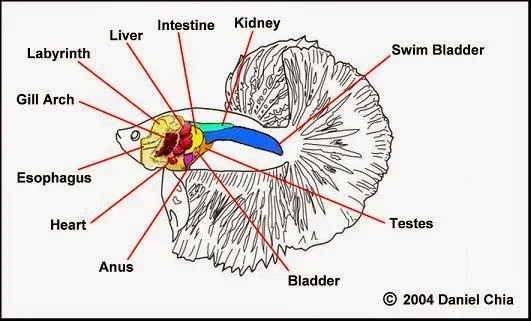
The labyrinth organ is a bony structure located near the gills. It contains thin plates covered in blood vessels. When a betta takes a gulp of air, the oxygen passes through these plates and into the bloodstream. This process is called labyrinth breathing.
Think of the labyrinth organ as a backup breathing system. It is not a replacement for gills. Instead, it works alongside them. When the water has plenty of oxygen, your betta will use its gills mostly. But when oxygen levels drop, the labyrinth organ kicks in to help.
This is why do betta fish have to come up for air. They need access to the surface to gulp fresh air. Without it, they would eventually suffocate, even in water.
How Betta Fish Breathe: The Full Process
Understanding betta breathing helps you become a better fish owner. The process is actually quite simple once you break it down. Let us look at how bettas pull oxygen from two different sources.
Breathing Through Gills
Like all fish, bettas use their gills to extract dissolved oxygen from water. Water flows over the gill membranes, and tiny blood vessels absorb the oxygen. This is the primary way bettas breathe when water conditions are good.
Healthy gills are bright red and move steadily. If you notice your betta’s gills looking pale or clamped, it could be a sign of stress or poor water quality. Keeping your tank water quality high is essential for gill function.
Breathing Through the Labyrinth Organ
The labyrinth organ adds a second method of breathing. When your betta swims to the surface, it takes in a small bubble of air. This air enters a special chamber near the gills. Inside this chamber, oxygen passes through the labyrinth plates and into the blood.
This process is called aquatic breathing because it bridges the gap between water and air. It is what allows bettas to live in stagnant ponds and rice paddies where other fish cannot survive.
Interestingly, baby bettas do not have a fully developed labyrinth organ at birth. They rely on their gills alone for the first few weeks. As they grow, the labyrinth organ matures and becomes functional. This is one of the most amazing betta fish facts to know.
Why Betta Fish Need to Come Up for Air
If you have a betta, you have probably seen it glide up to the surface and take a quick breath. This behavior is completely natural. It does not mean your fish is in trouble. In fact, it means your betta is doing exactly what nature intended.
In the wild, bettas live in warm, slow-moving waters. These habitats often have low dissolved oxygen. The labyrinth breathing system evolved specifically to handle these conditions. Without it, bettas would not be able to survive in their natural environment.
Here are some reasons your betta might come up for air more frequently:
- Low oxygen levels in the tank: Stagnant water holds less oxygen. This forces your betta to seek air at the surface.
- High water temperature: Warm water holds less dissolved oxygen than cool water. Bettas prefer warm tanks, so this is a common factor.
- Overcrowded tank: More fish means more oxygen consumption. This can lower oxygen levels quickly.
- Poor filtration: A filter helps oxygenate the water. Without one, your betta may need to breathe air more often.
- Natural behavior: Some bettas simply enjoy coming up for air. It is part of their betta fish behavior and nothing to worry about.
If your betta is gasping at the surface constantly, that is a different story. Frequent gasping can be a sign of oxygen deprivation. We will cover how to prevent that later in this article.
Is Surface Breathing the Same as Gasping?
This is an important distinction. Normal surface breathing is calm and controlled. Your betta will swim up gently, take a small breath, and swim back down. Gasping looks frantic. The fish may hover at the surface with its mouth wide open, breathing rapidly.
Gasping usually signals a problem. It could mean low oxygen, high ammonia, or poor water conditions. If you see your betta gasping, test your water immediately and make changes as needed.
Can Betta Fish Survive Without Lungs?
The word “lungs” can be misleading when talking about bettas. They do not have lungs in the traditional sense. But their labyrinth organ serves a similar purpose. It processes air and transfers oxygen to the blood. So in a way, yes, bettas can survive without true lungs because they have this alternative system.
This is what makes bettas an air-breathing fish. They belong to a group of fish called anabantoids. Other fish in this group include gouramis and paradise fish. All of them share the labyrinth organ trait.
Could a betta survive on land? Not really. The labyrinth organ needs moisture to function. If a betta stays out of water too long, the organ dries out and stops working. So while they can breathe air, they still need water to live.
What Happens If a Betta Cannot Breathe Air?
If a betta is kept in a tank with a tight-fitting lid and no access to the surface, it can drown. The fish needs to reach the air-water interface to gulp oxygen. Without this access, even a healthy betta will struggle to breathe.
This is why many betta tanks have open tops or small gaps near the surface. It allows the fish to breathe naturally. Some owners also use sponge filters or air stones to increase oxygen exchange at the surface.
Knowing this is crucial for proper betta care tips. Always make sure your betta has easy access to the surface. A tight lid can be dangerous if it seals out all air exchange.
How to Ensure Proper Breathing for Your Betta
Now that you understand how bettas breathe, let us talk about what you can do to support healthy betta fish lungs and overall respiration. A well-maintained tank makes all the difference.
Keep the Water Temperature Right
Bettas thrive in water between 76 and 82 degrees Fahrenheit. Warmer water holds less oxygen. If your tank is too warm, you may need to increase surface agitation. A small sponge filter can help by creating gentle movement at the surface.
Maintain Good Water Quality
Dirty water contains ammonia and nitrite, which harm gills and make breathing harder. Test your water weekly. Perform regular water changes of about 25 percent every week. This keeps oxygen levels stable and your betta healthy.
Provide Surface Access
Make sure your tank has enough space between the water surface and the lid. Your betta needs room to breathe air comfortably. Some bettas build bubble nests at the surface, which is another sign of a happy, healthy fish.
Add Gentle Water Movement
Strong filters can create too much current for bettas. They are not strong swimmers. Use a gentle sponge filter or adjust the output of your filter. This keeps the water oxygenated without stressing your fish.
Do Not Overcrowd the Tank
Bettas do best alone. They are territorial and can become stressed with other fish. More fish means more waste and less oxygen. Keeping your betta in a properly sized tank alone is one of the best things you can do for its respiratory system.
Watch for Signs of Breathing Trouble
Stay alert for changes in your betta’s breathing. Any sudden shift in breathing patterns could signal a problem. Here are some quick tips to remember:
- Normal breathing: Calm gulps at the surface every few minutes.
- Fast breathing: Could indicate stress, low oxygen, or illness.
- Gasping: Urgent sign of oxygen deprivation or poor water quality.
- Gills clamped shut: Often a sign of infection or discomfort.
- Lying at the bottom and breathing fast: Could indicate a serious health issue.
Common Breathing Problems in Betta Fish
Even with their amazing labyrinth organ, bettas can develop breathing problems. Knowing what to look for can save your fish’s life. Let us cover the most common issues.
Oxygen Deprivation
This happens when the water does not hold enough oxygen. It can be caused by high temperatures, poor filtration, or overcrowding. Signs include rapid gill movement, surface gasping, and lethargy. Fixing the water quality usually resolves this quickly.
Gill Disease
Bettas can develop infections or parasites that attack the gills. This makes it hard for them to extract oxygen from water. Symptoms include pale or discolored gills, clamped fins, and difficulty breathing. Treating gill disease early is critical.
Ammonia Poisoning
Ammonia burns the gills and makes breathing painful. This is usually caused by dirty water or overfeeding. Regular water changes and proper feeding habits prevent ammonia buildup. Always test your water for ammonia, especially in new tanks.
Stress-Related Breathing Issues
Stressed bettas breathe faster and more erratically. Common stressors include bright lights, loud noises, aggressive tankmates, and sudden temperature changes. Creating a calm, stable environment helps keep your betta’s betta fish health in check.
When to See a Vet
If you have addressed water quality and your betta is still struggling to breathe, it may be time to consult a veterinarian. Some internal conditions can affect breathing. A professional can diagnose and treat issues that are not obvious from tank observations alone.
Understanding do betta fish have lungs and how they breathe gives you the knowledge to provide better care. Your betta depends on you to maintain a safe and healthy environment. With the right setup and attention, your betta will thrive for years to come.
Remember, every time you see your betta glide up for a gentle breath at the surface, it is a sign that its amazing labyrinth organ is working just as nature intended. Celebrate that unique adaptation and keep your tank clean, warm, and well-oxygenated. Your little fish will reward you with vibrant colors and lively betta fish behavior for a long, healthy life.
Frequently Asked Questions
Do betta fish have lungs like humans do?
No, betta fish do not have true lungs. Instead, they have a special organ called the labyrinth organ that allows them to breathe air from the surface. This organ works differently from human lungs but serves a similar purpose in processing oxygen.
Is it normal for betta fish to come up for air?
Yes, it is completely normal and healthy. Betta fish need to gulp air at the surface to use their labyrinth organ for breathing. If your betta comes up for air regularly, that is a good sign that its breathing system is working properly.
Can betta fish drown if they cannot reach the surface?
Yes, bettas can drown if they cannot access the surface to breathe air. Their labyrinth organ requires air to function. Always make sure your tank has enough space between the water and the lid for your betta to reach the surface comfortably.
What is the labyrinth organ in betta fish?
The labyrinth organ is a bony structure near the gills that contains thin plates covered in blood vessels. It allows bettas to extract oxygen from air gulped at the surface. This organ is what makes bettas an air-breathing fish species.
How can I improve oxygen levels in my betta tank?
You can improve oxygen levels by maintaining good water quality, performing regular water changes, using a gentle sponge filter, and keeping the water temperature in the proper range. Avoid overcrowding the tank and make sure there is surface agitation for gas exchange.
What should I do if my betta is gasping at the surface?
Gasping at the surface is a sign of oxygen deprivation or poor water quality. Test your water for ammonia and nitrite levels immediately. Perform a water change and check your filter is working properly. If the problem continues, consider adding an air stone to increase oxygen in the tank.
=== CONCLUSION ===
Do betta fish have lungs? They do not have lungs in the traditional sense, but their labyrinth organ is just as remarkable. This special breathing system allows bettas to thrive in low-oxygen waters and makes them one of the most unique fish in the aquarium hobby.
By understanding how your betta breathes, you can create a better home for it. Keep the water clean, maintain proper temperatures, and always give your betta easy access to the surface. These simple betta care tips go a long way in keeping your fish healthy and happy.
If you want to learn more about how bettas breathe and what sets them apart from other fish, check out our detailed guide on do betta fish have lungs or gills. You will find even more fascinating details about betta fish anatomy and breathing. Also, if you have ever wondered why your betta spends so much time at the top of the tank, our article on do betta fish have to breathe air explains the science behind this natural behavior.
Take what you have learned here and put it into practice. Your betta fish will thank you with vibrant colors, playful behavior, and a long, healthy life. Happy fish keeping!