Do Betta Eat Other Fish The Surprising Truth Revealed

Do betta eat other fish? Yes, betta fish can and sometimes do eat other smaller fish, but the full picture is more nuanced than you might think. Understanding betta fish aggression and their natural predatory instincts is essential for keeping a peaceful aquarium. In this guide, we break down everything you need to know about betta behavior around tank mates.
Key Takeaways
- Betta fish are carnivorous predators: They have natural hunting instincts that drive them to chase and eat smaller creatures in their tank.
- Not all bettas attack tank mates: Individual personality plays a huge role in whether a betta will show aggression toward other fish.
- Tank size and setup matter: A well-planted, spacious tank can reduce aggression and make cohabitation safer for betta tank mates.
- Small and slow fish are most at risk: Guppies, neon tetras, and shrimp often become targets if a betta decides to hunt.
- Proper feeding reduces aggression: Offering a protein rich diet can minimize hunting behavior toward other fish.
- Female bettas are generally less aggressive: Male bettas are more territorial, which increases the chance of betta fish aggression toward others.
📑 Table of Contents
- Do Betta Eat Other Fish? The Surprising Truth Revealed
- Understanding Betta Fish Behavior
- What Makes a Betta Eat Other Fish?
- Which Fish Are at Risk of Being Eaten?
- Safe Tank Mates for Betta Fish
- Signs Your Betta Is Being Aggressive
- How to Prevent Your Betta from Eating Other Fish
- What to Do If Your Betta Already Ate a Tank Mate
- Expert Insights on Betta Aggression
- Key Takeaways
- Conclusion
Do Betta Eat Other Fish? The Surprising Truth Revealed
If you own a betta fish, you have probably wondered at some point: do betta eat other fish? Maybe you have a beautiful community tank and you are worried about your smaller fish becoming a midnight snack. Or perhaps you are thinking about adding tank mates and want to know what to expect.
The truth is that betta fish are carnivorous predators by nature. They have strong hunting instincts, sharp teeth, and a personality that can range from peaceful to fiercely aggressive. Whether or not your betta will eat other fish depends on several factors, including its individual personality, tank setup, diet, and the type of betta tank mates you introduce.
In this comprehensive guide, we will cover everything you need to know. From understanding betta behavior and aggression to learning which fish are safe companions, we have you covered. Let us dive in.
Understanding Betta Fish Behavior
The Natural Instincts of Betta Fish
Betta fish, also known as Siamese fighting fish, are native to the warm, shallow waters of Southeast Asia. In the wild, they are predatory fish that hunt insects, larvae, small crustaceans, and tiny fish for survival. This betta diet is naturally protein rich and high in animal-based nutrients.
Because of this background, bettas have a strong chase response. If something small and moving swims past them, their instinct kicks in. They do not always eat what they chase, but the urge to hunt is deeply wired into their DNA. This is why many aquarists describe bettas as having big personalities packed into small bodies.
Understanding this is crucial. A betta in a home aquarium is still a wild animal at heart. Even though they live in a tank, their instincts do not just disappear. They still see movement and perceive potential prey.
How Personality Affects Aggression
Not every betta is the same. Some are calm and laid back, while others are feisty and territorial. Betta fish aggression varies widely from one individual to another. Male bettas tend to be more territorial than females, especially when it comes to other male bettas. But their aggression is not limited to their own species.
Some bettas will ignore tank mates entirely. Others will relentlessly chase anything that moves. There is no way to predict exactly how your betta will behave until you try. This is why gradual introductions and careful observation are so important.
If you want to learn more about how bettas interact with their own kind, check out our detailed article on do betta fish fight other betta fish. It provides great insight into their social behavior.
What Makes a Betta Eat Other Fish?
So what triggers a betta to actually eat another fish? Several factors come into play. Let us break them down so you can better manage your aquarium.
Hunger and Feeding Routine
A hungry betta is a dangerous betta. If you are not feeding your fish enough or if the food does not meet their nutritional needs, they will look for alternative sources. This often means hunting their tank mates. Providing a proper betta food routine is one of the best ways to prevent this.
Experts recommend feeding adult bettas once or twice a day with small portions. You can also incorporate live food like brine shrimp or bloodworms to satisfy their natural hunting desires. For more details on appropriate feeding, take a look at our guide on do betta fish eat regular fish food.
Tank Size and Environment
A cramped tank makes everything worse. When space is limited, a betta feels threatened by every living creature sharing its environment. Small tanks also make it nearly impossible for smaller fish to escape a chasing betta.
Aim for at least a 10 gallon tank if you plan on keeping bettas with other species. Plenty of open swimming space and hiding spots help reduce stress for everyone. Live plants, caves, and driftwood create visual barriers that break line of sight between aggressive fish and potential victims.
The Presence of Small, Slow Fish
Bettas are more likely to attack fish that appear easy to catch. Slow swimmers and small species trigger their predatory response. Fish with long, flowing fins are especially vulnerable because bettas sometimes mistake them for rivals or simply find them easy to corner.
For this reason, choosing the right betta tank mates is critical. We will cover safe options later in this article.
Which Fish Are at Risk of Being Eaten?
Now that we understand what drives a betta to hunt, let us look at which fish are most vulnerable. Not every species is equally at risk. But if you keep any of the following with a betta, you should exercise caution.
- Guppies: Their bright colors and flowing tails attract attention. Male guppies also display fin nipping behavior that can trigger a betta.
- Neon tetras: These small, fast fish may seem safe, but they are still small enough for a determined betta to catch.
- Cherry shrimp: While some bettas ignore shrimp, others hunt them relentlessly. Baby shrimp are especially vulnerable.
- Endler guppies: Even smaller than regular guppies, making them easy targets.
- Small snails: Slow moving and soft bodied, snails can become prey if a betta decides to attack.
It is worth noting that many aquarists successfully keep bettas with these species. It just requires careful monitoring and the right setup. To understand more about bettas and smaller creatures, read our article on do betta fish eat smaller fish.
Safe Tank Mates for Betta Fish
Not all hope is lost. There are plenty of fish and creatures that can coexist peacefully with a betta. The key is choosing species that are fast enough to escape, too large to be eaten, or occupy a completely different area of the tank.
Best Fish Companions
Here are some reliable choices that work well with bettas in many setups:
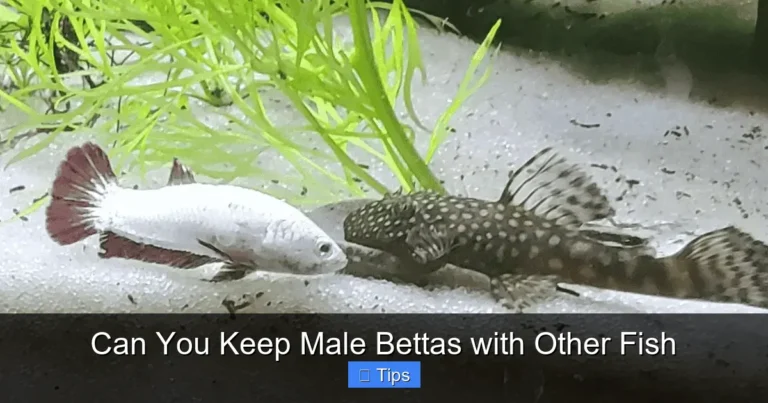
- Corydoras catfish: They stay near the bottom and rarely interact with bettas. Their armored bodies also make them difficult to eat.
- Kuhli loaches: These nocturnal scavengers are peaceful and stay under the cover of darkness, avoiding daytime conflicts.
- Nerite snails: Hard shelled and slow, they are safe from most betta attacks and help keep algae under control.
- Amano shrimp: Larger than cherry shrimp, they are less likely to be eaten and are effective tank cleaners.
Important Rules for Introducing Tank Mates
Adding new fish to a betta tank should never be rushed. Follow these steps for the best results:
- Quarantine new fish for at least two weeks before introducing them.
- Add tank mates to the tank before the betta, so the betta does not feel its territory is being invaded.
- Use a divider or transparent barrier at first so both parties can see each other without physical contact.
- Watch for signs of extreme stress or aggression before removing the barrier.
- Have a backup plan, like a separate tank, if the introduction fails.
Signs Your Betta Is Being Aggressive
Learning to read your betta body language is one of the most valuable skills you can develop. Aggressive behavior can escalate quickly if ignored. Here are the key signs to watch for:
- Flaring: Your betta spreads its gills and fins to look bigger. This is a warning display directed at perceived rivals or threats.
- Chasing: Persistent pursuit of another fish is a clear red flag. Brief chases may just be curiosity, but constant chasing means trouble.
- Biting: If your betta bites fins or tails of other fish, it is being overtly aggressive.
- Color darkening: A betta that darkens its colors near other fish may be feeling threatened or dominant.
- Refusing food: Sometimes a territorial betta will ignore food because it is too focused on defending its space.
If you notice any of these signs consistently, it is best to separate the aggressor. Not every betta is suited for community life, and that is perfectly okay.
How to Prevent Your Betta from Eating Other Fish
Prevention is always better than dealing with the aftermath. Here are practical, proven strategies to keep your tank peaceful.
Maintain a Proper Feeding Schedule
A well fed betta is a content betta. When their nutritional needs are met, the urge to hunt decreases significantly. Feed high quality pellets designed specifically for bettas, and supplement with frozen or live foods a few times per week. This mimics their natural betta diet and keeps them satisfied.
Avoid overfeeding, though. Uneaten food pollutes the water and creates health problems. Two to three small feedings per day is the sweet spot for most adult bettas.
Optimize Tank Design
A well designed tank does wonders for reducing conflict. Here is what you should include:
- Live or silk plants for cover and visual breaks
- Open swimming areas so faster fish can escape
- Caves, tunnels, and hiding spots for shy tank mates
- A heater to maintain stable tropical water temperatures between 76 and 82 degrees Fahrenheit
Break up lines of sight wherever possible. Bettas are ambush predators, so if they cannot see their target clearly, they are far less likely to attack.
Choose Compatible Species
This cannot be stressed enough. The foundation of a peaceful community tank is selecting the right companions. Stay away from fish that are brightly colored, have long flowing fins, or move slowly. Instead, opt for species that are fast, hardy, and occupy different tank zones.
Also avoid housing two male bettas together unless you are using a divided tank. Male bettas are famously territorial and will fight to the death. If you are curious about their behavior with others, our article on do betta fish kill and eat other fish covers real world scenarios and outcomes.
Monitor and Intervene Early
Watch your tank closely during the first few weeks after adding new fish. If you see one individual being picked on constantly, intervene immediately. Remove the aggressor or the victim before injuries become serious. Early action saves lives.
What to Do If Your Betta Already Ate a Tank Mate
It happens. Despite your best efforts, a betta may catch and consume a smaller fish. If this occurs, do not panic. Here is what you should do:
- Remove any dead fish from the tank immediately to prevent water quality issues.
- Test your water parameters for ammonia, nitrite, and nitrate spikes.
- Do not blame yourself entirely. This is a natural behavior for a carnivorous predator, not a sign of a cruel fish.
- Reevaluate your tank setup and consider whether the species you chose were truly compatible.
- Give your betta time to calm down before attempting another introduction.
Keep in mind that if a betta has eaten a small fish once, it is likely to do it again. You may need to permanently separate them or choose different tank mates altogether.
Expert Insights on Betta Aggression
Veterinary aquatic specialists and experienced breeders agree on one key point: bettas are individuals. Generalizations about their behavior can only go so far. What works for one betta may not work for another.
Dr. Linda P. Case, a well known fish behaviorist, has noted that environmental enrichment and proper husbandry significantly reduce aggressive behaviors in captive fish. This means that a stimulating tank environment with appropriate nutrition and hiding spaces leads to calmer bettas overall.
Professional breeders also recommend buying bettas from reputable sources where fish are raised in species appropriate conditions. Bettas that grow up in barren, overcrowded tanks tend to be more stressed and more aggressive than those raised in well maintained environments.
Key Takeaways
- Betta fish are natural hunters: Their carnivorous instincts mean they will chase and eat small, slow moving tank mates.
- Personality matters: Some bettas are peaceful, while others are highly aggressive. You cannot know for sure without observing individual behavior.
- Proper feeding reduces hunting: A protein rich, well balanced diet keeps your betta satisfied and less likely to prey on others.
- Tank setup is everything: Adequate space, plants, and hiding spots make cohabitation much safer.
- Choose tank mates wisely: Fast, hardy species that occupy different tank zones are your best bet for peaceful living.
- Watch for warning signs: Flaring, chasing, and fin biting are clear indicators that your betta cannot currently share its space.
- Be prepared to adapt: Not every combination works. Having a backup plan ensures the safety of all your fish.
Conclusion
So, do betta eat other fish? The answer is yes, they can and sometimes do. But the full picture is much more nuanced. A betta’s behavior depends on its individual personality, how well it is fed, the design of its tank, and the species it shares its home with.
Understanding betta behavior and respecting their nature as predatory fish is the first step toward creating a thriving community aquarium. Feed them properly, choose compatible tank mates, and observe their behavior closely. When things go wrong, act quickly and decisively.
Every betta owner has the potential to create a beautiful, peaceful underwater world. It just takes knowledge, patience, and a willingness to learn from surprises along the way. Armed with the information in this guide, you are now better equipped to make smart decisions for your betta and its tank mates. Happy fishkeeping!
Frequently Asked Questions
Can betta fish survive with other fish in the same tank?
Yes, but it depends entirely on the individual betta and the species you choose. Some bettas live peacefully with corydoras, loaches, and certain shrimp. Others prefer to live alone. Always introduce tank mates gradually and watch for signs of aggression.
What fish should I avoid putting with my betta?
Avoid brightly colored fish with long flowing fins like guppies and male bettas. Also stay away from slow moving species such as cherry shrimp and small snails. These either trigger territorial behavior or are simply easy targets for a hungry betta.
Do female bettas eat other fish?
Female bettas can hunt and eat smaller fish, but they are generally less aggressive than males. They are more likely to tolerate tank mates, though individual personality still plays a big role. Never assume a female betta is completely safe around all species.
How can I stop my betta from chasing other fish?
Ensure your betta is well fed with a proper diet. Increase tank size and add plenty of plants and hiding spots. If chasing continues, separate the aggressor. Some bettas simply cannot live with others, and that is perfectly normal.
Are bettas more likely to eat fish or invertebrates?
Bettas will eat both. They are opportunistic hunters that consume insects, larvae, shrimp, snails, and small fish in the wild. In a home tank, invertebrates like cherry shrimp and snails are often easier targets than fast moving fish.
Is it cruel to keep a betta alone?
Not at all. Many bettas live happy, healthy lives in solo tanks. In fact, some bettas experience less stress without tank mates. A well decorated single betta tank with plants, caves, and open swimming space provides plenty of enrichment.