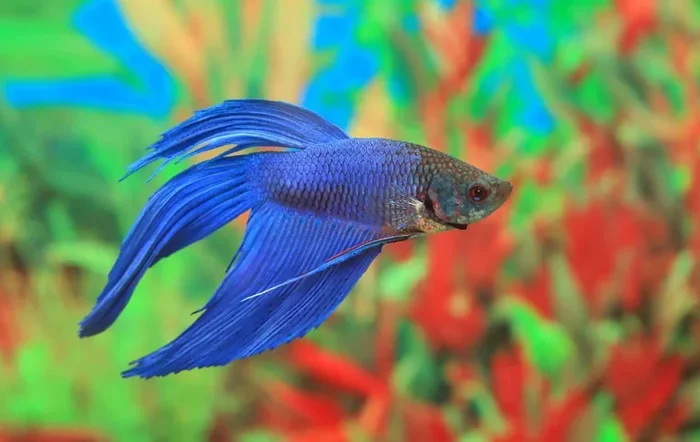
why do betta fish attack other fish and how to prevent it
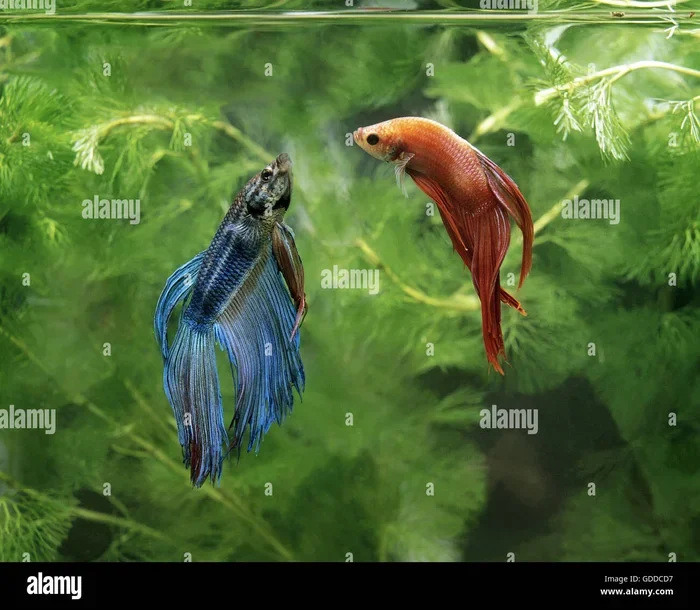
Are you struggling with aggressive Betta fish who keep attacking tank companions? This guide explains why Betta fish attack other fish and offers proven solutions. Learn to identify warning signs, set up your aquarium correctly, and manage aggression before conflicts escalate. By understanding the root causes, you can create a peaceful environment for your colorful pets.
Have you ever watched your beautiful aquarium transformed into a battlefield? When Betta fish attack other fish, it can become quite stressful for both you and your finnest friends. These vibrant males often turn hostile toward tank mates, leading to damaged relationships and unsightly injuries. But here’s the good news—most instances of aggression stem from misunderstandings about their natural behaviors. In this guide, we’ll uncover why Betta fish attack other fish, explore the underlying reasons behind their temperament, and provide actionable steps to prevent these confrontations before they start. Whether you’re a first-time betta owner or a seasoned enthusiast, the insights below will help you maintain harmony in your underwater kingdom.
Key Takeaways
- Understanding Betta aggression: Territorial displays often lead to attacks.
- Prevention strategies: Proper tank setup and companion selection help.
- Signs to watch: Body language reveals when your Betta is stressed.
- Seasonal changes: Breeding seasons increase fighting intensity.
- Enrichment benefits: Adding hiding spots reduces unnecessary conflicts.
- Professional guidance: Useful articles explain further management techniques.
📑 Table of Contents
Understanding Betta Fish Behavior
Bettas are known for their striking colors and dramatic displays, but their true nature lies in their territorial instincts. In the wild, male bettas establish territories to protect resources like nesting sites and food sources. When another fish enters their domain, the instinct kicks in—think of it as a tiny boss battle waiting to happen. This natural drive doesn’t disappear in captivity; it just gets more intense when space is limited and resources compete.
Several factors can trigger sudden outbursts of aggression. One major cause is the size of your tank. If your water volume is small, every bite counts. A cramped environment forces fish closer together, increasing the likelihood of clashes over territory or food. Another culprit is insufficient hiding places. Bettas love to hide and retreat when feeling threatened. Without enough caves, plants, or decorations, they feel exposed and defensive, which leads to defensive strikes.
Training plays a role too. Young bettas are often more playful and curious, sometimes testing boundaries through rough handling. Senior males may have developed stronger hierarchies within their own groups. Furthermore, changes in water conditions—like temperature shifts or ammonia spikes—can make any fish irritable. When stress hits, even the most calm betta can snap. Recognizing these patterns is crucial because once you understand the dynamics, prevention becomes much easier.
Why Betta Fish Attack Other Fish
The core reason behind Betta fish attack other fish situations lies in dominance and resource protection. In the wild, a larger, stronger male would push smaller rivals away to secure its territory. This instinct persists even in a bowl-sized aquarium. When a new betta senses intrusion, it perceives a threat to its personal space and will strike aggressively to reclaim control. Think of it like a neighborhood dispute—your fish don’t understand politics, but they know one rule: never invade another’s living room without permission.
Territory isn’t just about physical space either. Food sources act as mini-armies as well. If two bettas fight over the same shrimp or flake, one will try to snatch the prize and defend it fiercely. The winner takes all, including the right to snack later. Similarly, male bettas may chase away females and other male species to ensure they focus solely on reproduction. Even non-competitors might get targeted if they occupy the prime feeding spot or live too close to the darting betta.
Breeding season amplifies everything. Hormones surge, aggression spikes, and some bettas become particularly defensive about potential mates. During this time, the instinct to protect territory intensifies dramatically. Males may display erratic swimming patterns and frequent lunges at anyone approaching their corner of the tank. If you notice your betta suddenly becoming hyperactive and refusing to eat, it could be a sign of reproductive stress manifesting as aggression. Understanding seasonal patterns helps you adjust care routines accordingly.
Signs That Your Betta Is Getting Aggressive
Spotting the early warning signs of Betta fish attack other fish behavior can save your entire tank community from chaos. Watch for these telltale indicators before a full-scale fight erupts. Body posture is key—aggressive bettas often puff up their bodies, flaring gills to appear larger and scarier. They may hold tails outstretched or swim erratically, bouncing near the edge of their territory. Eye rolling backward is another red flag, indicating heightened arousal and readiness to strike.
Physical contact isn’t always violent though. Some bettas nibble gently at others’ fins without causing harm—a habit that builds tension over time. Listen closely to the aquarium sounds too; rapid clicking or sharp crackling among tank residents signals panic and hostility. If you see blood, torn fins, or missing scales, an attack has already occurred. Most importantly, note any change in appetite or activity level. A normally lively betta that stops eating or swims hunched is probably stressed and preparing for a confrontation.
Remember, not all aggression needs immediate intervention. Brief bursts of energy after a meal can look threatening but are usually just hunger-driven excitement. However, prolonged aggression combined with injury warrants serious attention. Take note of where the fight happens—in the center, corners, or specific areas of the tank. This location pattern often reveals whether the issue stems from territory, food, or mating disputes. Documenting these details helps diagnose the problem accurately.
How to Prevent Betta Fish Fighting
Creating a harmonious environment starts long before you place your betta in the glass. Proper tank design is the foundation of peace. Opt for a minimum of a 2.5-gallon tank for a single male betta, though many experts recommend a 5-gallon or larger for better stability. Ensure the container has a lid or tight-fitting plastic cover if you want to deter external predators—but avoid sealing it completely unless necessary, as bettas can get stressed by confinement.
Adding shelter is equally vital. Place several hidden hiding spots such as PVC pipes, ceramic caves, or dense artificial plants. These crevices give bettas places to retreat when feeling threatened, reducing overall conflict. Arrange these decor elements to create distinct zones rather than letting them mix freely. Overcrowding introduces constant competition for limited resources. Stick to a simple layout with minimal ornamentation to lower stress levels across the whole group.
Feeding practices matter significantly too. Offer meals at consistent times, preferably twice daily, and use multiple feeding devices to distribute food evenly. This prevents any single fish from monopolizing nutrients and gives others fair access. Split the portion into two equal servings rather than offering large amounts to one betta. Additionally, consider separate feeding bowls for different species if you keep various fish alongside your betta—these won’t interfere with his hunting instincts or attract unwanted attention.
For multiple bettas, quarantine new additions for at least four weeks before introducing them to the main tank. This allows established residents to acclimate without triggering territorial wars. Monitor the first few days closely, watching for subtle signs of discomfort. If aggression begins, there are corrective measures you can take immediately—such as temporarily separating affected pairs until tensions ease.
Managing Aggression During Breeding Season
Spring brings hormonal changes that transform bettas from cuddle partners into fierce competitors. During this period, male bettas will actively guard their territory, chasing off other fish and defending their nest sites. If you keep more than one male, separation becomes essential—not only do they fight each other, but they also breed. A single male per tank typically minimizes conflict while allowing you to observe delicate spawning rituals without disruption.
If you decide to breed your betta, prepare a dedicated breeding tank with soft substrate and floating vegetation. Provide separate food dishes so each fish gets enough nutrition without competing. Change water frequently to minimize disease risk during this vulnerable phase. Remember that successful breeding requires patience—don’t expect immediate results, and resist the urge to intervene if your fish show natural courtship behaviors.
For those hesitant about raising baby bettas, research shows that most fry survive on their own within a week or two under optimal conditions. However, keeping the fry separated from adults until they’re fully grown reduces the chance of bullying. Many owners find success using mesh dividers or installing a shallow layer of gravel between adult and fry tanks. Observing the fry development gives you valuable insight into your betta’s parenting skills—and potentially a population boost!
Alternatives to Direct Conflict Resolution
Instead of simply suppressing aggression, consider enriching your betta’s life to redirect behaviors constructively. Puzzle feeders challenge bettas to hunt for food, satisfying their predatory instincts without the need to chase or dominate others. Adding vertical structures like tall plants or driftwood creates new niches where fish can explore safely. These features discourage aggressive encounters because they offer escape routes and visual stimulation alike.
Another approach involves gentle training sessions. Reward calm behavior with small treats when your betta swims slowly or hides appropriately. Positive reinforcement teaches him that peaceful interactions yield rewards, while fighting yields nothing but stress. Regular visual checks allow you to catch problematic moments early and intervene with calming aids like dimmed lighting or soundproofing panels.
Avoid chemical solutions altogether. Medications and harsh treatments can damage sensitive aquatic ecosystems and prolong suffering for injured fish. Instead, focus on environmental improvements that address the root causes of hostility. Rotate water weekly, maintain pristine filtration, and monitor parameters daily. A healthy, balanced ecosystem makes it far harder for bettas to feel cornered or resource-starved.
When aggression persists despite all preventive measures, consult aquariumspecialists. Professional advice tailored to your specific setup can reveal nuanced solutions tailored to your setup. Local fish clubs often host workshops on betta care, connecting you with experienced breeders who share real-world experiences. Sharing knowledge with fellow enthusiasts leads to collective problem-solving and fosters a supportive community spirit.
Frequently Asked Questions
Question?
Why do my betta fish attack other fish in my tank?
Bettas often attack other fish due to territorial instincts triggered by overcrowding, limited hiding spaces, or resource scarcity. Providing a larger tank, adding plenty of decoration, and ensuring adequate food distribution can help reduce these conflicts.
Question?
Can I keep multiple bettas together peacefully?
Multiple bettas can coexist if introduced properly and given sufficient space and hiding spots. Quarantining new arrivals for at least four weeks and maintaining a minimum of five gallons per fish help prevent fighting. Also, separate breeding tanks are recommended if you wish to have more than one male in the same environment.
Question?
What should I do if my betta is injured from fighting?
Injured bettas may hide or become lethargic. Check for visible wounds and trim any damaged fins carefully with fine scissors. Increase water quality and add additional hiding places to encourage recovery. If bleeding continues or the fish loses interest in food, consult an aquatic veterinarian for proper treatment.
Question?
Is it possible to train a aggressive betta to stop attacking?
Yes, with consistent positive reinforcement and environmental modifications, you can teach a betta to behave differently. Reward calm behavior with treats and gradually decrease stressors that trigger aggression. Patience is key—breaking bad habits takes time, but successful training is entirely achievable with dedication.
Question?
How does breeding season affect betta aggression?
During spring and summer, hormones surge and aggression increases significantly. Males become more territorial, chasing females and other males to protect their space and territory. Proper separation of breeds and careful monitoring during this time prevent destructive conflicts and ensure a healthier aquarium.
Question?
Are there products I can buy to calm aggressive bettas?
While supplements and behavioral aids exist, the most effective methods involve habitat improvements and training. Products marketed specifically for betta calmness often rely on additives that don’t benefit overall health. Prioritize natural solutions like enrichment toys, hiding shelters, and stable water conditions for lasting results.
=== CONCLUSION ===
Creating a peaceful paradise for your betta fish requires patience, proper planning, and ongoing observation. By understanding why Betta fish attack other fish and implementing thoughtful prevention strategies, you can enjoy vibrant color and spirited personality without the pain of conflict. Remember that every fish has its unique temperament, but shared responsibilities and a harmonious environment go a long way. Apply the tips discussed today, stay attentive to subtle cues, and your colorful companion will thrive in a sanctuary built just for him. Happy fishing—and happy coexistence!