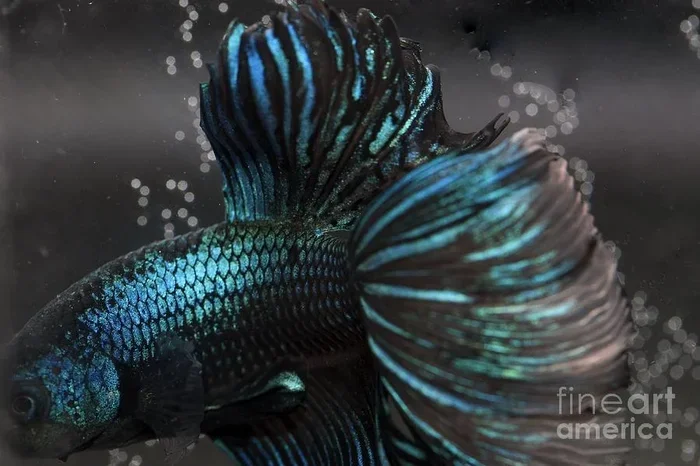
Do Betta Fish Breathe Air or Water The Surprising Truth

Do betta fish breathe air or water? The surprising truth is that betta fish are primarily air‑breathing fish that also use their gills to extract oxygen from water. Their unique labyrinth organ allows them to gulp air from the surface, while their gills provide additional oxygen absorption, making them a fascinating example of a fish that needs both air and water to thrive.
When you first bring a betta fish home, one of the most common questions that pops up is do betta fish breathe air or water. It seems like a simple query, but the answer is surprisingly complex because bettas have a unique respiratory system that allows them to do both.
Understanding how your betta breathes is key to providing proper care. In this guide we will explore the fascinating biology behind their breathing, why they need access to the water surface, and how you can create an environment that supports their health.
Key Takeaways
- Point 1: Betta fish possess a labyrinth organ that lets them breathe air directly from the surface.
- Point 2: They also use gills to extract oxygen dissolved in water, so they rely on both air and water.
- Point 3: Access to the water surface is essential; without it, they can suffocate.
- Point 4: Poor water quality can damage gills and reduce oxygen absorption.
- Point 5: Low oxygen levels cause stress, lethargy, and increased risk of disease.
- Point 6: A balanced environment with proper filtration, temperature, and aeration supports their unique breathing system.
📑 Table of Contents
- Do Betta Fish Breathe Air or Water?
- The Labyrinth Organ: How Betta Fish Breathe Air
- Gills: How Betta Fish Extract Oxygen from Water
- Why Surface Access Is Crucial
- Signs of Breathing Problems
- Creating the Ideal Environment for Betta Fish Breathing
- Understanding the Nitrogen Cycle
- Testing and Adjusting Water Parameters
- Choosing the Right Filtration System
- Enhancing Oxygen with Air Stones
- Betta Fish Behavior and Breathing
- When to Seek Veterinary Care
- Common Myths and Misconceptions
- Quick Tips for Healthy Breathing
- Common Mistakes to Avoid
- Expert Insights
- Conclusion
Do Betta Fish Breathe Air or Water?
The short answer is that betta fish are air‑breathing fish that also extract oxygen from water using their gills. They possess a special organ called the labyrinth organ which enables them to gulp air from the surface. This adaptation is why bettas can survive in shallow, slow‑moving waters where other fish would struggle.
However, they are not entirely independent of water. Their gills still function, allowing them to absorb dissolved oxygen when they are submerged. In essence, bettas have a dual breathing system that requires both air and water.
For a deeper dive into this question, you might find our article on Do Betta Fish Have To Breathe Air helpful.
The Labyrinth Organ: How Betta Fish Breathe Air
The labyrinth organ is a folded, highly vascularized structure located above the gills. When a betta fish swims to the surface and takes a breath, it draws air into this organ. The organ’s rich blood supply allows oxygen from the air to diffuse directly into the bloodstream, while carbon dioxide is expelled.
This ability to breathe air is an evolutionary advantage in habitats where water oxygen levels fluctuate. It also explains why bettas are often seen swimming to the top of the tank—they are actively replenishing their oxygen supply.
Gills: How Betta Fish Extract Oxygen from Water
While the labyrinth organ handles air breathing, betta fish also rely on their gills to extract oxygen dissolved in water. The gills are thin, feathery structures that increase surface area for gas exchange. As water passes over the gills, oxygen moves into the blood and carbon dioxide is released.
This dual system means that if water quality deteriorates—such as high ammonia or low oxygen—the fish can become stressed. For more on how gills function, see our article Do Betta Fish Breathe Water.
Comparison: Air vs Water Breathing
| Feature | Air Breathing | Water Breathing |
|---|---|---|
| Oxygen Source | Atmospheric air | Dissolved oxygen in water |
| Organ Involved | Labyrinth organ | Gills |
| Efficiency | High when air is available | Depends on water oxygen levels |
| Requirement | Must surface to breathe | Continuous water flow over gills |
Why Surface Access Is Crucial
Because bettas need to gulp air, they must have unobstructed access to the water surface. A lid or cover that is too tight can prevent them from reaching the air, leading to suffocation. In the wild, bettas inhabit shallow rice paddies and slow streams where they can easily reach the surface.
In an aquarium, ensure that the water level is not too high and that there are no floating plants or decorations that block their path. A simple way to provide access is to leave a small gap in the tank lid or use a floating plant that creates a natural surface.
Signs of Breathing Problems
If a betta fish cannot breathe properly, you may notice several warning signs:
- Rapid gill movement or gasping at the surface
- Lethargy or reduced activity
- Loss of appetite
- Discoloration of the gills (pale or dark)
- Abnormal swimming patterns, such as floating or sinking
These symptoms often indicate low oxygen levels, poor water quality, or disease. Early detection is essential for a quick recovery.
Creating the Ideal Environment for Betta Fish Breathing
To support your betta’s unique breathing system, focus on these key factors:
Water Quality
Keeping the water clean is vital. Harmful substances like ammonia, nitrite, and nitrate can damage gills and reduce oxygen absorption. Perform regular water changes—about 25% every week—and use a reliable filter to maintain clarity.
Filtration and Aeration
A good filter not only removes waste but also helps circulate the water, which increases oxygen levels. Adding an air stone or an air pump can further boost dissolved oxygen, especially in warmer water where oxygen solubility is lower.
Temperature
Betta fish thrive in a temperature range of 75–80°F (24–27°C). Temperatures above 85°F (29°C) can reduce oxygen in the water, making it harder for your fish to breathe. Use a heater with a thermostat to keep the temperature stable.
pH and Hardness
While bettas are adaptable, they do best in slightly acidic to neutral water with a pH between 6.5 and 7.5. Excessively hard water can also affect gill function, so consider using a water conditioner if your tap water is very hard.
Understanding the Nitrogen Cycle
The nitrogen cycle is the biological process that converts harmful ammonia into less toxic substances. In a betta tank, fish waste and uneaten food produce ammonia, which can damage gills and reduce oxygen uptake. Beneficial bacteria convert ammonia to nitrite, and then to nitrate, which can be removed through water changes.
Establishing a stable nitrogen cycle before adding your betta helps prevent respiratory stress. A cycled tank typically takes four to six weeks to develop sufficient bacterial colonies.
You can speed up the cycling process by adding a filter from an established tank or using commercial bacteria starters. Monitoring ammonia levels daily helps you know when the cycle is complete.
Testing and Adjusting Water Parameters
Regular testing is essential for maintaining a healthy environment. Use a liquid test kit to measure ammonia, nitrite, nitrate, pH, and hardness. Aim for zero ammonia, zero nitrite, and nitrate below 40 ppm.
If the pH is too high or too low, you can adjust it gradually with appropriate conditioners. Sudden changes in pH can shock the fish and impair gill function.
Test strips are quick but less accurate than liquid kits. For precise readings, use a dropper‑based test and compare the color to the chart provided.
Choosing the Right Filtration System
A reliable filter provides mechanical, biological, and sometimes chemical filtration. For a single betta, a small hang‑on‑back filter or a sponge filter works well. The filter should create a gentle flow to avoid stressing the fish while still agitating the surface.
- Mechanical filtration removes debris and uneaten food.
- Biological filtration houses beneficial bacteria that break down ammonia.
- Chemical filtration can remove odors and discoloration.
Replace filter media every few weeks to prevent buildup of waste, but always keep some old media to preserve beneficial bacteria.
Enhancing Oxygen with Air Stones
An air stone connected to an air pump adds bubbles that increase surface agitation and dissolve more oxygen into the water. This is especially beneficial in warmer water or when keeping multiple bettas.
Place the air stone near the surface or in an area where water movement is minimal. The gentle bubbling also creates a pleasing visual effect without creating strong currents that could exhaust the fish.
Live plants such as Anubias or Java fern also contribute to oxygenation through photosynthesis, providing a natural boost.
Betta Fish Behavior and Breathing
Betta fish often display distinct breathing behaviors. They may glide to the surface several times a day, especially after feeding or during periods of activity. This is normal and indicates they are replenishing oxygen.
However, if you notice constant gasping, rapid gill movement, or the fish staying near the bottom, it may signal low oxygen or poor water quality. Observing these patterns helps you intervene early.
Male bettas often build bubble nests at the surface, which not only serve as a breeding platform but also indicate that they are comfortable in their environment.
When to Seek Veterinary Care
If your betta shows signs of disease such as fin rot, ich, or swim bladder issues, consult a veterinarian experienced with fish. Respiratory problems can be a symptom of underlying infections, and appropriate medication may be required.
Never use medications without confirming the diagnosis, as some treatments can further stress the fish. Maintaining optimal water conditions is often the first step in recovery.
Common medications include antibiotics for bacterial infections and antifungal treatments for fungal issues. Always follow dosage instructions and remove activated carbon from the filter during treatment.
Common Myths and Misconceptions
There are many outdated ideas about betta fish breathing. Let’s clear up a few:
- Myth: Betta fish can live in tiny bowls without filters.
Reality: Small bowls often have poor water quality and low oxygen, which can harm the fish. - Myth: Betta fish don’t need air because they live in water.
Reality: They need to breathe air, and without surface access they can suffocate. - Myth: Adding an air pump is unnecessary for bettas.
Reality: An air pump can improve oxygen levels, especially in warmer water or crowded tanks.
For a detailed explanation of betta anatomy, see our article on Do Betta Fish Have Lungs Or Gills.
Quick Tips for Healthy Breathing
- Ensure your betta can reach the water surface easily.
- Perform weekly water changes to keep the water clean.
- Use a filter and consider an air stone for extra aeration.
- Maintain a stable temperature between 75–80°F.
- Monitor water parameters with a test kit.
Common Mistakes to Avoid
- Overcrowding the tank, which reduces oxygen and increases waste.
- Using a tight-fitting lid that blocks surface access.
- Ignoring water quality, leading to ammonia spikes.
- Overfeeding, which can cause uneaten food to decay and pollute the water.
- Skipping regular maintenance, such as cleaning the filter.
Expert Insights
According to experienced betta keepers, the key to a healthy betta is balancing air and water conditions. One expert recommends, “Always provide a gentle surface flow, and never cover the tank completely. Your betta will thank you with vibrant colors and active behavior.”
Another tip from a marine biologist is to observe your fish daily. If you notice any change in breathing patterns, test the water immediately. Early intervention can prevent serious health issues.
Conclusion
In summary, the question do betta fish breathe air or water has a nuanced answer: bettas are air‑breathing fish that also rely on their gills to extract oxygen from water. Their labyrinth organ allows them to gulp air, while their gills provide additional oxygen absorption. To keep your betta healthy, you must provide clean water, proper filtration, aeration, and easy access to the surface. By understanding and meeting these needs, you can enjoy a vibrant, active fish for years to come.
Frequently Asked Questions
Do betta fish need to breathe air?
Yes, betta fish possess a labyrinth organ that allows them to breathe air. They must periodically swim to the surface to gulp air, especially when oxygen levels in the water are low.
Can betta fish breathe underwater?
Betta fish can extract some oxygen from water using their gills, but they are not fully aquatic. Without access to air, they will eventually suffocate, so they need both water and air to survive.
What happens if a betta fish cannot reach the surface?
If a betta cannot reach the surface, it may become stressed, show rapid gill movement, and eventually suffocate. Ensuring an unobstructed surface is essential for their health.
How often should I change the water to support breathing?
Changing about 25% of the water weekly helps maintain good water quality and adequate oxygen levels. This routine prevents buildup of harmful substances that can impair gill function.
Is an air pump necessary for betta fish?
An air pump is not strictly required, but it can improve water circulation and increase dissolved oxygen. It is especially helpful in warmer water or when keeping multiple bettas.
Can betta fish live in a closed tank without a lid?
A closed tank with a tight lid can block the fish’s access to air. It is best to leave a small gap or use a lid that allows the betta to reach the surface easily.