Do Betta Fish Eat Tropical Flakes
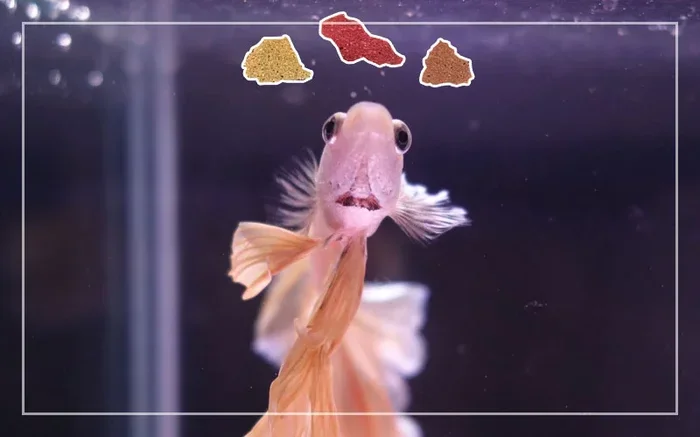
Yes, betta fish can eat tropical flakes, but they are not the ideal food choice. Tropical flakes often lack the protein levels bettas need to thrive. This guide covers betta fish nutrition, how tropical flakes compare to other foods, and the best feeding practices to keep your betta healthy and active.
Many betta fish owners wonder about the best way to feed their colorful companions. One common question is whether betta fish eat tropical flakes. The short answer is yes, they can. But the real question is whether they should. Feeding your betta the right food affects its energy, color, lifespan, and overall health. In this guide, we break down everything you need to know about feeding tropical flakes to your betta fish.
Bettas are popular pets. They are beautiful, active, and relatively easy to care for. But their diet plays a huge role in how well they thrive. Many beginners grab a container of tropical fish flakes from the pet store and assume that is good enough. The truth is more complicated. Understanding what bettas need to eat helps you make better choices every day.
This article covers the nutritional needs of betta fish, how tropical flakes stack up against other options, and practical feeding tips you can use right away. Whether you are a new betta owner or looking to improve your current feeding routine, you will find helpful advice here.
Key Takeaways
- Betta fish can eat tropical flakes: They will consume them, but tropical flakes should not be their primary food source.
- Protein is essential: Bettas need 30-50% protein in their diet, which tropical flakes often fall short of.
- Variety matters: Mixing flakes with pellets, live food, and frozen options creates a balanced diet.
- Feeding amount is critical: Overfeeding causes health problems, while underfeeding leads to malnutrition.
- Specialized betta food works best: Pellets and freeze-dried foods designed for bettas offer superior nutrition compared to generic tropical flakes.
- Watch for warning signs: Changes in appetite, color, or behavior can signal dietary issues.
📑 Table of Contents
- What Do Betta Fish Normally Eat?
- Can Betta Fish Eat Tropical Flakes?
- Tropical Flakes vs. Betta Pellets: What Is Better?
- How to Feed Tropical Flakes to Your Betta Properly
- Better Food Alternatives for Betta Fish
- Common Mistakes When Feeding Betta Fish
- Signs Your Betta’s Diet Needs Adjustment
- Expert Tips for Optimal Betta Nutrition
- Conclusion
What Do Betta Fish Normally Eat?
Bettas are carnivorous by nature. In the wild, they eat insects, larvae, and small organisms found near the water surface. Their digestive systems are built to process protein-rich foods. This is why understanding their natural diet matters so much when choosing what to feed them at home.
In captivity, bettas do well on a varied diet. Many owners use a combination of pellets, flakes, frozen foods, and live foods. The key is replicating the protein-rich meals they would find in their natural habitat. A betta fish diet that lacks proper nutrition can lead to health problems over time.
The Role of Protein in a Betta’s Diet
Protein is the building block of a betta’s health. Bettas need a diet that contains at least 30 to 50 percent protein. This helps them maintain their vibrant colors, strong fins, and active behavior. Foods low in protein may cause your betta to become sluggish, lose color, or develop health issues.
Good protein sources for bettas include brine shrimp, bloodworms, daphnia, and specially formulated betta pellets. These foods are much closer to what bettas would eat in the wild. When you feed your betta high-quality betta food, you give it the best chance at a long, healthy life.
Can Betta Fish Eat Tropical Flakes?
Yes, betta fish can eat tropical flakes. Most bettas will readily accept them. However, tropical flakes are not specifically designed for bettas. They are made for a wide range of tropical fish species, which means the nutritional profile does not perfectly match a betta’s needs.
If you have ever asked yourself do betta fish eat tropical fish flakes, the answer is yes. But the better question is whether tropical flakes should be the main part of their diet. The answer to that is no. Tropical flakes tend to be lower in protein and higher in fillers compared to foods made specifically for bettas.
Some owners use tropical flakes as a supplement or a backup option. That is perfectly fine. Just make sure your betta gets the majority of its nutrition from more appropriate food sources. If you want to learn more about what bettas prefer between different food types, check out this article on do betta fish eat flakes or pellets for a detailed comparison.
Why Tropical Flakes Fall Short
Tropical flakes are designed to be a general food for many types of fish. They contain a mix of ingredients that work for community tanks. But bettas have specific dietary requirements that generic flakes do not fully meet.
Here are the main reasons tropical flakes are not ideal for bettas:
- Low protein content: Many tropical flakes contain around 25 to 30 percent protein, which is below what bettas need.
- Fillers and additives: These flakes often include wheat, corn, and soy, which are hard for bettas to digest.
- Lack of variety: Relying on one food source limits the range of nutrients your betta receives.
- Texture issues: Some flakes dissolve too quickly, making a mess and reducing the nutritional value your betta actually gets.
If you currently feed your betta tropical flakes, you do not need to stop immediately. But consider transitioning to a more suitable food over time. For more information on alternatives, read about do betta fish eat tropical fish food to explore better options for your betta.
Tropical Flakes vs. Betta Pellets: What Is Better?
When it comes to feeding bettas, the debate between flakes and pellets is common. Both have their pros and cons. Understanding the differences helps you make the best choice for your fish.
Betta pellets are specifically formulated for bettas. They are denser, higher in protein, and sink or float depending on the brand. Many experienced betta owners prefer pellets because they provide targeted nutrition. The pellets also make it easier to control portion sizes, which helps prevent overfeeding.
Tropical flakes, on the other hand, are more affordable and widely available. They work well in community tanks where multiple fish species share the same food. But for a single betta, pellets are generally the better option.
If you want a deeper dive into this comparison, you can read our detailed guide on do betta fish eat regular fish food to understand how different food types affect your betta’s health.
Comparison Table: Tropical Flakes vs. Betta Pellets
| Feature | Tropical Flakes | Betta Pellets |
|---|---|---|
| Protein Content | 25-30% | 35-50% |
| Fillers | High (wheat, corn, soy) | Low to none |
| Texture | Thin, dissolves quickly | Dense, holds shape longer |
| Best For | Community tanks | Bettas specifically |
| Price | Budget-friendly | Moderate to premium |
| Nutritional Balance | General purpose | Targeted for bettas |
As you can see, betta pellets win in almost every category that matters for your betta’s health. That does not mean tropical flakes are completely off the table. They can still be used occasionally or mixed with other foods. But they should never be the sole food source for your betta.
How to Feed Tropical Flakes to Your Betta Properly
If you decide to feed tropical flakes to your betta, there are right ways and wrong ways to do it. Following proper feeding techniques ensures your betta gets the nutrition it needs without any negative side effects.
Portion Control Is Key
Bettas have small stomachs. They should only be fed what they can eat in two to three minutes. Overfeeding is one of the most common mistakes new betta owners make. Excess food sinks to the bottom of the tank, decays, and pollutes the water. Poor water quality leads to stress and illness in bettas.
A good rule of thumb is to offer two to three small flakes per feeding, once or twice a day. If your betta leaves food behind, reduce the amount. Watch your fish during feeding time to see how much it actually consumes.
Soaking Flakes Before Feeding
One helpful tip is to soak tropical flakes in a small amount of tank water before adding them to the aquarium. This softens the flakes and makes them easier for your betta to digest. Dry flakes can expand in your betta’s stomach, which may cause bloating or discomfort.
Simply drop a few flakes into a small cup of aquarium water and let them sit for a minute or two. Then use a soft net or your fingers to place the softened flakes near your betta. This small step can make a big difference in your fish’s comfort and digestion.
Feeding Frequency
Feeding your betta once or twice a day is the standard recommendation. Some owners skip a day once a week to give the betta’s digestive system a rest. This mimics the natural eating patterns bettas would experience in the wild, where meals are not always available every single day.
Avoid feeding your betta three or more times a day. More frequent feeding does not mean better nutrition. It often leads to obesity and water quality problems. Stick to a consistent schedule and your betta will stay healthy.
Better Food Alternatives for Betta Fish
If you want to give your betta the best possible diet, there are many alternatives to tropical flakes. These options provide higher protein content and better overall nutrition. Mixing different foods creates a balanced and exciting diet for your fish.
Here are some of the best alternatives to consider:
- Betta pellets: The gold standard for betta nutrition. Look for pellets with high protein content and minimal fillers.
- Freeze-dried bloodworms: A protein-rich treat that bettas love. Use them as a supplement, not a staple food.
- Frozen brine shrimp: Excellent for boosting protein intake and encouraging natural hunting behavior.
- Live foods: Mosquito larvae, daphnia, and micro worms are closest to what bettas eat in the wild.
- Betta-specific flakes: Some brands make flakes formulated specifically for bettas. These are a better choice than generic tropical flakes if you prefer the flake format.
For more ideas on what you can feed your betta beyond flakes, check out our article on do betta fish eat special food for a comprehensive list of unique and nutritious food options.
Creating a Weekly Feeding Schedule
A great way to ensure your betta gets balanced nutrition is to follow a weekly feeding schedule. Here is a simple example:
- Monday: Betta pellets (morning and evening)
- Tuesday: Pellets in the morning, freeze-dried bloodworms in the evening
- Wednesday: Pellets only
- Thursday: Pellets in the morning, frozen brine shrimp in the evening
- Friday: Pellets only
- Saturday: Pellets in the morning, a small amount of tropical flakes as a treat
- Sunday: Fasting day (no food)
This schedule gives your betta variety while keeping protein levels high. The fasting day on Sunday helps prevent overfeeding and gives the digestive system a break. Feel free to adjust based on your betta’s preferences and appetite.
Common Mistakes When Feeding Betta Fish
Even experienced betta owners sometimes make feeding mistakes. Being aware of these common errors helps you avoid them and keep your betta healthy.
Overfeeding
This is the number one mistake. Bettas will eat as much as you offer, even if they are full. Overfeeding leads to obesity, bloating, and poor water quality. Uneaten food decays quickly and raises ammonia levels in the tank, which can be deadly for your fish.
Feeding Only One Type of Food
Variety is essential for a balanced diet. If you only feed tropical flakes or only pellets, your betta will miss out on important nutrients. Rotating between different food types ensures your betta gets a full range of vitamins, minerals, and proteins.
Using Human Food
Some owners wonder if they can share their own food with their betta. While bettas can eat certain foods like peas or lettuce in small amounts, most human food is not suitable. Foods high in salt, oil, or seasoning can harm your fish. Stick to foods made specifically for bettas or other fish.
Ignoring Your Betta’s Appetite
Every betta is different. Some have bigger appetites than others. If your betta refuses food for a day or two, do not panic. This is normal behavior, especially if the water temperature is cooler than usual. Bettas eat less in cooler water because their metabolism slows down. For more on this topic, read about do betta fish eat less in the winter to understand seasonal changes in appetite.
Signs Your Betta’s Diet Needs Adjustment
Watching your betta closely helps you catch dietary problems early. A healthy betta is active, has bright colors, and eats eagerly. If you notice changes, it might be time to adjust the diet.
Here are signs that your betta’s food may not be right:
- Loss of color: A dull or faded appearance can signal a lack of proper nutrients.
- Low energy: If your betta spends most of the time resting and shows little interest in food, the diet may need improvement.
- Fin clamping: Holding fins close to the body can indicate stress, which sometimes relates to poor nutrition.
- Bloating: A swollen belly often results from overfeeding or foods that are hard to digest.
- Refusing food: While occasional fasting is normal, consistently refusing food is a red flag.
If you notice any of these signs, try switching to a higher-quality food and monitor your betta over the next week or two. Small dietary changes can make a big difference in your fish’s appearance and behavior.
Expert Tips for Optimal Betta Nutrition
Experienced betta keepers follow a few simple principles that make a huge difference. Here are some expert tips to elevate your betta’s feeding routine:
- Rotate foods regularly: Switching between pellets, frozen foods, and occasional flakes keeps mealtime interesting and nutrition balanced.
- Soak dry foods first: This prevents digestive issues and makes the food easier to eat.
- Feed near the surface: Bettas are surface eaters. Drop food near the top of the tank so your betta can find it easily.
- Remove uneaten food: Use a small net or turkey baster to clean up any food left after feeding sessions.
- Read ingredient labels: Look for foods where a protein source (like fish meal or shrimp) is listed as the first ingredient.
Following these tips consistently will help your betta thrive. Good nutrition is one of the simplest and most effective ways to support your betta’s health and longevity.
Conclusion
So, do betta fish eat tropical flakes? Yes, they can and they will. But tropical flakes should not be the foundation of your betta’s diet. These flakes lack the protein and nutritional balance that bettas need to stay healthy and vibrant. Use them as an occasional supplement, not a daily staple.
The best approach is to feed your betta a varied diet centered around high-quality betta pellets, supplemented with frozen or live foods. This gives your fish the protein, vitamins, and minerals it needs to flourish. Pay attention to portion sizes, feeding frequency, and your betta’s behavior. These small efforts add up to a happier, healthier fish.
Your betta depends on you for its nutrition. By making informed food choices, you are investing in your betta’s well-being and enjoying a more rewarding experience as a fish owner. Start making small improvements to your feeding routine today, and you will see the difference in your betta’s energy, color, and overall happiness.
Frequently Asked Questions
Can betta fish survive on tropical flakes alone?
Bettas can survive on tropical flakes, but they will not thrive. Tropical flakes lack the protein levels and nutritional balance bettas need. Over time, a diet based only on tropical flakes can lead to health problems and a shorter lifespan. It is best to use tropical flakes only as a supplement to a more complete diet.
How often should I feed my betta tropical flakes?
If you feed tropical flakes, limit them to no more than two to three times per week. The majority of your betta’s diet should come from betta-specific pellets or other high-protein foods. This ensures your betta gets enough nutrition without relying on a food that does not meet its dietary needs.
Are tropical flakes bad for betta fish?
Tropical flakes are not bad, but they are not ideal. They contain fillers and lower protein levels that do not match a betta’s natural diet. Occasional feeding is fine, but they should not replace a proper betta food. Think of tropical flakes as a treat, not a staple meal.
What is the best alternative to tropical flakes for bettas?
Betta pellets are the best alternative. They are specifically formulated with the protein levels and nutrients bettas require. Freeze-dried bloodworms, frozen brine shrimp, and live foods also make excellent additions. For a full list of food options, check out our guide on do betta fish eat special food.
Why does my betta spit out tropical flakes?
Bettas sometimes spit out flakes because the texture or taste does not appeal to them. Flakes that are too large, too dry, or low in protein may be rejected. Try soaking the flakes first or switching to a higher-quality food. If spitting out continues, your betta may simply prefer a different food type.
Can baby betta fish eat tropical flakes?
Baby bettas, also called fry, need very small and protein-rich foods. Tropical flakes are generally too large and not protein-dense enough for fry. It is better to feed baby bettas specially formulated fry food, infusoria, or finely crushed pellets. As they grow, you can gradually introduce other food types.