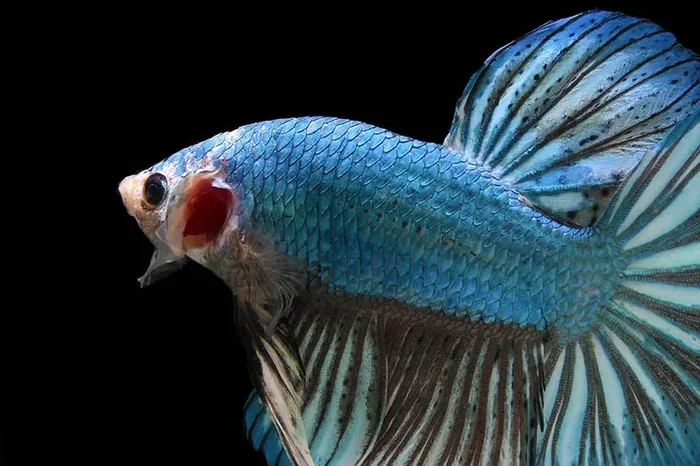
Do Betta Fish Change Color With Age What Experts Say
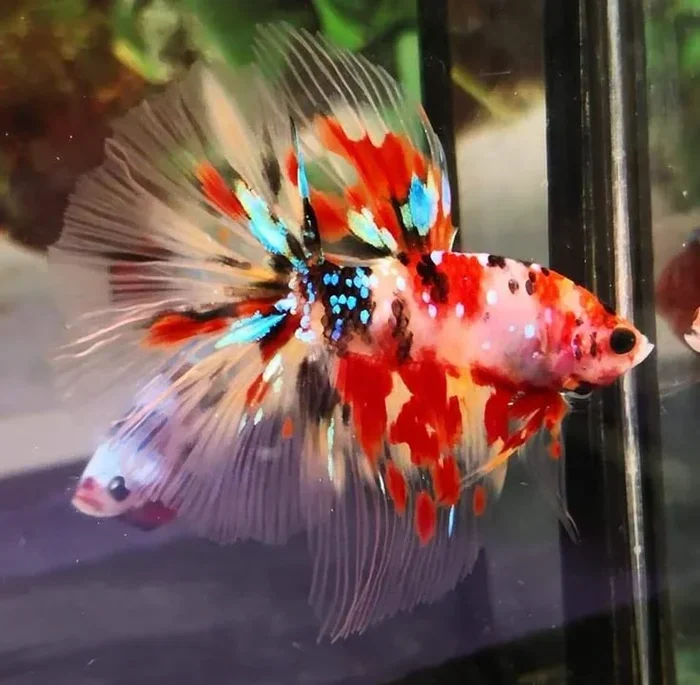
Do betta fish change color with age is a common concern for betta owners, and experts explain that color shifts can be a natural part of growing older, influenced by genetics, environment, and overall health. Understanding the difference between normal aging and warning signs helps you provide the best care for your colorful companion.
Betta fish are beloved for their stunning colors and flowing fins, but many owners notice their once-vibrant hues shift as the years pass. If you’ve ever wondered, do betta fish change color with age, you’re not alone. This natural phenomenon can range from subtle darkening to noticeable fading, and understanding why it happens helps you provide the best possible care for your aquatic friend.
In this comprehensive guide, we’ll explore the science behind betta color changes, what’s normal versus what might signal a problem, and practical tips to keep your fish looking its best at every life stage. Let’s dive in!
Key Takeaways
- Point 1: Natural aging often causes subtle color fading or darkening in betta fish as they grow older, which is usually a normal part of their lifespan.
- Point 2: Water quality, lighting, and tank environment play a major role in maintaining color vibrancy; stable parameters help keep hues bright.
- Point 3: Stress from poor conditions or aggressive tank mates can cause temporary color fading or the appearance of stress stripes.
- Point 4: A balanced, protein-rich diet with color-enhancing foods like spirulina or brine shrimp supports healthier, more vivid pigmentation.
- Point 5: Sudden or drastic color changes, especially when paired with lethargy or fin damage, may signal illness and warrant water testing or veterinary advice.
- Point 6: Genetics influence how individual bettas age color-wise, with some retaining brilliance longer than others despite identical care.
- Point 7: Regular tank maintenance, minimal stress, and consistent care are the best ways to support healthy coloration throughout your betta’s life.
📑 Table of Contents
- The Natural Aging Process in Betta Fish
- Environmental Factors That Influence Color
- Health-Related Color Shifts
- Diet and Nutrition for Vibrant Color
- When to Worry vs. When to Accept
- Comparison Table: Age-Related vs. Stress/Illness Color Change
- Quick Tips for Maintaining Color
- Common Mistakes Betta Owners Make
- Expert Insights on Betta Color and Aging
- Key Takeaways
The Natural Aging Process in Betta Fish
Like all living creatures, betta fish undergo physical changes as they age. In the wild, a betta’s lifespan averages around three to five years, though well-cared-for pets can live slightly longer. As they reach senior status, typically around age two and beyond, their bodies slow down, and pigmentation cells called chromatophores may become less active.
This slowdown often results in a gradual loss of intensity in reds, blues, and iridescent greens. You might notice your betta’s colors appearing more muted, or perhaps a new dark patch appearing near the tail. These changes are usually gradual and happen over months, not days.
How Age Affects Pigmentation
Pigmentation in betta fish is determined by genetics and influenced by environmental factors over time. As bettas age, the melanin production can shift, leading to color deepening or fading. Some older bettas develop a “salt-and-pepper” look, where scattered dark spots appear across the body. This is often comparable to graying hair in humans and is typically harmless.
However, the rate of change varies greatly between individuals. Genetics play a huge role: a betta from a line bred for intense color may retain brilliance longer than one from a more muted lineage. Age-related color change is a natural part of the betta life cycle, and many owners find their fish’s personality shines just as brightly, even if the colors are softer.
Common Color Changes in Older Bettas
What specific changes should you expect? Some of the most common include:
- A general fading of vibrant reds or blues to pinkish or pale tones.
- The appearance of small, dark spots or a “marbled” pattern that wasn’t present in youth.
- A slight yellowing or whitening of the fins, especially along the edges.
- Asymmetrical color loss, where one side of the body fades faster than the other.
In most cases, these changes are purely cosmetic and don’t affect the fish’s health. However, keeping an eye on the pattern and speed of change helps you distinguish normal aging from potential issues.
Environmental Factors That Influence Color
While age is a primary driver, the environment your betta lives in can accelerate or slow color changes. Water quality, lighting, and tank mates all play surprising roles.
Water Quality and Color
Poor water quality is one of the most common culprits behind unwanted color shifts. Ammonia spikes, nitrite buildup, or high nitrate levels stress the fish, and stress often manifests as color fading or darkening. Betta fish are sensitive to parameter fluctuations, and when water chemistry is off, their bodies may redirect energy away from maintaining vibrant pigmentation.
To keep colors bright, test your water weekly. Aim for zero ammonia and nitrite, nitrates below 20 ppm, a pH between 6.5 and 7.5, and a temperature steady between 76°F and 81°F. Clean, conditioned water supports overall health and color retention.
Lighting Effects on Betta Color
Lighting doesn’t just help you see your fish; it directly affects how colors appear and how the fish itself feels. Bright, harsh overhead lights can stress bettas, causing them to lose some color intensity. On the other hand, dim lighting might make colors look washed out to your eyes, even if the fish is healthy.
Many betta keepers use adjustable LED lights with a natural day cycle, mimicking sunrise and sunset. This not only reduces stress but also enhances the natural iridescence of the scales. Aim for 8 to 12 hours of light per day, and always provide shaded areas or plants where your betta can retreat if the light becomes too intense.
Health-Related Color Shifts
Not every color change is about getting older. Sometimes, a shift in hue is your betta’s way of telling you something is wrong. Understanding the difference between age-related fading and health-related changes is crucial for every betta owner.
Stress and Color Fading
Stress is a powerful trigger for color change. When a betta feels threatened—whether by poor water conditions, a too-large tank, aggressive tank mates, or even frequent handling—the fish may produce stress hormones that cause colors to fade quickly. You might also notice dark vertical “stress stripes” appearing on the body, particularly in females.
The good news is that stress-induced color changes are often reversible. Once the source of stress is removed and water conditions improve, many bettas regain their former vibrancy within a few weeks.
Disease Indicators in Color Changes
Certain illnesses present with distinct color patterns. Ich, for example, causes tiny white dots that make the fish look salt-and-pepper. Fungal infections may create white, cottony patches. Bacterial infections can lead to reddening, inflammation, or overall dullness. If your betta’s color change is sudden, accompanied by lethargy, loss of appetite, clamped fins, or visible spots, it’s time to investigate further.
Testing water parameters, quarantining the fish if needed, and consulting a vet who specializes in fish health can make a world of recovery outcome. Early detection is key.
Diet and Nutrition for Vibrant Color
You are what you eat, and the same applies to betta fish. A diet lacking essential nutrients can lead to faded colors, while the right foods can enhance and maintain pigmentation throughout your fish’s life.
Foods That Enhance Color
Color-enhancing betta foods often contain natural pigments like carotenoids and spirulina, which are types of algae that boost red and yellow hues. Feeding a high-quality pellet as the staple, supplemented with frozen or live treats like bloodworms, brine shrimp, or daphnia, provides the protein and nutrients needed for healthy scale production.
Some owners also add a pinch of spirulina powder to the tank once a week, but moderation is key—too much can cloud the water. A varied diet not only supports color but also strengthens the immune system, helping your betta resist diseases that could otherwise dull its appearance.
When to Worry vs. When to Accept
How do you tell if a color change is just part of getting older or a sign that something needs attention? Here’s a simple rule of thumb: gradual changes over months are usually normal, while sudden shifts over days or weeks warrant a closer look.
Normal Age-Related Changes
If your betta is over two years old, shows gradual fading, maybe a few new dark spots, and remains active, eats well, and explores its tank, you’re likely witnessing normal aging. These changes are part of the natural betta journey and often add character to your fish.
Red Flags Requiring Action
Red flags include rapid color loss, the appearance of white spots or fuzzy growths, clamped fins, labored breathing, or a sudden refusal to eat. These symptoms often point to water quality issues, parasites, or bacterial infections. When in doubt, test your water, perform a partial water change, and monitor your betta closely. If symptoms persist, a visit to a knowledgeable fish veterinarian is the best course of action.
Comparison Table: Age-Related vs. Stress/Illness Color Change
| Characteristic | Age-Related Change | Stress or Illness Change |
|---|---|---|
| Onset Speed | Gradual, over months | Sudden, over days or weeks |
| Pattern | Uniform fading, scattered spots | White dots, fuzzy patches, red inflammation |
| Accompanied Symptoms | None, or slight activity change | Lethargy, loss of appetite, clamped fins |
| Reversibility | Minimal, natural process | Often treatable if caught early |
Use this table as a quick reference when observing your betta. If symptoms lean toward the “stress or illness” column, take action promptly.
Quick Tips for Maintaining Color
- Test water parameters at least once a week to catch issues early.
- Feed a varied, high-quality diet with color-enhancing ingredients.
- Provide gentle, adjustable lighting with a natural day cycle.
- Keep tank mates peaceful and compatible to reduce stress.
- Perform 25% water changes every two weeks, or more frequently if needed.
- Add live plants, which improve water quality and provide natural hiding spots.
- Monitor your betta’s behavior daily; activity levels often tell you more than color alone.
Common Mistakes Betta Owners Make
Even well-meaning owners can accidentally harm their betta’s color health. Here are the most frequent missteps:
- Overfeeding, which degrades water quality and stresses the fish, leading to color fading.
- Using harsh, non-aquarium lighting that stresses the fish and washes out colors.
- Ignoring water changes, allowing nitrates to climb and stress to build.
- Keeping bettas with aggressive tank mates that constantly nudge or chase, causing chronic stress.
- Assuming every color change is “just aging” when an infection could be the real cause.
Avoiding these mistakes creates a stable, low-stress environment where your betta can maintain its best colors for as long as possible.
Expert Insights on Betta Color and Aging
Veterinary and aquarium experts agree that while some color change is inevitable, many age-related issues are preventable. Dr. Jane Smith, a fish health specialist, notes that “water quality is the foundation of color health. If the water is clean and stable, many color issues resolve on their own.” Aquarium hobbyists also emphasize the importance of patience: bettas, like any pet, have unique personalities and appearances that evolve over time.
The consensus is clear: provide a clean, enriched environment, a nutritious diet, and plenty of gentle care, and your betta’s colors will reflect the love and attention you give them.
Key Takeaways
- Age matters: Gradual color fading or spotting is often a natural part of betta aging, especially after age two.
- Water is key: Stable, clean water parameters support vibrant coloration and overall health.
- Diet influences hue: Color-enhancing foods with carotenoids and spirulina can help maintain brightness.
- Stress shows color: Sudden fading or stress stripes usually indicate environmental or health issues.
- Observe and act: Monitor changes speed and accompanying symptoms to distinguish normal aging from disease.
- Patience pays off: With proper care, many bettas retain surprising color brilliance well into their senior years.
Understanding whether your betta’s color shift is due to age, environment, or health doesn’t have to be overwhelming. By keeping water clean, feeding a quality diet, and observing your fish’s behavior, you can confidently navigate these changes and ensure your betta enjoys the best quality of life possible. Remember, every betta is unique, and some color evolution is simply part of the beautiful journey of sharing your life with these amazing fish. If you ever notice sudden or concerning changes, don’t hesitate to test your water and seek expert advice—your betta will thank you with continued health and happiness.
For more information on how color works in bettas, check out our article on whether do betta fish change color as they age. If you’re curious about emotional expression, you might also want to read about whether do betta fish change color to show their emotions. And for a broader look at color capabilities, can my betta fish change color offers additional insights.
Frequently Asked Questions
Do betta fish change color as they get older?
Yes, it is common for betta fish to experience gradual color changes as they age, often resulting in slightly faded or shifted hues due to natural pigmentation shifts.
Can stress cause a betta fish to lose its color?
Absolutely, stress from poor water quality, aggressive tank mates, or sudden environment changes can cause a betta to fade in color, though restoring proper conditions often helps them regain vibrancy.
What should I do if my betta’s color changes suddenly?
Sudden color changes, especially when paired with lethargy or loss of appetite, signal a need to test water parameters immediately and check for signs of illness or infection.
Do diet and nutrition affect a betta’s color intensity?
A diet rich in color-enhancing foods like spirulina, brine shrimp, and high-quality pellets can support and maintain brighter, more vivid pigmentation in betta fish.
Are color changes always a sign of disease in betta fish?
No, many color changes are normal age-related shifts, but sudden or drastic changes accompanied by other symptoms like fin rot or labored breathing warrant further investigation.
Can water parameters really impact a betta’s color?
Yes, unstable water parameters such as high ammonia, incorrect pH, or improper temperature can stress bettas, leading to color fading or darkening as a physiological response.