Do Angelfish and Betta Fish Get Along in Your Aquarium
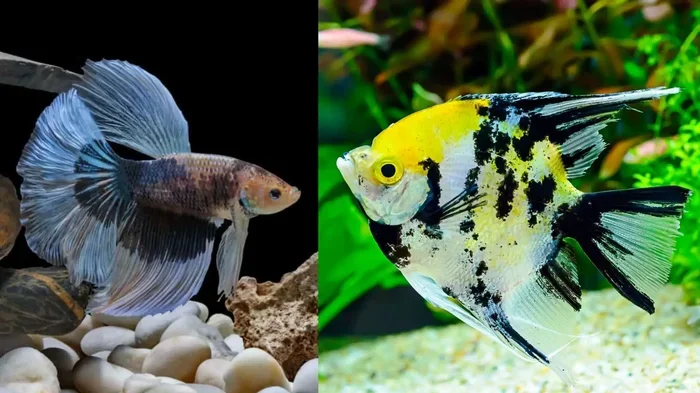
Do angelfish and betta fish get along in a shared aquarium? The answer depends on tank size, water conditions, and individual personalities. With careful planning, many aquarists can keep them together, but it requires attention to their needs.
Many fish keepers ask themselves, do angelfish and betta fish get along in a community aquarium? The question is common because both species are popular and have striking appearances, but they also have very different needs. Understanding their behavior and requirements is the first step toward creating a balanced tank.
The answer depends on several variables, including the size of your tank, the water conditions you can maintain, and the individual personalities of the fish you choose. In this guide, we will explore those variables and give you practical steps to increase the chances of a peaceful cohabitation. By the end, you will know what to prepare, what to avoid, and how to monitor your fish for signs of stress or disease.
Key Takeaways
- Size matters: Angelfish grow large and need space, while bettas are smaller and can be territorial.
- Temperament varies: Some angelfish are peaceful, others aggressive; bettas can be fin nippers.
- Water parameters must match: Both need similar pH, temperature, and hardness.
- Tank setup is crucial: Provide hiding spots, plants, and visual barriers.
- Introduce slowly: Use a quarantine tank and gradual introduction to reduce stress.
- Monitor behavior: Watch for signs of aggression and be ready to separate.
📑 Table of Contents
Do Angelfish and Betta Fish Get Along?
Short answer: they can, but only if you meet specific requirements. Both angelfish and bettas are known for their territorial behavior, and without enough space they may become aggressive. When you provide a large enough tank, proper filtration, and plenty of hiding spots, many hobbyists report successful community setups. However, it is not a guarantee, and each situation is unique. Success also depends on the order in which you add fish and how you manage their interactions.
For a deeper dive into this topic, you can read our detailed article Do Betta Fish Get Along With Angelfish which covers many scenarios and offers real‑world examples. This resource explains how tank size, water parameters, and stocking order influence outcomes, and it provides tips for reducing aggression.
Temperament and Behavior
Angelfish Social Structure
Angelfish are cichlids, and most cichlids are naturally territorial. They often establish a hierarchy within the tank, with a dominant fish claiming the best spots. A dominant angelfish may chase other fish, especially those that look similar or swim in its territory. However, many angelfish are peaceful when they have enough room and visual barriers. Their behavior can change during breeding, when they become more protective of a chosen spawning site.
- Angelfish can grow up to 6 inches in length, so they need a tall tank with plenty of vertical space.
- They are more active in the middle and upper water columns, leaving the bottom area for other species.
- Their aggression tends to increase during breeding periods, so monitoring is essential.
- Providing multiple hiding spots helps reduce territorial disputes.
Betta Social Structure
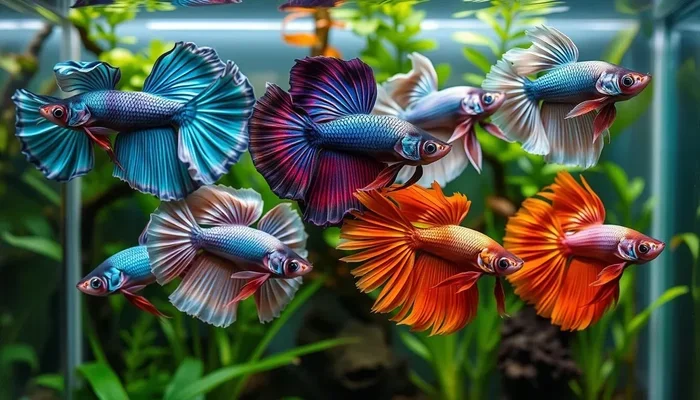
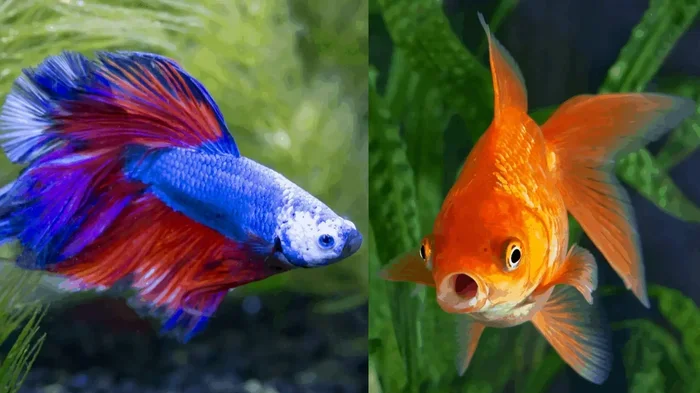
Betta fish, also known as Siamese fighting fish, are famous for their long fins and vibrant colors. They are solitary by nature and can be quite territorial, especially toward other males. A betta may flare its gills and chase any fish that enters its space. However, a well‑adjusted betta can coexist with non‑aggressive tank mates. Their flowing fins make them vulnerable to nipping, so tank mate selection is critical.
- Bettas prefer to swim near the surface and middle of the tank, often resting on leaves or decorations.
- They are sensitive to fin nipping, so avoid tank mates with pointy teeth or aggressive mouthparts.
- Providing plants, caves, and soft substrate helps reduce stress and mimics their natural habitat.
- Male bettas should never be housed together, as they will fight to the death.
Interaction Patterns
When angelfish and bettas share a tank, their interactions can vary. Some bettas may ignore the larger angelfish, while others may repeatedly chase them. Angelfish might nip at the betta’s long fins, especially if they are hungry or stressed. Observing these patterns daily helps you decide if separation is needed. Creating a complex environment with many visual barriers reduces direct line of sight and can minimize confrontations.
Compatibility Factors
Before you decide to house angelfish and bettas together, consider these key elements. Each factor influences how the two species will interact and whether they can share the same water without constant conflict.
- Tank size: A minimum of 30 gallons is recommended for a pair of angelfish, and adding a betta requires even more space. A 40‑gallon breeder tank offers a good balance and allows for future additions.
- Water parameters: Both species thrive in temperatures between 75°F and 82°F and a pH of 6.5 to 7.5. Consistent water quality reduces stress and disease risk.
- Filtration: Strong filtration helps maintain water quality, which reduces stress and disease risk. A canister filter or hang‑on‑back filter with adjustable flow works well, but avoid creating a strong current that bettas dislike.
- Decor and hiding spots: Live plants, driftwood, and ceramic caves create visual barriers that break line of sight. These also provide shelter and reduce aggression.
- Stocking density: Overcrowding increases aggression, so keep the number of fish appropriate for the tank volume. A general rule is one inch of fish per gallon, but larger fish need more space.
Water Chemistry Details
Both angelfish and bettas prefer slightly acidic to neutral water. Aim for a pH between 6.5 and 7.5, with a carbonate hardness (KH) of 3‑8 dKH to stabilize pH. General hardness (GH) should be between 5‑12 dGH. Ammonia and nitrite levels must remain at zero, while nitrate should be kept below 40 ppm through regular water changes. Using a liquid test kit helps you monitor these parameters weekly.
Filtration Options
- A sponge filter provides gentle flow and is ideal for bettas, but may need an additional powerhead for larger tanks.
- A canister filter offers strong biological filtration and can be adjusted to reduce flow.
- A hang‑on‑back filter is easy to maintain and can be baffled to lower current.
Substrate Choices
Smooth substrates like sand or fine gravel protect betta fins from abrasion. Avoid sharp or coarse gravel that could tear their delicate fins. A substrate depth of 2‑3 inches allows for plant root growth and helps maintain beneficial bacteria.
Quick Comparison
| Characteristic | Angelfish | Betta Fish |
|---|---|---|
| Adult size | Up to 6 inches | 2 to 3 inches |
| Temperament | Territorial, can be aggressive | Territorial, may flare |
| Preferred water temperature | 75‑82°F | 75‑82°F |
| pH range | 6.5‑7.5 | 6.5‑7.5 |
| Diet | Omnivore, flakes, pellets, live food | Omnivore, pellets, bloodworms |
| Minimum tank size | 20 gallons for one, 30+ for pair | 5 gallons for one, 10+ for community |
As you can see, the two species share similar water requirements, but their size and behavioral tendencies differ. Matching these needs is essential for a stable community. If you are curious about other tank mates, you might find our guides on Do Betta Fish And Tetras Get Along and Do Betta Fish And Plecos Get Along helpful for building a diverse aquarium.
Tank Setup for Coexistence
Creating an environment that satisfies both species reduces the chance of conflict. Follow these steps to prepare your tank and increase the likelihood of peaceful interaction.
Choosing the Right Tank
- Opt for a long, wide tank rather than a tall, narrow one. This gives both angelfish and bettas room to swim and establish territories without overlapping too much.
- A 40‑gallon breeder tank is ideal for a pair of angelfish and a single betta, providing enough volume to diffuse aggression.
- Ensure the tank has a sturdy lid, as angelfish are known to jump when startled.
- Consider a tank with a front‑opening door for easier maintenance and observation.
Adding Hiding Places
Visual barriers break line of sight, which helps prevent chasing. Use a combination of the following to create a complex environment:
- Live plants such as Amazon swords, java fern, or Vallisneria, which also help maintain water quality and provide oxygen.
- Driftwood and rock formations that provide natural caves, ledges, and crevices.
- Ceramic caves or PVC pipes that offer secure retreats for the betta, especially during resting periods.
- Floating plants like duckweed or water lettuce, which shade the surface and reduce light intensity.
Quarantine and Acclimation
Before adding any fish to the main tank, quarantine them in a separate container for at least two weeks. This helps prevent the introduction of diseases. When ready to transfer, acclimate the fish slowly by adding tank water to the bag over 15‑20 minutes. This reduces shock and stress.
Lighting and Photoperiod
Provide 8‑10 hours of light per day to support plant growth and fish behavior. Use a timer to maintain a consistent schedule, which helps regulate the fish’s circadian rhythm and reduces stress. Avoid sudden changes in lighting, as both species can become startled.
Quick Tips for Setup
- Position the heater and filter to create a gentle flow, avoiding strong currents that bettas dislike.
- Use a substrate that is smooth, like sand or fine gravel, to protect betta fins from abrasion.
- Install a timer for the lights to maintain a consistent day‑night cycle, which reduces stress.
- Consider adding a sponge filter for additional biological filtration without creating strong water movement.
- Test water parameters weekly and perform partial water changes of 20‑30% to keep ammonia and nitrate levels low.
Managing Aggression and Health
Even with careful planning, aggression can occur. Knowing how to respond keeps your fish safe and prevents the situation from escalating.
Signs of Stress
Watch for these common indicators that a fish is struggling in the tank:
- Clamped fins, especially in bettas, which often signal discomfort or illness.
- Rapid breathing or gasping at the surface, indicating low oxygen or poor water quality.
- Loss of appetite or erratic swimming patterns, which may point to internal parasites.
- White spots or fuzzy growths, which may indicate disease such as ich or fungal infections.
- Increased hiding or lethargy, suggesting the fish feels threatened.
Common Mistakes to Avoid
Many beginners make errors that can lead to conflict or health issues. Avoid these pitfalls:
- Introducing fish too quickly without a quarantine period, which can spread disease.
- Overfeeding, which leads to excess waste and deteriorating water quality.
- Keeping multiple male bettas together, as they will fight to the death.
- Ignoring fin nipping from angelfish, which can injure the betta’s long fins.
- Using a tank that is too small, forcing the fish into constant competition for space.
- Failure to perform regular water changes, resulting in buildup of toxins.
Common Diseases and Treatments
Both angelfish and bettas are susceptible to several common ailments:
- Ich (white spot disease): Treat with a temperature increase to 86°F and an ich medication containing malachite green.
- Fungal infections: Apply an antifungal treatment such as methylene blue or a commercial fungus remedy.
- Bacterial infections: Use a broad‑spectrum antibiotic like tetracycline, following the manufacturer’s dosage.
- Fin rot: Improve water quality and consider adding a mild antibacterial agent like aquarium salt.
Expert Insights
According to experienced aquarists, the best approach is to start with a single betta and a pair of angelfish, then monitor interactions daily. If any fish shows persistent aggression, separate them immediately. Using a divider tank for a few days can help diffuse tension. Some hobbyists recommend feeding the angelfish first, then the betta, to reduce competition for food. Regular water tests and partial water changes are also crucial for maintaining a healthy environment. Additionally, maintaining a stable temperature and avoiding sudden changes in lighting can help keep both species calm.
Final Verdict
In summary, do angelfish and betta fish get along is not a simple yes or no. They can coexist if you provide a spacious tank, stable water parameters, and plenty of hiding spots. Success depends on individual temperament, careful introduction, and ongoing observation. By following the guidelines above, you can create a balanced community where both species display their natural colors and behaviors without constant conflict.
Remember, patience is key—rushing the process often leads to stress and disease. Start with a thorough plan, monitor your fish closely, and be ready to adjust the setup as needed. With time, many hobbyists enjoy a peaceful aquarium that showcases the beauty of both angelfish and bettas, making the effort worthwhile.
Take the time to research, prepare your equipment, and observe your fish daily. A well‑maintained tank not only keeps your angelfish and betta healthy, but also creates a vibrant underwater world that you can enjoy for years. Consistent water testing, proper feeding, and a watchful eye on behavior will help ensure that your community tank remains a thriving ecosystem.
Frequently Asked Questions
Can angelfish and betta fish live together?
They can live together if the tank is large enough and provides plenty of hiding spots. Both species require similar water conditions, but their territorial nature means careful monitoring is essential. With proper setup, many aquarists successfully keep them in the same aquarium.
What is the minimum tank size for keeping angelfish and betta fish together?
A 40‑gallon tank is generally recommended for a pair of angelfish and a single betta. This size offers enough space to reduce aggression and allows for adequate filtration. Smaller tanks increase the risk of conflict and stress.
How should I introduce angelfish and betta fish to the same tank?
Start by quarantining each fish for at least two weeks to ensure they are healthy. Then, use a slow acclimation process by adding tank water to the bag over 15‑20 minutes. After introduction, observe their behavior daily and be ready to separate them if aggression occurs.
What are the signs that angelfish or betta fish are stressed?
Common signs include clamped fins, rapid breathing, loss of appetite, and erratic swimming. Both species may also hide more often or display faded colors. Testing water parameters and performing partial water changes can help alleviate stress.
Can I keep more than one angelfish with a betta fish?
It is possible to keep a pair of angelfish with a single betta, but adding more angelfish increases the chance of aggression. Each additional angelfish requires extra space and hiding places. Monitor interactions closely and be prepared to separate fish if needed.
What water parameters are ideal for angelfish and betta fish?
Both species thrive in temperatures between 75°F and 82°F and a pH of 6.5 to 7.5. Ammonia and nitrite should be zero, with nitrate below 40 ppm. Regular water testing and weekly partial water changes help maintain these parameters.