Do Betta Fish Have Hearts
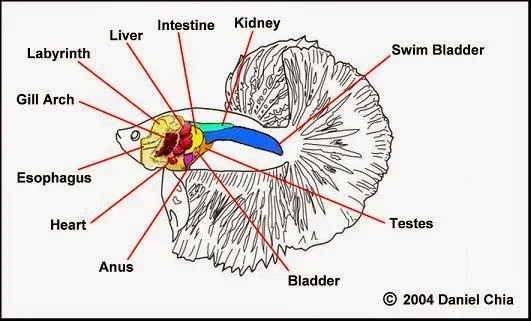
Yes, betta fish do have hearts. Their betta fish heart is a simple two-chamber organ that pumps blood through their body, keeping them alive and thriving. Understanding betta fish anatomy helps every fish owner provide better care for their colorful companion.
If you have ever watched your betta fish glide gracefully through the water, you might have wondered about what is happening inside their tiny body. One question that comes up a lot is do betta fish have hearts. The answer is yes, and their heart is more interesting than you might think.
Betta fish are amazing creatures. They have organs that work together to keep them alive, and the heart plays a central role in that process. Whether you are a new betta owner or have had these fish for years, understanding betta fish anatomy helps you take better care of your pet.
In this article, we will explore everything about the betta fish heart. We will look at how it works, what it looks like, common heart problems, and how to keep your betta healthy. By the end, you will know a lot more about your fish’s inner world.
## What Does a Betta Fish Heart Look Like?
A betta fish heart is small and simple. Unlike the four-chambered human heart, a fish heart has only two chambers. These are the atrium and the ventricle. The atrium receives blood, and the ventricle pumps it out to the rest of the body.
The heart sits right behind the gills in a betta fish. It is a tiny, reddish-pink organ that you can sometimes see through the skin if you look closely. Because bettas are relatively small fish, their hearts are proportionally tiny too.
### How Small Is a Betta Fish Heart?
A betta fish heart is incredibly small, often no bigger than a grain of rice. This makes it hard to see without magnification. But do not let its size fool you. Even though it is tiny, it works hard every single second of the day.
The betta fish heart is part of a closed circulatory system. This means blood flows in one direction through the body, passing through the heart, then to the gills for oxygen, and then out to all the organs and tissues.
## How Does a Betta Fish Heart Work?
The betta fish heart function is straightforward but essential. The heart acts as a pump. It moves blood through the body, delivering oxygen and nutrients to every cell. Without a working heart, a betta fish cannot survive for more than a few minutes.
Here is how the process works step by step:
- Deoxygenated blood enters the heart through the atrium.
- The blood moves into the ventricle, which is the main pumping chamber.
- The ventricle pushes blood out toward the gills.
- In the gills, the blood picks up oxygen and releases carbon dioxide.
- The oxygen-rich blood then travels to the rest of the body.
- The cycle repeats, keeping the fish alive and active.
This process is similar to how betta fish have lungs or gills work together. The gills are the respiratory organs, and the heart makes sure blood flows through them constantly.
### Betta Fish Heart Rate
A healthy betta fish heart rate depends on several factors. Water temperature, activity level, and the overall health of the fish all play a role. Generally, a betta fish heart beats between 60 and 100 times per minute.
Warmer water tends to increase the heart rate because the fish’s metabolism speeds up. Colder water slows things down. This is why keeping the water temperature stable is so important for your betta.
## Common Heart Problems in Betta Fish
Just like any other living creature, betta fish can develop heart problems. Heart disease in fish is not as common as in humans, but it does happen. Poor living conditions, bad diet, and genetics can all contribute to heart issues.
### Signs of Heart Problems
It can be hard to spot heart problems in a betta fish because they are good at hiding illness. However, there are a few signs to watch for:
- Lethargy: The fish becomes unusually tired and stays at the bottom of the tank.
- Loss of appetite: The betta stops eating or shows little interest in food.
- Swollen abdomen: A bloated belly can sometimes indicate fluid buildup related to heart failure.
- Difficulty swimming: The fish struggles to maintain balance or swims erratically.
- Rapid breathing: The gills move fast even when the fish is resting.
If you notice any of these symptoms, it is important to act quickly. Check your water parameters and consider consulting a veterinarian who specializes in fish.
### Can Betta Fish Have Heart Attacks?
You might have heard the question, do betta fish have heart attacks. The answer is yes, though it is rare. A heart attack in a betta fish usually happens when the heart cannot pump blood effectively anymore. This can be caused by prolonged stress, poor water quality, or underlying health conditions.
Keeping your betta in a well-maintained tank with proper filtration and regular water changes can greatly reduce the risk of heart problems. If you want to learn more about tank maintenance, check out this guide on do betta fish have to have water changes.
## How to Keep Your Betta Fish’s Heart Healthy
Prevention is always better than cure. Taking good care of your betta fish goes a long way in keeping their heart and all their organs healthy. Here are some practical tips:
### 1. Maintain Clean Water
Clean water is the foundation of betta fish health. Dirty water contains ammonia and nitrites that can damage the heart and other organs. Test your water regularly and perform partial water changes weekly.
### 2. Keep the Temperature Stable
Betta fish thrive in water temperatures between 76 and 82 degrees Fahrenheit. Sudden temperature changes can stress the fish and put extra strain on their cardiovascular system. Use a reliable heater to keep the temperature consistent.
### 3. Feed a Balanced Diet
A healthy diet supports a healthy heart. Feed your betta high-quality pellets as a staple, and occasionally offer treats like bloodworms or brine shrimp. Overfeeding can lead to obesity, which puts extra stress on the heart.
### 4. Provide a Stress-Free Environment
Stress weakens the immune system and can affect the heart. Keep your betta in a tank that is at least 5 gallons, avoid aggressive tank mates, and give them plenty of hiding spots. Adding plants and decorations helps create a calm environment.
### 5. Monitor Your Fish Daily
Spend a few minutes each day observing your betta. Look for changes in behavior, appetite, or appearance. Catching problems early gives you the best chance to address them before they become serious.
## The Betta Fish Heart and Other Organs
The betta fish heart does not work alone. It is part of a larger organ system that includes the gills, liver, kidneys, and brain. Each organ plays a specific role, and they all depend on each other.
For example, the gills work hand in hand with the heart to oxygenate the blood. The liver helps with digestion and detoxification. The kidneys filter waste from the blood. And the brain controls everything.
To understand how the heart connects to other organs, it helps to look at the betta fish organs list. The main organs include:
- Heart
- Gills
- Liver
- Kidneys
- Brain
- Stomach and intestines
- Swim bladder
If you are curious about specific organs, you can explore more about do betta fish have brain or learn about do betta fish have kidneys. Each organ contributes to the overall health and longevity of your betta.
### The Cardiovascular System of Betta Fish
The betta fish cardiovascular system is a single-loop circulation system. This is different from humans, who have a double-loop system. In a single-loop system, blood passes through the heart once per full circuit around the body.
This means the blood that leaves the heart goes directly to the gills, gets oxygenated, and then flows to the body before returning to the heart. It is a simple but effective design that has worked well for fish for millions of years.
## Fun Facts About Betta Fish Hearts
Betta fish hearts are full of surprises. Here are some fun facts that might amaze you:
- Betta fish hearts beat faster than human hearts relative to body size.
- The heart of a betta can be seen beating through the skin if you look closely behind the gills.
- Cold water slows the heart rate, which is why bettas become sluggish in cold tanks.
- Baby betta fish hearts start beating very early in development, even before they hatch.
- A stressed betta’s heart rate increases, which can be harmful if the stress is prolonged.
These facts show just how remarkable these small creatures are. Their hearts may be tiny, but they are powerful and essential for life.
## Final Thoughts
So, do betta fish have hearts? Absolutely. The betta fish heart is a small but mighty organ that keeps your fish alive and healthy. Understanding how it works and what can go wrong helps you become a better fish owner.
By maintaining clean water, stable temperatures, and a balanced diet, you give your betta the best chance at a long and happy life. Pay attention to the signs of heart problems, and act quickly if something seems off.
Your betta fish depends on you for its well-being. Taking care of their heart means taking care of their whole body. And in return, you get to enjoy the beauty and personality of one of the most fascinating fish in the aquarium hobby.
Take what you have learned here and put it into practice today. Your betta fish will thank you with vibrant colors, energetic swimming, and a long, healthy life.
Key Takeaways
- Betta fish have a two-chamber heart: It is simpler than a human heart but still does the essential job of pumping blood throughout the body.
- The betta heart beats fast: A healthy betta fish heart rate can range from 60 to 100 beats per minute depending on activity and water temperature.
- Heart disease can affect bettas: Just like other pets, betta fish can suffer from heart problems, especially in poor water conditions.
- Good water quality is key: Keeping the tank clean and at the right temperature directly supports your betta’s cardiovascular health.
- Betta fish hearts connect to their whole body: The heart works closely with other organs like the gills, liver, and kidneys to keep the fish alive.
- Early detection matters: Knowing the signs of heart problems can help you save your betta fish before it is too late.
Frequently Asked Questions
Do betta fish have a four-chambered heart like humans?
No, betta fish have a two-chambered heart with an atrium and a ventricle. This is much simpler than the four-chambered human heart, but it still does the job of pumping blood efficiently throughout the body.
What is a normal betta fish heart rate?
A normal betta fish heart rate is between 60 and 100 beats per minute. This can vary based on water temperature, activity level, and the overall health of the fish. Warmer water usually means a faster heart rate.
Can betta fish die from heart failure?
Yes, betta fish can die from heart failure, especially if it goes untreated. Heart problems are often caused by poor water quality, stress, or underlying health conditions. Early detection and proper care can help prevent fatal outcomes.
How can I tell if my betta fish has heart problems?
Look for signs like lethargy, loss of appetite, swollen abdomen, difficulty swimming, and rapid breathing. These symptoms can also indicate other health issues, so it is important to check water parameters and consult a fish veterinarian if you notice any of these signs.
Does water temperature affect a betta fish’s heart?
Yes, water temperature has a direct effect on a betta fish’s heart rate and overall cardiovascular health. Cold water slows the heart rate, while warm water speeds it up. Keeping the temperature stable between 76 and 82 degrees Fahrenheit is essential for a healthy heart.
Are betta fish hearts visible to the naked eye?
Betta fish hearts are very small and difficult to see without magnification. However, if you look closely behind the gills, you may be able to notice a slight movement or pulse, especially in younger or thinner bettas.