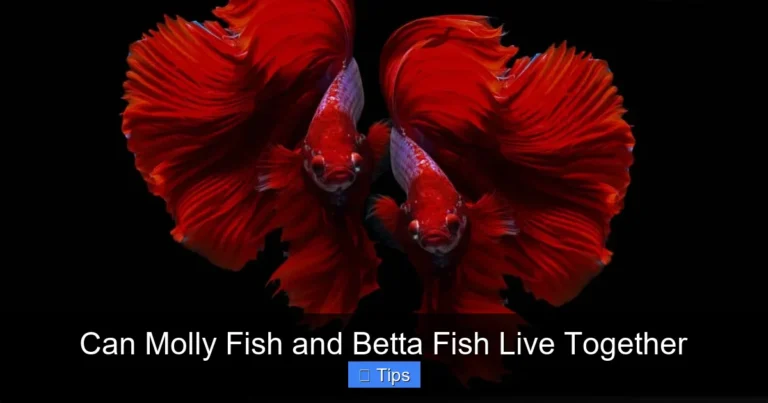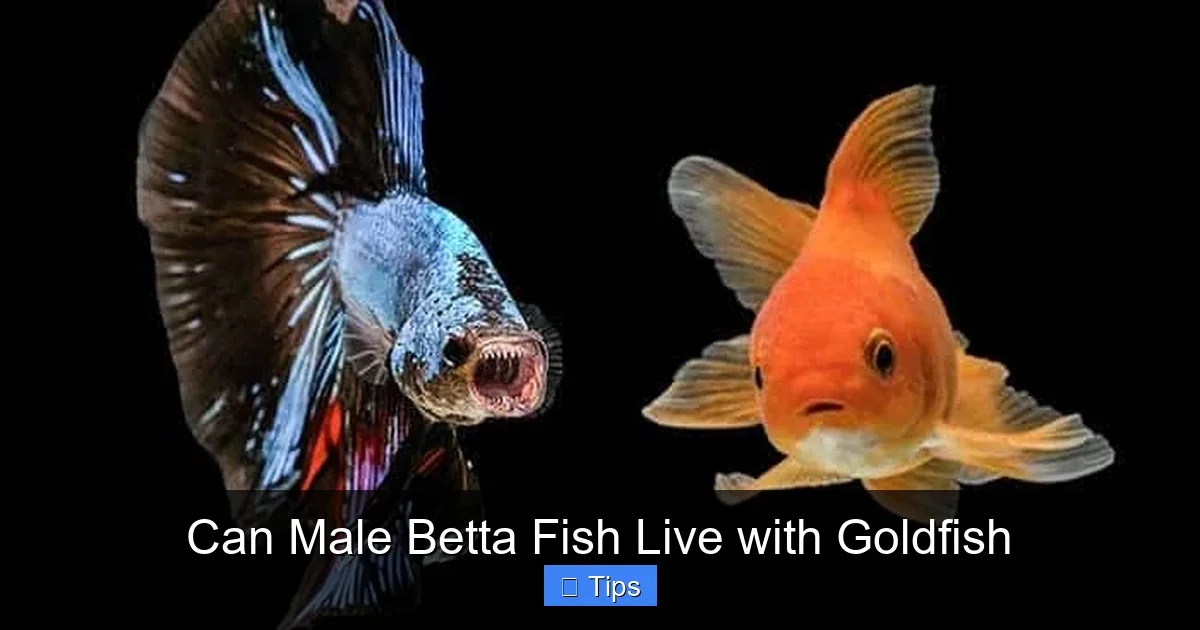
Can Male Betta Fish Live with Goldfish
No, male betta fish should not live with goldfish under any circumstances. Their fundamental needs are in direct conflict: bettas require warm, pristine water while goldfish thrive in cooler temperatures and produce massive amounts of waste. The betta’s aggressive nature will almost certainly lead to attacks on the slow-moving goldfish, causing fatal stress or injury. Attempting this mix creates a high-stress, unhealthy environment for both fish. Instead, choose compatible tankmates that share your betta’s tropical requirements and peaceful demeanor.
You’ve seen the beautiful, flowing fins of a male betta fish and the charming, clumsy antics of a goldfish. It’s a tempting visual—a vibrant, tropical jewel paired with a classic, hardy coldwater companion in the same aquarium. It seems like a match made in fish-keeping heaven. But here’s the crucial, often heartbreaking truth: can male betta fish live with goldfish? The answer is a definitive, unwavering no. This combination is one of the most notoriously bad pairings in the aquarium hobby, setting both animals up for failure, stress, and often, premature death. Let’s dive deep into the biological, environmental, and behavioral reasons why this dream tank is actually a nightmare for your finned friends.
Key Takeaways
- Temperature War: Bettas need 78-80°F (25.5-26.5°C); goldfish need 65-75°F (18-24°C). You cannot safely compromise this critical difference.
- Water Quality Crisis: Goldfish are incredibly messy “biochemical factories,” producing ammonia that quickly poisons sensitive bettas, even with filtration.
- Incompatible Temperaments: The male betta’s innate aggression will target the goldfish’s flowing fins and slow movements, leading to relentless chasing and biting.
- Fin-Nipping Hazard: Betta fish are prone to nipping at the long, flowing fins of fancy goldfish varieties, causing infection and fin rot.
- Size & Speed Disparity: Goldfish grow large and are clumsy; bettas are fast and territorial. The goldfish cannot escape, and the betta will not back down.
- Chronic Stress for Both: The betta lives in a constant state of defensive aggression, while the goldfish suffers from stress-induced illness from the poor water and harassment.
- Better Alternatives Exist: Peaceful, small tropical fish like ember tetras, harlequin rasboras, or Kuhli loaches make far superior and safe tankmates for a male betta.
📑 Table of Contents
- The Betta Fish: A Flashy Fighter Built for Solitude
- The Goldfish: A Messy Gentle Giant with Different Needs
- Temperature Tango: Why 78°F vs. 68°F Is a Non-Negotiable Divide
- Water Quality Warfare: The Invisible Ammonia Killer
- Behavioral Clash: Aggression Meets Indifference
- Better, Safer Tankmate Options for Your Male Betta
- What To Do If You Already Have Them Together
- The Ethical and Practical Conclusion: A Hard “No”
The Betta Fish: A Flashy Fighter Built for Solitude
To understand why a male betta fish cannot cohabit with a goldfish, you must first understand the betta’s unique biology and evolutionary history. The betta splendens, or Siamese fighting fish, is a product of the shallow, warm, stagnant rice paddies and slow-moving streams of Southeast Asia. These environments are often hot (78-80°F is ideal), low in oxygen, and teeming with insect life.
An Air-Breathing Specialist
Bettas possess a specialized labyrinth organ, allowing them to gulp air from the surface. This adaptation means they absolutely must have access to the water’s surface without obstruction. A large, fast-swimming goldfish constantly surfacing for food or disturbing the water column can interfere with this vital behavior, causing the betta to suffocate.
The Temperament of a True Gladiator
Male bettas are famously territorial and aggressive, primarily toward other male bettas. However, this aggression extends to any fish with long, flowing fins (which they perceive as a rival male) or any fish that invades their perceived space. They are solitary by nature, evolved to defend a small patch of territory fiercely. In the confines of an aquarium, this instinct is magnified. They are not community fish by default; they are kings of a tiny, self-contained empire.
The Goldfish: A Messy Gentle Giant with Different Needs
Goldfish (Carassius auratus) are the opposite of the betta in almost every biological regard. They are coldwater fish originating from the temperate ponds and streams of East Asia. Their hardiness is legendary, but this comes with a massive caveat: they are incredibly messy.
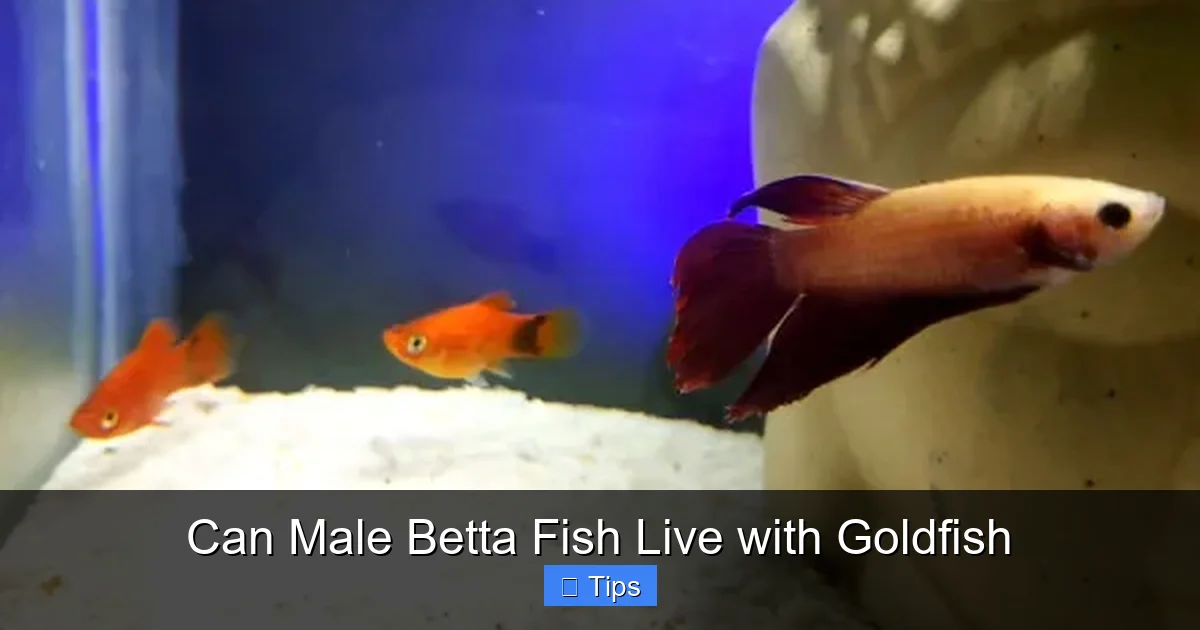
Visual guide about Can Male Betta Fish Live with Goldfish
Image source: bettafishnest.com
Growth Potential and Waste Production
A common misconception is that goldfish stay small. Fancy varieties like Orandas or Ranchus can reach 8-10 inches, while common or comet goldfish frequently surpass 12 inches and require ponds. Their digestive systems are inefficient, leading to copious amounts of solid waste. They are, in essence, aquatic vacuum cleaners that convert food directly into ammonia-laden feces. A single fancy goldfish produces as much biological waste as a small school of tropical fish.
Water Parameter Requirements
Goldfish thrive in cooler water, optimally between 65-75°F (18-24°C). Their metabolism is slower in cooler temperatures, which helps them process their prodigious waste output. Warmer water accelerates their metabolism, meaning they eat more and produce even more waste, while simultaneously lowering dissolved oxygen levels—a double disaster for a sensitive betta.
Temperature Tango: Why 78°F vs. 68°F Is a Non-Negotiable Divide
This is the most straightforward, deal-breaking incompatibility. A betta fish kept at 68°F will become lethargic, lose its vibrant colors, and its immune system will shut down, making it susceptible to diseases like dropsy or fin rot. A goldfish kept at 78°F will experience a hyperactive metabolism, stress, and a drastically increased waste load.

Visual guide about Can Male Betta Fish Live with Goldfish
Image source: diyseattle.com
The Myth of the “Middle Ground”
Some novice aquarists suggest setting the tank to 72°F as a compromise. This is a catastrophic mistake. At 72°F, the betta is already below its optimal temperature range, compromising its health. More importantly, this temperature is at the very top end of a goldfish’s comfortable range, causing it stress and ramping up its waste production. You are simultaneously weakening your betta and poisoning its environment. There is no safe, healthy temperature that satisfies both species’ core physiological needs.
Water Quality Warfare: The Invisible Ammonia Killer
Even if you magically solved the temperature issue, the waste disparity creates an unwinnable battle for water quality. The nitrogen cycle in an aquarium converts fish waste (ammonia) to nitrite and then to less toxic nitrate. A betta in a properly cycled, filtered 5-gallon tank produces a manageable amount of ammonia. Introduce a goldfish, and you are adding a creature with a waste load comparable to 5-10 tropical fish.
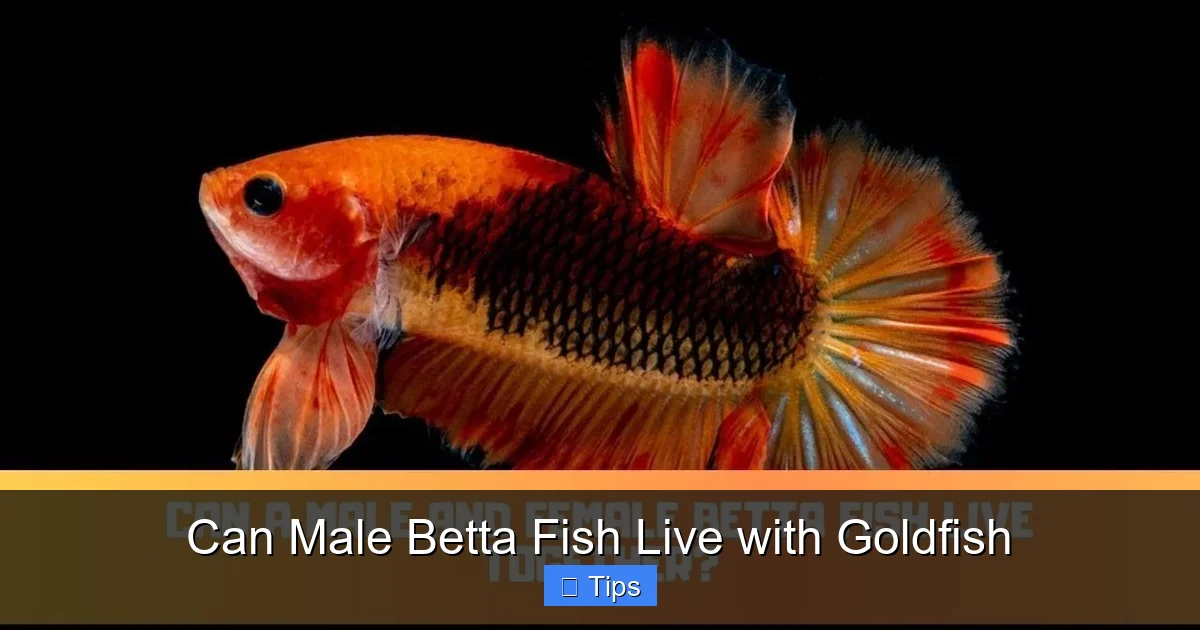
Visual guide about Can Male Betta Fish Live with Goldfish
Image source: i.ytimg.com
Filter Overload and Toxic Spikes
Your filter, sized for a betta, will be instantly overwhelmed. Ammonia will spike rapidly. Bettas are labyrinth fish with delicate gills and a high sensitivity to poor water quality. Ammonia burns their gills, leading to respiratory distress, clamped fins, and imminent death. You would need a filter rated for a 50+ gallon tank to handle a single fancy goldfish’s waste, and even then, water changes would need to be massive and frequent—impossible in a tank suitable for a betta’s territory.
Behavioral Clash: Aggression Meets Indifference
Assuming you somehow maintained perfect water at an impossible temperature, the behavioral interaction would be disastrous. The male betta, upon seeing the goldfish, will likely interpret its flowing fins (especially in fancy varieties like veiltails or fantails) as a rival male betta. This triggers an immediate, instinctual attack sequence: flaring its gills, darting, and biting.
The Goldfish’s Fatal Flaw: Inability to Escape
Goldfish are not agile. They are ponderous, food-focused swimmers. They lack the speed or evasive maneuvers to avoid a determined betta. The betta will relentlessly chase the goldfish, nipping at its fins and body. This causes physical injury, opens wounds to infection (fin rot), and induces extreme, chronic stress in the goldfish. Stress suppresses the immune system, leading to disease. The goldfish will hide, stop eating, and waste away.
The Betta’s Frustration
For the betta, the goldfish is an irritating, non-compliant object that invades its space but doesn’t properly “fight back” or leave. This can lead to the betta constantly patrolling and harassing, a state of perpetual high alert that is profoundly stressful for a fish that needs calm to thrive.
Better, Safer Tankmate Options for Your Male Betta
Your desire to create a community tank is commendable! A well-chosen, peaceful tankmate can enrich your betta’s life and provide you with more activity to observe. The key is to choose fish that share the betta’s tropical needs, are not fin-nippers, and are neither too large to be seen as a threat nor too small to be considered food.
Ideal Candidate Profile
Look for small, schooling fish that are active but peaceful, and prefer the same warm water (78-80°F). They should occupy different swimming levels—bottom-dwellers or mid-level schooling fish—to avoid direct competition with the betta’s prime territory at the surface and mid-water.
- Ember Tetras (Hyphessobrycon amandae): Tiny, fiery orange fish that school beautifully. They are too small to be a threat and too active in a group to be singled out.
- Harlequin Rasboras (Trigonostigma heteromorpha): A classic betta companion. They are peaceful, active mid-level swimmers with a striking triangle marking.
- Kuhli Loaches (Pangio kuhlii): Excellent bottom-dwellers. These eel-like fish are nocturnal, shy, and spend their time sifting through the substrate, completely ignoring the betta.
- Celestial Pearl Danios (Danio margaritatus): Also known as Galaxy Rasboras, these are tiny, stunningly patterned fish that are active but not pushy.
- Bristlenose Plecos (Ancistrus sp.): The pleco of choice for betta tanks. They are armored, algae-eating bottom-feeders that are generally ignored by bettas. Ensure your tank is large enough (20+ gallons).
Invertebrate Alternatives
If you want a truly risk-free addition, consider invertebrates. Amano Shrimp (Caridina multidentata) are large, algae-eating shrimp that are often ignored. Nerite Snails are fantastic algae-eaters with a hard shell bettas cannot crack. Ghost Shrimp can be risky as they might be seen as food, but in a well-planted, spacious tank, they often survive.
What To Do If You Already Have Them Together
If you’ve already placed a male betta and a goldfish in the same tank, immediate action is required. This is not a “wait and see” situation.
Step 1: Separate Them Immediately
The only safe course of action is to separate the fish. You need two fully cycled, filtered, and heated aquariums. The betta’s tank must be heated to 78-80°F. The goldfish’s tank should be unheated and kept in a cool room (65-75°F). If you have a single common/comet goldfish, it needs a minimum of 55 gallons as an adult; a fancy goldfish needs at least 20-30 gallons.
Step 2: Monitor for Injury and Disease
Check the betta for torn or shredded fins. Check the goldfish for any missing scales or bite marks. Both are susceptible to secondary infections. Perform large water changes (50%) on both tanks daily for a week to flush out any stress-induced toxins and ammonia spikes.
Step 3: Learn and Rehome
Use this as a critical learning experience about species compatibility. If you cannot provide the appropriate permanent, separate homes for both fish, you must find responsible new owners for one of them. Keeping them together is a form of neglect, as you are knowingly subjecting them to a toxic, stressful environment. Contact local fish clubs, dedicated aquarium stores, or reputable online forums to rehome one of the fish to a suitable, permanent setup.
The Ethical and Practical Conclusion: A Hard “No”
The question “can male betta fish live with goldfish?” is answered not by opinion, but by fundamental, non-negotiable biology. The betta’s need for warm, pristine water and its territorial aggression are utterly incompatible with the goldfish’s coldwater preference and its status as a waste-generating giant. You cannot compromise on temperature. You cannot out-filter the ammonia load. You cannot train away millennia of instinct.
Keeping these two species together is a recipe for disaster: a slow poisoning from ammonia for the betta, and a life of terror and physical injury for the goldfish. It is the opposite of providing good animal welfare. The joy of fishkeeping comes from seeing your aquatic pets thrive in an environment that mimics their natural needs. By choosing appropriate, compatible tankmates for your male betta, you honor that principle. You create a stable, peaceful, and vibrant underwater world where your betta can display its stunning colors and confident personality without constant stress. That is the only ethical and practical path forward. Please, for the sake of both fish, keep them in separate, species-appropriate homes.
Frequently Asked Questions
Can a betta fish kill a goldfish?
While a betta is unlikely to physically consume a large goldfish, it can absolutely kill it through relentless stress and injury. Constant chasing and fin-nipping leads to exhaustion, compromised immune function, and fatal infections like fin rot. The betta’s aggression is a direct threat to the goldfish’s life.
What temperature do bettas and goldfish need?
Male betta fish require a stable, heated tank between 78-80°F (25.5-26.5°C). Goldfish are coldwater fish that thrive at 65-75°F (18-24°C). There is no safe overlap; keeping one at the other’s ideal temperature will cause severe stress and illness.
Are goldfish too dirty for bettas?
Yes, absolutely. Goldfish produce an enormous amount of waste relative to their size. This massive biological load creates toxic ammonia spikes that are lethal to the highly sensitive betta, even with strong filtration. The betta’s water will become poisonous very quickly.
Can a betta and goldfish ever be peaceful?
No. The betta’s instinct will be to attack the goldfish’s flowing fins, and the goldfish will be unable to escape or defend itself effectively. Any initial calm is usually temporary before the betta’s aggression triggers. There are no documented cases of a successful, long-term peaceful community with these two species.
What fish are safe with a betta?
Safe betta tankmates are small, peaceful, tropical fish that inhabit different tank levels. Excellent choices include schooling fish like ember tetras, harlequin rasboras, or celestial pearl danios, and bottom-dwellers like Kuhli loaches or bristlenose plecos (in a large enough tank). Always research each species fully before introduction.
What if I already have my betta and goldfish together?
You must separate them immediately. Obtain a second, appropriately sized tank. The betta’s tank needs a heater set to 78-80°F. The goldfish needs an unheated, much larger tank (20+ gallons for fancy, 55+ for commons) with powerful filtration. Monitor both for signs of stress or injury and be prepared to find a permanent, separate home for one of them.