Can Molly Fish Live with Betta Fish
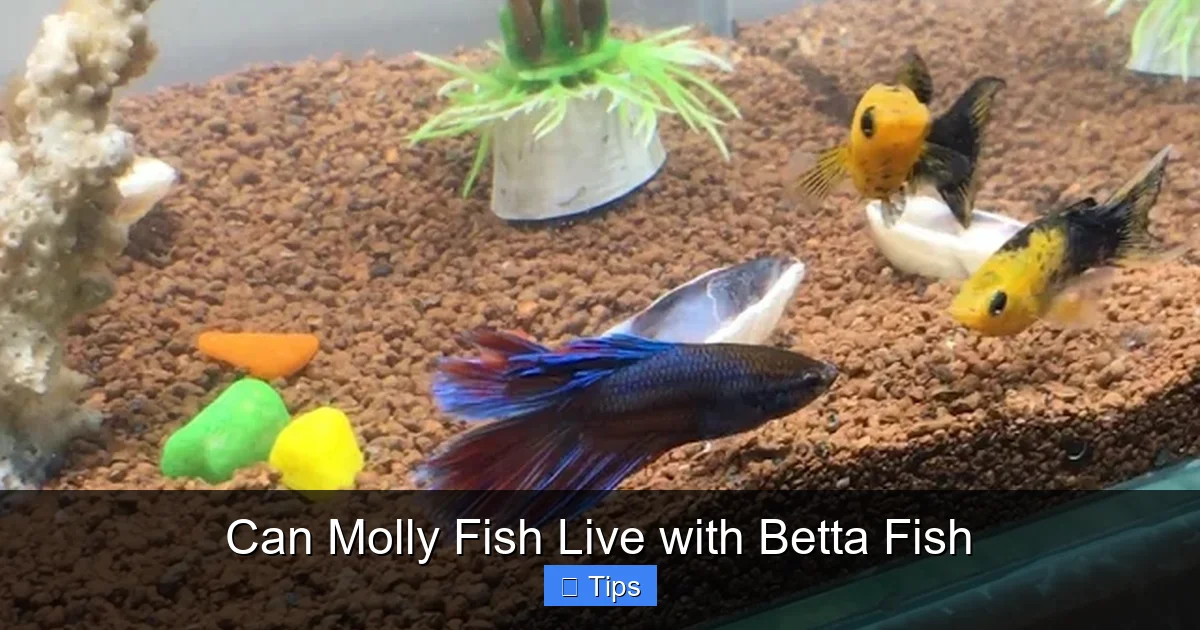
Yes, molly fish can sometimes live with betta fish, but it is not a guaranteed or simple pairing. Success depends almost entirely on the individual betta’s personality, requiring a large, well-decorated tank and careful observation. Mollies are active, social schooling fish, while bettas are solitary and territorial, creating a fundamental mismatch in needs. This combination is considered high-risk and is generally only recommended for experienced aquarists who can provide ample space and have a backup plan.
So, you’ve got a beautiful, flowing betta in a solo tank, or maybe you’re planning a new community aquarium and that vibrant molly school has caught your eye. The idea of combining these two popular, colorful fish is tempting. The question “Can molly fish live with betta fish?” is one of the most common in the aquarium hobby, and the answer is one every fish keeper needs to hear: Yes, it is possible, but it is far from simple and carries significant risk. This isn’t a beginner-friendly pairing. It’s a delicate experiment in fish psychology and husbandry that requires careful planning, a suitable environment, and constant vigilance. In this comprehensive guide, we’ll break down everything you need to know—from the core behavioral mismatches to the perfect tank setup—to help you make an informed, safe decision for your aquatic pets.
Key Takeaways
- Betta temperament is the wild card: A peaceful betta might tolerate mollies, but a aggressive one will relentlessly chase and harm them. You must be prepared to separate them immediately if conflict arises.
- Tank size is non-negotiable: A minimum of 30 gallons is strongly recommended to provide enough territory and escape routes for the mollies, reducing stress and confrontation.
- Mollies need a school: Keeping a group of 5+ mollies is essential for their well-being. A single molly will be an easy target for a curious or aggressive betta.
- Water parameters differ: Bettas prefer warmer, still water (78-80°F), while mollies are more adaptable but thrive in slightly cooler, brackish-influenced water. Finding a stable middle ground is critical.
- Decoration is your best defense: Dense planting, rocks, driftwood, and tall ornaments are crucial to break lines of sight, give mollies hiding spots, and establish clear territories.
- Never house a male betta with fancy mollies: Fancy mollies (like balloon or lyretail) have long, flowing fins that trigger a betta’s instinct to attack, seeing them as rival males.
- Always have a backup tank: You must have a cyclated hospital or quarantine tank ready to instantly remove either fish if the betta shows signs of aggression or the mollies become overly stressed.
📑 Table of Contents
- The Core Challenge: Betta Temperament vs. Molly Nature
- Critical Compatibility Factors: It’s All About the Betta
- The Ideal Tank Setup: Space, Space, and More Space
- Water Parameters: Finding the Compromise
- Step-by-Step Introduction Protocol
- When It’s Time to Call It Quits: Alternatives and Final Advice
The Core Challenge: Betta Temperament vs. Molly Nature
To understand why this pairing is so tricky, you must first look at the natural instincts and social structures of each fish. They come from fundamentally different worlds, and forcing them to share a small, artificial space is asking for trouble unless you meticulously manage their differences.
The Solitary, Territorial Betta
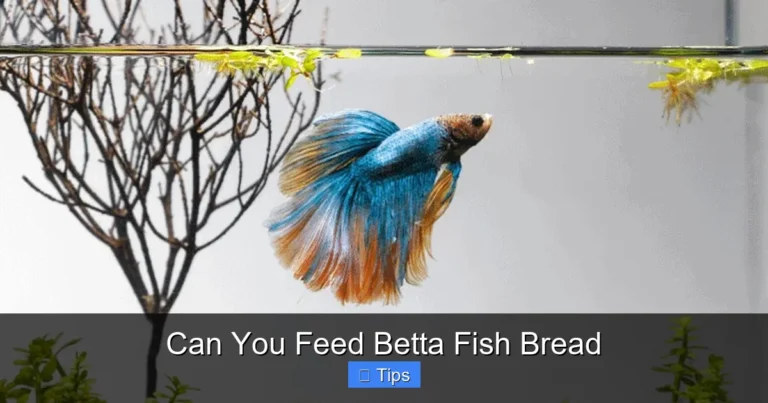
The Siamese fighting fish, or betta splendens, has been selectively bred for centuries for its aggression and stunning fins. In the wild, they are solitary creatures, defending small territories of still, shallow water like rice paddies and ponds. A male betta’s entire existence is about patrolling his patch, building a bubble nest, and warding off rival males. They have excellent eyesight and are easily triggered by movement, color, and—most famously—other fish with long, flowing fins, which they interpret as a competing male. While some bettas are surprisingly docile (“crowntail” and “veiltail” varieties sometimes have milder personalities), many are instinctively nippy and possessive. Their aggression is not just about fighting; it’s about constant stress from feeling their space is invaded.
The Active, Social Molly
Mollies, from the Poecilia genus, are the opposite end of the spectrum. They are livebearers, originating from brackish coastal waters in Central America. They are incredibly active, fast swimmers, constantly grazing on algae and exploring every corner of the tank. Crucially, mollies are schooling fish. They are genetically wired to be in groups of 5 or more, where they feel safe and exhibit natural behaviors. A lone molly is a stressed molly, and that stress makes it more susceptible to disease and bullying. They are also known to be somewhat nippy themselves, occasionally chasing each other or other fast-moving fish, though this is usually minor compared to a betta’s targeted aggression.
The Fundamental Mismatch
You are trying to house a solitary, territorial, slow-moving ambush-style fish with a gregarious, high-energy,constant-motion schooling fish. The betta sees the molly’s active darting as a threat or an irritation. The molly, in a group, might inadvertently crowd the betta’s favorite floating plant or resting spot. The betta’s long, flowing fins are a magnet for the molly’s curiosity, and the molly’s own fins—especially on males or fancy varieties—can trigger the betta’s aggression. It’s a recipe for stress, chasing, torn fins, and potential fatalities.
Critical Compatibility Factors: It’s All About the Betta
If you are determined to try this mix, your success hinges on one fish: the betta. You must become a betta behavior expert and choose your individual specimen with extreme care.
Visual guide about Can Molly Fish Live with Betta Fish
Image source: fishingform.com
Age and Experience Matter
An older betta that has already been in a community tank (a “known community betta”) is a far better candidate than a young, newly isolated male. A betta that has coexisted with other fish before has often had its initial aggression “worked out” and may be more tolerant. Conversely, a betta that has been alone in a small cup or vase for its entire life is a ticking time bomb. Its entire worldview is that of a solitary king, and the introduction of any other fish will be seen as a direct invasion.
Observing for the “Right” Personality
When selecting a betta from a store, don’t just pick the prettiest one. Spend time observing. Look for a fish that is alert but not flaring (gills puffed out) at its neighbors in the store cups. A betta that is actively and aggressively chasing the glass at every passing movement is a poor candidate. A betta that is mostly calm, perhaps lazily exploring, and only occasionally curious is a better bet. Some stores will even allow you to “test” a betta in a divided tank with a neutral fish (like a white cloud mountain minnow) for a few days to gauge reaction. This is the gold standard for selection.
The Gender of the Molly is Crucial
This cannot be stressed enough: never house a male betta with a male molly. Male mollies, especially adults, develop a distinct, pointed gonopodium (anal fin) and often have brighter coloring. To a betta, this can look like another male betta’s modified fins, instantly triggering a fight. Female mollies are generally safer due to their rounder body shape and less prominent fins, but they are not risk-free. The safest molly choice for a betta tank is a large school of young, juvenile mollies. Their fins are shorter, their colors less intense, and their behavior is less territorial. They grow up in the presence of the betta, which can sometimes lead to acceptance.
The Ideal Tank Setup: Space, Space, and More Space
If you proceed, the tank you provide is the single most important factor in determining success or failure. The common “betta in a 5-gallon vase” myth is deadly in a community setting. You are not just housing two fish; you are managing territories.

Visual guide about Can Molly Fish Live with Betta Fish
Image source: petshun.com
Tank Size: The Absolute Minimum
The absolute, bare-minimum tank size for a betta and a school of mollies is 30 gallons. Ideally, aim for 40 gallons or more. Why so big? The betta needs a defined territory—a “kingdom” it can patrol. The mollies need a vast area to school, swim, and escape. In a 10-gallon tank, there is no escape. The betta will see every move the mollies make. In a 30+ gallon tank, you can create physical barriers and zones. The betta can claim the top layer near a floating log, while the mollies occupy the mid and lower levels. This spatial separation reduces daily friction dramatically.
Aquascaping for Peace: Breaking Lines of Sight
Your tank’s layout is your primary tool for preventing conflict. The goal is to prevent the betta from having a clear, unobstructed view of the entire tank at all times.
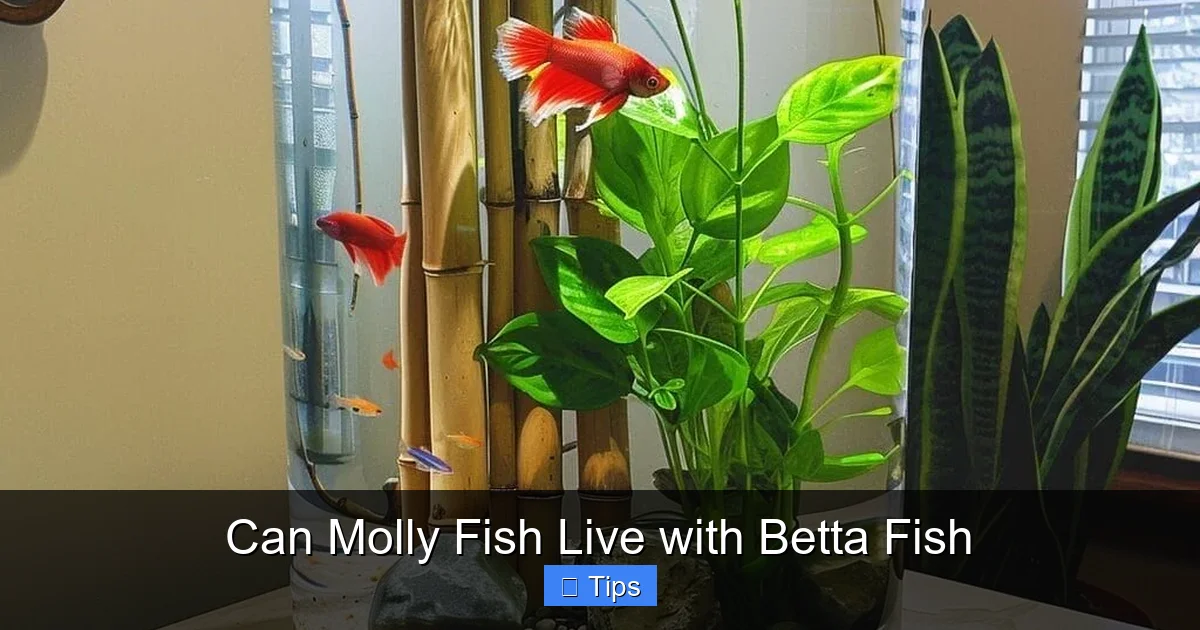
- Dense Foreground and Midground Planting: Use sturdy plants like Amazon swords, Java fern, or Anubias attached to driftwood. These create thickets where mollies can dart into and out of sight.
- Rockwork and Driftwood: Create caves, overhangs, and complex structures. A large piece of driftwood splitting the tank can give each fish its own “wing” of the aquarium.
- Floating Plants are Essential: Betta fish love to rest near the surface under floating plants like dwarf water lettuce, frogbit, or salvinia. This gives them a secure, shaded area and breaks the water’s surface tension, which mollies also enjoy. Ensure there is a clear patch for the betta to potentially build a bubble nest if he chooses.
- Avoid Open, Barren Tanks: A nearly empty tank with just a few ornaments is a stress factory for this pairing. It offers no refuge.
School Size and Gender Ratios for Mollies
You must keep a proper school of mollies to diffuse stress. The minimum is 5-6 individuals. With a school this size, any single molly is not the constant focus of the betta’s attention; the movement is a group activity. Within this school, maintain a ratio of at least 2 females to 1 male. Male mollies can harass females relentlessly. A school dominated by females is calmer, less colorful, and less likely to trigger a betta’s aggression than a school with multiple competing, flashy males.
Water Parameters: Finding the Compromise
Bettas and mollies have overlapping but not identical water preferences. The key is stability—sudden swings in temperature or pH will stress both fish and make any latent aggression worse.

Visual guide about Can Molly Fish Live with Betta Fish
Image source: nicebettathailand.com
Temperature: The Warmth Compromise
Bettas are true tropical fish, requiring 78-80°F (25.5-26.5°C). Mollies are more adaptable and can live in cooler water down to about 72°F, but they are healthiest and most active in warmer water. The compromise is to keep the tank at 77-78°F. This is perfectly acceptable for the betta and well within the molly’s comfort zone. Never drop below 76°F for a betta.
Hardness and pH: The Brackish Influence
This is a subtle but important point. Bettas are from soft, acidic blackwater environments. Mollies, especially those from coastal areas, are accustomed to slightly harder, more alkaline water and even trace amounts of salt. A stable, moderately hard water (GH 10-15) and a pH of 7.5-8.0 is an excellent middle ground. This slightly alkaline, harder water is often better for the molly’s health and can even help with minor issues like mild fungal infections. It is not harmful to a well-acclimated betta. Avoid adding aquarium salt specifically for the betta, as mollies are sensitive to high salt concentrations. If you must use salt for a sick betta, you will need to remove the mollies to a separate hospital tank first.
Filtration and Flow
Bettas HATE strong current. Their long fins make swimming difficult. Mollies, however, are strong swimmers that enjoy a bit of flow. The solution is a filter with an adjustable flow rate, or one that creates a gentle circulation. A sponge filter is an excellent choice for the betta’s comfort, but it may not provide enough mechanical filtration for a messy school of mollies. A hang-on-back (HOB) filter with a spray bar or baffle to diffuse the outflow is ideal. Ensure there are plenty of areas in the tank with near-zero current behind decorations.
Step-by-Step Introduction Protocol
You cannot just drop a betta into a tank full of mollies or vice versa. A careful, multi-step process is required to maximize the chance of success.
Step 1: The “Community Tank” First
This is the most recommended method. Set up your fully cycled, beautifully aquascaped 30+ gallon tank first. Add the school of mollies (and any other peaceful community fish you plan to keep, like Corydoras catfish or harlequin rasboras). Let them live in this established, peaceful tank for at least 2-3 weeks. This allows the mollies to claim their spaces, establish their school hierarchy, and for the tank to become “theirs.” The water will be stable, and their stress levels will be low.
Step 2: The Betta’s Quarantine and Observation
Acclimate your chosen betta in a separate hospital tank. Observe it for a week for any signs of illness. During this time, you can also perform a “dividing tank” test. If you have a large breeder net or a tank divider, place the betta on one side of the established molly tank for several days. Watch his reaction. Does he flare wildly and constantly? Or does he mostly ignore them? This is your best predictor of behavior.
Step 3: The Floating Introduction
On the day of introduction, do not release the betta directly. Float his cup or container in the main tank for 30 minutes to equalize temperature. Then, using a net or cup, gently transfer the betta into a large, clear breeding box or a large floating divider within the main tank. This allows the fish to see each other through the mesh barrier without physical contact. Observe for 24-48 hours. Is the betta flaring at the mollies constantly? Are the mollies harassing the betta? If there is relentless, focused aggression from the betta, the pairing is likely doomed. If there is mild curiosity that fades, you can proceed.
Step 4: The Release and The 72-Hour Watch
After 48 hours of calm observation in the divider, release the betta into the main tank, ideally near a piece of decor or a floating plant cluster. For the next 72 hours, you must be a hawk. Watch for any chasing, fin-nipping, or the molly school clustering in a corner in fear. Some initial curiosity (the betta exploring, a few mollies following at a distance) is normal. Sustained, high-speed chasing is not. Have your backup hospital tank cycled and ready with identical water parameters. At the first sign of persistent aggression, net the betta and put him in the backup tank. Do not wait.
When It’s Time to Call It Quits: Alternatives and Final Advice
Despite your best efforts, the pairing may simply not work. The betta’s genetics are powerful, and some individuals are just too aggressive. This is not a failure of your skills; it is respecting the animal’s nature.
Signs It’s Not Working
You must remove the betta immediately if you see:
- The betta relentlessly chasing one or more mollies to the point of exhaustion.
- Torn, shredded fins on any fish.
- The molly school hiding constantly in one corner, not feeding properly.
- The betta establishing a “no-go” zone that the entire molly school is terrified to enter.
Better Tankmate Alternatives for a Betta
If you want a community for your betta, there are safer, more compatible options that share similar temperaments and environmental needs. These are generally small, peaceful, schooling fish that prefer the same warm, still water and do not have long fins:
- Neon/Cardinal Tetras: (In a 20+ gallon tank) Keep in a school of 6+. They occupy the mid-level and are fast enough to avoid a curious betta.
- Harlequin Rasboras: Excellent, hardy choice for a 15+ gallon tank. School of 6+.
- Kuhli Loaches: Perfect for the bottom layer. They are eel-like, peaceful, and nocturnal, completely ignoring bettas.
- Corydoras Catfish: The ultimate bottom-dwelling cleanup crew. A school of 5+ pygmy or peppered corys is ideal.
- Snails (Nerite, Mystery): Completely safe, though a very persistent betta might try to nip at antennae. They are great algae eaters.
Better Tankmate Alternatives for Mollies
Mollies are incredibly easy to please. They will live peacefully with almost any other peaceful, active community fish that tolerates their preferred water conditions. A molly-only tank is also a fantastic, low-stress option. Great companions include:
- Other livebearers: Guppies, platies, swordtails (be mindful of overbreeding).
- Barbs: Tiger barbs (keep a large school to diffuse their own nippiness).
- Rainbowfish
- Other larger tetras: Black skirt, Buenos Aires.
The Final Verdict
So, can molly fish live with betta fish? The honest answer for most aquarists is no, it’s not worth the risk. The potential for a beautiful, thriving community exists, but the odds are stacked against you by millions of years of evolved, conflicting instincts. For the vast majority of hobbyists, especially those keeping their first betta or their first community tank, choosing one of the many safer tankmate options is the responsible, stress-free choice. If you are an experienced aquarist with a spacious tank, a calm betta, and the ability to provide a complex, well-decorated environment, you can experiment—but you must go into it with your eyes wide open, a backup plan ready, and the humility to separate the fish the moment things go south. Your priority is the health and safety of all your fish, not achieving a “dream combo” for the sake of a pretty picture.
Frequently Asked Questions
Can a female betta live with mollies more easily than a male?
Generally, yes. Female bettas are less aggressive and have shorter fins that are less likely to trigger aggression. However, they can still be territorial. The same rules about tank size, molly school size, and dense decoration apply. A female betta with a large school of mollies has a higher success rate, but it is still not a guaranteed or risk-free pairing.
What should I do the moment my betta starts chasing the mollies?
You must act immediately. Have a cyclated backup tank (hospital tank) with identical water parameters ready. Net the betta and move him to the separate tank. Do not wait to see if it “calms down.” Chronic stress from chasing will weaken the molly’s immune system and lead to disease. The betta is not being “mean”; he is acting on instinct. Separation is the only safe solution.
Do mollies actually nip at a betta’s fins?
It can happen, though it’s less common than the reverse. Mollies are curious and may nibble at a betta’s long, flowing fins, especially if the betta is lethargic or resting. This can provoke the betta into a retaliatory attack. This is another reason why using fancy, long-finned mollies is a terrible idea—they invite fin-nipping from both sides.
Is adding salt to the water help mollies and harm bettas?
Mollies benefit from a small amount of salt (like 1 tablespoon per 5 gallons) as it mimics their natural brackish habitat and can boost their immune system. Bettas, however, are from freshwater and are sensitive to salt. Adding salt for the mollies will slowly stress and harm the betta. Therefore, you cannot use salt in a shared tank. You must choose one water parameter set, and the slightly harder, more alkaline, fresh water is the best compromise.
What about other livebearers like platies or guppies? Are they better with bettas?
They are slightly better than mollies due to often having shorter fins and being less active, but the same fundamental risks apply. A male guppy with a colorful, large tail is a prime target for a betta. Platies are a bit more robust. The same rules apply: a large, heavily planted tank, a peaceful betta, and a school of the livebearers. Corydoras catfish or Kuhli loaches are consistently safer bottom-dwelling choices for a betta.
My betta and molly seemed fine for a week, but now fighting started. Why?
This is very common. The initial “honeymoon period” can last days or weeks as the betta investigates and the mollies are cautious. However, as the betta fully claims its territory (often after building a bubble nest) or as a molly matures and becomes more colorful/assertive, the betta’s tolerance can evaporate. This is why constant observation for the first month is critical. The aggression can be triggered by a change in the tank, a new decoration moving territories, or simply the betta’s hormones kicking in.