Do Betta Fish Grow Bigger
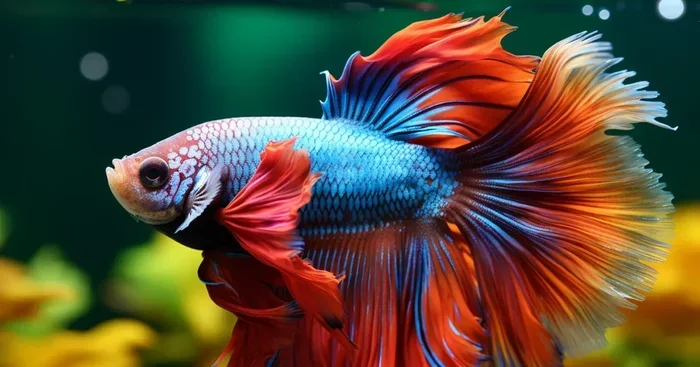
Do betta fish grow bigger? Yes, they can reach up to 3 inches with proper care, nutrition, and a spacious tank. Many factors influence betta fish growth, including tank size, water quality, and diet. This guide covers everything you need to know to help your betta thrive and grow to its full potential.
Have you ever wondered do betta fish grow bigger over time? It is a question many new betta owners ask when they bring home their tiny colorful fish. The answer is yes. Betta fish do grow, and with the right setup, they can reach their full size potential. But how big do they actually get, and what can you do to help them grow?
Betta fish growth depends on several factors. Tank size, diet, water quality, and genetics all play a role. Many people keep bettas in tiny bowls, which limits their growth. A proper environment can make a real difference. In this guide, we will walk you through everything you need to know about helping your betta fish grow bigger and healthier.
If you are serious about your betta’s growth, understanding the basics is step one. Let us dive into the world of betta fish growth and explore what really works.
Key Takeaways
- Betta fish can grow up to 3 inches long when kept in optimal conditions with proper care and nutrition.
- Tank size matters significantly for betta fish growth, and a tank of at least 5 gallons is recommended for healthy development.
- Diet plays a crucial role in how big betta fish get, with high-quality protein-rich foods promoting steady growth.
- Water quality and temperature directly affect betta fish growth rates and overall health.
- Genetics and age are natural factors that determine the maximum size a betta fish can reach.
- Common mistakes like small bowls and poor nutrition can stunt betta fish growth permanently.
- Patience is key since betta fish growth happens gradually over several months to a year.
📑 Table of Contents
How Big Do Betta Fish Get?
Most betta fish grow to about 2 to 3 inches in length. Some can even reach slightly larger sizes under ideal conditions. But not all bettas are the same. Their final size depends on genetics, care, and environment.
When you ask do betta fish grow bigger, the answer is not a simple yes or no. It depends on how you care for them. A betta in a small bowl might stay around 1.5 inches. The same fish in a well-maintained 5-gallon tank could reach 2.5 to 3 inches.
Average Betta Fish Size by Age
Betta fish go through different growth stages. Here is a quick look at what to expect:
- 1 to 2 months: Around 0.5 to 1 inch. This is the baby stage.
- 3 to 6 months: Around 1 to 2 inches. Growth picks up speed.
- 6 to 12 months: Around 2 to 3 inches. They approach their full size.
- 1 year and older: Around 2.5 to 3 inches. Most bettas reach their maximum size by this point.
Keep in mind that these numbers are averages. Individual fish may vary. If you want to track your betta’s growth, consider reading more about how betta fish grow to understand the timeline better.
Factors That Affect Betta Fish Growth
Several key factors determine whether your betta will grow to its full size. Let us break them down so you know exactly what to focus on.
Tank Size
This is one of the biggest factors. Do betta fish grow bigger in larger tanks? Absolutely. A small bowl restricts movement and limits the oxygen in the water. This stresses the fish and slows growth.
A tank of at least 5 gallons is ideal for a single betta. If you want to give your fish the best chance to grow, go bigger. More space means more swimming, better oxygen levels, and less stress. All of these things support healthy growth. You can learn more about how tank size affects bettas in our article on do betta fish like a lot of space.
Water Quality and Temperature
Clean water is essential for betta fish health and growth. Dirty water causes stress, diseases, and stunted growth. Here are the ideal water parameters:
- Temperature: 76 to 82 degrees Fahrenheit
- pH level: 6.5 to 7.5
- Ammonia and nitrite: 0 ppm
- Nitrate: Below 20 ppm
Regular water changes of 25 to 30 percent every week help maintain these levels. A good filter also makes a big difference. If you are curious about water setups, check out do betta fish like air pump circulation for tips on keeping water moving and fresh.
Diet and Nutrition
What you feed your betta directly impacts its growth. A high-quality diet rich in protein supports healthy development. Here is what a good betta diet looks like:
- Betta pellets: The staple food. Look for pellets with high protein content (at least 35 percent).
- Frozen or live foods: Bloodworms, brine shrimp, and daphnia make excellent treats.
- Feeding frequency: 2 to 3 small meals per day. Do not overfeed.
Overfeeding is a common mistake. It can lead to bloating and poor water quality, both of which hurt growth. Feed only what your betta can eat in 2 to 3 minutes.
Genetics
Some bettas are simply genetically predisposed to grow larger than others. This is something you cannot control. However, buying from a reputable breeder increases your chances of getting a fish with strong growth potential.
Do Betta Fish Grow Bigger in Larger Tanks?
The short answer is yes. Larger tanks provide more room for swimming, better water stability, and more oxygen. All of these factors contribute to healthier and faster growth. A betta fish in a cramped bowl simply cannot thrive the way it would in a proper tank.
If you are still on the fence about upgrading your tank, consider this: bettas are active fish. They like to explore, swim, and hunt. Giving them space lets them be themselves. And a happy, active betta is a growing betta.
Many people ask do betta fish grow bigger when moved from a small container to a larger tank. The answer is often yes, especially if the fish was previously stunted due to poor living conditions. A 5-gallon tank is the minimum. A 10-gallon tank is even better and gives your betta room to really flourish.
Common Mistakes That Stunt Betta Fish Growth
There are several things betta owners do without realizing they are holding their fish back. Here are the most common mistakes:
- Keeping bettas in tiny bowls. Bowls are too small for proper growth and waste management.
- Skipping water changes. Dirty water leads to stress and illness, which slows growth.
- Feeding low-quality food. Cheap flakes or pellets lack the protein bettas need.
- Keeping the water too cold. Cold water slows metabolism and reduces appetite.
- Overcrowding the tank. Too many fish in one tank causes stress and competition for food.
- Ignoring signs of illness. Diseases like fin rot can seriously impact growth if left untreated.
If you want to avoid these pitfalls, focus on providing a clean, warm, and spacious environment. For more tips on preventing common issues, read our guide on do betta fish grow big for practical advice on maximizing your betta’s size.
How to Help Your Betta Fish Grow Bigger
Now that you know what affects growth, here is a step-by-step plan to help your betta reach its full size.
Step 1: Set Up a Proper Tank
Start with a tank of at least 5 gallons. Add a gentle filter and a heater to maintain stable temperatures. Include some plants and hiding spots to make your betta feel safe.
Step 2: Maintain Clean Water
Perform weekly water changes. Test the water parameters regularly. Keep ammonia and nitrite levels at zero.
Step 3: Feed a Balanced Diet
Use high-quality betta pellets as the main food. Supplement with frozen or live foods 2 to 3 times per week. Feed small amounts 2 to 3 times a day.
Step 4: Monitor Growth
Keep an eye on your betta’s size over time. Take notes or photos every few weeks. This helps you track progress and catch any issues early.
For more detailed feeding and growth tips, you might also enjoy our article on do betta fish grow fast, which covers growth speed in more detail.
Do Betta Fish Stop Growing at a Certain Age?
Most betta fish stop growing significantly after 12 to 18 months. By this age, they have usually reached their maximum size. However, some slow growth can continue into the second year, especially if conditions are excellent.
If your betta seems to have stopped growing, do not panic. It may simply have reached its genetic limit. Focus on maintaining good health rather than chasing a specific size. A healthy 2.5-inch betta is just as happy and beautiful as a 3-inch one.
Frequently Asked Questions
How long does it take for a betta fish to grow to full size?
Most betta fish reach their full size within 12 to 18 months. Growth is fastest during the first 6 months of life. After that, growth slows down and eventually stops. Providing optimal care during these early months helps ensure they reach their maximum potential size.
Can a betta fish grow bigger than 3 inches?
While 3 inches is the average maximum size, some bettas can reach slightly larger under exceptional care. However, sizes above 3 inches are rare. Genetics play a big role in determining the final size of your betta fish.
Does tank size really affect how big betta fish get?
Yes, tank size has a significant impact. Larger tanks provide better water quality, more oxygen, and less stress. All of these factors support healthy growth. Keeping a betta in a tiny bowl can permanently stunt its growth and reduce its lifespan.
What is the best food to help betta fish grow bigger?
High-protein foods are best for betta growth. Quality betta pellets with at least 35 percent protein should be the staple. Frozen or live foods like bloodworms and brine shrimp make excellent supplements that boost nutrition and encourage steady growth.
Why is my betta fish not growing?
Several factors can cause stunted growth, including poor diet, small tank, dirty water, and low temperatures. Check your water parameters and feeding routine first. If everything seems fine, genetics may simply be the reason your betta has reached its natural size limit.
Can betta fish grow back fins that have been damaged?
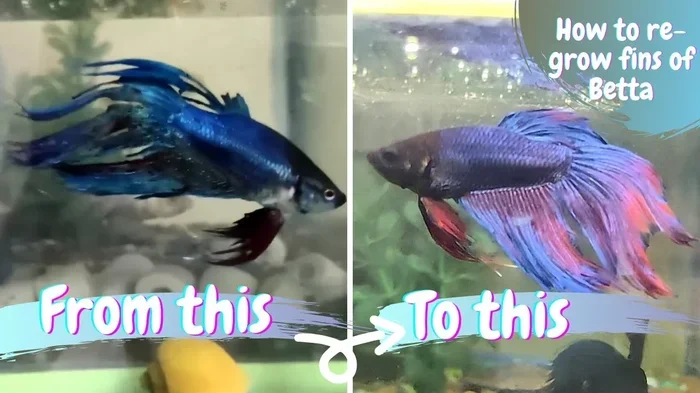
Yes, betta fish can regrow fins if the damage is not too severe. Fin rot or minor injuries usually heal with proper water conditions and care. However, severe or repeated damage may prevent full regrowth. For more details on fin regrowth, you can read about do betta fish grow new fins to understand the healing process better.